Ever wondered what the best ground leveling tool is to level your lawn with? Truthfully, your choice will depend on the size of the project, your yard, and the soil. You may need something simple or more complex to level the ground. You can do this! You’ll be able to achieve great results with the right tool, and you will feel proud of your efforts.
Whether you need heavy-duty land leveling equipment or the best ground leveling tools for gardens, this guide will help you learn everything about levelers.
- What Are Ground Leveling Tools?
- Essential Ground Leveling Tools for DIY and Professional Projects
- Advanced Ground Leveling Tools for Precision Work
- How to Choose the Right Ground Leveling Tools
- Step-by-Step: How to Level Ground Using the Right Tools
- Common Mistakes When Leveling Ground (and How to Avoid Them)
- Best Ground Leveling Tools for Homeowners vs. Professionals
- Maintenance Tips for Your Ground Leveling Tools
- Conclusion
What Are Ground Leveling Tools?
What are ground leveling tools? These tools will help you to create an even, flat surface for your garden. They are used to fill in holes and smooth out bumps. You can also use them to prepare the soil for new gardens, patios, or grass. You need the right tools to create a strong base or a healthy lawn.
If you are new to gardening, start with basic tools. As you gain more experience, you can upgrade your tools.
Here’s an overview of what you may find in a basic toolkit for ground leveling:
- Rakes are great for breaking up soil clumps and spreading it.
- Shovels are great for moving dirt or removing rocks.
- Check if the surface is level with a level.
- Hoes are useful for loosening soil that is hard soil.
- How to use string lines.
Some tools are best suited for smaller jobs like repairing a patchy yard. Some tools are better suited to larger projects, such as preparing the ground for a shed or patio. You don’t have to buy every tool available. Just choose the tools that are right for your yard and project.
Compare a few examples
| Tool Type | Best For | Skill Level |
| Rake | Small, uneven spots | Beginner |
| Laser Level | Large, precise grading | Advanced |
| Plate Compactor | Firming soil | Intermediate |
Hardware stores and online are both good places to find these tools. Some people rent sophisticated tools for large projects. Consider your budget, the size of your yard, and the soil.
The right tool will make your job easier, and you’ll get better results. Ask for help at your local garden centre!
Essential Ground Leveling Tools for DIY and Professional Projects
Hardware stores and online are both good places to find these tools. Some people rent sophisticated tools for large projects. Consider your budget, the size of your yard, and the soil.
The right tool will make your job easier, and you’ll get better results. Ask for help at your local garden centre!
Rakes and Landscaping Rakes
Most likely, you already have a rake. You need a landscaping tool for grading. The tool is flat and wide. It helps smooth bumps and spreads soil. It can be used for rough grading or to finish a surface. A basic rake is ideal for small yards. Try a heavy-duty landscape rake for larger spaces.
When using your rake, use short, even strokes. You can keep the soil level by using this technique.
Hand Levels and String Levels
You can check your grade as you go by using string and hand levels. A level is attached to a piece of string that you stretch across the project area. You can see if the surface is level. These tools can be used for simple grading tasks. These tools are inexpensive and easy to use.
Bubble Levels and Laser Levels
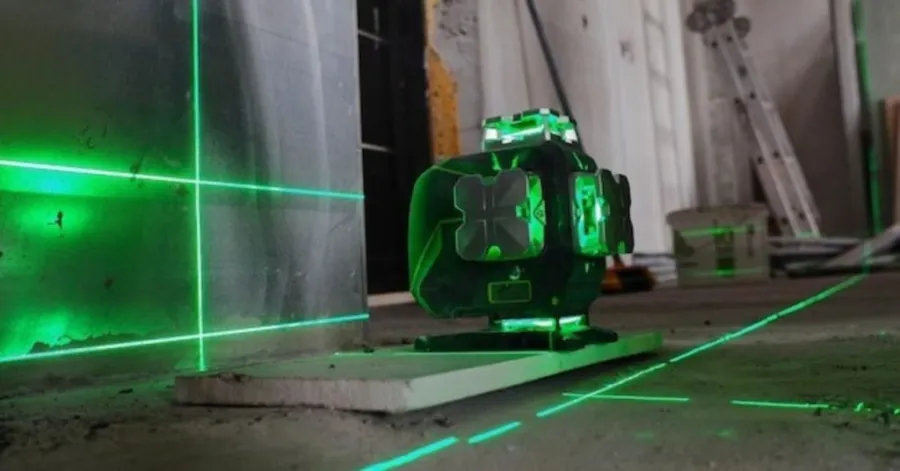
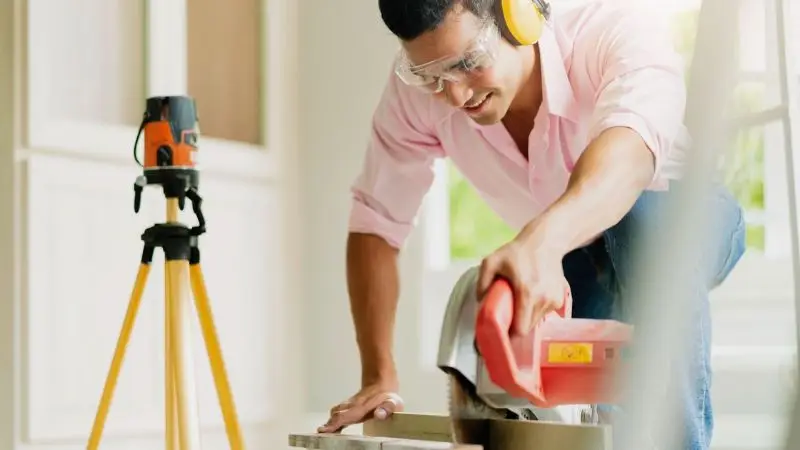
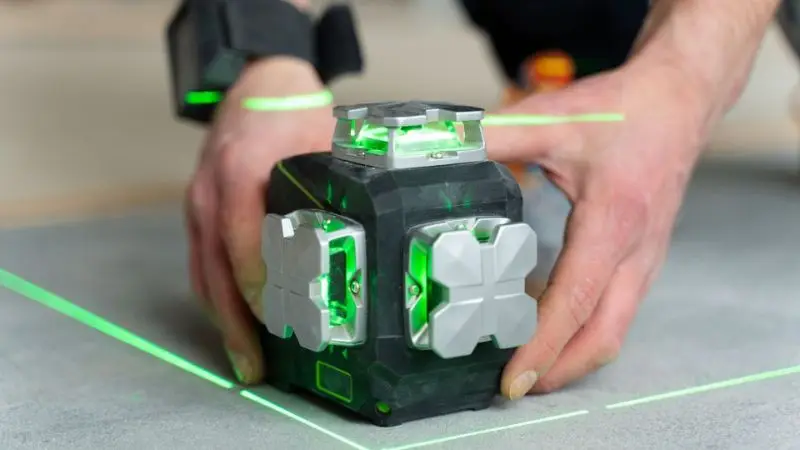
Laser levels and bubble levels provide greater accuracy. Bubble levels are good for small projects. Laser levels are useful for large areas and when you want to grade the ground perfectly. The laser will show you exactly where more soil is needed. Laser levels are used by many professionals for large grading projects.
Shovels, Hoes, and Soil Spreaders
For moving soil, you need a shovel and a hoe. These tools are used to break up dirt, fill in holes, and dig. Spreaders cover large areas quickly. These tools are used for all types of grading – from fixing low areas to preparing for new grass.
Leveling Bars and Grading Rakes
Special ground leveling tools include grading rakes and leveling bars. These tools help you to finish grading the surface and achieve a smooth one. Drag them over the soil to level out high and low areas. These tools are best used for the last step of grading.
Remember: The best tools for grading the ground will make it easier and produce better results. Test out different tools and see which one works best in your yard.
Advanced Ground Leveling Tools for Precision Work

You may need to use more advanced tools for ground leveling if you want your lawn to look its best. These tools are great for creating a flat, smooth surface. They’re especially useful when working on large projects or if you need to grade very precisely. We’ll look at the best tools for serious grading
Rotary Laser Level Systems
A laser level that rotates around the ground can be used to measure heights over large areas. The laser spins around to create a line of leveling all over your yard. Grading is much easier with this tool because you can see where to add soil or remove it. A rotary laser level is the perfect tool to use if you are trying different types of grading. For example, you can create a flat area for a patio or slant it for drainage.
Use safety glasses to protect your eyes when using laser tools.
Plate Compactors
You need to ensure that the soil is solid after you have finished grading. The soil is compacted by a plate compactor so that it doesn’t move later. The machine vibrates as you walk behind it, packing the dirt tightly. This step is crucial for any grading project, but especially if you intend to build over the area.
Motorized Graders and Skid Steers
You might rent a motorized grader or skid steer for really large grading projects. These machines can move large amounts of soil quickly. Use them to prepare new driveways, correct slopes, or shape your yard. These tools are great for all kinds of grading, from rough shaping to fine finishing.
Soil Sifters and Dirt Screeners
You may need to remove debris or rocks before grading. You can clean soil with dirt screens and soil sifters. The machine shakes the large pieces out of the dirt. The soil is cleaner, which makes the grading process easier and encourages grass or plants to grow.
It is important to remember that advanced tools can make grading more accurate and faster. You’ll always get the best results if you choose the right tool.
How to Choose the Right Ground Leveling Tools

Factors to Consider—Soil Type, Project Size, and Budget
Take a look at your yard before you begin grading. The type of soil is important. Clay soil can be difficult to move. You may only need a rake or a shovel if you are leveling a small space, such as your lawn. You may need more sophisticated tools for a large project. Budget is also a major factor. If you need them only once, renting a laser level or plate compactor can be a cost-effective option.
Check for bumps and dips by walking around your yard. You can then decide what tools you will need to grade your yard. Some cheap soil leveling tools for the backyard are viable options.
Manual vs. Powered Tools: Which Is Better for Your Job?
Manual ground leveling tools for small areas are great for working or if you need to level out an uneven lawn. Rakes, hoes, and hand levels allow you to control the grading in small steps. Power tools like plate compactors and skid steers are great for large areas or difficult soil. Power tools are a great way to quickly level your yard. They save you time and energy. Before you make a decision, consider your strength and the amount of time available.
| Tool Type | Best For | Example Use |
| Manual | Small projects | Level your lawn |
| Powered | Large projects | Grading for patios |
Must-Have Features to Look For
Look for tools with sturdy handles and parts when selecting tools for grading. If you are planning to work long hours, comfort grips will help. Check for clear instructions and easy setup when purchasing laser levels. Certain tools are better suited for certain types of grading, like smoothing out bumps or spreading soil. Start with basic tools to learn to level your lawn, and then add more.
The right tools will make grading much easier, and you’ll get the desired results. With confidence, you can easily level your lawn and tackle larger projects.
Step-by-Step: How to Level Ground Using the Right Tools
Preparing the Area
Walk around your garden. Look for areas that require grading. Remove all furniture, plants, and toys from the area. Mark the edges of the area with string or stakes so that you know where to start. This helps you plan your project and see the entire space.
Tip: Take some photos before you start. Compare them to your finished yard.
Removing Excess Soil and Debris
Pick up old roots, rocks, and sticks. Scoop out excess soil in high places with a shovel. Pull out weeds if you see them. The removal of debris will make grading much easier, and you’ll get a more even surface. Before you level your lawn, make sure the soil is clean.
Using Rakes and Levels for Rough Grading
Grab your landscaping rake. Spread the soil over the entire area. Dirt from high points should be pushed into low areas. Check your progress using a string level or hand level. Check often and move slowly. This rough grading stage sets the foundation for a level yard.
- Rake straight lines to ensure even grading.
- Every few feet, check your level.
- Fill dips with additional soil.
Compacting and Checking for Low Spots
Use a plate-compactor or stomp on the soil using your boots. The compacted soil will stay in place and can support grass or patios. Walk around to check for low areas after compacting. If you find low spots, add more soil. Continue grading the soil and compacting it until you feel it is firm.
Final Grading Tips for a Smooth Finish
Finish the job by dragging an edging rake over the surface. Fill in small holes and smooth out bumps. Use your level to check one final time. To help the soil settle, lightly water the area. You’re now ready to start your project or plant grass!
Grading requires patience. You’re getting closer to the yard you want with each step.
Common Mistakes When Leveling Ground (and How to Avoid Them)
It’s easy to make mistakes when you begin grading your lawn. This can result in an uneven lawn or worse problems down the road. Here are some of the most common problems and how to avoid them.
Skipping Soil Compaction
Most people forget to compact soil after grading. You might end up with uneven settlement if you don’t do this. Your hard work could be ruined by bumps and dips. Use a plate compactor to compact the soil or use your boots to stomp it down. This will help the soil stay firm, and support grass or any other building you may build on top.
Tip: Compact the soil after each round of grading. This will give you a more even finish.
Using the Wrong Tool for the Job
It’s a myth that any tool can be used for grading. It takes a long time to use a small rake on a large area. You can get frustrated and tired trying to level your yard with a shovel. Choose the correct tool based on your project’s size and soil type. Rent a skid steer or a grading tool for large areas. A hand rake is perfect for small repairs.
- Choose the right tool for the job.
- For large projects or soils with a high degree of difficulty, use advanced tools.
- Test out different grading tools and see which one works best.
Ignoring Proper Drainage Requirements
Water can collect in your yard if you do not plan drainage. This can lead to an uneven lawn with squishy spots. When grading, always check the slope. Water should flow away from your home and not collect in low spots. A healthy yard is maintained by good drainage.
Always remember: When you grade, consider where the water is going to go. Planning ahead can save you a lot later.
Avoiding these mistakes will help you create a level yard that lasts and looks beautiful. It takes time to grade, but the results will be worth it.
Best Ground Leveling Tools for Homeowners vs. Professionals
Recommended Tools for Small Yard Projects
You need to level out an uneven yard or fix it for a new lawn. No fancy machine is needed. With a few simple tools, you can achieve great results. Here are some of the best tools for homeowners.
- Landscape rake – This tool helps to grade and spread soil. You can fill in dips and smooth out bumps.
- You can check your work with these tools. This tool will help you determine if the soil in your yard needs to be added to or if it is too flat.
- Shovel: A shovel is needed to move dirt and remove rocks. This is a good tool for small grading tasks.
Spreader for soil: Use this tool to cover a large surface with topsoil. It is possible to fix an uneven lawn more quickly.
Rent a plate compactor. This tool compacts the soil and prevents future bumps.
Do not buy everything all at once. Start with the basics. As you become more comfortable, you can add other tools.
Recommended Tools for Large-Scale Construction Work
If you plan a big project, you need stronger tools. Large grading jobs need power and speed. Professionals use machines to save time and energy. Here are some tools you might see on a big site:
| Tool | What It Does |
| Skid steer | Moves large amounts of soil fast |
| Motorized grader | Shapes and smooths big areas |
| Rotary laser level | Checks grading over long distances |
| Plate compactor | Packs soil for a firm base |
| Dirt screener | Removes rocks and debris |
Rent these tools to complete a large-scale grading job. This will help you finish the project faster and with a better result. These machines will help you to avoid uneven lawns, even on hard soil.
Remember to always follow safety guidelines when using heavy equipment. If you’re not sure about how to use an item, ask for help.
Choose the correct tools for the size of your yard and your project. This will help you grade more efficiently and achieve better results.
Maintenance Tips for Your Ground Leveling Tools
Taking care of your ground leveling tools helps you get the best results every time you work in your yard. If you keep your tools clean and in good shape, you save money and avoid frustration. Let’s look at some easy ways to keep your tools working well.
Cleaning and Storage Practices
After each use, you should clean your tools. Dirt and moisture may cause rusting or damage. Remove soil with a brush from rakes and shovels. Metal parts should be cleaned with a clean, dry cloth. If you notice any mud on your tools, rinse them with water and allow them to dry.
Keep your tools dry. Hang shovels and rakes on hooks. Keep your laser device and levels in their cases. When you store tools outdoors, they may rust or even break. For storage, a shed or garage is best.
Spray some oil on the metal parts of your bike before you store it for the winter. This will keep rust at bay.
Calibration Tips for Levels and Lasers
Lasers and levels must be accurate. Check them each time before you start a project. Check that the bubble is in the middle by placing your bubble level flat on a surface. If not, you can adjust or replace the bubble level. Follow the instructions provided in the manual for laser levels. To ensure that the laser works, test it on a flat surface.
| Tool | How to Check Accuracy |
| Bubble Level | Place on a flat board, check the bubble |
| Laser Level | Test on flat ground, follow the manual |
When to Repair or Replace a Tool
Some tools wear out or break. Fix any cracks in the handle or bends on metal parts as soon as possible. Replace handles or tighten loose screw. It’s time to replace a tool that keeps breaking or isn’t working well. Your job can be made more difficult by using old or damaged tools.
Good tools will help you to work faster and more safely. Check your tools each time you start a new project.
Conclusion
There are many options when it comes down to the ground leveling tools you can use. Consider what you will need after taking a look at your garden. Compare different tools before you decide. You can achieve great results by selecting the right tool. Do not be afraid to begin your project. When you see how beautiful your yard looks, you’ll be proud!
Consider your lawn’s needs and compare the tools to find the right fit. Confidence is key to taking action
FAQ
What is the easiest tool for leveling a small yard?
You can use a landscaping rake for most small yards. It spreads soil and smooths bumps. If you want to check your work, try a hand level or a string level. These tools are simple and easy to use.
Can I level my yard without power tools?
Yes, you can! Manual tools like rakes, shovels, and hoes work well for most home projects. You might need a little more time and effort, but you can still get great results.
How do I know if my ground is level?
Place a bubble level on a long board. Lay the board across the soil. If the bubble sits in the center, your ground is level. You can also use a string level for larger areas.
Should I rent or buy ground leveling tools?
If you plan to level your yard once, renting saves money.
If you want to tackle more projects, buying makes sense.
Ask your local hardware store about rental options.
What should I do if my yard keeps getting uneven?
- Check for drainage problems.
- Compact the soil after grading.
- Fill low spots with fresh soil.
- Plant grass or ground cover to hold soil in place.
If problems continue, you may need professional help.