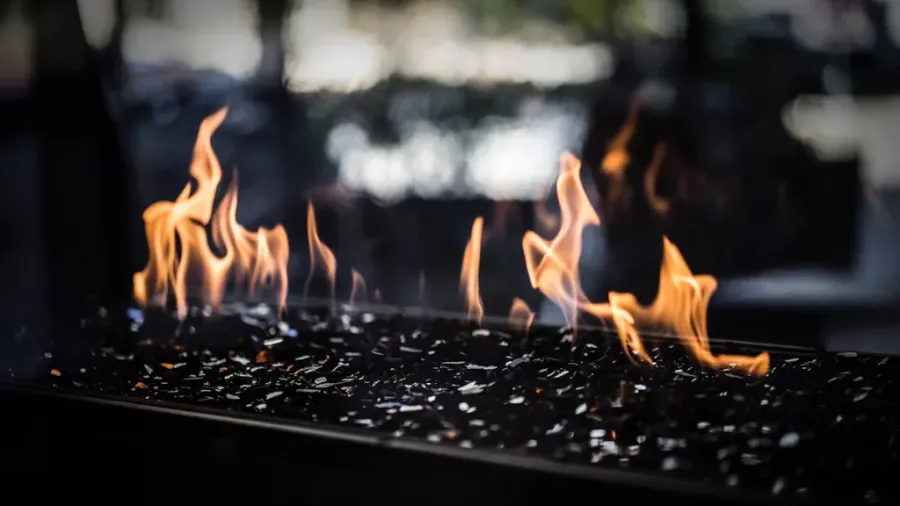
Who doesn’t love a good fire pit? These add-ons to the house bring value to your living standard and improve your outdoor ambience. If you live in a colder area, this is even more important to get. But when it comes to fire pits, there’s a question: what should you get? Gas vs wood fire pit?
In this article, we’ll help explore the differences between gas and wood fire pits, comparing the convenience, cost, ease of use and many more. Let’s get started.
Types of Fuel
Gas Fire Pits
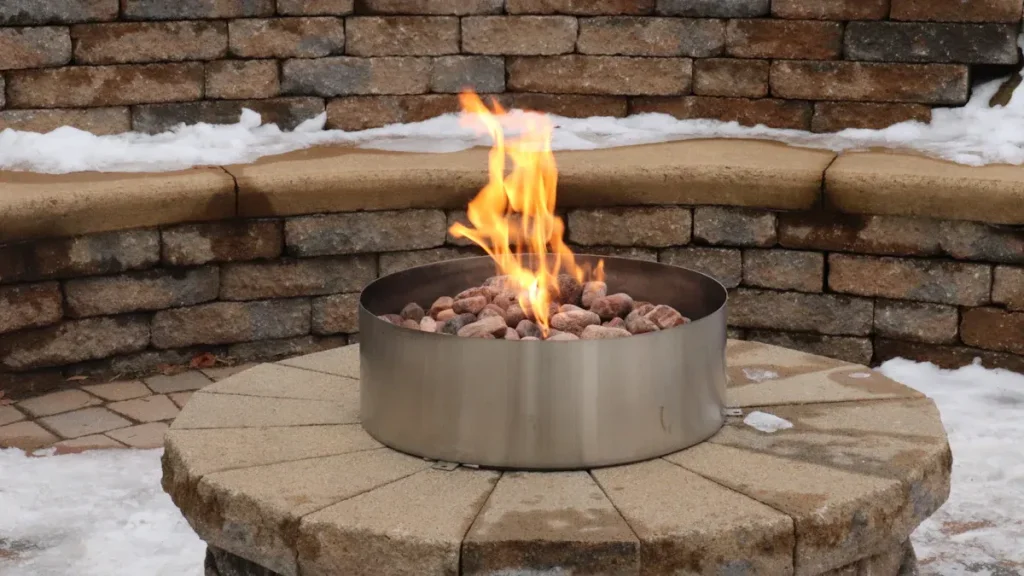
Gas fire pits use natural gas or propane as fuel. You can start them with the push of a button, which makes them very easy to use. You do not need to gather wood or worry about smoke. You only need to wipe them down from time to time.
Many people like gas fire pits because they offer precise heat control and can run for many hours on a single tank. The cost to install a gas fire pit is usually higher at first, since you may need a professional to set up a gas line.
However, the ongoing fuel cost is stable and often lower than buying firewood. Gas fire pits are also safer, as there are no flying sparks or embers.
Tip: Gas fire pits come in many designs and sizes, so you can find one that fits your space and budget.
Wood Fire Pits
Wood fire pits use logs or wood as fuel. You need to build and light the fire yourself, which some people find fun and rewarding. They can produce more heat than gas fire pits, making them popular in colder regions.
However, you must clean out ash and soot after each use. You also need to store dry wood and keep it safe from rain. Wood fire pits cost less to install, but you will spend more over time on firewood. Burning wood releases more smoke and fine particles into the air, which can affect air quality and health.
- In colder areas, about 70% of homeowners prefer wood fire pits for their warmth and traditional feel.
- In rainy climates, people choose durable materials like stainless steel to protect their fire pits.
Maintenance
Cleaning
When you use a gas fire pit, you spend less time cleaning. Gas fire pits do not create soot, ash, or creosote. You only need to wipe the surface and check the burner once a month. This makes gas fire pits a great choice if you want a low-maintenance option.
In contrast, wood fire pits produce ash and soot every time you burn wood. You must remove the ash after each use and clean the grate often. If you skip this step, ash and creosote can build up and make your fire pit less safe. Gas fire pits keep your hands cleaner and your backyard tidier.
Tip: Regular cleaning helps both types of fire pits last longer and work better.
Durability
The materials you choose for your fire pit affect how long it will last. Here is a quick look at the average lifespan of common fire pit materials and how maintenance impacts them:
| Material | Average Lifespan (years) | Maintenance Impact |
| Stainless Steel | 12-15 | Good care adds 3-5 years; screens last over twice as long with regular cleaning |
| Cast Iron | 8-10 | Needs enamel sealant; weekly checks cut fire hazards by 67% |
| Copper | 20+ | Wax protection and seasonal storage add 5-7 years |
Accessibility
Gas fire pits offer easier maintenance routines. You only need to clean the surface and check the burner monthly. An annual professional inspection keeps the gas lines safe. Wood fire pits need more attention. You must remove ash after every use and check for creosote buildup.
Weatherproofing and storing your fire pit during harsh seasons help both types last longer. Gas fire pits resist weather and residue better, so you spend less time on upkeep. If you want a fire pit that is simple to care for, gas is the easier choice. Wood fire pits give you a classic feel but require more work to keep them in top shape.
Materials Needed
Gas Fire Pit Essentials
When you choose a gas fire pit, you need a few specific materials to get started. Most gas fire pits require a burner, a gas line or propane tank, a fire pit pan, and lava rocks or fire glass. You also need a sturdy frame or enclosure, often made from steel or stone.
Many gas fire pits come with a push-button ignition system, which makes lighting the fire quick and easy. If you want a permanent setup, you may need a professional to install a natural gas line.
Portable models use propane tanks, which you can replace or refill as needed. Gas fire pits often include safety features, such as flame control knobs and automatic shut-off valves.
Tip: Always check that your gas fire pit meets local safety codes before installation.
Wood Fire Pit Essentials
For a wood fire pit, you need a fire pit bowl or ring, a grate for holding logs, and a spark screen for safety. The VEVOR Fire Pit Ring stands out as a reliable choice; its heavy-duty carbon steel liner works for both above-ground and in-ground wood fire pits.
It resists high temperatures, rust, and wear, so you can use it for many years. The VEVOR Fire Pit Ring is easy to assemble, even if you are new to DIY projects. Its large size gives you plenty of space for firewood and helps air flow, making your fire burn better.
Accessories
Both gas and wood fire pits benefit from the right accessories. Gas fire pits often include remote ignition systems, weatherproof covers, and glass wind guards. These features add convenience and safety but can increase the overall cost.
Wood fire pits use tools like pokers, tongs, and ash shovels. You may also want a log rack for storing firewood. The table below compares the accessory needs for each type:
| Accessory Type | Gas Fire Pit | Wood Fire Pit |
| Ignition System | Push-button or remote | Manual (matches or lighter) |
| Safety Features | Flame control, shut-off valves | Spark screen, fire extinguisher |
| Cleaning Tools | Minimal (cover, brush) | Ash shovel, brush, log tongs |
| Storage | Propane tank holder, cover | Log rack, weatherproof cover |
Gas fire pits usually cost more at first, but their accessories focus on ease of use and safety. Wood fire pits have simpler needs, but you spend more time on cleaning and fuel storage.
Choose the setup that matches your lifestyle and how much effort you want to put into maintenance.
Safety
Fire Hazards
When you compare gas and wood fire pits, you see different risks. Wood fire pits create sparks and embers. These can start fires if you place the pit too close to your house or trees. Gas fire pits do not make sparks, but leaks or faulty connections can cause gas buildup.
The USFA and FEMA recommend keeping any fire pit at least 10 feet away from your home or anything flammable. Wood fire pits need extra care because wind can blow embers far from the pit. Gas fire pits offer more control, but you should never leave them unattended.
Tip: Always supervise children and pets around any fire pit. Use a metal screen on wood fire pits to stop sparks from escaping.
Local Regulations
Local rules help keep you and your neighbors safe. Many cities have laws about where you can place a fire pit and what fuel you can burn. Some areas ban wood fires on days with poor air quality.
The EPA Burn Wise program says you should only burn seasoned, dry wood. This reduces smoke and helps protect people with asthma or other breathing problems. Gas fire pits often meet local codes more easily because they produce less smoke.
Still, you must check your city’s rules before installing any fire pit. Many new fire pits now include safety features to help you follow these laws.
Safe Use
You can enjoy your fire pit safely by following a few simple steps. Place your fire pit on a flat, non-flammable surface. Keep it at least 10 feet from buildings, fences, and trees.
The USFA suggests using a metal screen for wood fire pits and always putting out the fire before you leave. For gas fire pits, check all connections and hoses before each use. Never use your fire pit on windy days.
Tip: Always have water or a fire extinguisher nearby. These habits lower the risk of accidents and help you enjoy your fire pit with peace of mind.
Experience
Ambiance
When you choose a fire pit, you want to create a special mood in your backyard. Gas fire pits give you a modern and clean look. You can control the size of the fire with a knob. This makes it easy to set the mood for a quiet evening or a lively party. Gas fire pits do not make smoke so you can enjoy your little gathering in peace.
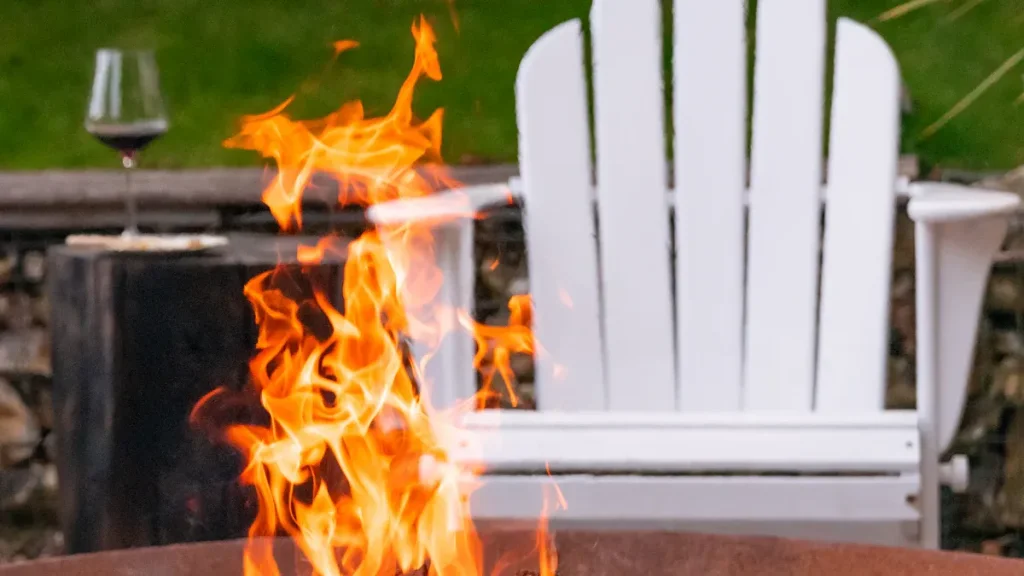
Wood fire pits create a classic, rustic feel. The fire dances and flickers in different shapes. You see glowing embers and sparks. If you want a campfire vibe, a wood fire pit gives you that.
Tip: If you want a smoke-free evening, pick gas. If you want a traditional campfire, pick wood.
Heat Output
Heat matters when you gather outside on cool nights. Gas fire pits give you steady, even warmth. You can adjust the heat level with a simple turn. This helps you stay comfortable without getting too hot.
Wood fire pits produce more heat. The flames get bigger and hotter as you add more logs. This makes wood fire pits better for very cold weather. You cannot control the heat as easily, but you feel the strong warmth right away.
Sound and Scent
The sounds and smells of a fire pit add to your experience. You hear only a gentle hiss from the burner. There is no smoke or strong smell, perfect for a clean and peaceful environment.
Wood fire pits fill the air with the crackle of burning logs. You hear pops and snaps as the wood burns. Many people find this smell relaxing and nostalgic. If you enjoy the sounds and scents of a real fire, wood is the better choice.
Suitability
Small Spaces
If you have a small patio or balcony, you want a fire pit that fits without crowding your space. Gas fire pits work well in compact areas. You can find tabletop or portable models that use propane. These fire pits start quickly and do not make smoke, so you can enjoy warmth even in close quarters.
Gas fire pits also keep your area clean, since they do not leave ash or soot behind. Wood fire pits can fit in small spaces, but you need to think about safety. Burning wood creates sparks and smoke, which may bother neighbors or break local rules. You also need extra room for storing firewood.
Tip: Tabletop gas fire pits are popular for small patios and balconies because they blend style with practical warmth.
Large Areas
If you have a big backyard, you can choose a larger fire pit as a main feature. Both gas and wood fire pits can work well in open spaces. You can use it for cooking or as a year-round centerpiece.
Gas fire pits also suit large areas, especially if you want a clean, modern design. Material choices like stone or corten steel help your fire pit match your outdoor style.
Entertaining
When you host friends or family, you want a fire pit that makes gatherings special. Gas fire pits shine for entertaining. You can light them instantly, adjust the flame, and keep the area smoke-free.
This means guests stay comfortable and you spend less time tending the fire. Wood fire pits create a classic campfire feel with crackling sounds and real flames. Many people love the smell and look of burning wood, but you need to manage the fire and clean up ash.
Gas fire pits work best if you want easy, quick fun. Wood fire pits suit those who enjoy tradition and do not mind extra work.
Gas vs Wood Fire Pit: Which to Choose?
Picking a gas or wood fire pit depends on what you want most. Each type has its own good points and fits different ways people live. To help you choose, look at these main things side by side:
| Feature | Gas Fire Pits | Wood Fire Pits |
| Convenience | Easy ignition, temperature control, no need to feed wood | Requires feeding wood, more hands-on tending |
| Environmental | Clean burning, fewer fire hazards, less smoke and particulate emissions | Produces smoke, sparks, and particulate emissions, larger environmental footprint |
| Heat Output | Moderate, adjustable heat output | Higher heat output, suitable for cooking and warmth |
| Maintenance | Minimal, no ash cleanup | Requires ash removal and firewood storage |
| Safety | Safer with controlled flames, no flying sparks | Greater fire hazard due to sparks and smoke, requires safety precautions |
| Installation | Higher initial cost, may require gas line or propane tank | Lower installation cost, no plumbing needed |
| Ambiance | Modern, clean flame, no smoke | Traditional, rustic ambiance with crackling wood aroma |
| Cost | Higher fuel and installation costs | Lower fuel cost, wood is often cheaper and readily available |
A gas fire pit is great if you want quick heat and easy use. It keeps your backyard clean and is simple to turn on. Gas fire pits are good for cities or places with strict fire rules.
They burn clean, make almost no smoke, and need little cleaning. These things make gas fire pits perfect for busy families or anyone who wants less work.
Wood fire pits give you a classic campfire feeling. They are fun for roasting hot dogs or marshmallows and for big groups. Wood fire pits cost less to set up and use wood, which is easy to find in many places. But you have to clean out ashes, store wood, and follow safety steps to stop accidents.
Why Choose VEVOR for Your Fire Pit?
No matter which one you pick, VEVOR has fire pits you can trust.
The VEVOR Smokeless Fire Pit Stove uses strong stainless steel and carbon steel. It handles high heat and bad weather, so it lasts for years. The double-layer design helps fires start fast and burn well, giving more heat with less smoke.
Safety parts like a clear gauge and strong foot pads keep your fire pit steady and safe. Cleaning is simple with a pull-out ashtray, and tools like a fire poker make it easy to tend the fire.
For cooking, the VEVOR X-Marks Fire Pit Grill Grate holds heavy food and high heat. Its folding shape and handles make it easy to use and store.
When you think about gas vs wood fire pits, focus on what matters most—easy use, tradition, safety, or price. With VEVOR, you know your fire pit will last and work well, no matter which one you choose.
FAQ
What is easier to install: a gas or wood fire pit?
You will find wood fire pits easier to install. You can set them up with basic tools. Gas fire pits often need a professional for gas line installation. This makes the process more complex and sometimes more expensive.
Which fire pit is safer for families with children?
Gas fire pits offer more safety for families. You control the flame with a switch. There are no sparks or flying embers. Wood fire pits create more risk because of open flames, hot ash, and unpredictable sparks.
Can you cook food on both gas and wood fire pits?
You can cook on both types, but wood fire pits work better for roasting marshmallows or grilling. Gas fire pits allow some cooking, but you must use accessories designed for gas. Always check the manufacturer’s guidelines before cooking.
Do gas or wood fire pits work better in small spaces?
Gas fire pits work better in small spaces. They produce close to no smoke as well as need less clearance. You can use them on patios or balconies. Wood fire pits need more space for safety and can bother neighbors with smoke.
Conclusion
As you have observed, the choices of wood and gas fire pits serve distinct purposes. Gas fire pits are simple to operate and require little upkeep. Wood fire pits provide a robust heat and a timeless feel.
Consider the most important factors: cost, convenience, atmosphere, upkeep, or safety. You may choose from dependable fire pit items from VEVOR. Look through VEVOR’s selection to locate the ideal fire pit for your area.