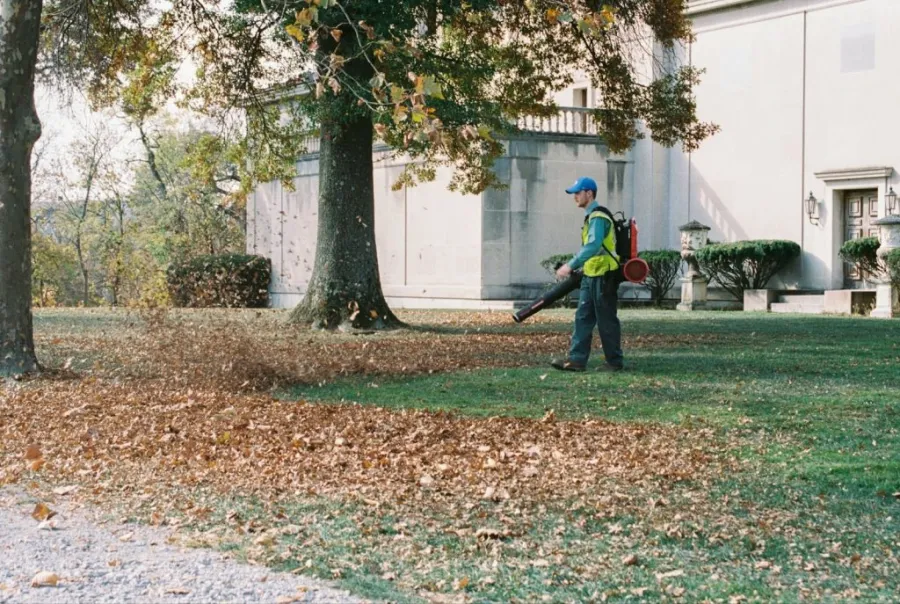
If you’ve got leaves taking over your yard like they just pay rent, a gas leaf blower is honestly your best friend. It’s powerful, fast, and doesn’t quit halfway like some battery blowers do. Whether you have a huge lawn or just hate raking (same), this guide will help you pick the right gas blower and keep it running like a champ.
Benefits of using a gas leaf blower
A gas leaf blower is basically the “no-nonsense” tool of yard cleanups. If you want serious power and zero hassle, this is where gas blowers shine. Here’s why people love them.
Power and airflow for large yards
Gas blowers are monsters as far as power is concerned. You will like the good airing you will get with a large yard, or one that gathers all the leaves in the neighbourhood. Gas models blow leaves, sticks, acorns, and all without slackening. They are constructed for large yards where you require strength and not soft persuasion.
Freedom from cords and charging
No cords. No outlets. No lingering to wait till batteries are charged. The gas leaf blower is all about convenience. You do not need to drag a cable or change the batteries to walk anywhere in your property. It is the type of freedom that allows yard cleaning to seem less of a burden and more like you are using a mini jet engine.
Ideal for wet leaves and heavy debris
Wet leaves are the final test; the majority of blowers exhaust themselves at once. But gas blowers?
They rip through damp leaves, adhesive leaves, pine cones, and even piles of trash. When your yard becomes a wet leaf mess every autumn, a gas blower leaves you with no problem. It is the sturdy one when it comes to dirty, tough clean-up tasks.
Best gas leaf blower for large yards
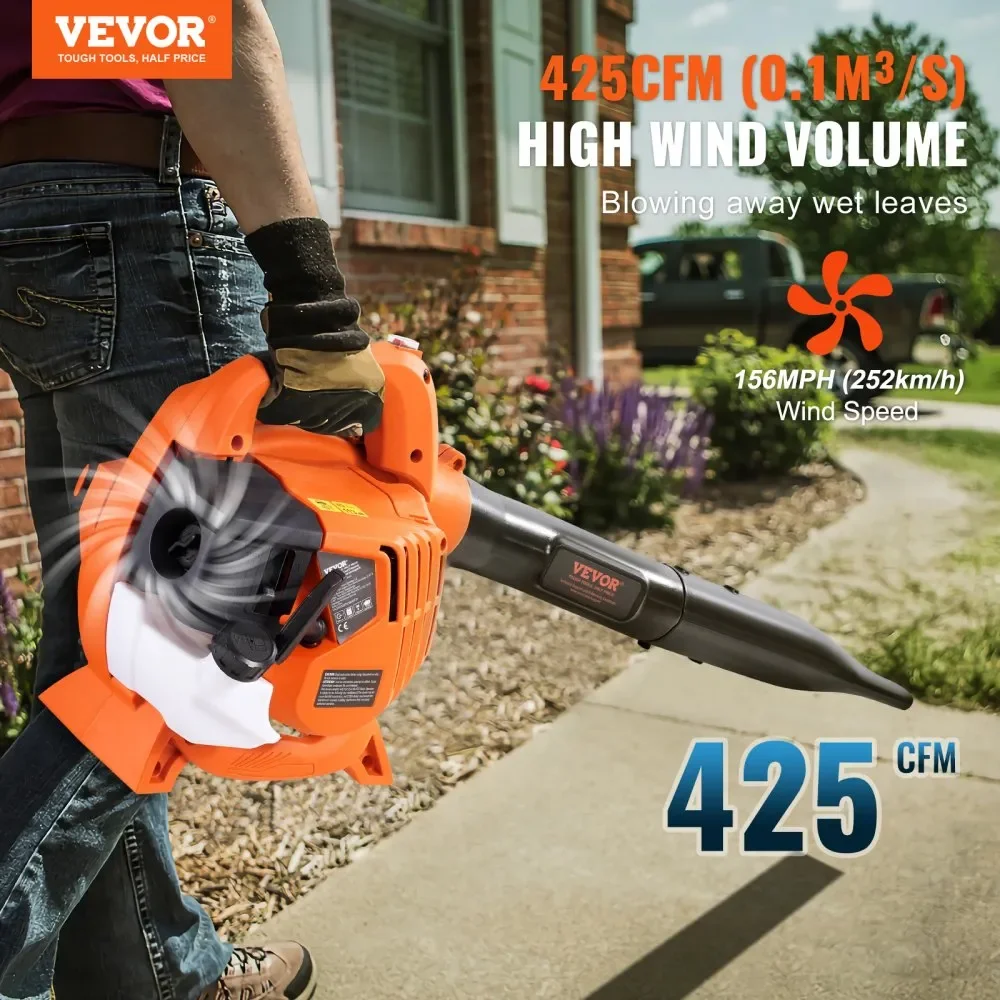
In case you have a large yard, you cannot just buy any blower. You must have one that is powerful, dependable, and will not leave your arms numb. This is what is important when deciding on the optimal gas leaf blower to use in large yards.
High power output
Greater power equals less time washing. The gas leaf blower has a high output that allows it to clear large areas in a single run, and this fact makes a big difference when you have a large lawn. Seek high CFM (airflow) and MPH (air speed). Big yards like big power–that is all.
Comfortable handling
You’re going to be holding this thing for a while, so comfort matters. Look for a handheld gas leaf blower that’s lightweight with good balance and a comfy grip. Bonus points for anti-vibration handles. The less your hands buzz, the longer you can work without feeling like you’re holding a rocket launcher.
Fuel efficiency
It is no fun having a gas blower that drinks fuel like it is thirsty. Choose those models that have efficient fuel consumption to enable you to clean longer without having to fill up the tank all the time. The newer gas blowers, even those of VEVOR, are surprisingly fuel-saving and will still provide you with tons of power.
Noise and vibration considerations
Gas blowers are strong and, as such, they may become loud. Find models that have noise noise-damping design and vibration-damping.
It makes you feel more at ease, and the neighbors do not give you that look. And, with reduced vibration, there is also increased long-term durability of the blower and yourself.
Handheld gas leaf blowers vs backpack models
Choosing between a handheld or backpack gas leaf blower really depends on how big your yard is and how long you plan to be out there blasting leaves around. Here’s the chill breakdown.
When to choose a handheld one?
Go handheld if you want something light, easy to maneuver, and perfect for quick cleanups. A handheld gas leaf blower is great for patios, driveways, smaller lawns, and people who don’t want to carry extra weight. It’s basically the “grab it and go” option, super convenient and surprisingly powerful for everyday yard work.
When to choose a backpack one?
Backpack blowers are the heavy hitters. Choose one if you’ve got a big yard, lots of trees, or the kind of leaf situation that makes you question your life choices. Backpack models have stronger airflow, better endurance, and take the weight off your arms by putting it on your back. Perfect for long, intense cleanup sessions.
Key features to look for in a gas leaf blower
Not all gas blowers are created equal. If you want a smooth, powerful, and hassle-free experience, here’s what you should look for in a gas leaf blower.
Variable speed control
A gas leaf blower with variable speed control gives you way more control. Full blast for the open yard, low speed around flower beds, walkways, or gravel so you don’t accidentally launch rocks at your neighbor’s window. It’s one of those features you don’t realize you need until you have it.
Lightweight design
Weight matters, especially if you’ll be using your blower for long stretches. A lightweight design makes the whole experience easier on your arms, shoulders, and patience. Even powerful gas blowers come in lighter builds now, so you don’t have to pick between strength and comfort.
Anti-vibration handles
Gas blowers vibrate… a lot. Anti-vibration handles help keep your hands from feeling like they’re buzzing for an hour afterward. They make a huge difference in comfort, especially with stronger models. If you plan to use your blower often, this is a must-have feature.
Easy-start engine systems
No one wants to pull the cord ten times like they’re starting a lawnmower from 1992. Easy-start engines make firing up your gas blower quick and painless. One or two pulls and you’re ready to send those leaves flying. It’s one of the most underrated features for stress-free yard work.
How to maintain a gas-powered leaf blower
Wish your blower to last years? Maintaining a little gas leaf blower is a long way. Here is the cold, painless way of maintaining your machine at its best.
Cleaning and inspecting the air filter
The lungs of the blower are your air filter, and when they are clogged, nothing is right. Wipe it down with a soft cloth and clean it or change it when dirty. A clean air filter enhances power, eliminates overheating, and keeps your gas blower running efficiently. It is the least amount of maintenance you will ever do.
Fuel mix and storage
The majority of gas blowers require a certain fuel and oil mixture. Make a mistake, and the engine is hurt. Always add fresh fuel, never use old gas, and empty the tank when you are not going to use the blower. Correct fuel maintenance is a colossal distinction in engine existence (and your sanity).
Cleaning the carburetor
If your blower starts acting sluggish, the carburetor might need a quick clean. A little carb cleaner can work miracles. It clears out gunk, helps the blower start easier, and improves overall performance. Don’t worry, it’s way less scary than it sounds.
Inspecting spark plugs
Spark plugs are tiny but mighty. Check them for buildup or wear every so often. A cheap replacement can make your blower start faster and run smoother. Think of spark plugs as the “mood setters” for gas engines.
Seasonal maintenance checklist
At the end of each season, give your blower a quick spa day: clean the filter, empty the fuel, check screws, wipe the exterior, and store it somewhere dry. Doing this once a year keeps your gas-powered leaf blower ready for action.
Safety tips when using a gas leaf blower
A gas leaf blower is great; however, safety first, primarily because you do not want to run around picking up debris flying around or become deaf for no reason. This is what some of your smart, cool friends would remind you.
Hearing and eye protection
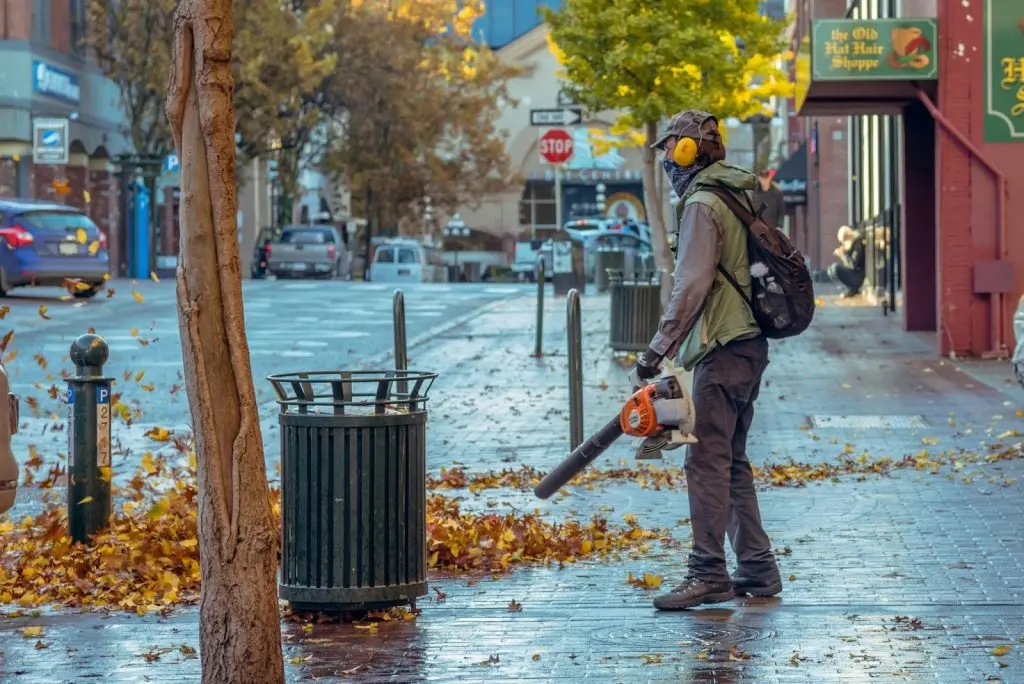
Gas blowers are noisy, and without ear protection, you will have two days of the ringing ear effect. And do put on your eye protection, little rocks and dry leaves are very good shooters. Sunglasses are not the solution; purchase real safety glasses.
Avoiding debris blowback
Never work against the wind, but with it. Otherwise, all you are cleaning up goes right back in your face. Point the nozzle downwards and work in gentle strokes. Believe me…this is the only thing that will get you out of chaos.
Best times to operate
Do not use your blower at night, at 7 a.m., unless you wish your neighbors to plot against your ruin. It is best in the late morning or early evening. Leaves are not wet, there is good visibility, and you are not going to start a neighborhood fight.
FAQs
Do gas leaf blowers outpower electric ones?
Yep, totally. The raw power and airflow of a gas leaf blower are significantly more than most of the electric models. When you have big yards, wet leaves, or stubborn stuff, then gas is the winner.
What is the life of a handheld gas leaf blower?
A handheld gas leaf blower can easily be used to last 5-8 years with basic care. Keep the air filter clean, use good fuel, and do not treat it like a baseball bat; you are golden.
Is it safe to use a gas-powered leaf blower by beginners?
Absolutely. A gas-powered leaf blower is user-friendly, provided you wear eye/ear protection and do not point it at animals, siblings, or your newly planted flower bed. Start slow, literally.
What fuel type should I use?
The majority of the gas blowers utilize a fuel/oil blend. You just need to use the ratio of your model and not use old leftover gasoline. New fuel = joyful engine + less “why won’t this start? moments.
Is it worth having variable speed control?
Oh, 100%. A gas leaf blower that has variable speed control enables you to change the blower from a tornado mode to a gentle breeze mode in a second. It is ideal in flower beds, walkways, or where accuracy is of importance.
Conclusion
A gas leaf blower is, in short, the superhero of yard tools, strong, reliable, and always willing to save you when you are drowning in a pile of leaves.
After understanding what you want to work on, how to keep it, and when to go with variable speed, yard cleanup can be much less irritating (and even enjoyable). And in case you ever require a good and cheap blower, VEVOR has some mighty blowers that will not disappoint