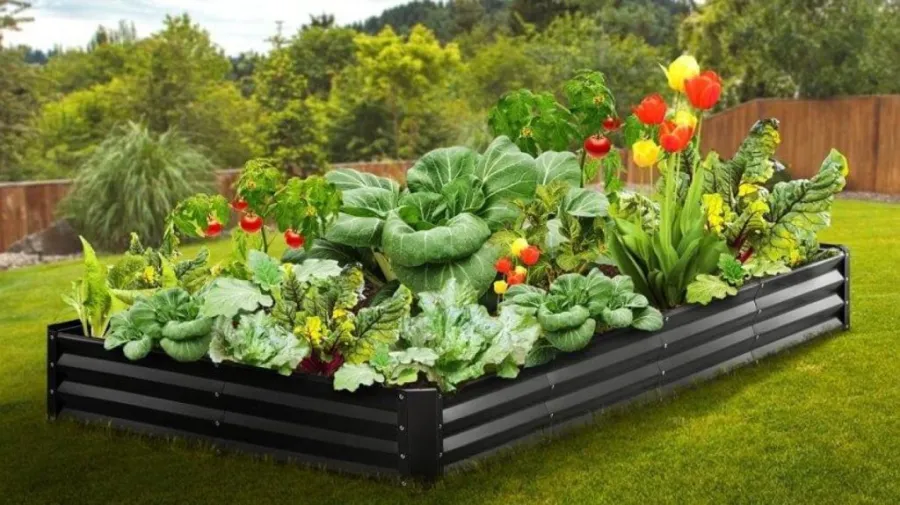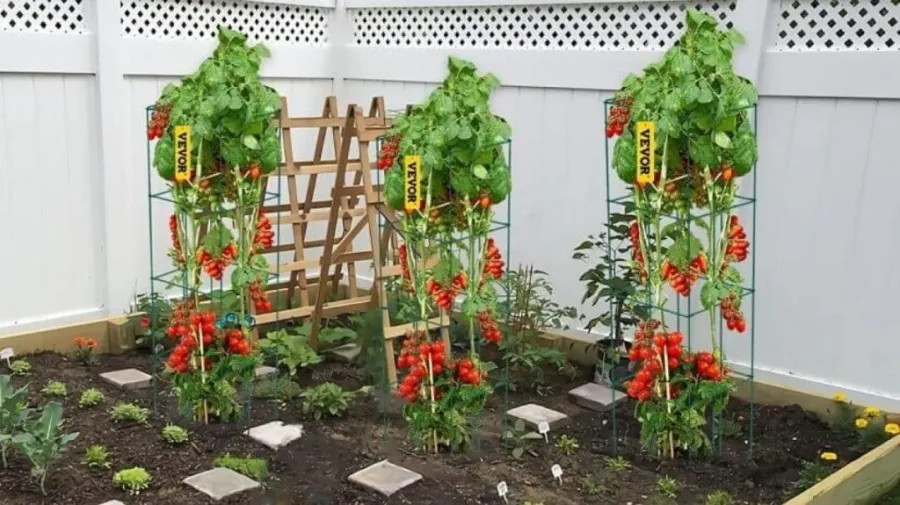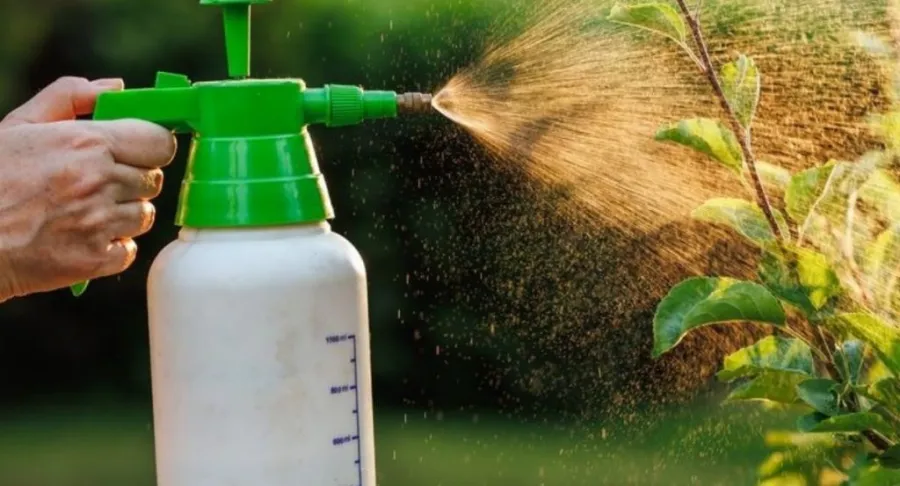
Suppose you are watching pests destroying your favorite plants. It’s a sign that your garden needs instant treatment. Pests leave noticeable signs and confirm their presence. There are holes in leaves and sticky spots on plants. To address this, select the right garden insect spray. Yes, you can prevent irreparable loss in your garden by applying treatments promptly. There are various insect sprayers, but always use the right one at the proper pressure.
Why Choosing the Right Garden Insect Spray Matters
Impact of Pests on Plant Health
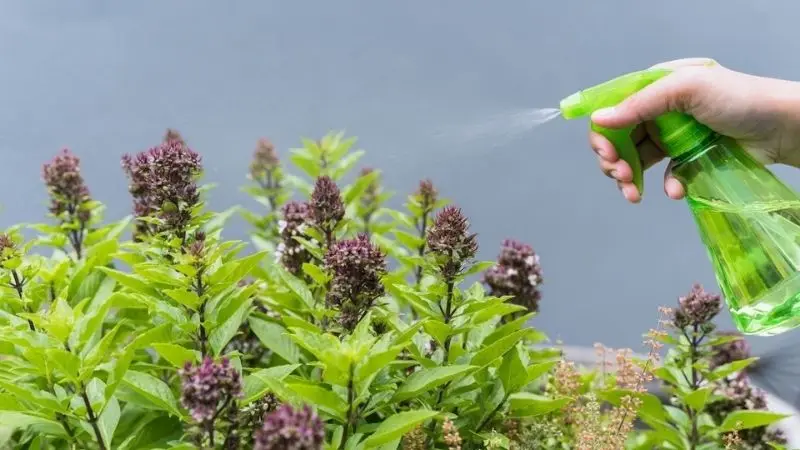
Pests are delitareous for your garden. It will completely destroy all the plants. The signs of pests in your garden are chewed leaves and yellow spots. The dry plants may also be signs of pests. Some pests spread diseases, so pests in a single plant can wipe out your garden.
Common Mistakes Gardeners Make When Selecting Sprays
Many gardeners grab the first spray they see at the store. This can lead to problems. You might pick a product that does not control your target pests. Some sprays can harm beneficial insects or even damage your plants. Others may not be safe for edible plants. Always choose an organic garden insect spray for flowers. You could also choose a pesticide that is too strong or not natural enough for your garden. Reading the label helps you avoid these mistakes. Always check if the spray works for your insect problem and matches your garden’s needs. Use a proper sprayer with perfect nozzles.
Benefits of Using the Correct Insect Spray
When you choose the best garden insect spray for vegetables, you get better results. The right insecticide targets pests without hurting your plants or the environment. You can find organic and natural sprays that keep your garden safe for pets and pollinators. The best insecticides offer long-lasting protection and make your gardening easier. You will see more blooms, healthier leaves, and a stronger harvest. Using the correct spray means you spend less time worrying and more time enjoying your garden’s beauty.
Types of Garden Insect Sprays
Chemical Insecticides – Pros and Cons
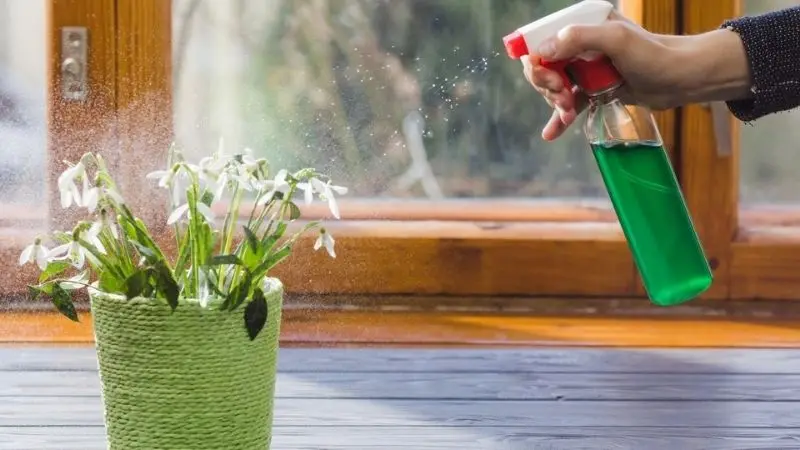
How to use garden insect spray effectively? You see many chemical sprays on store shelves. These sprays work fast and can eliminate pests. If you want strong protection for your garden, a chemical insecticide might help. You can use these sprays to control a wide range of insects. Some gardeners like the effectiveness of these products, especially when pests attack in large numbers.
But you need to stay careful. Chemical sprays can harm beneficial insects, pets, or even people if you do not follow the label instructions. Some chemicals remain on edible plants, so you must wait before harvesting. Always check for safe insect spray for kids and pets in the garden.
Organic and Natural Insect Sprays
Consider a safer tool option for spraying your garden. Organic and natural sprays use ingredients from plants or minerals. These sprays help protect your plants without adding harsh chemicals. Many gardeners use them to keep their gardens safe for kids, pets, and pollinators. You can find sprays with neem oil, insecticidal soap, or pyrethrin. These sprays are most effective when applied early, before pests take over. They may require multiple applications, but they provide peace of mind.
Systemic vs. Contact Sprays: What’s the Difference?
You can choose between systemic and contact sprays. Systemic sprays move inside the plant. When an insect eats the plant, it gets the insecticide. These sprays give long-lasting protection, but you must wait before eating any edible plants. Contact sprays work right away. You spray them on the insect, and they kill pests fast. These sprays do not last as long, but they provide quick control.
Key Factors to Consider When Choosing an Insect Spray
Plant Type and Sensitivity
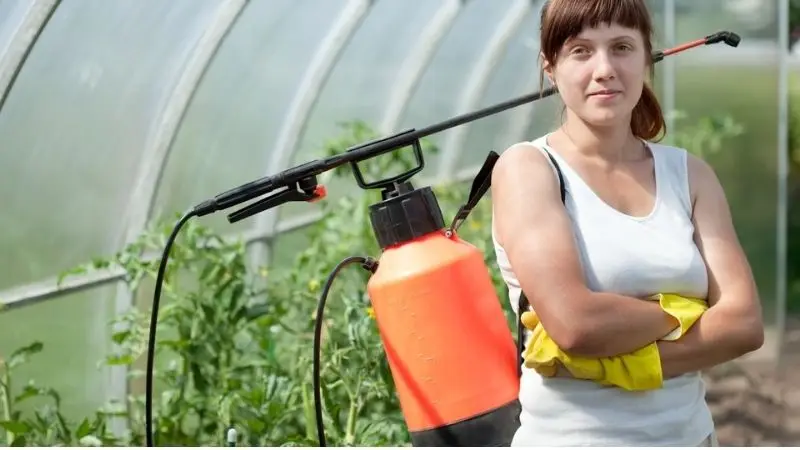
You want your plants to thrive, so you need to know what they can handle. Some plants react badly to strong chemicals. Others do well with a natural spray. If you grow edible plants, always check if the garden insect spray is safe for food crops. Look for labels that mention your specific plants. Keep in mind to carefully check the labels on the sprays. There are some warnings mentioned on sprays that show their sensitivity. Always choose the right spray for your plants. Otherwise, you will destroy your garden instead of protecting it.
Type of Pest You Want to Control
You must know you cant use a single insecticide for all the plants. The right way to find the best spray for your plant’s problems isto identify the insect that is causing damage. Now read the label of the spray you are using. If it is suitable for the insects in your garden, you can use it; otherwise, you have to find the right spray for your insect types, like aphids, beetles, and caterpillars. Others target pests such as mites or whiteflies. But if you notice multiple insects in your garden, you can use a spray suitable for a wide variety of insects.
Frequency of Application and Ease of Use
You want a spray that fits your routine. Some insect killers need frequent use, while others last longer. Check how often you need to apply the product. If you want less work, pick a spray with long-lasting effectiveness. Look for easy-to-use bottles or ready-to-spray options. The right insecticide makes pest control simple and keeps your plants healthy. You get better protection and more time to enjoy your garden.
How to Read and Understand Insect Spray Labels
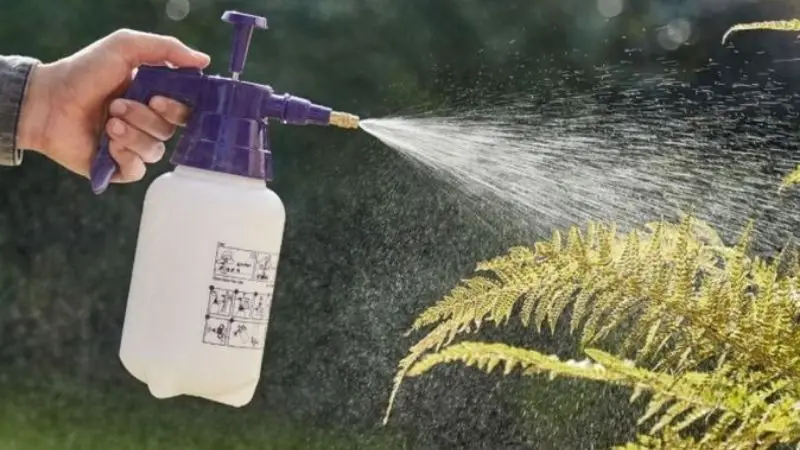
When you stand in the garden center, you see many bottles. Each garden insect spray label contains information. If you want the best results, you need to know what those words mean. Let’s break it down together.
Active Ingredients Explained
The active ingredient is the part of the product that fights pests. You might see names like pyrethrin, neem oil, or spinosad. Each one works differently. Some kill insects right away. Others stop them from growing or feeding. If you want a natural option, look for plant-based ingredients. Always check if the active ingredient will control your target pests. This helps you pick the right insecticide for your plants.
Dosage and Application Instructions
Never use any spray without knowing the right amount suitable for your garden or plant type. Always use an appropriate amount for your plant type. The correct amount is indicated on the spray labels. How to use the spray correctly? Some sprays can be used by spraying in all garden, but some are suitable for spraying only on the affected area.
Safety Precautions for Humans, Pets, and Pollinators
Safety matters in every garden. The label lists steps to protect you, your family, and pollinators. Wear gloves and wash your hands after using any pesticide. Keep pets and kids away until the spray dries. Some products are safer for bees and butterflies. If you want to protect beneficial insects, choose a pollinator-safe spray. Always store the product in a cool, dry place.
Tips for Effectively Using Garden Insect Sprays

Timing Your Application for Maximum Effectiveness
You want your spray to work its best. The right timing can make a big difference in protection. Apply insecticide early in the morning or late in the afternoon. The sun is not as strong, so your plants will not get burned. Many insects emerge when it is cooler, so you can reach more target pests. If rain is forecast, wait until the weather clears. Rain can wash away the product before it helps your garden. Always check the label for special instructions about timing.
Combining Sprays with Other Pest Control Methods
You do not have to rely on just one method. You can combine sprays with other pest-control methods. Pick off big bugs by hand if you see them. Use row covers to keep insects away from edible plants. Consider planting flowers that attract beneficial insects. These natural helpers eat harmful insects and boost your garden’s protection. Rotate your crops each year to confuse pests. When you combine methods, you get better effectiveness and keep your garden healthy.
Monitoring Your Plants for Results
Want to check your sprayer’s performance? Notice the date when you start spraying, and check the plants after a few days. You will see signs of whether the plants are recovering or continuing to be destroyed. If you see new holes or spots on your plants, it’s a sign that your sprayer is not working. You need to change the spray or increase the spraying frequency.
Conclusion
So, why wait? Save your favourite plants with simple steps. Now, you can enjoy the exotic, sensitive plants in your garden with a sensible decision. The main product to keep your plants healthy is the right spray. But the major mistake is to use a spray that is not suitable for your plant types. Keep in mind the safety of your plants and family members. Some sprays are sensitive for your pets and kids. Never use them.
FAQ
What is the safest way to apply garden insect spray?
You should wear gloves and long sleeves. Spray early in the morning or late afternoon. Keep children and pets away until the spray has dried. Always follow the label instructions for the best results.
Can I use insect spray on edible plants?
Yes, you can use many sprays on vegetables and fruits. Check the label to make sure the product is safe for edible plants. Wait the recommended time before you harvest.
How often should I reapply insect spray?
You may need to spray every 7 to 14 days. Some products last longer. Rain or heavy watering can wash sprays away. Always read the label for the best schedule.
Will insecticide harm bees or butterflies?
Some insecticides can hurt pollinators. Choose products labeled as safe for bees and butterflies. Spray when pollinators are less active, like early morning or evening.