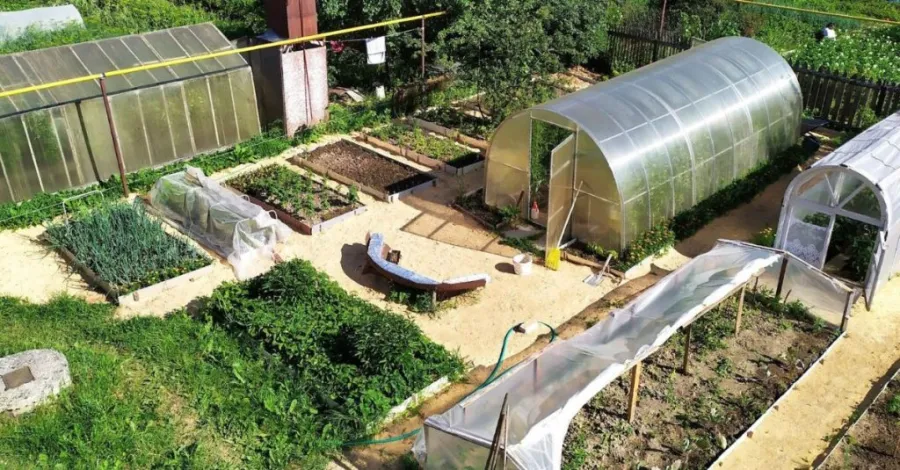
You can easily build a garden bed greenhouse using simple materials and tools. This small structure helps you start growing plants earlier in the season and protects them from pests and bad weather. Keeping your plants safe, it can save money on replacements and give your garden a longer harvest. A greenhouse also provides young seedlings with a warm, secure place to grow strong and healthy. Even if you are new to gardening, this project is simple, fun, and very rewarding. It’s a smart way to grow more plants successfully.
How to Plan Your Garden Bed Greenhouse
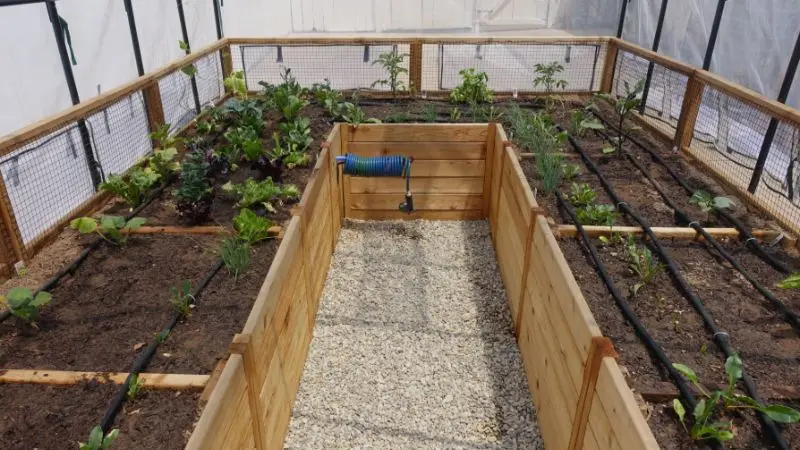
Spot selection is the most critical when building a greenhouse. Greenhouses need sun exposure, with the ideal spot getting 6 hours or more of sun, staves of trees, fences, and buildings, and a shade canopy over the greenhouse.
How to Choose the Best Location in Your Yard for a Greenhouse
Picking the right spot is one of the most important steps when building a greenhouse. Your plants need plenty of sunlight to grow healthy and strong. Choose a location that receives at least six hours of direct sun every day. Avoid shaded areas caused by trees, fences, or buildings.
- Make sure the ground is flat and drains well to prevent water pooling.
- Position the greenhouse near a water source for easy watering.
- Observe your yard during the day to see where sunlight lasts the longest.
A well-placed garden bed greenhouse for vegetables will get enough sun, stay dry, and make your daily gardening tasks easier.
How to Decide the Right Size and Shape for Your Garden Bed Greenhouse
Before building a garden bed greenhouse, you need to understand the number and type of plants you want to grow (e.g., some grow just a few plants, whereas others grow entire rows of veggies or herbs, and might need a bigger greenhouse). Beginners might want smaller sets, while others will need larger greenhouses to fit multiple rows of veggies or herbs. Most of the raised garden beds are rectangular, as they fit a lot of plants and are easy to cover. If you have the space, feel free to test out square or L-shaped designs.
- Small: Great for herbs and a few veggies.
- Medium: Easy to fit multiple rows of plants.
- Large: Great for a lot of crops, or if you want space to walk around in your greenhouse.
Choosing the right size gives you the greenhouse’s full functionalities, and it will be easier to maintain and allow the plants to have room to grow.
How to Choose the Best Materials for a Durable and Affordable Greenhouse
Materials affect both the durability and cost of your greenhouse. You can build a frame from wood, PVC, or metal. Each option has advantages:
- Wood: Strong and natural-looking, but may rot over time.
- PVC: Lightweight and easy to cut, but less sturdy.
- Metal: Extremely durable, though often more expensive.
For the covering, consider clear plastic, polycarbonate panels, or glass. Plastic is affordable and easy to work with. Polycarbonate keeps heat in better, which is great for cooler climates. Glass looks attractive but can break easily. Selecting the right combination of frame and cover balances budget with long-term performance.
How to Consider Your Local Climate Before Building a Greenhouse
Your local climate is one of the most important aspects to consider when building your greenhouse. In colder climates, the greenhouse needs to have covers that retain more heat, while in warmer climates, the greenhouse needs covers that offer better ventilation to avoid overheating. If your location regularly sees strong winds, make sure that your greenhouse is anchored down, as it may be necessary to secure the structure more firmly.
Building your greenhouse to protect your bed for year-round vegetable growing is great, but it is also important to incorporate climate design features to ensure it creates ideal growing conditions for your plants.
Materials and Tools You’ll Need to Build a Garden Bed Greenhouse
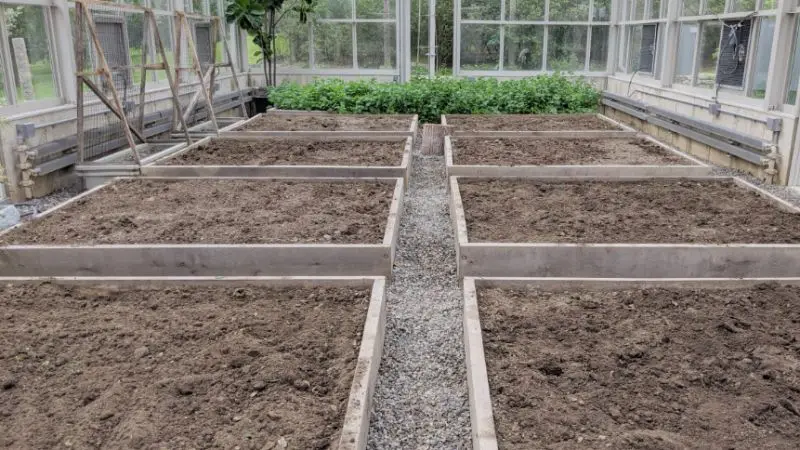
Before starting your garden bed greenhouse, gather the right tools and materials. Having everything ready makes the building process faster and safer. With the proper setup, your greenhouse will last longer and provide a perfect environment for your plants.
Essential Tools You’ll Need for Building a Garden Bed Greenhouse
The tools needed to create a garden bed greenhouse are minimal, and most homeowners will either have them on hand or be able to purchase them without issue. The tools are:
- A tape measure to ensure proper measurement.
- A power or hand saw to cut building materials.
- A hammer or rubber mallet to help assemble the greenhouse.
- A drill and appropriate screws or fittings to assemble parts.
- A screwdriver to ensure screws are securely fastened.
- A utility knife to cut the covering.
- A staple gun to attach the plastic or fabric covering.
- Safety goggles and gloves to protect yourself while building the greenhouse.
Be sure to wear gloves and goggles. These will protect your hands and eyes and will make the construction process safer.
Recommended Materials for Your Garden Bed Greenhouse Frame and Cover
The materials you choose depend on your budget and how long you want your greenhouse to last. Each material has its advantages:
- Wood (Frame): Strong and easy to cut, gives a natural look
- PVC Pipes (Frame): Lightweight, simple to shape, and affordable
- Metal Tubing (Frame): Extremely durable but more expensive
- Clear Plastic Sheeting (Cover): Cheap and easy to attach
- Polycarbonate Panels (Cover): Good insulation for colder climates
- Glass Panels (Cover): Attractive, clear view, but fragile and costly
For most raised garden beds, wood or PVC frames with plastic covers are ideal. Polycarbonate or glass is better if you want extra durability and insulation for your garden bed greenhouse for vegetables.
Optional Accessories to Enhance Your Garden Bed Greenhouse
Once your greenhouse is built, there are accessories you can add to make gardening easier. These accessories help control your gardening temperature, water, and growth.
- Monitor the inside temperature with a thermometer
- Vents with auto-openers for airflow
- Sun protection shade clothes
- Watering regulation with a drip irrigation system
- Planting space increasing shelves
You can start with the basic accessories, and as you become familiar with plant gardening, you can add more. These accessories will help with the productivity and maintenance of your greenhouse.
Step-by-Step Guide to Building Your Garden Bed Greenhouse
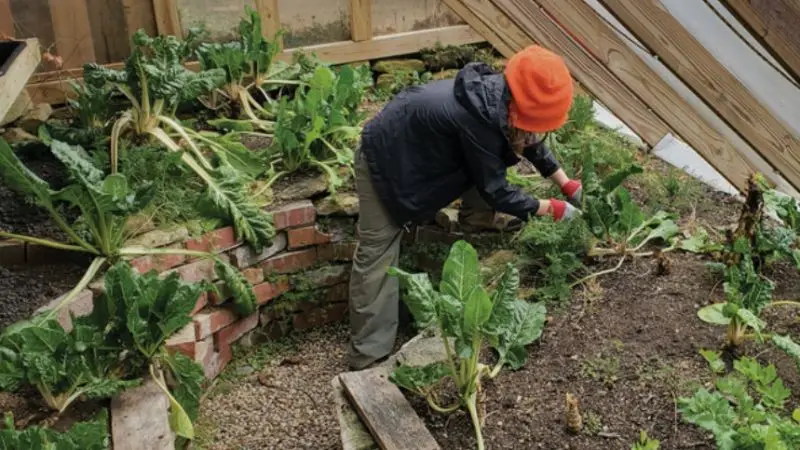
Building your own garden bed greenhouse is easier than it seems. By following a structured approach, you can create a space that protects your plants, extends your growing season, and helps vegetables and herbs thrive. This guide walks you through each step, from preparing the soil to finishing touches, so you can enjoy a productive greenhouse in your backyard.
Step 1: Prepare the Garden Bed and Soil
Begin the process by removing any debris, weeds, and rocks from the location designated for the greenhouse. Use your garden fork or a shovel to aerate the soil. Enrich the soil by mixing in some compost or organic matter, which will give your plants the nutrients they need to grow.
For those of you using a raised garden bed, make sure the edges are robust and that the soil has adequate drainage. Preparing the soil will give the garden bed a better chance of thriving. Putting in the work now will make all the other steps of your greenhouse project easier.
Step 2: Build the Greenhouse Frame
Measure your garden bed carefully and cut the frame materials to fit. For a simple arch-style greenhouse, bend PVC pipes over the bed and secure them into the soil. If you are using wood, screw the pieces together to create a strong rectangle.
Double-check the frame for stability before proceeding. A sturdy frame is essential for supporting the covering and protecting your plants from wind or heavy rain. Choosing the right materials and frame design also helps you achieve a cheap garden bed greenhouse kit feel if you are building on a budget.
Step 3: Install the Covering (Plastic, Polycarbonate, or Glass)
After getting the frame ready, the next step is to add the cover. Clear plastic sheets are inexpensive and can be easily attached with staples or clips. They won’t be as durable as polycarbonate panels, though, which are also more insulating. Glass panels offer an unobstructed view, but are also more breakable.
Ensure that the cover is tightly and securely fitted to trap warm air inside. Proper coverage prevents harsh weather and cold months from reaching your plants and the greenhouse in your garden bed. Completing this step carefully will ensure that your greenhouse has the right conditions to help your plants thrive.
Step 4: Add Ventilation and Temperature Controls
Good airflow is essential in any greenhouse. Cut small vents in plastic or install vent windows in panels. Open these vents on hot days to prevent overheating. Place a thermometer inside to monitor temperature, and consider automatic vent openers for hands-free control.
Proper ventilation helps prevent plant diseases and keeps your garden bed greenhouse for vegetables at an optimal temperature. With good air circulation, your plants grow stronger and healthier, while your greenhouse remains safe and functional year-round.
Step 5: Arrange Planting Areas and Shelves
Consider vertical growth when planning your plant layout. Use surfaces like shelves, benches, or tiered racks to create more tiers for growing, ensuring there are enough clear walkways so you can access any area of your greenhouse for planting, watering, and other maintenance tasks.
Organizing your greenhouse with garden beds efficiently can help you maximize the number of herbs and vegetables you can grow. With the right layout, you simplify and enhance your ability to care for each individual plant, distributing sufficient light, water, and air circulation to help them all thrive
Step 6: Set Up Watering and Irrigation
Considering how you will water your plants, A drip irrigation system, for example, is time-efficient and reduces water waste by watering the soil directly. On the other hand, a watering can will also suffice for smaller greenhouses.
Moisture levels mean you should just be careful not to overwater, which can result in root rot and other damage. A good watering system will help ensure your plants stay healthy throughout the growing season and work to keep your garden bed greenhouse productive.
Step 7: Complete Final Touches and Safety Checks
After planting, check the greenhouse to see if there are any exposed sharp edges, loose pieces of the structure, or gaps in the coverings. Then check to see if the frame is secure and if any coverings are airtight.
When everything is in order, your greenhouse will allow you to quickly plant your veggies and herbs. With plenty of patience, you will be able to create a greenhouse that is strong, functional, and producing veggies and herbs year-round.
How to Maintain Your Garden Bed Greenhouse for Healthy Plants
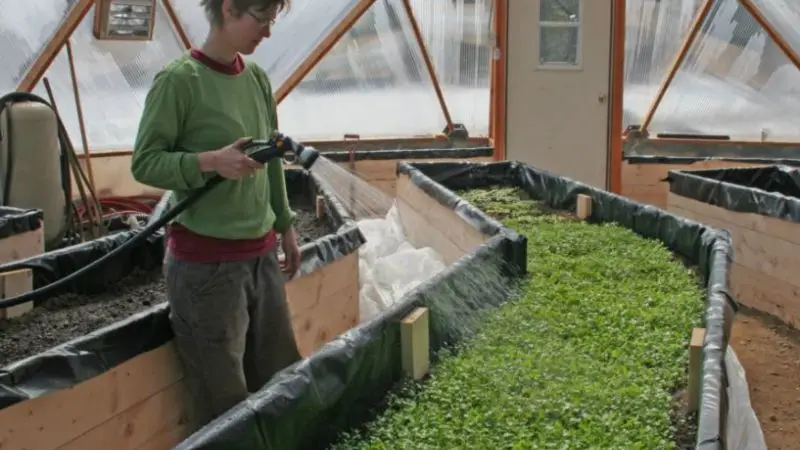
Keeping your garden bed greenhouse in top condition ensures that your plants stay healthy and productive. Regular maintenance prevents pests, supports growth across seasons, and extends the life of your greenhouse materials. By following simple routines, you can enjoy a thriving greenhouse year-round.
How to Keep Your Garden Bed Greenhouse Clean and Pest-Free
Using safe pest control methods, like sticky traps or natural sprays, will keep your greenhouse healthy and free from chemicals that could harm your plants. Give the corners, shelves, and other places where pests hide a thorough inspection. A clean greenhouse will make growth easier for your plants and will reduce the stress on them.
How to Make Seasonal Adjustments for Optimal Plant Growth
When your greenhouse optimally suits the growing conditions for your plants, your plants will thrive. Open vents during the spring to let fresh air in. In summer, use shade cloth to protect your herbs and vegetables from harsh direct sunlight. In the fall, check for drafts and close vents to keep the warmth in. In winter, use row covers for extra protection and insulate the raised garden bed.
With seasonal changes, the garden bed greenhouse is kept productive 365 days a year. Every little change ensures the plants receive appropriate levels of warmth, light, and air.
Seasonal Adjustments:
- Spring: Open vents – Prevent overheating
- Summer: Add shade cloth – Protect plants from strong sunlight
- Fall: Close vents, check drafts – Keep the warmth in
- Winter: Insulate, cover with row covers – Protect sensitive plants
How to Extend the Life of Your Garden Bed Greenhouse Materials
Your greenhouse structure will remain strong, and you will save more money by caring for your greenhouse materials. Look for cracked, loose, or rusted screws in frames. Replace and repair broken parts. Use a cloth to wash plastic covers with a mild soap, and avoid using harsh chemicals. Store extra panels in a place where they won’t warp from moisture.
For wooden frames, paint or seal them annually to extend their life. For the metal ones, inspect for rust regularly. Taking the time to maintain your garden bed greenhouse will make sure your plants are secure, and your greenhouse remains useful for multiple seasons.
Wrap Up
Having the ability to grow your own vegetables and herbs year-round is a privilege, and building your own garden bed greenhouse is an enjoyable part of the process. With your building skills, materials, and weather, you will be able to sustain a productive area in your garden. Your greenhouse will be at its best with the help of seasonal cleaning and adjustments, and frames and covers will be at their best with the help of cleaning. From cheap garden bed greenhouse kits to custom greenhouses, you will create the garden of your dreams with a greenhouse that will secure the health and growth of your plants for many seasons. A garden bed greenhouse will enable you to enjoy the homegrown produce for many seasons.
FAQ
Which plants are best suited for bed greenhouses?
In greenhouses, you can grow lettuce, tomatoes, peppers, and herbs! These plants thrive in a warm and protected environment. Begin seed planting early to maximize your harvest time.
Is building a greenhouse going to require advanced tools?
No, you can build a greenhouse just using common tools like a saw or a drill, and a measuring tape. Most people have those tools in their garage already.
How can I cool my greenhouse in the summer?
You can open the windows and vents to allow some airflow. You can use shade cloth to block some of the sun’s rays. A thermometer can help you keep track of the temperature.
Is it possible to build a greenhouse in a small yard?
Absolutely, you can build a small greenhouse in any yard! Just keep a compact design in mind and be sure to measure your area beforehand. Even small garden beds can be home to flourishing plants.