Imagine you walk into your basement after it rains a lot. You see water gathering on the floor. You feel upset, but you are not the only one. Almost all basements, about 98%, get water damage. Every year, 1 in 60 homes files a claim for this problem.
A French drain system is frequently used as a substitute for storm sewers or open ditches. Together, the gravel and pipe divert water away from your foundation, protecting your house from moisture damage.
What is a French Drain?
You might wonder what a French drain is when you see water pooling in your yard or near your house. A French drain is a simple trench filled with gravel or rock. At the bottom of this trench, you find a perforated pipe. This pipe collects water and moves it away from places where it can cause damage.
People have used this system since the 19th century to protect homes and keep basements dry. You often see a French drain system as an alternative to open ditches or storm sewers. The gravel and pipe work together to guide water away from your foundation, keeping your home safe from moisture.
Types of French Drains
Not all French drain systems are the same. Over time, different types have been developed to solve specific problems:
- Exterior French Drains: Installed around the outside of your home’s foundation. They keep water from seeping into basements or crawl spaces.
- Interior French Drains: Placed inside the basement along the floor. They collect groundwater and often work with a sump pump.
- Curtain Drains: Shallow trenches placed uphill from problem areas. They intercept surface water before it reaches your home or yard.
How does a French drain work?
A French drain works by using gravity to move water. When rain falls or the ground gets wet, water seeps into the gravel-filled trench. The gravel lets water flow easily and filters out debris. The water then enters the perforated pipe at the bottom.
Because the trench has a slight slope, water travels through the pipe and exits at a safe spot away from your house. This process helps prevent water from building up around your foundation or in your yard.
You might ask, how does a French drain work in different soils? The answer depends on the slope and the materials used. A well-built French drain installation uses geotextile fabric to keep soil out and maintain good water flow. Most systems last 30 to 40 years if you keep them clear of debris.
Key Components of a French drain
Every French drain system has a few main parts. Each part plays a special role in moving water away from your home. Here is a quick look at what you will find in a typical setup:
| Component | Role in Water Management |
| Trench | Guides water flow away from problem areas |
| Gravel or Rock | Filters debris, lets water seep in, and supports the pipe |
| Perforated Pipe | Collects water through holes and carries it away |
| Slope | Ensures water flows in the right direction |
| Filter Fabric | Stops soil and roots from clogging the system |
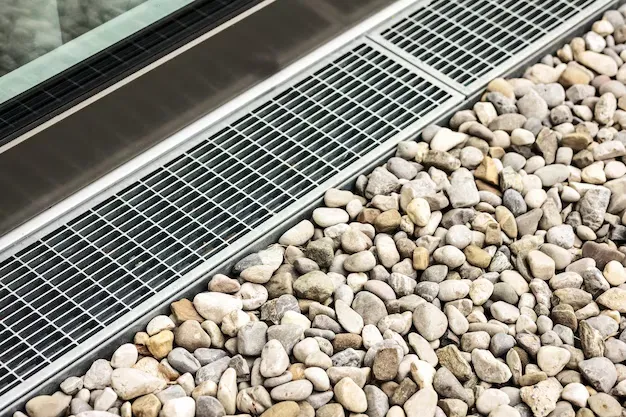
You may also see a solid pipe used to carry water from the end of the French drain to a safe exit point. And to tackle surface runoff before it becomes a problem with Vevor’s durable trench drain. Perfect for driveways and patios where surface water collects fast.
Do You Need a French Drain?
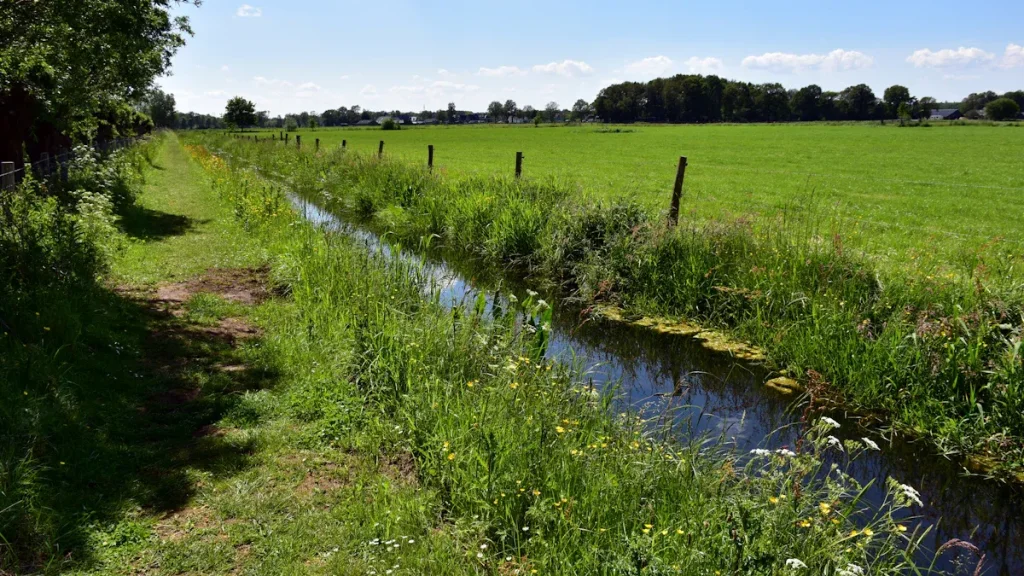
Imagine you step outside after a heavy rain. You see puddles in your yard that never seem to dry. Maybe your basement smells musty, or you notice cracks in the walls.
These problems can make your home feel less safe and comfortable. This section explains what issues a French drain can solve and helps you decide if you need one.
What problems does a French drain solve?
A French drain system helps with many water-related problems around your home. You might notice:
- Pooling water in low spots after rainstorms
- Soggy lawns that stay wet for days
- Water seeping into basements or crawl spaces
- Soil erosion along walkways or patios
- Muddy patches that make outdoor activities hard
- Flooding in backyards during heavy rain or spring thaw
- Damage to patios or driveways from standing water
- Musty smells or wet floors in basements
- Increased pests like mosquitoes in damp areas
A French drain collects and redirects water, keeping your yard dry and your home safe from water damage.
How to know if you need a French drain
You might wonder how to tell if you need a French drain installation. Look for these signs:
- Persistent puddles or soggy spots in your yard long after rain
- Damp spots, cracks, or water stains on basement walls
- Erosion in flowerbeds or mulch washing away during storms
- Water regularly seeping into your basement or foundation
- Muddy areas that never seem to dry out
If you see these issues, your property likely has poor drainage. You should watch how water flows during rainstorms. This helps you find the best place for a French drain.
Cost and Value
The French drain cost depends on length, depth, materials, and labor. On average, you might pay $15-$50 per linear foot. DIY projects cost less, but mistakes can lead to bigger problems.
A well-built French drain protects your home’s value by stopping water damage before it starts. Most systems last 20-40 years with proper care.
You should see a French drain as an investment. It keeps your basement dry, your yard usable, and your foundation strong. This saves you money on repairs and insurance claims in the long run.
You feel calm when you fix drainage problems early. Acting fast stops expensive repairs. It keeps your home safe. It also helps your property stay valuable for a long time.
Checking your system often and taking care of it makes sure it works right. Many people notice cleaner water and less flooding after they put in good drainage.
FAQ
How often should you maintain a French drain?
You should check your French drain once a year. Clear debris from grates and flush the pipe. This keeps your French drain system working well.
How deep should a French drain be?
Most French drain installation projects use a depth of 18 to 24 inches. Soil type and drainage problems may change how deep should a French drain be.
Can you install a diy French drain?
Yes, you can install a diy French drain. Kits make it easier. You should plan carefully to control French drain cost and get the best results.
Conclusion
Water damage can quickly turn into costly repairs, but a French drain offers a simple, effective fix. By choosing the right system, you keep your basement dry, your yard safe, and your home strong for years.
With different types to meet any need and proper care, a French drain adds long-term value to your property. For tools, drainage kits, insulation, and everything in between, trust VEVOR, your go-to for durable, affordable solutions that make DIY drainage easier than ever.