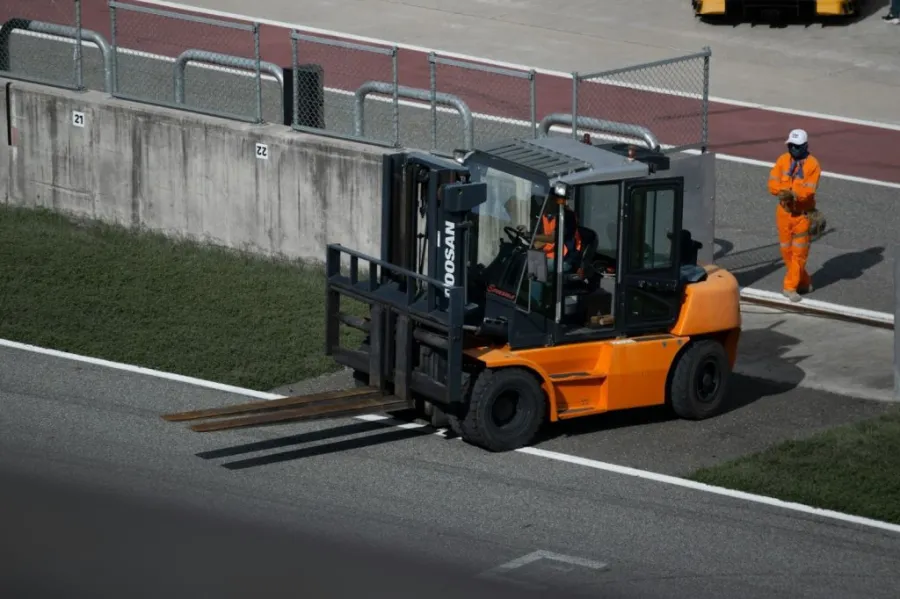
Have you ever seen a forklift fly past and wondered, one slip and this entire place would get out of control? You’re not alone.
Forklift safety is not a luxury; whether you are in charge of a warehouse or just working around heavy equipment, it is what will get everyone home in one piece. The good news?
Any workplace will be safer, more relaxed, and much more productive with a few basic routines and the correct tools like a forklift safety cage. Let’s break it down together.
Common causes of forklift accidents
Accidents don’t “just happen.” Most forklift mishaps come from habits we overlook every day. Here are the big ones:
- Low visibility or disregard for forklift safety rules.
- Missing your daily forklift safety checklist.
- Lifting or overloading of unstable pallets.
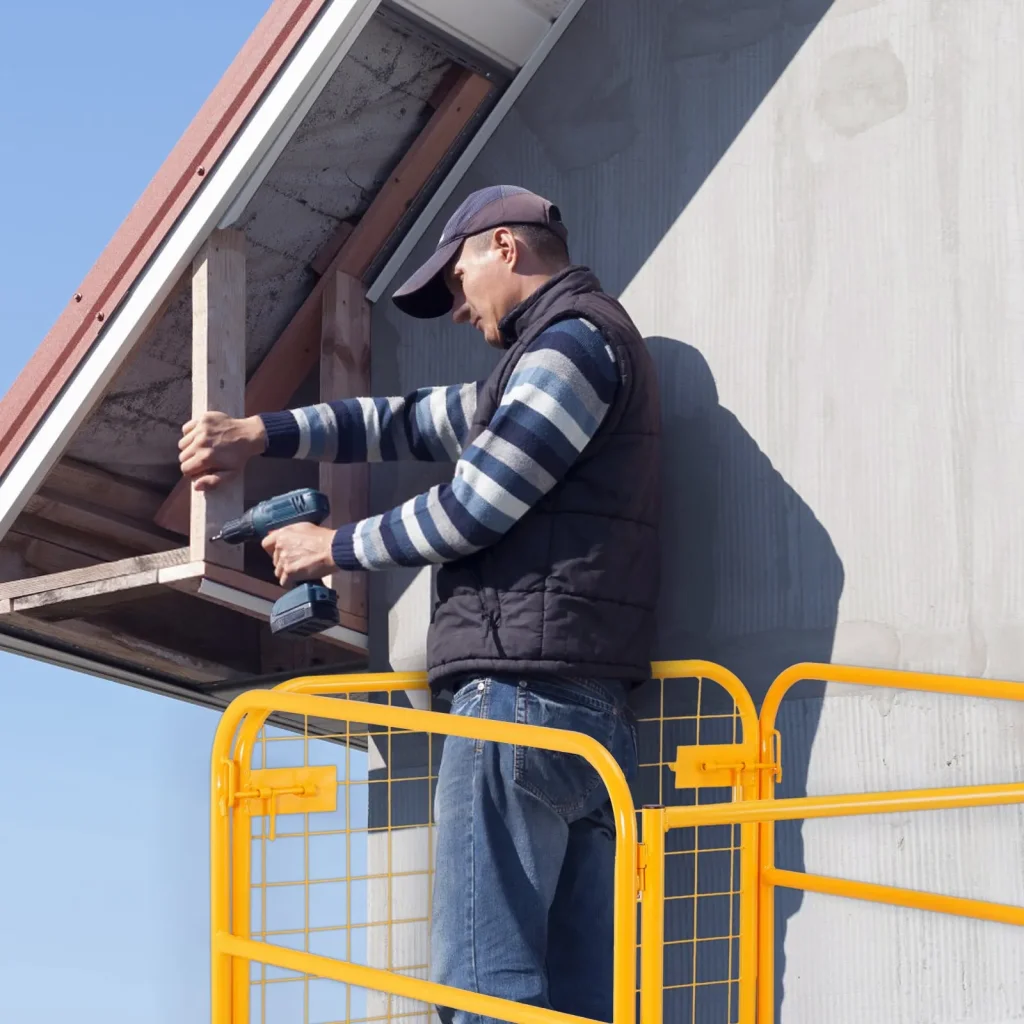
- Failure to wear a forklift safety cage when working at height.
- Rushing, turning, or becoming complacent in the driver’s seat.
Key components of a safe forklift
A safe forklift is not only about good driving, but also about the machine. When the fundamentals are flawless, then the safety of forklifts becomes much easier to the people around them.
Stability system and load center
It is the stability system that prevents the forklift from tipping over when you pick up heavy stuff. Being aware of your load center will make you distribute weight correctly to ensure the machine remains stable.
The vast majority of accidents occur due to the fact that people underestimate this aspect, which is why it is worth listening to. Once you admire the weight capacity, the entire working area immediately becomes safer and more comfortable.
Braking and steering mechanisms
Your best friends in times of need are good brakes and a smooth steering. When either of them feels off, loose, stiff, or delayed, you halt all and have it checked.
The speed at which you can respond and evade trouble is determined by these systems. Honest rule? The forklift must react as soon as you do. Anything less is a risk.
Visibility features and operator controls
Every move is safer with clear sightlines, mirrors, clean lights, and easy-to-reach controls. The first red flag is that you cannot see where you are going.
Visibility is one of such underestimated things that people overlook until it is too late. With controls that are easy to use and mirrors that are perfectly aligned, each drive will be more comfortable and safer.
Safety attachments and accessories
The add-ons can be the difference at times, such as a Vevor forklift safety cage on the work at high levels or heavy guards on the mast.
These attachments are not extras; they are there to ensure you and your team are safe. Using the right accessories for the job, you immediately minimize risks without reducing productivity.
Safe forklift operation practices
The finest forklift in the world cannot even be the safest in case the operator does not handle it well. Some minor routines will help to make forklift safety easier and much less stressful for all the people on the floor.
Obtain correct licensing and training certificates
Imagine it is your power-up code. With the right training, everything becomes easier and less risky, and to be truthful, it also gives you confidence.
Once you know the reaction of the machine, you take fewer risks. Licensing is no ritual; it is what protects you, your colleagues, and your workflow.
Pre-operation inspections
Check the forklift’s condition before leaping on it. Low fluid levels, strange noises, and a loose chain can be spotted in a minute.
A forklift safety checklist that you use daily will ensure that you can spot minor problems before they escalate into major problems that cost you a lot of money. It is like warming up before an exercise, easy, fast, and worth it.
Safe maneuvering techniques
Sudden turns, acceleration, and swerving in the nick of time? Big no. Smooth and steady, always with forklifts.
Always remember to have both hands on the controls, take corners slowly, and watch your speed in narrow aisles.
Being respectful to the forklift makes it act, no surprises, no jumping around, and the entire ride is a calm and steady drive.
Proper load handling and stacking
A load balance makes everything safe. Ensure that the weight is balanced, avoid overloading it, and tilt the mast slightly when transporting. When something appears unstable, then go by your gut and make sure to correct it before driving.
Layering in a nice and even manner will avoid collapses in the future, and this will be silently appreciated by everyone.
Pedestrian awareness and communication
People walking around don’t always pay attention, so you have to. Use your horn in blind spots, make eye contact when possible, and keep an eye on corners.
Clear communication, hand gestures, signals, even a quick nod, can prevent accidents instantly. Around pedestrians, patience is your best friend.
Safe operation on ramps, docks, and uneven surfaces
Ramps and uneven spots need extra care. Always keep the load uphill, go slow, and avoid sudden stops. If a surface feels unstable, pause and rethink the route.
These areas are where most slip-ups happen, so taking a few extra seconds can save you a world of trouble.
Forklift safety maintenance tips
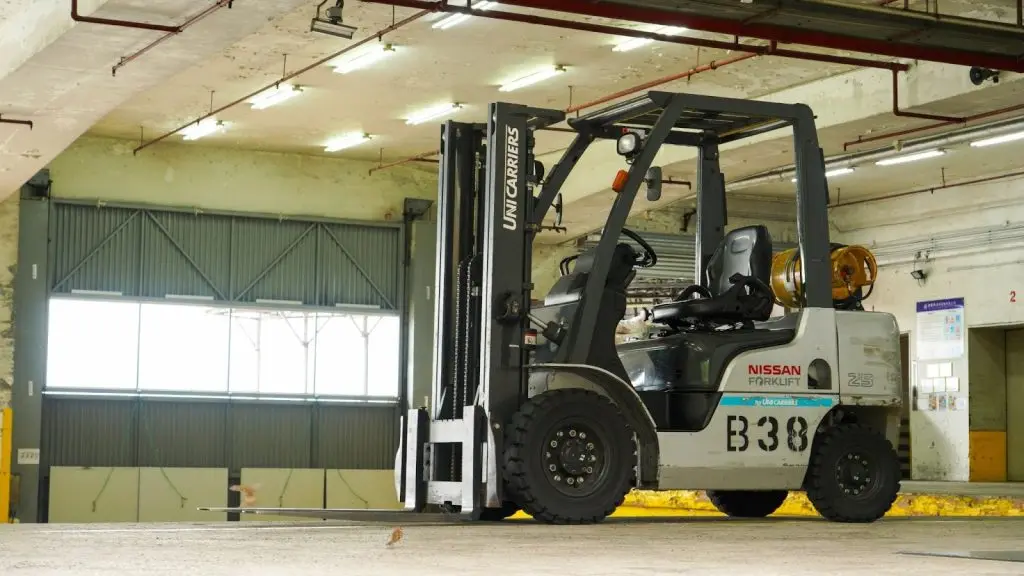
A forklift only stays safe when you treat it right. A little care here and there goes a long way in keeping forklift safety solid and your workday stress-free.
Routine inspections and scheduled servicing
Imagine this as changing the oil in your car regularly, missing it, and before long, everything gets out of control. Regular check-ups can assist you in detecting leaks, tires that are worn out, or those that are loose before they break down.
Regular servicing will ensure that the machine runs smoothly, saves money in the long run, and ensures that everyone around you is a lot safer.
Battery care for electric forklifts
Electric forklifts also require attention. Always keep the battery in good condition, wipe the terminals, and avoid severe discharges that reduce its longevity.
When the battery smells funny or becomes hotter than normal, then stop and examine it. Proper care of the battery will lead to fewer delays, easier lifts, and safer working conditions in general.
Fuel and engine checks for internal combustion forklifts
Forklifts that use gas, diesel, or LPG depend on healthy engines to remain safe. Check fuel lines, oil pressure, air filters, and any strange rattling or smoke.
These minor indicators are usually precursors of larger problems. A healthy engine is fast in response, loads better, and keeps your forklift safety game on top every day.
When to take a forklift out of service
When the forklift does not work, like when it makes weird sounds, when the brakes are weak, or when the steering is wobbly, then do not take chances.
Park it and tag it out at once. Operating a defective forklift is a time bomb, regardless of the insignificance of the problem.
Tip: Use forklift safety signs to improve workplace safety and let your employees know about safety regulations around the vehicle!
FAQs
What is the most common cause of forklift accidents?
The majority of accidents occur when individuals neglect simple forklift safety routines, such as driving too fast, a lack of visibility, and neglecting daily inspections. Small mistakes add up fast.
Do forklift operators need certification?
Yes, absolutely. Driving with proper training and certification is much easier, safer, and less stressful. Your greatest protection against preventable errors.
How often should forklifts be inspected?
Daily check and regular servicing are preferable. It is extremely easy to remain consistent with the help of a forklift safety checklist.
What is the safe speed for operating a forklift?
No precise figure applies to all the workplaces, but gradual and gradual is always the winning formula. When you can safely stop at any time, you are running well.
Can pedestrians walk near active forklift zones?
They can, but it’s risky. Eye contact, clear signals, and adherence to marked paths are some of the measures that ensure that everyone remains safe around the moving forklifts.
Conclusion
Keeping a workplace safe doesn’t have to feel complicated. Once you build a few simple habits, proper training, smart load handling, regular checks, and use the right attachments, forklift safety becomes second nature.
Everyone works calmer, faster, and with way fewer close calls. Doesn’t matter if you’re new to forklifts or have been around them forever; a little consistency goes a long way.
And don’t forget to check Vevor for reliable tools and equipment to ensure your team’s safety while using forklifts.