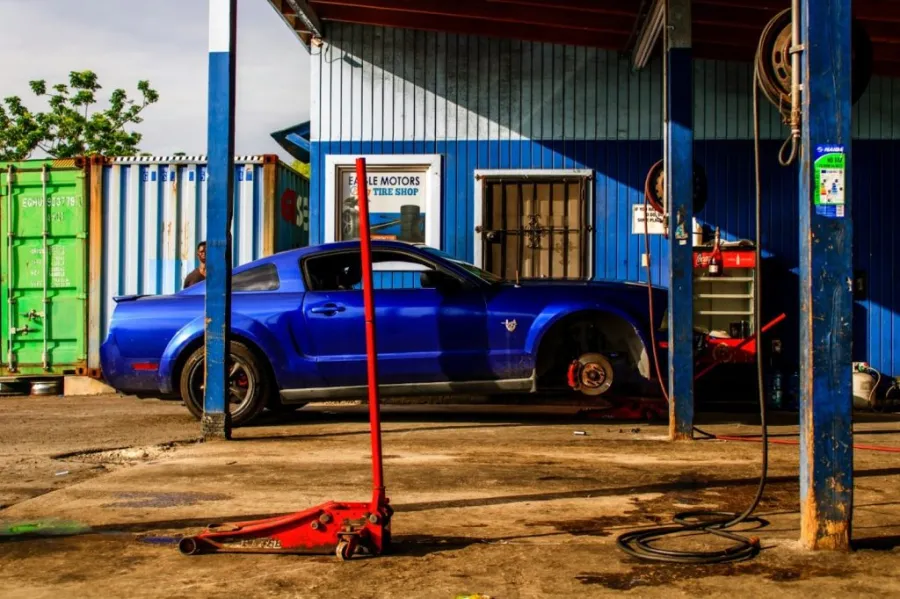
So you need your floor jack to lift your car, but it fails. That’s not just frustrating, it’s risky. Over 4,800 people end up in the ER each year from jack accidents. Smart floor jack maintenance helps you avoid trouble. Some jacks need regular care, others are maintenance-free.
Why Should You Maintain Your Floor Jack?
1. Ensures Safety and Prevents Accidents
Floor jack maintenance is important as your life is on the line. A properly serviced jack can be lifted safely and will hold your vehicle in position without any accidental drops or hydraulic breakdowns.
Seals may become worn or fluid may spurt over time or the internal pressure may reduce and all this means that the jack will not be safe to use.
Having your floor jack inspected and serviced regularly helps you to identify these problems early. Even a few minutes of maintenance can save a catastrophic accident, and you can be sure every time you pick up your car to repair a broken part of change a tirea tire change.
Friction, wear and tear are all parts of the moving parts of your floor jack as with any other mechanical tool. Annual cleaning, lubrication, and fluid monitoring are also beneficial in ensuring a smooth running jack over the years.
Seals and pistons may suffer damage due to dust, rust, and debris, resulting in a hydraulic leak or lack of lifting power. Regular maintenance of the floor jack can save you the unnecessary trouble of having to replace it, which can be quite expensive.
A properly maintained jack is an investment that can last many decades and so it is an investment worth undertaking in any workshop or garage.
3. Supports Optimal Reliability and Performance.
Frequent maintenance of your floor jack helps you to have the best equipment whenever you need it.
With clean and rightly filled hydraulic fluid, there is no struggle to lift the vehicle and there is no struggle to pull it down. Minor problems like slow lifts or squeaky handles may be let go of, but end up creating serious mechanical issues.
Ensuring that your jack is properly tuned ensures that it operates well and in an expected manner when you need it the most.
You might be a professional mechanic, or a DIY car enthusiast, but regular maintenance is the only thing that ensures that your floor jack is always on hand when the work is called.
How to do floor jack maintenance?
1. Check hydraulic fluid
Alt text: red floor jack
Fluid level
You want your floor jack to work every time you need it. Checking the hydraulic fluid is a key part of floor jack maintenance. If the fluid level drops too low, your jack might not lift your car, or it could move slowly and feel weak. Sometimes, the ram won’t respond at all. Low fluid can even damage the inside parts of your jack.
If you’re not sure how to add hydraulic fluid to floor jack, follow the steps below to check your fluid level and add fluid if neededneed be:
- Place your jack on a flat surface.
- Lower the jack completely.
- Find the fill plug, usually on the side or top.
- Remove the plug and look inside. The fluid should be just below the opening.
- If it’s low, you need to add more.
Tip: Some jacks are sealed and don’t need this step. If you can’t find a fill plug, your jack might be maintenance-free.
When to refill
You should refill the hydraulic fluid if you notice slow lifting, weak performance, or if the ram doesn’t move smoothly. Always use the right fluid for your jack. Common types include:
- Hydraulic fluid made for jacks
- ISO VG hydraulic oils (graded by thickness)
- AW hydraulic oils (with anti-wear additives)
Check your manual for the best choice, but AW32 is a popular option. Regular checks keep your floor jack maintenance easy and your jack working safely. Add this step to your floor jack maintenance checklist for peace of mind.
2. Bleed air from system
Air trapped inside your floor jack can cause big problems. You might notice your jack struggles to lift heavy loads or feels weak. Sometimes, the jack may not reach its full height.
Air in the hydraulic system lowers the lifting force and can even make the jack fail suddenly. That’s a safety risk you don’t want to take. Removing air keeps your jack strong and reliable. Regular bleeding is a smart part of floor jack maintenance.
Tip: If your jack feels spongy or doesn’t lift smoothly, it’s time to bleed the air.
Bleeding steps
You don’t need fancy tools to bleed air from your jack. Just follow these steps:
- Make sure you work in a safe spot. Use jack stands and wear gloves.
- Gather what you need: rags, a screwdriver, jack oil, and a wrench.
- Find the bleed valve. It’s usually near the rear caster wheel.
- Check the hydraulic fluid level first. Add more if it’s low.
- Lower the jack all the way. Open the bleed valve to let air escape. You might hear a hiss or see bubbles.
- Repeat the process until no more bubbles come out.
- Close the bleed valve tightly. Check the fluid level again and top off if needed.
Note: Bleeding air helps your jack work at its best and keeps you safe. Add this step to your floor jack maintenance routine.
3. Inspect for leaks
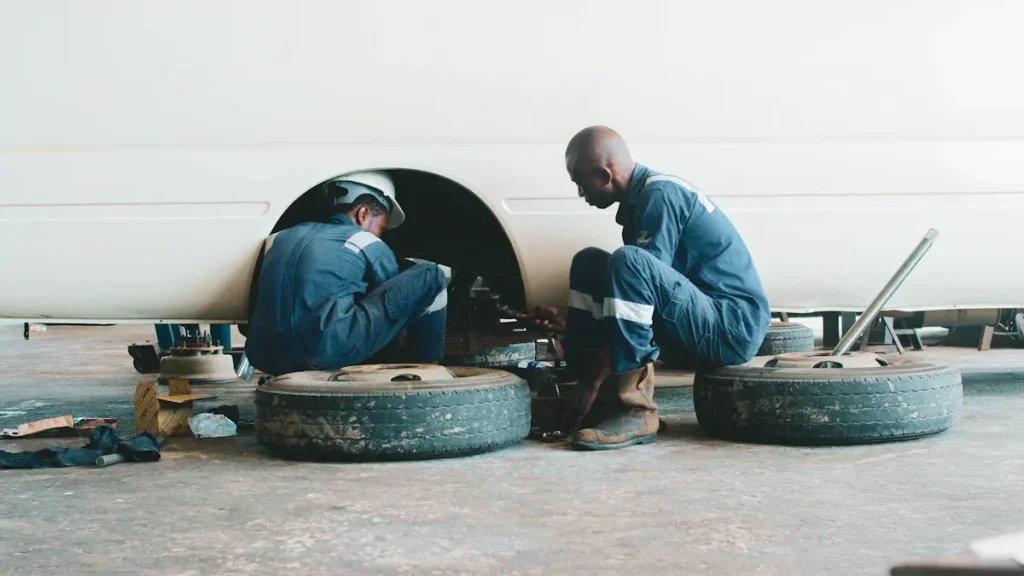
Leak signs
Leaks can sneak up on you. You might spot oil stains under your jack or see puddles where you store it. Sometimes, your jack feels weak and does not lift as high as it should.
You may notice it takes more effort to pump the handle. Odd noises, like hissing or squeaking, can mean air or oil is escaping. Here are some common signs you should watch for:
- Oil stains on the floor or work area
- Jack does not reach full height
- Handle feels harder to pump
- Strange noises during use
If you see any of these, your jack might have a leak or a damaged seal.
Damaged seals
Seals keep the hydraulic fluid inside your jack. When seals wear out, leaks happen. You should check the seals often. The best time depends on how you use your jack. Take a look at this table for inspection tips:
| Usage Condition | Inspection Frequency |
| Constant or intermittent use | Every 6 months |
| Sent out for special work | When sent out and when returned |
| Abnormal load or shock | Before and after use |
If you find a leak or worn seal, follow these steps:
- Look for the part that is leaking or damaged.
- Take apart the area with the leak.
- Replace the seal or broken part. Ask a pro for help if you need it.
- Put the jack back together and test it with a small lift.
Regular checks are a smart part of floor jack maintenance. Catching leaks early keeps your jack safe and strong.
4. Lubricate moving parts
Your floor jack has several moving parts that need attention. If you skip this step, you might hear squeaks or feel stiffness when you use the jack. Focus on these spots:
- The wheels and casters
- The handle pivot points
- The lifting arm joints
- The saddle and release valve
Lubricating these areas helps your jack move smoothly and prevents rust. You don’t need fancy tools. Just grab a rag and your chosen lubricant.
When you pick a lubricant, stick with what leading manufacturers suggest. You can use hydraulic oil, ATF (automatic transmission fluid), or non-detergent motor oil. These options protect your jack and help it last longer.
How often should you lubricate?
You might wonder how often you should grease your jack. Most experts say every six months works well. Another easy rule is to lubricate the moving parts every two oil changes, whichever comes first. Regular care stops wear and tear before it starts.
If you use your jack a lot, check it more often. Add this step to your floor jack maintenance routine. You’ll notice smoother lifts and less noise. Your jack will thank you with years of reliable service.
Floor jack Cleaning tips
You want your floor jack to last. Cleaning it after each use helps prevent dirt and grime from building up. Start by wiping the jack with a damp cloth. Focus on the wheels, handle, and lifting arm. Remove any grease or oil that collects on the surface.
If you see stubborn spots, use a mild cleaner. Always dry the jack with a clean towel. This keeps water away from metal parts.
Here’s a simple cleaning routine you can follow:
- Wipe down all surfaces with a damp cloth.
- Clean off any oil or grease.
- Dry the jack completely.
- Check for dirt in moving joints and wheels.
- Inspect for leaks or damage while cleaning.
Tip: Release the pressure before you store your jack. This helps protect the seals and keeps the jack ready for next time.
FAQ
What is the frequency of floor jack maintenance?
You are supposed to review your maintenance checklist on the floor jack after every six months. When you are frequently using your jack, check it more frequently regarding leaks, fluid and lubrication.
What is the hydraulic fluid you use to maintain hydraulic floor jack?
Always work with hydraulic jack oil such as AW32. See your manual on the best type. Do not use a brake fluid or motor oil in your hydraulic floor jack maintenance routine.
How do you pour hydraulic fluid to a floor jack?
To know how to fill hydraulic fluid into the floor jack, lower jack, release the fill plug and fill it with fluid slowly. Add in until it is almost even with the hole.
Conclusion
Safe, reliable lifting is best done together with your floor jack, provided you take good care of it. These four floor jack maintenance tips will help it continue to act like new because of checking hydraulic fluid and good storage. And VEVOR comes to the rescue when it comes time to change or upgrade.
Browse the high quality product line of hydraulic jacks, tools and maintenance equipment produced by VEVOR and made to last. Go to vevor.com and stock your garage with the quality tools that professionals use.