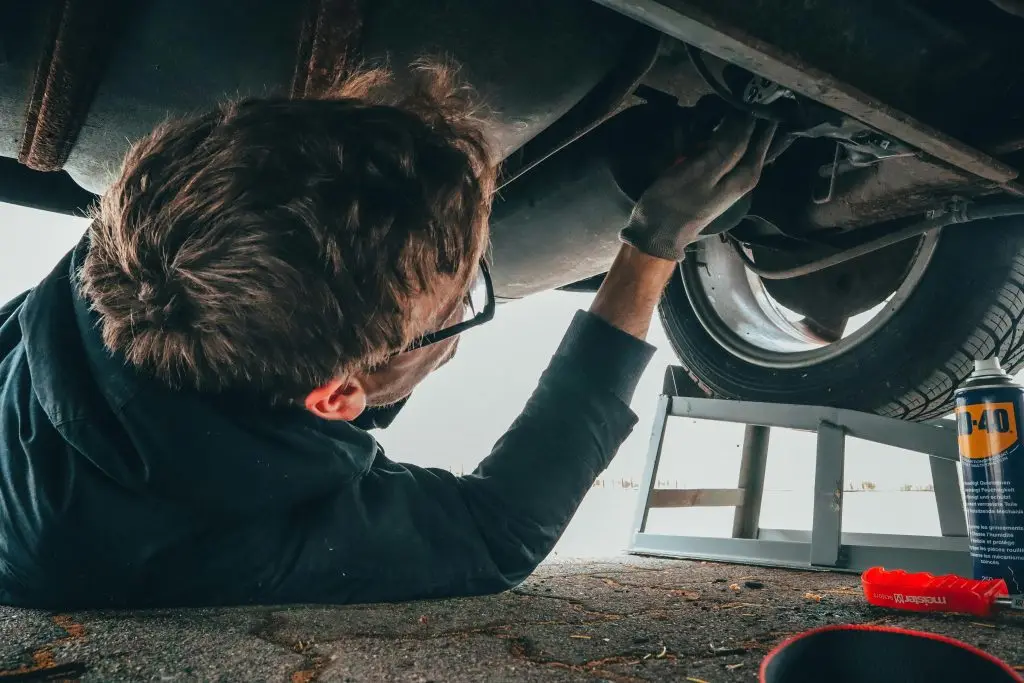
A floor jack is a must-have accessory that dominates all tools in a garage. At any time and circumstances, whether you want to change a flat tire, replace the engine oil, or need to repair your car, investing in a good floor jack will give you the upper hand in these emergencies.
Most people opt for car repair changes and DIY maintenance; therefore, this tool is a convenient replacement for car repair services. This floor jack buying guide will walk through all you need to know for selecting the best floor jack.
What to Look for in a Floor Jack
Before looking into brands and prices, it is crucial to know what makes a floor jack more suitable to you than others. Have a look at the following factors that play a vital role in performance, safety, and longevity.
Capacity and Weight Rating
First and foremost, what to look for in a floor jack is its lifting capacity. Typical home jacks lift up to 2 to 3 tons of weight, adequate for most cars, sedans, and small SUVs.
Determine the ideal weight lifting capacity by referring to your vehicle’s gross vehicle weight rating GVWR. Each vehicle has its own capacity and it is found on a label inside the driver-side door. As you will be lifting one end of the vehicle, divide the number by two.
Here is a brief for varying cars:
- Compact cars: 1.5 to 2 tons
- Sedans and small SUVs: 2-3 tons
- Trucks and large SUVs: 3-4 tons
A jack rated slightly higher than your vehicle’s weight requirement is ideal to choose, as it reduces the strain on the hydraulic system. It is also suitable for smoother lifting performance. Avoid overloading the jack to prevent premature wear.
Minimum Height and Lift Range
After weight capacity, the next factor to look for is the lift range, the distance between the highest and the lowest point the floor jack can reach.
If you have a sports car or a lowered vehicle, the standard jack can not fit underneath the chassis. For this purpose, low-profile jacks are built. These models start from as low as 3-3.5 inches in height, with convenient access without scraping the car body.
If you are working on a truck or SUV, you need a jack that lifts at least 18-20 inches high. This gives enough room for safety and comfortable maintenance.
Build Quality and Material
The construction of a floor jack directly affects its performance, durability, and weight.
- Steel jacks: They are more durable, heavier, and budget-friendly as well, ideal for home garages.
- Aluminium jacks: These are lighter, portable, and corrosion-resistant. Being lightweight, they are ideal for mobile mechanics.
- How frame design affects stability and performance
Wide frame designs improve stability and distribute load evenly. Choose models with dual piston pumps for faster lifting with rubber saddle pads to secure car lift points. Strong welding points and smooth casters also matter for durability.
Safety Features
Safety precautions come first while doing risky mechanical tasks. A reliable floor jack has built-in features to prevent you from injury and accidents. Here are the essential safety features that you should look for when figuring out your floor jack purchase:
- Built-in safety valves, overload protection, and release control
- Overload protection prevents the floor jack by lifting a heavier weight than its capacity.
- Bypass valves prevent over-pumping to stop potential hydraulic pressure. Controlled release valves allow you to lower the car smoothly.
No matter how strong a jack may be, it can not lift any vehicle properly without a jack stand. Always pair your floor jack with rated jack stands placed under secure lift points before working underneath the vehicle.
Ease of Use and Mobility
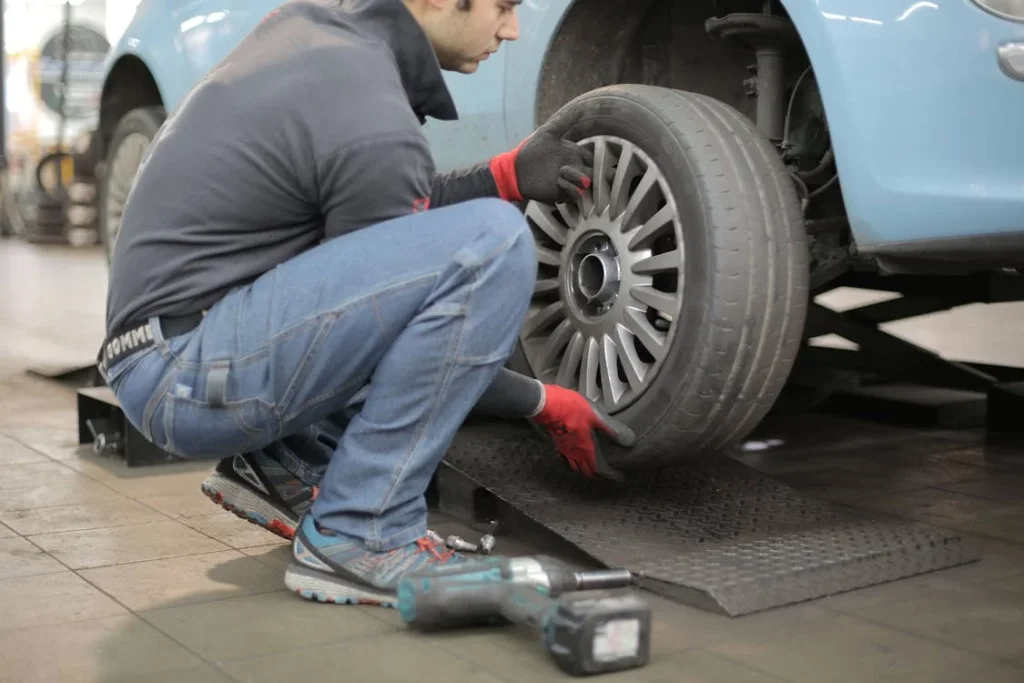
If you use your jack frequently, then the convenience of use can make a big difference. A long handle makes the work easier and gives better leverage. Some jacks have dual pistons, which raise the saddle faster with fewer strokes.
- Weight: Aluminium jacks are lighter and can weigh less than 35 lbs. Steel jacks are heavier and can weigh up to 70 lbs.
- Size: Compact jacks require less space and can fit in garages or even car trunks easily for emergencies.
- Wheels: Swiveling rear wheels allow smoother and effortless positioning under the vehicle.
If you move between different places or vehicles, consider a lightweight floor jack for convenience and portability.
Maintenance and Longevity
Like every tool, a car jack also needs some maintenance for longevity. Check the jack before using it for:
- Leaks around the hydraulic cylinder.
- Rust or dirt built up in moving parts.
- Damaged or cracked welds.
For the long run, apply grease or light oil after every use. Clean the jack of dirt and place it in a dry area to prevent corrosion.
If you see signs like leaking fluid, failure in lifting smoothly, or unholding pressure, your jack needs replacement or service. If the jacks are heavily worn out and older, it is better to replace them. Choose the one that is free from leaks, rusts, and damaged welds for the long run.
Types of Floor Jacks
Floor jacks can be of various sizes, and selecting the right one can improve efficiency and speed. Read this floor jack buy guide to know more about its types suitable for you.
Standard Hydraulic Floor Jacks
These are the most common of all jacks and are found in home garages. They use hydraulic pressure to lift the vehicle smoothly and offer a balance between power and affordability. They are perfect for heavy vehicles like sedans, trucks, or crossovers.
Low-Profile Floor Jacks
These are designed for sports cars or lowered vehicles. These jacks can lift vehicles up to 15-18 inches in height. They are usually made from aluminum and lightweight materials for lightness. Its slim design can easily slide under the vehicles with very little ground clearance.
Heavy-Duty and Commercial Floor Jacks
These jacks are often used professionally for heavy vehicles and can lift more than 4 tons. They are expensive but durable for the long run. Its reinforced steel construction gives long-term reliability in the most hussled areas like workshops.
Quick-Lift and Lightweight Models
Quick-lift jacks use dual-piston to allow fast lifting with minimal effort. Designed for portable use, they are made from lightweight materials for people who need agility and speed. They are suitable for mobile mechanics or anyone who moves frequently from place to place. Despite its lightweight, it can lift many heavier vehicles efficiently.
Common Mistakes to Avoid
Some common mistakes that experienced car owners make put them in a tight spot, so better to avoid these:
Choosing a jack with insufficient lifting capacity
Always check your vehicle’s GVWR and choose the jack that has higher capacity than your needs. An under-rated jack can put both you and your vehicle at serious risk. A higher capacity jack not only lives longer but it is also safe to use.
Ignoring minimum clearance height
For low cars, you need a low profile jack. If you forcibly use a taller jack, it will damage the chassis. This mistake is the most common wih sports car or lower sedan. Always check your car’s ground clearance before buying any jack.
Overlooking safety features and brand reliability
Do not compromise ever on safety locks, overload valves, or durable construction. Cheap and unauthentic jacks are unsafe and reduce efficiency over time. Invest in a trustable brand for better quality and longevity.
Failing to maintain the jack properly
If you neglect lubrication and cleaning, it will lead to leakage and failure of the device. Dust and dirt can clog the hydraulic system and reduce functionality over time. Regular check-up and maintenance is required to keep it for long term
Using a floor jack without jack stands
This is the most dangerous mistake for safety. Do not use the jack without a jack stand. A jack stand provide stable support and can hold the vehicle properly. It can save you from accidents caused due to hydraulic pressuer lost or sudden jack movement.
Cost and Value Breakdown
Floor jack prices vary depending on the type of material, capacity and features. Here is a table to give you an idea.
| Type | Average price range | Uses |
| Steel floor jacks | $80-$150 | General home use |
| Aluminum jack | $150-$300 | Portable and lightweight |
| Heavy-duty | $250-$600 | Truck, garages, professional work |
| Low-profile jacks | $120-$250 | Sports or lowered cars |
| Quick-lift models | $200-$400 | Speed, convenience |
A mid-range jack serves best for general usage and offers a balance between performance, price, and portability.
FAQs
Is it safe to work under a car with just a floor jack?
No, it is not safe at all. A floor jack only lifts your vehicle and does not hold it. For holding, you need a jack stand for support. Always use a jack and jack stand together for safety.
How do I choose the correct tonnage for my vehicle?
Check your car’s GVWR and divide it by two and choose a jack with higher capacity than your needs for efficient working.
Can a floor jack fit low-profile/sports cars?
Yes, there are low-profile jacks for sports or lowered cars. They can lift vehicles up to 3-3.5 inches high and are especially designed for that purpose.
How often should I maintain or service my floor jack?
Inspect the jack before very use and check for leakage or worn outs. Perform full maintenance every few months or as specified by the manufacturer.
What is the difference between a floor jack and a bottle jack?
A floor jack is ideal for garages and has a horizontal hydraulic design with wheels. On the other hand, the bottle jack is compact and vertical. It is suitable for lifting trucks, but not suitable for uneven places.
Conclusion
Investing in a quality floor jack is the right call for your garage and home mechanics. This tool is a cornerstone for safety and efficient mechanical work. We have shown you all how to choose a floor jack, the ideal capacity, cost, safety features, and maintenance tips.
Follow our guide for selecting the best jack for your garage and be a pro in car maintenance for years to come.