Are you tired of rigid pipes that are hard to install? No worries! Flexible plumbing pipes are a modern solution for you. They are easy to install. Moreover, they can be bent and twisted. Flexibility doesn’t mean that you have to compromise on strength.
These pipes are also strong, long-lasting, and resistant to freezing temperatures and rust. They are the best alternative to hard pipes in all aspects. In this flexible plumbing pipe installation guide, we will discover its main types along with their specific features and applications.
Types of Flexible Plumbing Pipes
With so many alternatives of flexible plumbing pipes available, choosing one that fits your needs is challenging. All these options are unique, each with its pros and cons. When considering the benefits of each type, you can make a thoughtful choice. Here are some common materials used for plumbing pipes.
PEX Pipes
For modern plumbing, PEX pipes are mostly used nowadays. These are not normal plastic pipes. They are flexible and easy to install with their cross-linked polyethylene construction. They can be installed without requiring many fittings, as they can bend around corners. This makes setting quicker and easier.
These pipes are also strong and durable. They don’t rust or build up scale, so they have an extended life. They are adaptable for both hot and cold water lines. Whether fixing leaks or installing new pipes, PEX is a dependable choice.
Flexible PVC Pipes
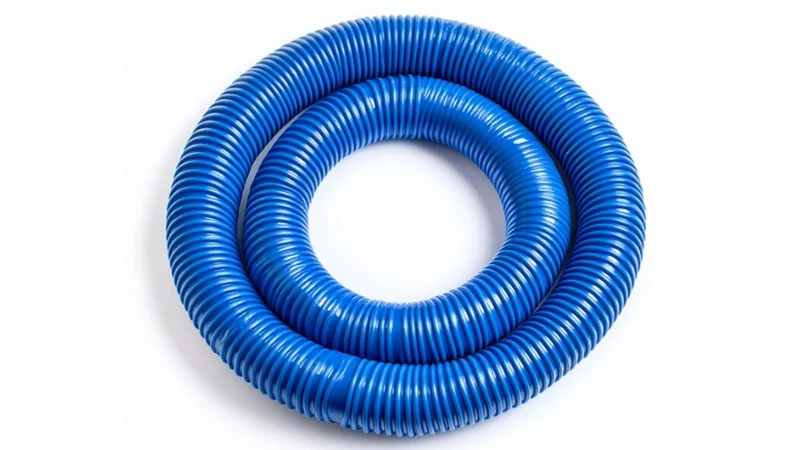
Flexible PVC pipes are mostly used in households or commercial areas. With their rigid structure, they can be used for outdoor and underground plumbing applications. Their strong but flexible structure efficiently handles high water pressure. These pipes are also perfect for outdoor pools and irrigation purposes as they resist chemicals.
They are also easy to cut and connect. With basic tools, you can adjust the length. Tightly seal the connections to prevent any leaks. The flexible PVC isn’t suitable for hot water lines. It works better for cold water or areas with steady temperatures.
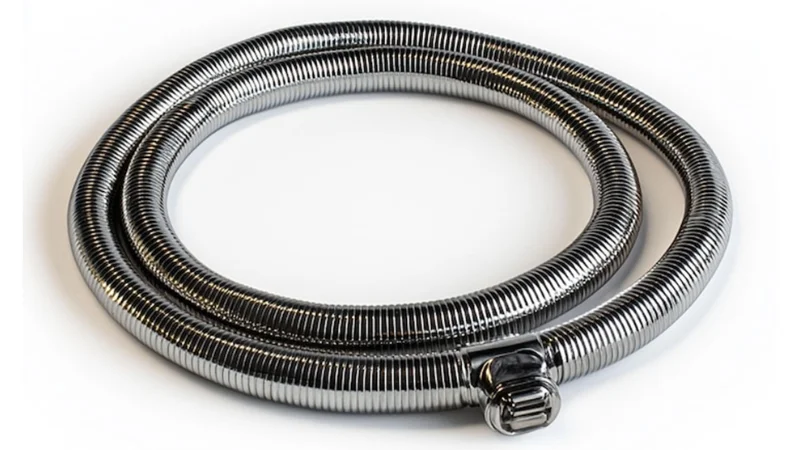
Corrugated Stainless Steel Tubing (CSST)
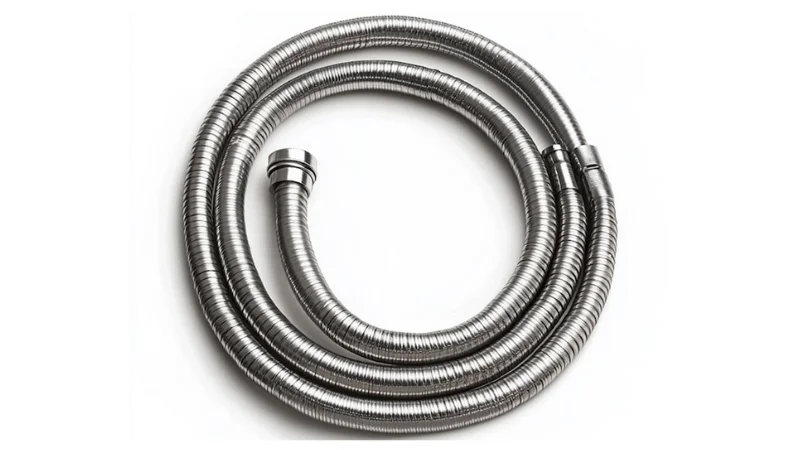
Corrugated stainless steel tubing (CSST) is also a great alternative. They are mainly used for gas lines. Its strong stainless steel allows it to last a long time. The corrugated design is designed to bend effortlessly and can be fitted into tight spaces or complex areas without any trouble.
CSSTs are primarily helpful for gas appliances, such as heaters or stoves. They are lightweight with straightforward installation. You can install them by yourself, but keep in mind to be careful while dealing with as. Follow safety regulations. If you are confused anyway, ask a professional for help.
Flexible Copper Pipes
Flexible copper pipes are a traditional choice for plumbing. They’ve been used for years and are still popular. These pipes are less flexible than PEX or PVC, but they can still be fitted around obstacles. The copper is flexible and is suitable for tight places. They are perfect for under sinks or behind walls. Due to their resistance to bacteria, they are safe for the flow of drinking water.
However, they cost more than plastic pipes due to their premium features. If you have a limited budget, plastic pipes are a good option for you. However, if you prefer quality over budget, then copper pipes are the right choice for you. They are also durable and reliable for years to come. There is another plus point: they can be recycled, which is beneficial for the planet.
Benefits of Flexible Plumbing Pipes
Easy to Install
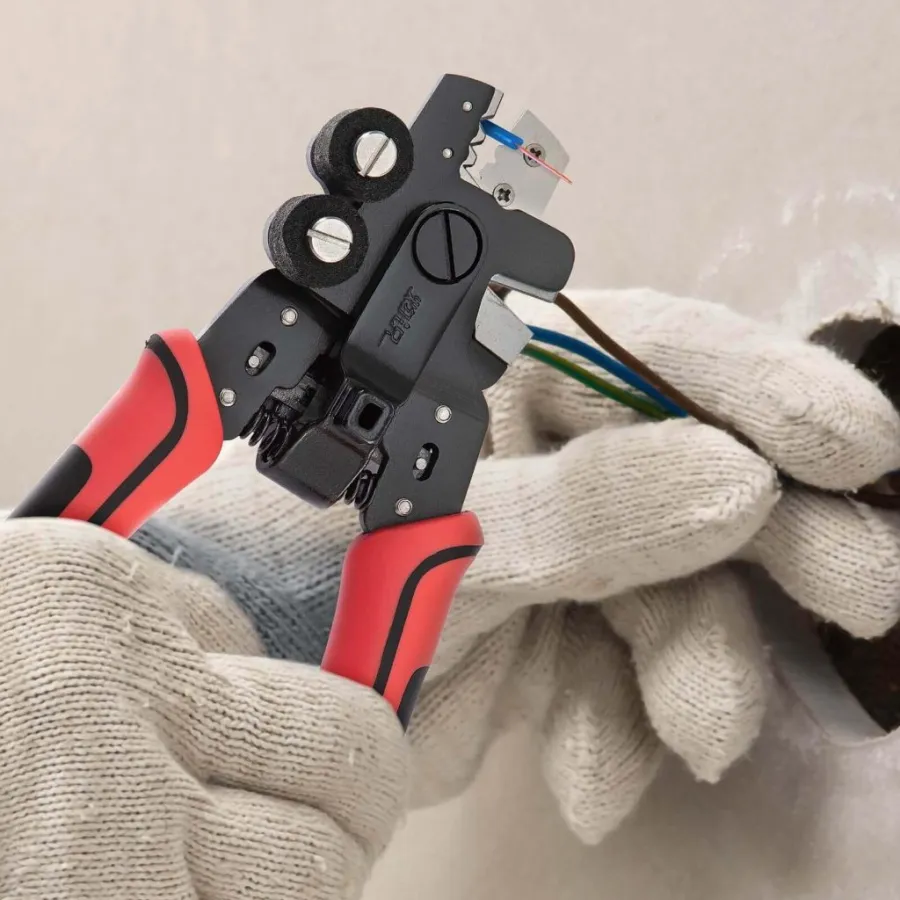
Flexible plumbing pipes for water supply are easy to install. Unlike stiff pipes, they bend to fit tight spots. This means fewer cuts and connections are needed. For example, PEX pipes are light and don’t need soldering. You can use crimping tools to secure them easily. Even beginners find these pipes easy to handle.
Strong and Long-Lasting
You want pipes that last a long time, right? Flexible pipes are made to handle wear and tear. Materials like PEX aluminium and plastic don’t rust like metal pipes. They also handle hot and cold temperatures well. With proper care, these pipes can last for many years without requiring frequent repairs.
Saves Money
Who doesn’t like saving cash? Flexible pipes are affordable in many ways. First, materials like plastic are less expensive. Second, they’re easy to install, resulting in lower labor costs. If you do it yourself, you’ll save on tools and fittings. Additionally, their durability results in fewer replacements, ultimately saving money over time.
Great for Tight Spaces
Have you ever had trouble fitting pipes in small areas? Flexible pipes make this easy. They work well in tight spaces, such as under sinks or behind walls. PEX pipes, for example, bend around corners without extra fittings. This makes them ideal for complex renovations or new installations. Whether it’s a small bathroom or a big kitchen, these pipes fit your needs.
Factors to Consider When Choosing Flexible Plumbing Pipes
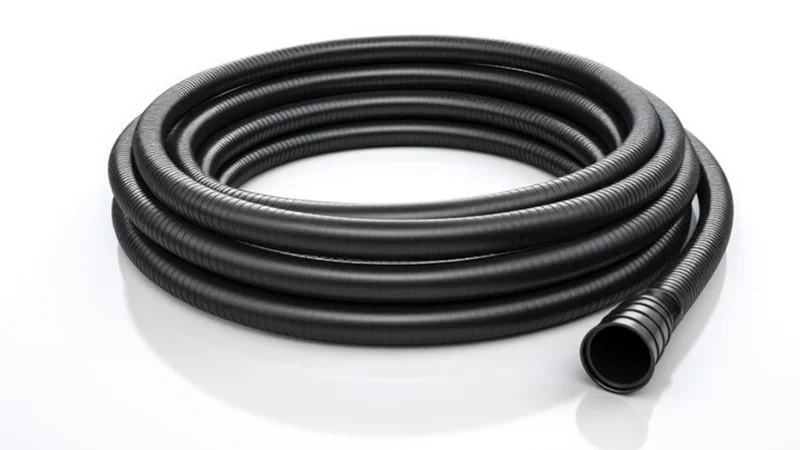
Picking the right flexible plumbing pipe for the bathroom isn’t about grabbing the first one. You need to think carefully to find the best fit for your home. Let’s go through the key points.
Compatibility with Existing Plumbing
Verify that the pipe matches your existing plumbing setup. Not all pipes work with every system. For example, if you already use PEX pipes, sticking with them is easier. They connect well to existing fittings and tools.
If you have metal pipes, make sure the new pipe won’t cause rust. Copper pipes work with most systems but may not suit plastic setups.
Water Pressure and Temperature Needs
Different pipes handle pressure and temperature in unique ways. PEX pipes are ideal for both hot and cold water applications. They don’t crack or warp under heat. Flexible PVC pipes are better for cold water or outdoor use.
For high water pressure, choose strong pipes, such as CSST. These are durable and work well for gas lines or tough systems.
Did you know? Using the wrong pipe for hot water can cause leaks. Always check the pipe’s temperature rating before installing.
Budget Considerations
Your budget matters when picking pipes. Plastic pipes, such as PEX and flexible PVC, are inexpensive and easy to install. They’re great for saving money.
Copper pipes cost more but last longer. They resist bacteria and are safe for drinking water. For large projects, consider comparing the upfront cost with the pipe’s expected lifespan.
Local Rules and Regulations
Every area has rules about which pipes you can use. Some materials might not meet local codes, especially for gas or water lines. For example, CSST needs special installation steps for safety.
Check your city’s plumbing rules before starting. This avoids fines and keeps your system safe. If unsure, ask a plumber for help.
When to Use Flexible Plumbing Pipes
Renovations and Repairs
Flexible plumbing pipes for dishwasher connection are super helpful for fixing or updating. Imagine replacing old, stiff pipes in a tight bathroom or kitchen. Flexible pipes bend easily, so you don’t need to break walls.
If you’re fixing leaks or upgrading water lines, PEX pipes are a good choice. They connect quickly to old pipes and need fewer parts. This saves time and reduces the likelihood of leaks occurring.
New Installations in Tight Spaces
Small spaces can make plumbing tricky. Flexible pipes solve this by bending to fit tight spots. Whether under sinks, behind walls, or in crawl spaces, they make work easier.
PEX pipes are great for new setups. They curve around corners without the need for extra connectors. This reduces leak risks and accelerates the job. Flexible copper pipes are suitable for areas needing heat resistance and strength.
Temporary Plumbing Solutions
Need a quick plumbing fix? Flexible pipes are great for short-term jobs. They’re easy to set up and take down, like for outdoor water lines.
Flexible PVC pipes are lightweight and straightforward to adjust for temporary water lines. For gas, CSST is a safe choice, but follow safety rules.
Conclusion:
Now you have learn how flexible plumbing pipes work. I hope you can now make a thoughtful decision and choose these pipes to make your plumbing tasks a breeze. They make setups easier, cost less, and fit small spaces. You are now familiar with their types, advantages, and when to use them. You can install them by yourself, but keep in mind to call a plumber if you are confused at any point. Choose the plumbing pipe and have a sigh of relief!
FAQ
What type of flexible pipe should be used for DIY plumbing?
For DIY projects, PEX pipes are an excellent choice. They are light, simple to use, and don’t need soldering. With the right tools, you can establish fast and secure connections.
Can flexible pipes handle intense water pressure?
Yes, some types can! PEX and CSST pipes are rigid enough for high-pressure systems. Always check the pipe’s details to ensure it fits your pressure needs.
Are flexible pipes safe for drinking water?
Yes, they are! PEX and flexible copper pipes resist germs and are safe for drinking water. They are dependable choices for your home’s water system.