Want your yard to look amazing next spring? It all begins with something like a fall yard cleanup. It is a good time of the year to clean up as the leaves fall and the weather is cool. All you need to do is a couple of simple steps, raking off the leaves and getting rid of the debris, pruning your plants, giving the lawn a final mowing, and covering the soil before winter arrives. These chores prevent bugs and diseases, keep your plants healthy, and make your yard easier to work in next year. Put on your gloves, draw up a checklist, and get going now–your yard will never forgive you come spring!
Essential Fall Yard Clean-Up Steps for a Healthier Lawn
When the fall season has settled in, leaves are falling, as well as other dead vegetation and debris, which build up in your yard. Cleaning up this mess earlier, before winter, will equate to healthier grass come springtime. As an initial homeowner or as someone who has gone through the process many times, taking these initial steps can prove to make the fall yard cleanup work more time-efficient and satisfactory.
Remove Leaves and Debris
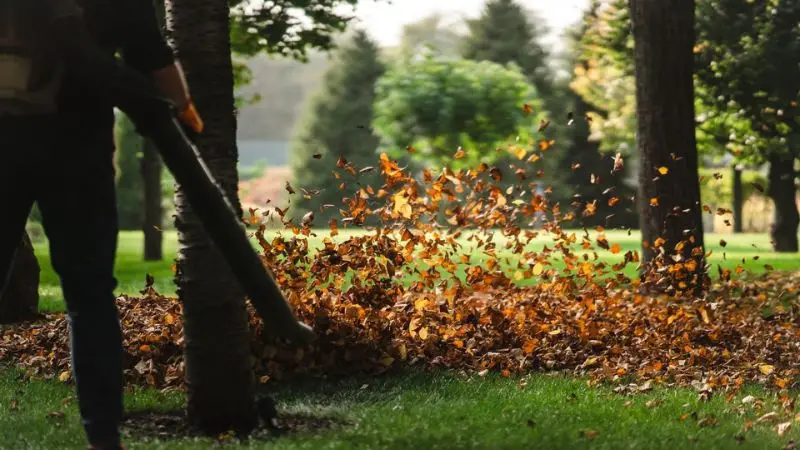
Getting rid of the leaves is one of the first tasks you need to undertake when you venture out to do your fall yard work. They accumulate quickly, and when not gathered, they can suffocate your lawn and create an ideal habitat for pests to hide. One can use a strong rake or a leaf blower to clear them easily
If you’re tackling a large area, a lawn sweeper can save time by quickly collecting twigs, leaves, and debris with minimal effort. These can trap moisture and insects, which can lead to problems later. A clean yard now sets you up for success in spring.
Rake, Mulch, or Compost Leaves
Raking leaves is a traditional fall task, but today, you have several options. Use a wide plastic rake for faster work or a blower to create tidy piles. A lawn sweeper is another efficient tool, especially for large yards—it quickly gathers leaves with minimal effort. Once collected, decide how to handle them.
Composting is also a great choice—mix the leaves with kitchen scraps and green waste for healthy garden soil. If there are too many leaves to manage, check if your city offers pickup services. Clearing leaves is a must if you’re wondering how to clean up your yard in the fall efficiently.
Clear Sticks and Dead Foliage
Once leaves are handled, shift your focus to fallen sticks and old plant matter. Take a walk around your yard and gather branches and dead stems from flowerbeds and gardens. Old vegetable plants and dead flowers can carry diseases that might spread if left behind. Use your hands or a small rake to clear out these materials.
Decide if they’ll go into compost or curbside pickup. This task not only keeps your garden tidy—it also helps avoid bigger problems later. If you’ve ever wondered when to do fall yard cleanup, the best time is right after leaf clearing.
Prune and Prepare Plants Before the Cold Sets In
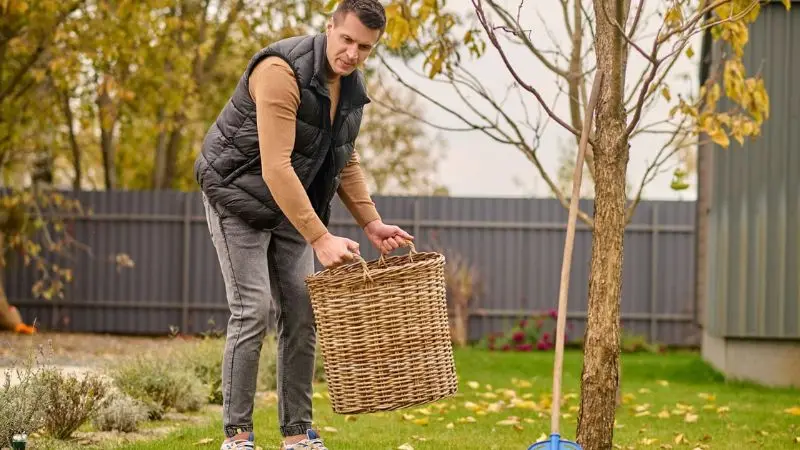
Fall isn’t just about clearing leaves—it’s the perfect time to prune, cut back plants, and prevent disease before winter. Tidying up your garden now supports healthy growth next season and keeps your landscape looking fresh and organized. For those wondering how to clean up your yard in the fall, plant prep is one key step you can’t skip.
Here’s how to give your plants the seasonal care they need.
Trim Trees and Shrubs
Fall is a great time to trim trees and shrubs for a cleaner, healthier yard. Start by inspecting all branches—cut off anything dead, diseased, or damaged using sharp pruners. Also, remove any limbs that rub or cross, as they can injure each other over time. Light shaping helps shrubs stay compact and neat throughout winter.
Once you’re done, gather up all cut branches and twigs. Regular pruning supports strong spring growth and prevents problems before they start. If you’re focused on fall clean-up yard work, this is one step that adds both beauty and safety to your landscape.
Cut Back Perennials
Perennials return every year, but they need a trim to stay strong. Use garden shears to remove brown or dried stems, leaving about two inches above the soil line. This keeps your yard tidy and allows new growth to come in fresh next spring.
You can leave a few seed-bearing stems like black-eyed Susans to support birds and pollinators. As part of the best tools for fall yard clean-up, sharp shears or loppers will make this job easier. Always check for any remaining healthy green leaves—they can be left intact to help nourish the roots over winter.
Remove Annuals and Weeds
Annuals only live through one season, so once they’ve faded, it’s time to pull them out. Leaving dead plants behind can attract pests or disease that lingers in the soil. Also, take the time to uproot weeds while the ground is still soft. Remove them completely, roots and all, to reduce regrowth in spring.
A lawn sweeper can also help collect plant debris scattered across your yard, saving time and effort. All plant waste—annuals, weeds, dead foliage—should go into your compost pile or yard waste bin. If you’re asking yourself when to do fall yard clean up, this step is best tackled after the first frost, when most plants have naturally faded.
Lawn Care Essentials for a Stronger Spring Yard
Fall lawn care is your chance to give the grass a boost before it goes dormant. With just a few focused steps, your yard will be greener, thicker, and more weed-resistant when warmer weather returns. If you’ve been wondering how to clean up your yard in the fall, proper lawn care is where it all begins.
Let’s walk through the essentials that will protect and prepare your lawn.
Mow and Edge the Lawn
Before winter hits, mow your grass one final time—but lower the blade slightly without scalping it. This helps prevent disease and allows sunlight to reach the base of your grass. A tidy cut reduces moisture buildup and mold risk during wet months.
After mowing, use a string trimmer or edger to clean up the borders along sidewalks and driveways. This creates a crisp, well-kept look that lasts through the season. As part of your fall clean-up yard work, always collect clippings so they don’t smother your lawn or block airflow to the soil.
Aerate and Fertilize Your Lawn
Aerating the soil improves your lawn’s health by allowing air, water, and nutrients to reach the roots more easily. Use a manual aerator or rent a plug machine to get the job done. After aerating, apply a fertilizer made for fall to strengthen root systems and help the grass store energy through winter. These nutrients prepare your lawn for a strong comeback in spring. If you’re shopping for the best tools for fall yard clean-up, add an aerator and spreader to your list.
- Aerate when the soil is moist, not muddy
- Apply fertilizer evenly
- Water the lawn after fertilizing
Overseed Bare or Thin Spots
If your yard has patchy areas, fall is the best time to overseed. Cooler temperatures and moist soil give new grass the perfect environment to grow. Begin by sprinkling grass seed over the bare spots, then lightly rake to ensure good contact with the soil.
Keep the area watered daily until new shoots appear. Overseeding not only fills in gaps—it also crowds out weeds naturally. When thinking about how to clean up your yard in the fall, don’t skip this step if you want a lush, full lawn next year.
Final Yard Cleanup Checklist for a Healthy Winter Landscape
Once the main fall tasks are done, it’s time to wrap up your efforts with a simple but powerful checklist. This final sweep helps lock in all the hard work you’ve done. If you’ve ever wondered when to do fall yard clean-up, the answer is—right before the cold truly settles in. These last few steps will give your yard the protection it needs for the winter ahead.
Clean Out Garden Beds
Your garden beds can become hiding places for weeds, pests, and disease if left untouched through winter. Begin by removing all dead plants, dried stems, and leftover vegetables. Clear out any fallen leaves or broken sticks to keep your beds clean.
This not only improves your garden’s appearance but also ensures a healthier start in spring. Wearing gloves is a good idea as you work—some stems and sticks can be sharp. If you’re checking off your yard cleanup checklist, start here to give your plants the best chance at success.
Mulch and Protect the Soil
Once the beds are clean, spread a fresh layer of mulch to protect your soil during winter. Mulch acts like a blanket—keeping roots warm, retaining moisture, and reducing weed growth. Use materials like wood chips, straw, or shredded leaves. Just be sure to leave a little space around the base of your plants to avoid rot. This simple step is one of the best tools for fall yard clean-up because it supports healthy soil through the cold months.
- Mulch insulates the soil
- It prevents weeds from growing
- Your garden looks tidy and finished
Plant Cover Crops to Enrich Soil
For an extra boost, plant cover crops like rye or clover in any open garden space. These plants grow quickly in the fall and work quietly over winter to restore your soil’s nutrients. They also prevent erosion and reduce weed competition.
Come spring, you can turn them into the soil as a natural fertilizer. It’s a great solution if you’re serious about improving your soil’s health. As part of your fall clean-up yard work, cover crops bring long-term benefits with minimal effort.
Final Prep for Winter: Protect Your Yard and Gear Before the Cold Hits
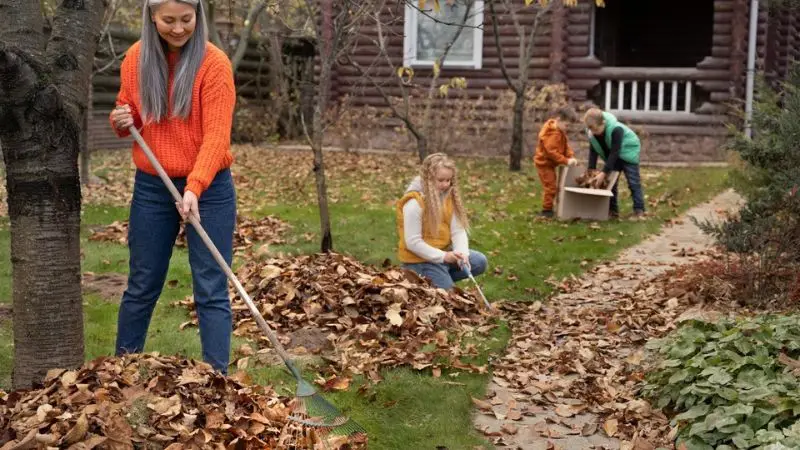
As you wrap up your fall clean-up yard work, it’s time to take care of those last important details. These final tasks will protect your yard, tools, and home from damage during winter. If you’re still wondering how to clean up your yard in the fall, don’t overlook these critical finishing touches. Taking time now prevents major problems later—and makes your spring setup much smoother.
Clean Gutters and Downspouts
Your gutters play a big role in protecting your yard and home. During the fall, leaves and sticks can clog them fast. If blocked, water overflows, damaging your foundation and creating icy patches when the temperature drops. Use a ladder and gloves to remove debris, then flush the gutters with a hose.
Make sure water flows freely through the downspouts. Do this before freezing weather starts to avoid ice dams and flooding. As part of the best tools for fall yard clean-up, cleaning gutters helps maintain a safe and dry yard.
Drain Hoses and Sprinkler Systems
Leaving water inside hoses or sprinklers can lead to cracks when it freezes. Walk your yard and disconnect all hoses. Let the water drain out completely, then store them in a shed or garage. If you have an irrigation system, follow the manufacturer’s guide to drain it properly. This step protects your watering equipment and saves you money on replacements. If you’re checking off your list of fall clean-up yard work, this is one step you don’t want to skip.
Store Yard Tools and Outdoor Furniture
Cleaning and storing tools properly means they’ll be ready for spring. Wipe down rakes, pruners, and shovels after removing any dirt. Dry them fully to avoid rust. Stack or hang tools in a dry area like a garage or shed. Don’t forget your outdoor furniture—clean it off and cover or store it inside. These final storage steps are crucial for achieving long-term success when cleaning up your yard in the fall.
- Wash and dry all tools before storing
- Cover or move outdoor furniture indoors
- Store items in a dry, sheltered place
Before winter sets in, take one last walk around your yard. Check for missed items—loose tools, garden decorations, or leftover debris. Look at your garden beds, lawn, and storage areas. Completing your checklist now means fewer surprises when spring returns.
Wrap up
A proper fall yard clean-up makes a big difference. By clearing leaves, trimming plants, and protecting your tools, you help your yard stay healthy through winter. These simple steps prevent pests, reduce damage, and make spring work much easier. Whether you’re raking, mowing, or planting cover crops, every task counts.
Don’t forget the final prep—cleaning gutters, draining hoses, and storing your tools. A little effort now saves time and money later. Take it step by step, and you’ll enjoy a clean, safe, and ready-to-grow yard when warm weather returns. Your future self—and your yard—will thank you!
FAQ
How often should you rake leaves in the fall?
You should rake leaves once a week during peak fall. If you have many trees, you might need to rake more often. Keeping up with leaves helps your grass breathe and keeps your yard tidy.
Can you leave some leaves on your lawn?
You can leave a thin layer of chopped leaves. Use your mower to mulch them. This adds nutrients to your soil. Thick piles can smother grass, so always spread them out.
What tools do you need for fall yard cleanup?
You need a rake, leaf blower, lawn mower, pruners, gloves, and bags for debris. A wheelbarrow makes moving piles much easier!
When should you start your fall yard cleanup?
Start your cleanup when leaves begin to fall and before the first hard freeze. Early cleanup gives you more time to finish each step and helps your yard stay healthy all winter.