Who doesn’t love the idea of camping? Fresh air, starry skies, crackling fires… But when it comes to actually planning your first trip, the questions pile up fast. What gear do you need? How do you stay warm? What if it rains? Suddenly, that peaceful nature escape feels a little overwhelming.
If you’ve ever felt excited about camping but unsure where to start, you’re not alone — and you’re in the right place. These camping tips for beginners will help you skip the stress and head straight to the good part: making memories in the great outdoors.
13 Camping Tips and Tricks For Beginners
1. Choose the Right Type of Camping
Planning your first camping trip? One of the most important camping tips for beginners is picking the right type of camping. Each option is different, so knowing them helps you decide.
Car camping is great for beginners. It mixes outdoor fun with having your car close by. You can bring more stuff, like blankets, a cooler, or snacks. If it rains, or you feel unsafe, you can sleep in your car. This makes car camping easy and stress-free for newcomers.
RV camping is another beginner-friendly option. It combines the comforts of home with outdoor fun. If you’re looking for RV camping tips for beginners, start with a checklist of essentials like leveling blocks, water hoses, and a surge protector.
Backcountry camping is for adventure lovers. You hike to a far-off spot and camp away from people. It offers amazing views but needs more planning. You carry all your gear, plan meals, and follow trails. For beginners, it might feel hard, but it’s exciting for those ready to try.
2. Pick the Best Campsite
Finding the right campsite is very important. A little planning helps make your trip safe and fun. Search for campgrounds in the area you want to visit. Use websites or apps to check details like bathrooms, water, and reviews. Look for places with picnic tables or fire pits if you’re new to camping.
After choosing a spot, see if you need a reservation. Popular campgrounds fill up fast, especially on weekends or holidays. Booking early secures your spot and avoids last-minute problems. Some places even let you pick a specific site, like one by a lake or away from crowds.
Camping tips for beginners: Not sure about a campground? Call and ask questions. Staff can share advice about the best spots and what to expect.
3. Watch the Weather Forecast
Always check the weather before your trip. Sunny days are great, but rain or cold can ruin plans. Camping is less popular when it’s freezing, so plan for good weather. Experts even use weather to predict camping trends, showing how important it is to prepare.
Learn the local rules before you go. Some places limit campfires or have rules about wildlife safety. Following these rules keeps you safe and protects nature.
Planning a trip in the cold months? Be sure to follow winter camping tips for beginners, like using insulated sleeping gear and layering with wool to stay warm.
4. Choosing the Right Spot for Your Tent
Picking the right spot for your tent is crucial. Look for a place with natural shade or wind protection. This keeps you comfortable and safe. Being close to amenities like restrooms can save you long walks, especially at night.
Make sure there’s enough space between you and other campers for privacy and noise control. Safety is also key. Choose areas with well-lit pathways and, if possible, security features. These basics of tent camping for beginners will help you set up the perfect sleeping area and avoid common mistakes, like pitching on uneven ground or too close to water.
Tip: Always check the ground for rocks or roots before setting up your tent. A smooth surface means a better night’s sleep.
5. Get the Best Camping Gear for Beginners
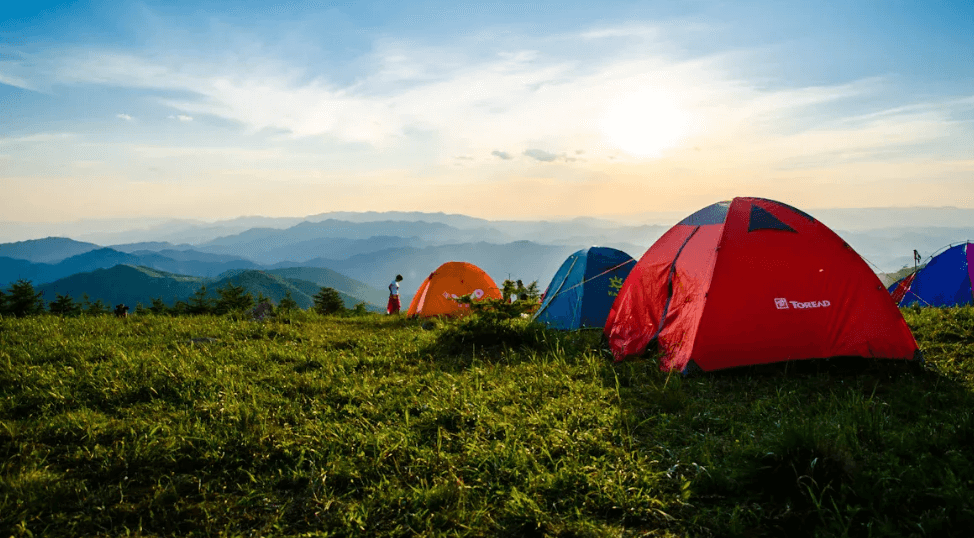
When you’re planning your first camping trip, having the right camping gear can make all the difference. The right tools and equipment keep you comfortable, safe, and ready for anything nature throws your way. But with so many options out there, how do you know what to bring? Let’s break it down into the camping essentials you’ll need and some tips on how to pack them.
Here’s a list of camping gear basics to get you started:
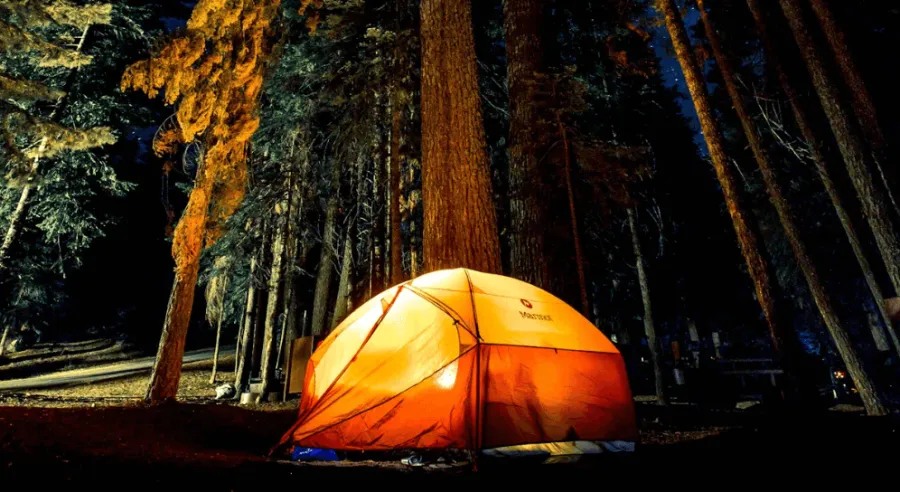
- Tent: Choose a tent that’s easy to set up and big enough for everyone in your group. Look for one with good ventilation and weather resistance. A three-season tent works well for most beginners.
- Sleeping Bag: A warm, comfortable sleeping bag is a must. Check the temperature rating to make sure it matches the weather where you’ll be camping.
- Cooking Supplies: A portable stove, lightweight pots and pans, and utensils are key for preparing meals. Don’t forget a lighter or waterproof matches.
- Lighting: Bring a headlamp or flashlight with extra batteries. Lanterns are also great for lighting up your campsite.
- First Aid Kit: Accidents happen. A basic first aid kit with bandages, antiseptic wipes, and pain relievers is essential camping gear.
- Clothing: Pack layers to stay comfortable in changing weather. Include a waterproof jacket, sturdy shoes, and extra socks.
- Water Bottle or Hydration System: Staying hydrated is crucial. Bring a reusable water bottle or a hydration pack, and consider a water filter if you’re camping in the backcountry.
- Multi-Tool or Knife: A multi-tool can handle a variety of tasks, from cutting rope to opening cans.
By following these camping tips for beginners, you’ll feel more prepared and confident on your first camping trip. Remember, the goal is to enjoy the experience, not stress over what you forgot to bring. With the best camping gear for beginners and a little preparation, you’re ready to embrace the great outdoors!
Tip: If you’re unsure how to choose your camping gear, visit an outdoor store and ask for advice. Staff can help you find the best camping gear for beginners based on your needs and budget.
6. Make Easy Camping Meals
Getting your food and water ready is super important for camping. With some planning, you can eat tasty meals and stay hydrated easily. Here are some ideas to make it simple but rich:
- Breakfast: Instant oatmeal, granola bars, or ready-made burritos are great. They’re quick, filling, and easy to clean up.
- Lunch: Sandwiches are easy to make. Bring bread, meat, cheese, and spreads. Add fruit or trail mix for a healthy meal.
- Dinner: Foil meals are fun and tasty. Put veggies, cooked meat, and spices in foil. Cook them over a fire or stove.
- Snacks: Pack nuts, jerky, or dried fruit for energy. They’re light and perfect for hikes.
Camping with kids? These family camping tips for beginners will help keep everyone happy and full. Prep meals ahead, bring favorite snacks, and include kid-friendly options like mini pizzas or marshmallow treats.
Tip: Pick foods that are cooked or don’t spoil easily. Skip raw or undercooked items if you don’t have a fridge.
7. Store Food and Water Safely
Keeping food safe stops animals from bothering you. Here are some camping tips and tricks to keep your food and water safe from the camping elements:
- Use bear-proof containers for food. If you don’t have one, hang food on a tree branch. Make sure it’s high and far from the trunk.
- Seal scented items, like toiletries, in airtight bags. This keeps animals away.
- Lock food in your car when you’re not eating. Pack leftovers right after meals and throw away trash quickly.
- Drink bottled water or use a filter for natural sources. Don’t drink tap water if it might be unsafe.
Reminder: Safe food storage is a must for camping. It keeps you safe and protects nature.
By planning easy meals and storing food well, you’ll have less to worry about. With good camping gear and preparation, you can enjoy your trip more!
8. Set Up Camp Comfortably
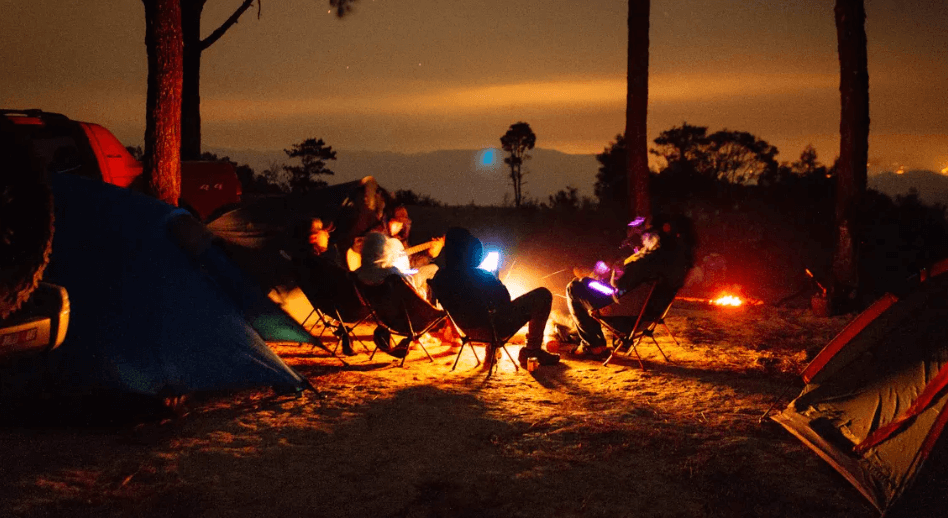
Setting up your camp just right can make your outdoor adventure much more enjoyable. Let’s dive into how you can choose the perfect spot for your tent and stay cozy and dry.
9. First Aid and Emergency Preparedness
Accidents can happen, even on the best camping trips. That’s why having a first aid kit and knowing how to use it is essential. Your kit should include bandages, antiseptic wipes, pain relievers, and any personal medications. Don’t forget tweezers for splinters and a small pair of scissors for cutting tape or fabric.
It’s also smart to prepare for emergencies. Learn basic first aid skills, like how to treat cuts or sprains. Keep a list of emergency contacts and the nearest hospital or ranger station. If you’re camping in a remote area, consider bringing a whistle or a personal locator beacon to signal for help.
Tip: Store your first aid kit in an easy-to-reach spot, like the top of your backpack or inside your tent.
10. Respect Nature and Fellow Campers
Respecting nature means being careful. Stay on marked trails to avoid harming plants. Watch animals from far away and don’t feed them. Feeding wildlife can change their natural behavior.
Be kind to other campers too. Keep noise low, especially at night. Loud sounds can bother others trying to relax. Clean shared spaces after using them. This makes camping better for everyone.
11. Minimizing Your Environmental Impact
The rule of camping is to leave no trace. Take all trash with you when you leave. Even small litter like wrappers can hurt animals. Use reusable containers to cut down waste.
Campfires are fun but can harm the ground. Use fire pits or portable stoves instead. Check if fires are allowed in backcountry areas. Always put out fires completely before leaving.
Here’s a checklist to reduce your impact:
- Bring a trash bag for waste.
- Use biodegradable soap for cleaning.
- Don’t pick flowers or take rocks.
- Keep water sources clean.
Reminder: Leaving no trace means protecting nature for others to enjoy.
By following these tips, you’ll help nature and make camping fun for everyone. Responsible camping is easy when you plan ahead and stay thoughtful.
12. Staying Clean and Safe in Nature
Maintaining hygiene outdoors doesn’t have to be complicated. Start by packing biodegradable soap, hand sanitizer, and a small towel. Wash your hands before eating and after using the restroom to prevent the spread of germs. If there’s no running water, use hand sanitizer or wet wipes.
Proper sanitation is key to a healthy camping environment. Dispose of trash in designated bins or pack it out with you. For bathroom needs, use campground facilities or dig a small hole at least 200 feet away from water sources. Cover it up when you’re done to protect the environment.
Reminder: Keeping your campsite clean not only keeps you healthy but also prevents attracting wildlife.
By following these tips, you’ll stay safe and clean while enjoying the great outdoors. A little effort goes a long way in making your camping trip stress-free and fun.
13. Stay Warm and Dry Outdoors
Knowing how to stay dry while camping is essential. Start by using a waterproof tent and a rainfly. These keep the rain out. Pack a tarp to place under your tent for extra protection. Layer your clothing to adjust to changing temperatures.
Wool and synthetic materials work best because they dry quickly. At night, a good sleeping bag and a sleeping pad will keep you warm and off the cold ground.
To enhance your camping experience, consider these comfort tips:
- Adequate and Comfortable Seating: Bring lightweight camp chairs or folding stools. They’re much better than sitting on the ground.
- Creating Cozy Ambiance: String lights or lanterns and cozy blankets can make your campsite feel like home.
- Establishing a Living Space: Organize your campsite into zones. Keep cooking areas away from where you sleep for a more pleasant experience.
Reminder: Always pack your camping gear wisely. It makes a big difference in how comfortable you feel outdoors.
What is the first rule of camping?
The first rule of camping tips for beginners is to leave no trace. You should always leave the campsite in the same— if not better— condition that you found it in. This means picking up after your trash, making sure you’re not disrupting nature and staying respectful of community rules!
What not to bring on a camping trip?
One of the biggest camping tips for beginners is this: You shouldn’t bring unnecessary baggage on your camping trips. These things include:
- Glass items
- Perfumes
- Electronics
- Extra toiletries
- Tons of toys
- Plastic wraps
- Single-use utensils
FAQ
What should I do if it rains during my camping trip?
Stay calm and prepared. Use a waterproof tent and pack a tarp. Bring rain gear like ponchos and waterproof boots to stay dry and comfortable.
How can I keep bugs away while camping?
Use bug spray with DEET or natural repellents. Wear long sleeves and pants. Set up camp away from standing water, which attracts mosquitoes.
Is it safe to camp alone as a beginner?
It’s better to camp with friends or family for your first trip. If you go alone, inform someone about your plans and location for safety.
Conclusion
Your first camping trip can be a fun adventure with good planning. Follow these camping tips for beginners to feel prepared and confident. Enjoy the experience, learn as you go, and appreciate nature’s beauty.
Of course, any good camping trip needs the right supplies. That’s where VEVOR has you covered. Whether you need a portable toilet or a portable grill, we have it all! Don’t delay, start planning and shop now, let VEVOR help you create unforgettable camping memories.