Using the right tool always makes work easier and safer — and that’s exactly true for lifting equipment. In industries like construction, manufacturing, and warehousing, lifting heavy loads is part of everyday work. Choosing the right equipment for lifting solutions isn’t just about strength; it’s about speed, safety, and efficiency. With advanced lifting tools and machines like the electric hoist, teams can move big loads faster, reduce strain, and prevent injuries. Whether it’s hoists, cranes, or hydraulic lifts, the right gear keeps your workplace productive and your people safe. Smart lifting starts with smart equipment choices — and that’s where efficiency begins.
What Are Lifting Solutions and Why They Matter
Lifting solutions are essential tools and systems designed to help move heavy materials safely and efficiently. They play a key role in almost every industry — from construction sites lifting steel beams to warehouses stacking goods high on shelves. These systems make work easier, faster, and safer by reducing the risk of strain or injury.
When exploring how to choose the right lifting equipment, it’s important to understand what lifting really means. Lifting involves raising or moving heavy objects from one place to another. While small items can be lifted manually, handling large or bulky loads by hand can be risky. That’s why specialized lifting tools and machinery are used to ensure safe material handling solutions for all kinds of workplaces.
Overview of Lifting Equipment and Its Functions
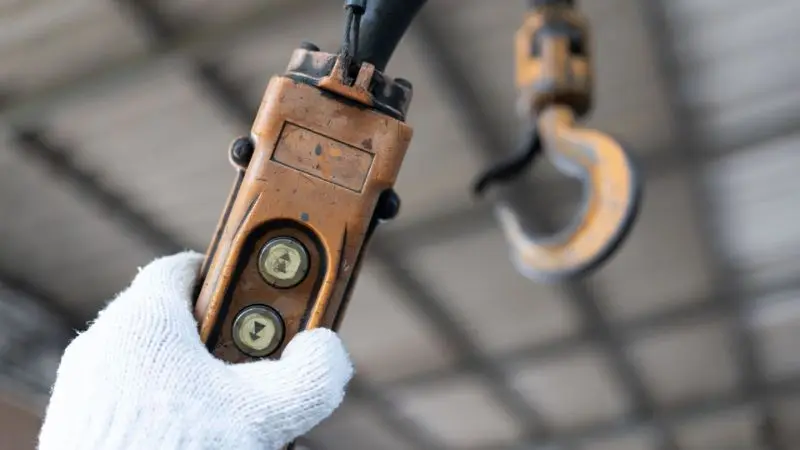
The lifting equipment is of various kinds and is equipped to do a particular job. Cranes, forklifts, and hoists are some of the most efficient heavy-lifting equipment that are used to transport bulky materials in a controlled manner. In smaller or lighter loads, equipment such as slings, chains, and lifting straps is popular.
The selection of the appropriate lifting device is dependent on the kind of work that you have and the weight of your load. Learning the characteristics and the capabilities of every machine will contribute to the safety and performance. Proper tools enable you to accomplish jobs in a much quicker manner, which means that your equipment and your staff wear out less.
Benefits of Using Lifting Solutions in the Workplace
Adopting efficient lifting solutions for workplaces brings several important advantages. These tools improve productivity by helping workers move materials quickly with less physical effort. They also increase safety, reducing the chances of accidents caused by manual lifting.
Beyond speed and safety, lifting equipment allows businesses to take on larger projects that would be impossible to handle manually. Even small workshops or warehouses can benefit from the right tools. When you invest in proper lifting solutions, you create a more productive, safer, and sustainable working environment for everyone involved.
Common Types of Equipment Used in Lifting Solutions
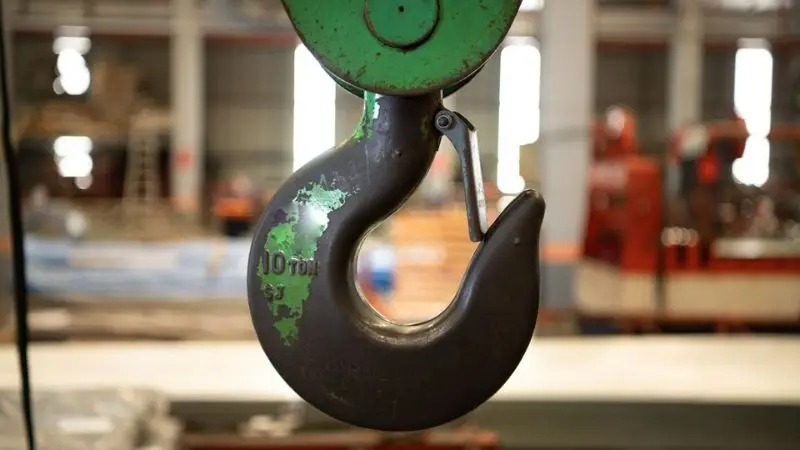
When learning how to choose the right lifting equipment, it’s important to understand the different types available. Each tool serves a unique purpose, helping businesses achieve safe material handling solutions and maintain workplace efficiency. From cranes to vacuum lifters, every option offers specific advantages that make lifting tasks easier, safer, and faster.
- Cranes and Hoists for Heavy-Duty Lifting
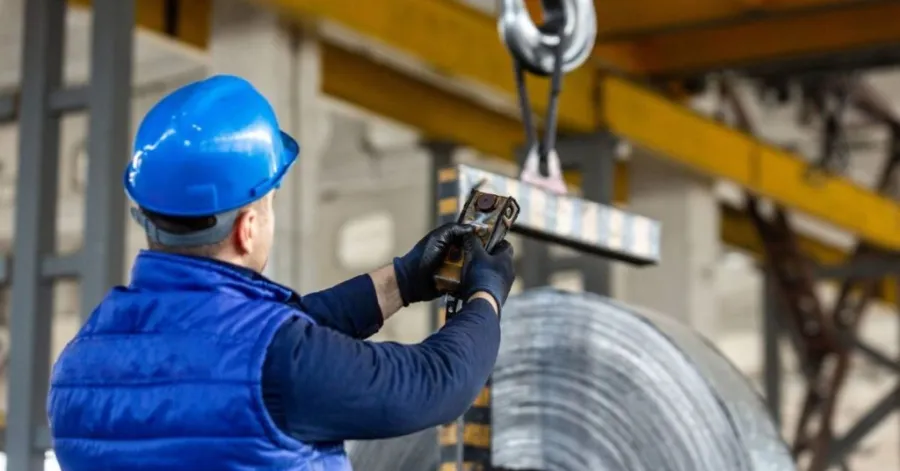
The best lifting equipment used for heavy loads is cranes and hoists, which are commonly utilized in the construction, manufacturing, and shipping sectors. Cranes lift the material in high altitudes using hooks and cables, which provide the strength and stability to heavy matter. On the other hand, a hoist is best suited to smaller and more precise jobs. They enable workers to manage the movement properly, as well as alleviate physical stress. All these tools are helpful to enhance productivity and provide effective lifting solutions to workplaces dealing with challenging job lifting activities.
- Forklifts and Pallet Jacks for Material Handling
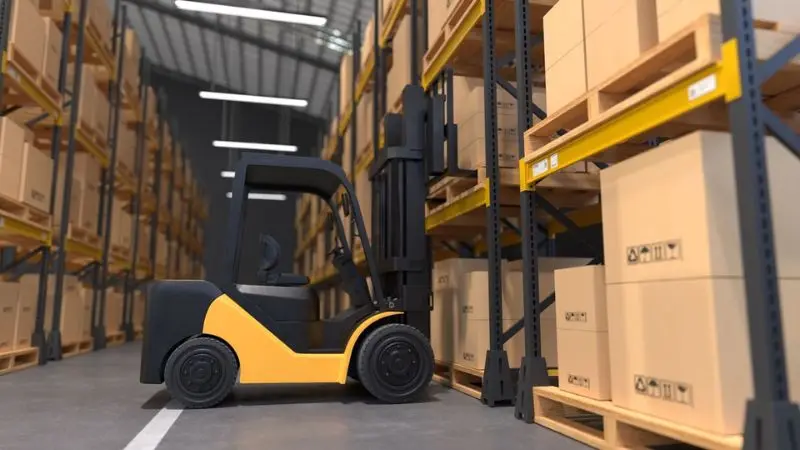
Forklifts and pallet jacks play a major role in safe material handling solutions within warehouses and factories. Forklifts are designed for moving heavy pallets and large boxes, while pallet jacks are best for lighter loads. Both machines help maintain stability, reduce manual effort, and prevent workplace injuries. Equipped with hooks or below-the-hook lifting attachments, forklifts provide better load control and balance. Choosing the right equipment ensures smoother operations, increased safety, and enhanced overall productivity.
- Hydraulic Lifting Equipment for Power and Control
Hydraulic lifting equipment is designed for jobs that require a strong force and precision. These systems use hydraulic pressure to lift heavy machines or materials with controlled movements. Standard hydraulic beams and custom lifting devices make these tools adaptable for different applications. They meet industry standards and provide operators with excellent safety and control. By including hydraulic tools in your setup, you ensure efficient lifting solutions for workplaces that handle complex and high-pressure lifting tasks.
- Slings, Chains, and Rigging Accessories for Versatile Lifting
A lifting system is likely to include lifting slings, chains, and rigging accessories. They are attached to loads using hooks, and it is possible to move items of all shapes and sizes. Rigging gear of high quality can also be used to offer solutions to safe material handling by avoiding load imbalance and actual slip-ups. The correct mixture of slings and chains also enables workers to make lifts more effective. These tools ensure the ease of lifting, safety, and flexibility of working in various industries and settings.
- Vacuum and Magnetic Lifters for Specialized Loads
Vacuum and magnetic lifters are designed to move delicate or metallic items with precision. Vacuum lifters use suction to handle fragile materials without causing damage, while magnetic lifters use powerful magnets to move metal sheets or parts securely. Both options improve efficiency and reduce manual handling risks. They provide efficient lifting solutions for workplaces that require careful material control, making them perfect for industries dealing with metals, glass, or specialized components.
How to Choose the Right Lifting Equipment for Your Needs
It all depends on the right lifting tools to select to achieve a safe and efficient operation. Learning to select the appropriate lifting equipment is important in order to align the appropriate machinery with your specific workload, workspace, and safety needs. Each lifting environment is special and, therefore, the appropriate selection not only enhances efficiency but also eliminates accidents and damage to equipment. So, here are the major points to be considered before you make the decision.
Step 1: Assess Your Load Requirements Before Lifting
The first step in finding the best lifting equipment for heavy loads is understanding what you’re lifting. Check the weight, shape, and size of your load carefully. Some materials may require standard lifting beams, while others need custom-built devices designed for unusual shapes or heavy machinery. Choosing the proper rigging hooks for your equipment also makes a big difference in safety and control. When your tools match your load perfectly, your operations become smoother and more precise, creating safe material handling solutions that prevent accidents and improve productivity.
Step 2: Evaluate Your Environment and Application Factors
Your workspace environment plays a major role in choosing efficient lifting solutions for workplaces. Start by observing where the lifting will take place — indoors, outdoors, or in tight spaces. Some tools work best in wide areas, while others are designed for confined locations. The frequency and nature of your lifting tasks also matter. For quick and repetitive jobs, use equipment that offers speed and stability. For delicate or irregular loads, precision-based tools like adjustable beams, electric hoists, or advanced rigging systems are ideal. The right match ensures smoother handling, reduces downtime, and enhances workplace safety.
Step 3: Follow Safety and Compliance Standards
Your highest consideration in choosing lifting tools should always be only safety. Safe material handling solutions that are based on accepted safety and compliance standards can be used to safeguard workers and equipment. The lifting equipment should be tested, certified, and maintained to industry regulations. The scientific rigging, stable hooks, and established load capacities are required to ensure accident-free operations. These precautions not only prevent injuries but also develop trust and reliability in the workplace. A safe and productive workflow is the result of your whole team when all the lifts are done according to the approved procedures.
Where to Buy Reliable Lifting Equipment
Finding a dependable place to buy lifting equipment can be challenging. You need gear that performs well, lasts long, and keeps your team safe. Choosing the right supplier is a key part of knowing how to choose the right lifting equipment. A trusted supplier ensures you receive safe material handling solutions that enhance efficiency, durability, and peace of mind. One of the best options available today is VEVOR, a brand known for reliability, variety, and value.
Why VEVOR Is a Top Choice for Lifting Equipment
VEVOR stands out as a leader in providing efficient lifting solutions for workplaces of all kinds — from busy construction sites to compact workshops. The company offers a wide range of lifting tools designed for strength, safety, and convenience. Whether you’re handling large-scale operations or smaller jobs, VEVOR has the best lifting equipment for heavy loads that fits your specific needs.
What you can find at VEVOR:
- Cranes & Hoists: Ideal for heavy lifting tasks with excellent stability and reach.
- Hydraulic Jacks: Perfect for vehicles and machinery that need steady, controlled lifts.
- Slings & Chains: Great for rigging and lifting objects of unusual shapes.
- Pallet Jacks: Designed for warehouse operations and easy material transport.
Each product is engineered for precision and tested for safety to ensure lasting performance in demanding environments.
Key Reasons to Choose VEVOR
VEVOR has earned the trust of professionals and small businesses worldwide. Here’s why it’s a reliable source for lifting solutions:
- Quality Assurance: Every product is tested for strength and safety compliance.
- Wide Variety: You’ll find all types of lifting tools in one place, saving time and effort.
- Strong Support: VEVOR’s team offers helpful guides, professional advice, and customer care.
- Affordable Value: Products are priced competitively, offering high quality at fair rates.
This combination of performance, safety, and service ensures that you always have access to dependable and safe material handling solutions suited to your workplace.
Easy Online Shopping and Reliable Service
VEVOR online shop gives you the opportunity to locate the correct equipment to do the work. You can:
- Explore product lines and specifications.
- Compare the various models according to your load and the workspace.
- Read reviews posted by customers before making a purchase.
- Contact the service to get professional advice on lifting requirements.
When you use a reputable supplier such as VEVOR, you are in control of making sure that all lifts are met in a safe, controlled, and efficient way. VEVOR is a reliable name, with tested strength and committed service that makes it an exceptional choice when it comes to effective lifting solutions to workplaces worldwide.
Wrap Up
Choosing the right tools and suppliers is the key to safe and productive lifting. When you understand how to choose the right lifting equipment, you create smoother operations, reduce injuries, and boost efficiency. The best lifting equipment for heavy loads helps you handle tough tasks with confidence, while efficient equipment for lifting solutions improves overall performance. By investing in safe material handling solutions from trusted brands like VEVOR, you build a stronger, safer, and more reliable work environment. Lift smarter, protect your team, and achieve more with the right equipment by your side.
FAQ
What is the most significant thing to look at before using lifting equipment?
One thing that I would always do is to check the weight limit and ensure that the gear is in condition. Look for any damage or wear. This protects you and prevents you from accidents.
What is the frequency of routine inspections of your lifting tools?
You have to check your tools prior to using them. Consistent inspections aid in identifying issues in time. In case any damage is identified, repair or change the tool immediately.
Is it possible that the same lifting device will work across all industries?
No, you cannot. The needs of every industry are different. Some jobs need special gear. Always choose the equipment that should be used in your work and that can keep your team safe.
What is your reaction when you hear the noise of the lifting device?
Stop using it right away. Something is odd when it is not making any sound. Test the device or get the assistance of a professional. Never ignore odd noises.
Why are lifting jobs important to be trained in?
Training is a way to learn how to use equipment. You get to know about safety measures and best practices. With training, mistakes and injuries are prevented.