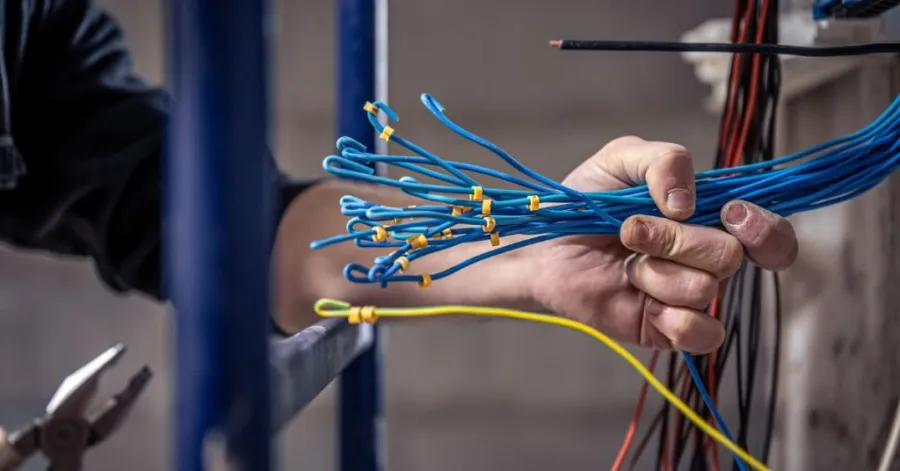
Choosing the right electrical wire size is one of the most important steps in any home wiring project. You should use an electrical wire size guide. This helps you match the wire gauge to the amp rating, which is important for every installation. This keeps you safe and prevents wires from overheating. The AWG system uses numbers to indicate wire thickness, with lower numbers indicating thicker wire. Always consult the ampacity chart before starting your project. Choosing the right wire gauge enhances safety. Using the correct wire size ensures regulatory compliance and helps you avoid hazards. This guide explains how to choose the electrical wire size for home wiring using simple calculations, wire charts, and practical tips. You will also learn about common wire types, voltage drop considerations, and mistakes to avoid during installation. By following proper electrical wiring practices, you can improve safety, comply with local electrical codes, and create a reliable electrical system for your home.
- Factors That Determine the Correct Electrical Wire Size
- Electrical Wire Size Chart for Common Home Projects
- How to Calculate the Correct Wire Size for Safe Home Wiring
- Common House Wiring Types for Safe Electrical Installations
- Mistakes to Avoid When Selecting Electrical Wire Size
- DIY vs. Hiring a Licensed Electrician
Factors That Determine the Correct Electrical Wire Size
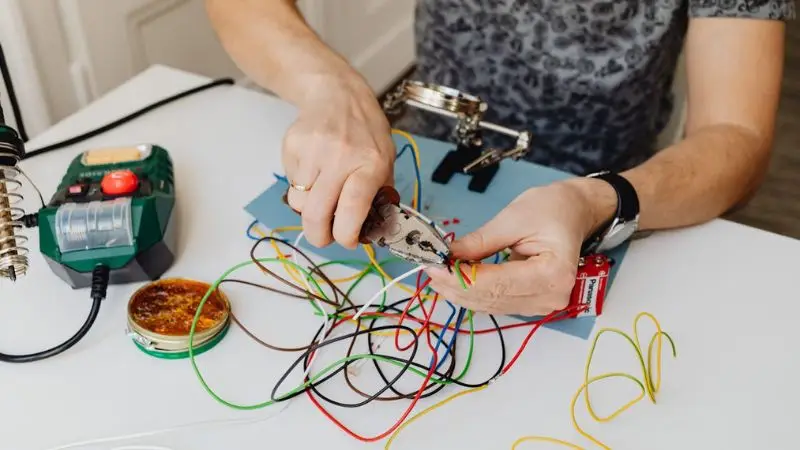
There are several factors to consider when choosing the right electrical wire size for your home wiring project. There are two important factors to consider: the electrical load and the amperage rating. The wire should not overheat while carrying the circuit current. Wire also affects temperature and environmental conditions, which is why it is important to select the right wire size and insulation type.
Electrical Load and Amp Rating
When making a selection, the electrical load should be taken into consideration. Load is the amount of current that flows in the wire. Each wire has an ampacity rating. This will let you know the most recent the wire can carry safely. If you use a low-ampacity wire in a high-current circuit, it can get too hot. Match ampacity with your circuit using the wire gauge chart. Always add up the currents of all the devices on the circuit. Also, check the electrical wire size on the house wiring chart to select the proper wire size for your ampacity. The wire size guide will correctly match the total electrical load to the appropriate amperage rating, ensuring it does not exceed the safe limit. It eliminates the guesswork and renders the process much safer, particularly for novices. By using the Electrical Load and Amp Rating feature, users can avoid these issues by choosing a wire that is properly matched to the circuit’s needs.
Wire Length and Voltage Drop
Wire length refers to the distance between your power source and the device you’re powering. The longer the wire is, the more difficult it will be for the electricity to move through it. The voltage drop is affected by the length of the wires. The strength of the electric field decreases as it travels along a long wire. This voltage drop is called a voltage drop. Devices might not function as intended if the voltage is too low. The thicker the wire, the further the distance, and the less the voltage loss. To choose the appropriate wire size for ampacity and voltage drop, use the wire gauge chart. It also shows you how to calculate the size of electrical wire. Calculate the voltage drop between the power source and the device. The amount of voltage drop can be high enough in some instances to cause equipment damage or overheating.
Copper vs. Aluminum Wiring
Copper wire carries current better than aluminum wire. Aluminum wire has lower ampacity and requires larger sizes to carry the same current. How to choose the electrical wire size for home wiring? Check the wire gauge chart for both copper and aluminum. Copper wire is used more in homes because it handles voltage and current well. Aluminum wire is different from copper wire in conductivity, weight, cost, durability, and safety. Copper wire offers greater conductivity, lower resistance, and a longer service life. Aluminum wire is lighter, more flexible, and less expensive, making it suitable for large-scale, industrial use. To minimize safety hazards, however, aluminum wiring must be thicker, have special connectors, and be maintained regularly. A major difference between copper wire and aluminum wire is the amount of maintenance they will require.
Indoor vs. Outdoor Electrical Applications
Indoor and outdoor wiring need different things. Outdoor wires are exposed to moisture and temperature changes. You must use wires with good insulation and ampacity for outside circuits. The wire gauge chart shows which wire types are suitable for each application. Outdoor wires often need higher voltage ratings and thicker insulation. This feature explains how to calculate the required wire size and choose the right wire for the installation location. This is very important because indoor and outdoor environments differ significantly, and each affects electrical wires differently. Using the wrong type of wire in the wrong location can lead to safety risks, damage, and system failure. It helps users match wire safety requirements with installation conditions. Outdoor electrical work often requires wires such as UF cable or THWN. This guide explains when and why these wires should be used.
Electrical Wire Size Chart for Common Home Projects
The right size of electrical wire will accommodate the appropriate electrical load for common household applications and ensure reliable, safe use. 14 AWG wire is suitable for 15-amp circuits; 12 AWG wire is recommended for 20-amp circuits and most power outlets, including lighting. To avoid overheating and electrical hazards, be sure to use wire sizes that match the circuit’s amperage rating.
Recommended Wire Sizes for Lighting Circuits
Based on this information, what wire size is for a 15-amp circuit? Most lighting circuits require 14-gauge copper wire. This wire will safely carry up to 15 amps. Use 12-gauge wiring if a 20-amp circuit breaker protects the lighting circuit. Before selecting the wire size, always consider the total wattage of your lights. This feature is activated by matching the electrical current (amps) in the light circuit to the wire gauge (thickness). With this easy step-by-step advice, the confusion about electrical calculations is eliminated. If you intend to add more lights later, use 12-gauge wire.
There are two points:
- Standard Lighting: Is a 14 AWG copper wire and can handle up to 15 amps.
- Heavy Duty Lighting: 12 AWG copper wire, and can safely handle up to 20 amps.
Best Wire Gauge for Power Outlets
12-gauge copper is typically used in most homes. What size wire for a 20-amp breaker? The 20-amp breaker is used for outlets in living rooms and bedrooms. The size of the wire for a 20-amp breaker is used for outlets in the living room and bedroom. Older homes may have 14-gauge wire in the 15-amp circuits. However, consider upgrading to a 12-gauge for additional safety. Power outlets are utilized daily for numerous devices, including TVs, computers, kitchen appliances, chargers, lamps, and electronics. Every outlet circuit carries a certain amount of electrical current. If the wire is not large enough to handle the current flowing through it, it can heat up and pose a danger.
- For new outlet circuits, use 12 AWG.
- Only use 14 AWG when the breaker is 15 amps and local code permits.
Wire Size for Kitchen Appliances
Kitchen appliances draw more power. For safety, use thicker wire: 12-gauge for small appliances and 10-gauge for large appliances. How to choose the electrical wire size for home wiring? One of the most active spaces for electricity use in a house is the kitchen. Different appliances consume varying amounts of electrical energy. Electrical appliances such as a microwave, refrigerator, oven, cooktop, dishwasher, coffee maker, and toaster require varying amounts of electrical power. This feature will help the user understand the differences among kitchen appliance types and the wire gauge required for each, based on their power requirements.
Some wire sizes for kitchen appliances:
- Small Appliances: Use 12-AWG copper wire rated for 20 amps.
- Temperatures and cooking areas: Use 10 AWG copper wire with a capacity of 30-40 amps.
Garage, Workshop, and Outdoor Wiring Recommendations
Garages and workshops use tools that need more power. Outdoor circuits face weather and distance. You should use 12-gauge wire for a 220V outlet and lights. For long runs or heavy tools, use 10-gauge wire. You must always pick wire rated for outdoor use, like UF cable. Garages and workshops often use power tools and equipment that require more electricity than standard household devices. Items such as air compressors, table saws, drills, welders, lawn equipment, and heavy-duty lighting can place a large electrical load on a circuit.
- Use 12 AWG for standard outlets and lights.
- Use 10 AWG for long runs or high-power tools.
- Choose weather-resistant wire for outdoor projects.
How to Calculate the Correct Wire Size for Safe Home Wiring
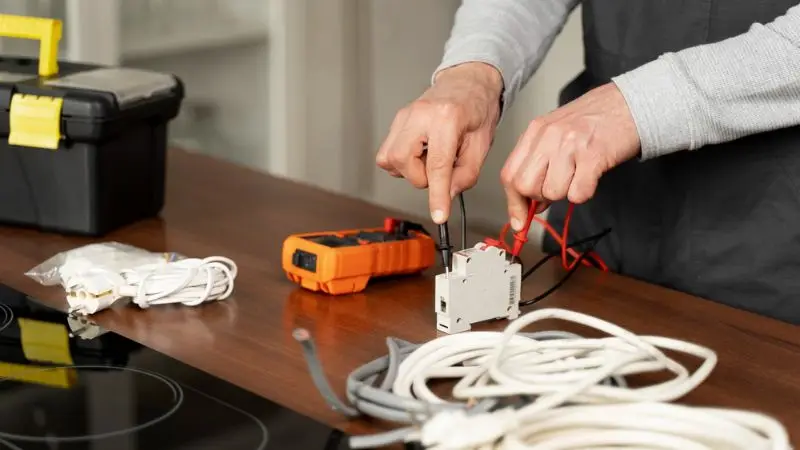
Calculating the correct wire size requires understanding the total electrical load, amp requirements, and voltage drop for your circuit. Start by adding the wattages of all connected devices and dividing by the circuit voltage to determine the total amperage load. After finding the amp rating, use a wire size chart to select a gauge that can safely handle the current.
Step-by-Step Wire Size Calculation Guide
You can choose the right wire size by following a few simple steps. First, list all the devices you want on the circuit. Next, check the power rating for each device. Then, add up the total wattage. You must divide this number by your circuit’s voltage. This gives you the total amperage, so you must use a wire size chart to match it to the correct wire gauge. You should always check the current capacity for safety. How do you choose the electrical wire size for home wiring? Choosing the right wire size is very important because wires carry electricity throughout a home. If the wire is too small for the amount of electricity being used, it can overheat, damage appliances, trip breakers, or even create a fire hazard. On the other hand, using wires that are too large can unnecessarily increase installation costs.
How to Determine Amp Load Requirements
Before selecting a wire, one must be familiar with the load the amps are powering. Check the wattage on each device’s label. Total the wattages. Divide by the voltage (usually 120 or 240 volts in homes). This will result in the amp load. How to calculate electrical wire size? Ensure that the wire can carry the circuit’s power. People often have difficulty grasping the meaning of electrical terms such as amps, watts, and volts, as well as load calculations. This functionality simplifies those concepts into easy-to-follow steps, allowing users to calculate the electrical requirements of their devices.
Some more steps to determine amp load requirements:
- A light bulb consumes 60 watts of power, operates at 120 volts, and draws 0.5 amps of current.
- A toaster has a power rating of 1200 watts, a potential difference of 120 volts, and a current of 10 amps.
- The power of a microwave is 1,000 watts, and it uses 120 volts at about 8.3 amperes.
Understanding Voltage Drop Calculations
As electricity travels along long wires, it loses voltage. This is known as a voltage drop. Too low a voltage could cause your devices not to operate properly. Consequently, equipment might not be able to perform at its optimum level. You can use a voltage drop calculator or formula. If the voltage drop exceeds 3% (which is acceptable for most home circuits), any additional enhancement needs to be measured. If the run is long, select a thicker wire to keep the same current as the electrical wire size on the house wiring chart. The guide simplifies the process of selecting the right wire size and helps prevent typical electrical issues. The feature describes this concept in plain language, avoiding technical electrical terminology to prevent users from becoming overwhelmed. The user can now easily see how the wire length, wire size, current flow, and voltage are related without having to perform complicated calculations.
Using Online Wire Size Calculators
Wire size is simple to calculate using online calculators. The amp load, wire length, a nd voltage are entered. The tool recommends the appropriate wire size for your needs. These calculators will also take into account the current capacity and voltage drop. Always check with a wire size chart to double-check the results. A wire that is too small can burn out, go dead, or cause serious electrical safety hazards, including electrical fires or short circuits. When the wire is too large, users may end up paying more for unnecessary materials. The amperage, voltage, wire length, and electrical load are all factors to consider when sizing wire, which can be confusing for many. This feature is designed to ease electrical calculations and wiring selection. There’s also a solution to choosing the right electrical wire size for home wiring: follow this guide. The online resources are helpful, but if necessary, always double-check with local codes and locally qualified professionals.
Common House Wiring Types for Safe Electrical Installations
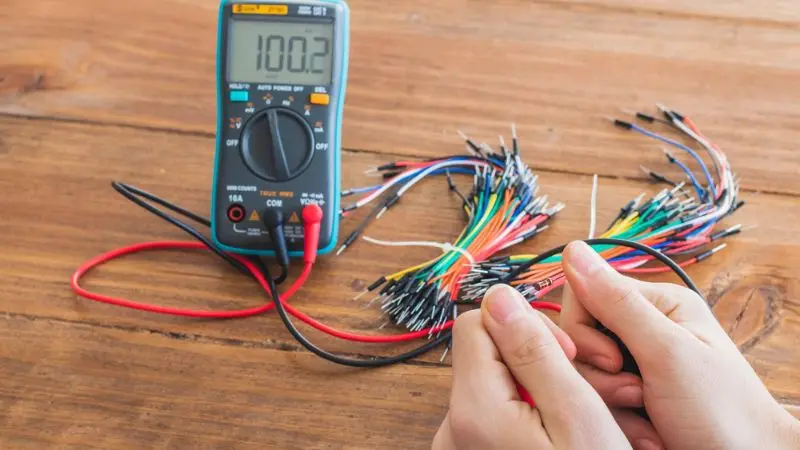
The most common types of electrical wires in a home serve various applications and environments. NM-B (Romex) is commonly used for wiring inside buildings; THHN and THWN wires are suitable for use with dry, damp, conduit installations. Selecting the right type of wire can enhance safety, longevity, and code compliance.
NM-B (Romex) Cable Explained
NM-B cable is a very common home cable; it is also referred to as Romex. It is used by electricians when wiring homes. The cable contains several wires enclosed in a plastic sheath. Use NM-B for outlets, switches, and lights. “NM” indicates that the cable is not metal-sheathed. The “B” indicates it can withstand more heat. Never use NM-B outside or in damp areas. At this point, you’ll find a complete electrical wire sizing guide for NM-B cable. Even for those with limited experience, electrical wiring jargon can be difficult to understand. The description of the NM-B cable in the guide is clear, stating that it is a non-metallic electrical cable with multiple wires inside and a plastic exterior. It is typically installed in ceilings, walls, and floors within buildings for electrical installation projects. Before using this cable at home, check the “NM-B” label.
THHN and THWN Wires
You might see THHN and THWN wires in pipes or raceways. These wires have one conductor and special insulation. THHN means “Thermoplastic High Heat-resistant Nylon-coated.” THWN stands for “Thermoplastic Heat and Water-resistant Nylon-coated.” You can use these wires in dry or wet places. Electricians use them in garages, basements, and outdoor pipes. How to calculate electrical wire size? This guide clearly explains that these wires are known for their durability, heat resistance, and protective insulation.
Some features of THHN wire:
- THHN wire is mainly used in dry locations and is designed to handle high temperatures safely.
- THWN wire is commonly used in wet locations and is built to resist both water and heat.
UF Cable for Underground Applications
UF cable is for wiring underground. UF means “Underground Feeder.” This cable has thick insulation to keep out water and dirt. You can put UF cable right in the ground. It works for outdoor lights, sheds, and garage power. How to choose the electrical wire size for home wiring? If you want to run a service underground, you should use UF cable. This cable is well-insulated and waterproof, keeping water and dirt at bay. It is used for underground wiring to outdoor lights, sheds, or garages. UF cables can be used in residential or commercial service. The feature clearly communicates the function of UF cable to the user and helps them to choose the appropriate solution for their wiring projects, underground and outdoor outlets. You should call your utility company before digging for UF cable.
Armored Cable vs. Non-Metallic Cable
You can pick armored cable (AC) or non-metallic cable (NM) for different jobs. Armored cable has a metal cover to protect the wires. Use it where wires might be hit or crushed, such as in basements or garages. Non-metallic cable, like NM-B, is easy to cut and bend. You use it for most indoor walls and ceilings. You also use armored cables in garages, factories, and outside. They are good for places where people might step on or hit the wire. Armored cables reduce this risk by adding an extra layer of protection around the wires.
- Pick armored cable for more protection.
- Pick a non-metallic cable for regular indoor wiring.
Mistakes to Avoid When Selecting Electrical Wire Size
Choosing the right wire size helps keep your home safe. Choosing the wrong electrical wire size can create serious safety hazards in your home. You should know the mistakes to avoid. This helps you stay safe and follow electrical rules. Following wire size charts, safety guidelines, and local regulations helps ensure a safe and reliable electrical system.
Using Undersized Wires
Some people think smaller wires cost less, but small wires are dangerous. They can get hot and start fires. You should always check the circuit’s amperage rating and match it to the appropriate wire gauge. Thin wires lower safety and can hurt your devices. You must never guess the wire size. You should use an electrical wire size for the house wiring chart and follow safety rules. Undersized wires can become dangerously hot when too much electricity flows through them. Over time, this heat can damage wire insulation, melt protective coverings, trip breakers, or even start electrical fires. The feature helps users identify these dangers before starting a project, reducing the risk of accidents and property damage.
Ignoring Circuit Breaker Compatibility
You need to match the wire size to the circuit breaker. If the wire cannot handle the breaker’s amps, it is unsafe. The breaker may not trip fast enough. The wire can get too hot, so you should check the breaker rating before installing any wire. This step makes your project safer and stops electrical problems. This feature explains the risks of mismatched breakers and wires in simple language so users can avoid dangerous mistakes. It helps users avoid this dangerous situation by teaching proper breaker-to-wire matching.
- Check the breaker’s amp rating.
- Match the wire gauge to the breaker.
- Do not use different wire sizes on one circuit.
Overlooking Local Electrical Codes
Local codes keep you and your home safe. You may be injured or fined if you ignore them. Some codes establish the requirements for wire size, installation, and materials to be used. The purpose of these rules is to provide guidelines for the installation procedures for electrical systems, the materials used, and the circuit power loads. Always refer to your city or county rules. If users abide by local codes, they are more likely to install wiring systems that operate safely and reliably. The guide clarifies that codes are not only complex legal requirements but also effective safety guidelines for protecting persons and property. It also enables users to learn how to calculate the size of electrical wire.
The following code helps to keep your project safe and legal:
- The proper size wire for the load.
- Proper circuit breaker protection is ensured.
- Grounding and bounding requirements
- Avoid installing in wet and outdoor areas.
Mixing Different Wire Materials Incorrectly
There may be copper and aluminum wires in your home. Don’t do it without the correct components, and it isn’t safe. Rusting and loosening wires can result from different metals. When connecting different types of wire, always use approved connectors. This prevents your wiring from weakening or becoming damaged. You can avoid mistakes, like choosing the right size electrical wire for home wiring, and make your home safer. Always verify and adhere to safety guidelines for any project.
- Users should always use the proper size wire to avoid a fire hazard.
- Failure to consider breaker compatibility can lead to overheating, so users must ensure the breaker and wire size are compatible.
- Users should be aware of local electrical codes and standards to avoid potential legal issues or failure to pass inspection.
DIY vs. Hiring a Licensed Electrician
Replace light fixtures, outlet covers, or wall switches – some simple electrical projects. It is possible to use these safely at home, as long as safety measures are in place. Safety tips and knowing when to call a professional will keep you, your electrical system, and your home safe.
When a DIY Electrical Project Is Safe
With safety regulations in mind, it is possible to perform a few electrical projects at home. While simple, such as changing a light switch or replacing an outlet cover, these tasks can be safely performed by most homeowners. It is always best to unplug the power at the breaker before you begin! Also, make sure, using a voltage tester, that the wires are not live, as you would with the wire gauge for a 220V outlet. Always follow the manufacturer’s directions on electrical components. Don’t hesitate to ask for assistance if you are unsure. The rule to follow is to work only on projects where the wiring and circuits will not change.
Here are some projects that you can work on alone:
- To change light bulbs or fixtures.To replace light bulbs or fixtures.
- Putting in a new outlet cover
- Switching the wall switch.
- Replacing the ceiling fan (wiring may already be installed)
- When the circuit breaker trips, you’ll need to reset it.
Signs You Should Call a Professional Electrician
What is the amp load on your circuit? Then use a wire gauge chart to match the wire size. The electrical wire size house wiring chart makes the process smooth by providing wire size selection. Always work within local code and safety regulations. If you have any doubts, call in a licensed electrician. Certain occupations require a licensed electrician. When in doubt, always call a licensed electrician. If you notice any of these symptoms, it’s time to call a pro:
- Install an additional circuit or breaker.
- You are looking to upgrade your electrical panel
- Burned outlets or burning wires are detected.
- Frequent light flickering and/or frequent breaker trips.
- You find old or damaged wiring
- You’re installing large appliances or HVAC systems
Keep in mind: Safety is the most important factor in ALL! Electrical projects.
Wrap Up
Properly sizing electrical wire is critical to a safe, efficient, and reliable wiring system. In this guide, we have learned about various factors, such as electrical load, wire length, voltage drop, and temperature, as well as how to calculate the electrical wire size. Various wire types were also reviewed, including NM-B, THHN, THWN, and UF wire. Also, knowing how to prevent common errors, such as using undersized wiring or improperly combining materials, can significantly enhance safety and performance. The guide also points out when do-it-yourself repair and installation is warranted and when it is best to hire a licensed electrician to perform the work if it is too difficult or hazardous. Taking the time to practice proper electrical wiring techniques is not only good for your home but also for your peace of mind when tackling electrical projects.
FAQ
If you use the wrong size wire, what will be the consequences?
You may overheat or start a fire if you install the wrong size wire. Too small wires cannot handle the current. You may also see a voltage drop, which can damage your devices.
What is the solution to the voltage drop in long wire runs?
The thicker the wire, the less voltage drop it causes, which is why you will not have a drop at long distances. Find the length of your wire run. Refer to a wire size chart to select the appropriate gauge. This ensures that the voltage drop on most home circuits is held to 3% or less.
What is the reason for the voltage drop in home wiring?
Why voltage drop is important: because it affects the device’s performance, the voltage can be too low for lights to light or appliances to start. You would like to maintain a low voltage drop to ensure that your electronics are not damaged and everything functions properly.