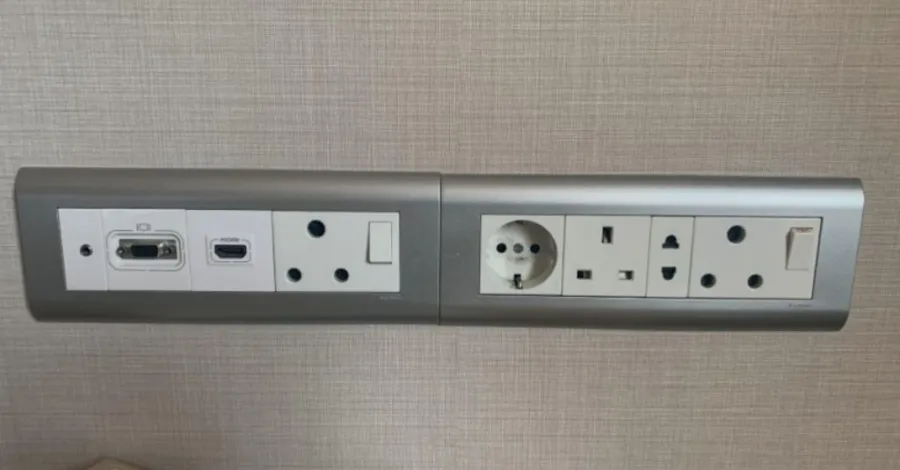
You use electrical socket types every day, whether at home, work, or when travelling. The proper types of outlets power your devices safely, so knowing the correct type can prevent an electrical fire. Different varieties of electrical sockets and plugs correspond to specific devices, voltages, and regions to keep your devices operational. When installing or maintaining outlets, using the right tools, such as a socket and wrench, helps ensure connections are secure and safe. Various types of outlets are available, including smart outlets, tamper-resistant outlets, GFCI outlets, and universal sockets. The right power point not only safeguards your devices but also ensures the safety of your family and makes your daily life more seamless. Knowing the types of electrical sockets is important for using electricity safely anywhere.
Main Types of Electrical Sockets
Understanding different types of electrical sockets and plugs is important for safety and convenience. You encounter various outlets in homes, offices, hotels, and schools. Each type has a unique shape, pin arrangement, and voltage compatibility. Every type comes with a differently designed shape, orientation of pins, and voltages. While some are used only in a certain region, others are used across the globe. Being aware of the different electrical sockets allows you to use electrical devices safely, as well as find the appropriate adapters when you travel.
Type A and Type B (North America, Japan)
In the USA, Canada, and Japan, the type A and type B plug outlets are commonly used. These locations can be found in almost all homes, offices, and hotels in these regions.
- Type A: Features two flat parallel slots and no grounding pin. Ideal for small appliances like phone chargers and lamps.
- Type B: Has two flat slots plus a round grounding pin below. The grounding pin makes it safer for larger appliances like computers or kitchen devices.
These types of wall plugs for the home are compatible with 100-127 volts and are also found in parts of Central America and the Caribbean. You will typically see them in kitchens, bedrooms, and offices.
Type C (Europe, South America, Asia)
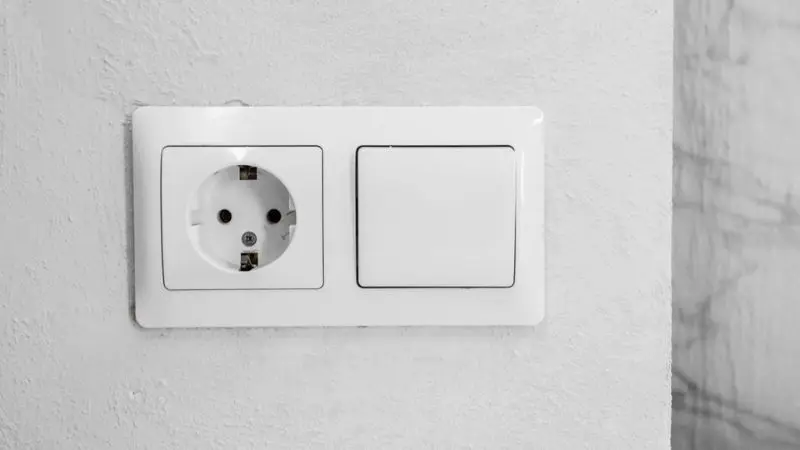
You will find many Type C outlets all over Europe, South America, and Asia. They are identifiable by means of their two round pins.
- Type C: Also called the “Europlug,” this socket does not include a grounding pin. It works for small devices like radios, chargers, and kitchen appliances.
They are operating at 220-240 volts. They are very flexible since electrical socket types around the world often allow Type C plugs to fit into other European outlets. You will find them in hotels, airports, and homes.
Type D (India, Nepal, Some African Countries)
The design of Type D sockets is for countries like India and Nepal. There are three large round pins in a triangular arrangement.
- Type D: Suitable for both small and large appliances. Common in homes, offices, and hotels.
The sockets operate with a voltage of 220-240 V. This is the type you need if you travel to India or neighbouring countries to safely run your gadgets.
Type E and Type F (Europe)
Type E and Type F plugs are widely used in various countries across Europe, such as France, Germany, and Spain. Home Appliances, PCs, and televisions mostly make use of them.
- Type E: Two round pins with a hole for the grounding pin. Common in France and Belgium.
- Type F: Two round pins with grounding clips on the sides, also called the German outlet. Used in Germany, Austria, and the Netherlands.
The outlets operate at 220-240 V. If you’re traveling or moving to Europe, it helps to know what electric socket types will fit your devices.
Type G (UK, Ireland, Middle East)
The standard electrical outlet type in the UK, Ireland, and many countries in the Middle East is Type G. One can recognize a three-legged power plug easily by its three rectangular pins in a triangular formation.
- Type G: Includes a built-in fuse for extra safety and is often referred to as the British outlet.
These power outlets operate within the voltage range of 220-240 and are generally found in homes, hotels, and schools. It is necessary to use the right adapter to safely connect other plug types.
Type H (Israel)
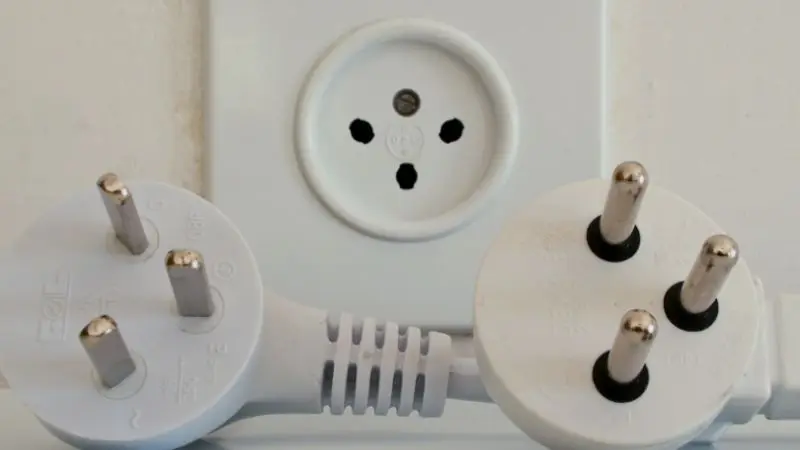
Type H outlets are found only in Israel. The Y-shaped configuration comes from the three pins.
- Type H: Used for most household appliances, computers, and kitchen devices. Operates at 230 volts.
This type makes them compatible and safe with various types of sockets and plugs in Israel.
Type I (Australia, China)
Type I power receptacles are widely utilized in Australia, New Zealand, China, and related Pacific islands. It has two flat pins, which are in the shape of a ‘V’, and below which it has a grounding pin.
- Type 1: Suitable for TVs, computers, and kitchen appliances. Operates on 220-240 volts.
These sockets offer secure connections for all kinds of wall plugs for homes and commercial equipment in the area.
Type J, K, L, N (Other Regions)
A few countries have different designated outlets for the main types mentioned. People who travel to Switzerland, Denmark, Italy, and Brazil may find this.
- Type J: Switzerland, three round pins in a line.
- Type K: Denmark, two round pins and a grounding pin.
- Type L: Italy, three round pins in a line, also called Italian outlets.
- Type N: Brazil and South Africa, three round pins in a triangle.
People use these outlets in homes, offices, and hotels. Italian outlets can be found in both old and modern-day buildings.
NEMA 5-15 (Standard North American Outlet)
The standard American outlets that are often found in the US and Canada are called NEMA 5-15.
- NEMA 5-15: Two flat parallel slots and a round grounding pin. This socket can be used for most things in the house. Functions on 120 volts.
Using the correct plug for the correct circuit will not damage the appliance. Now you know what the types of electric sockets are and how to use each of them effectively helps in keeping your device safe anywhere in the world.
Specialized Types of Power Outlets
Specialized types of electrical sockets and plugs are used in different homes and public places for safety and convenience. They protect a person and the device as well as ease out the process. Proper installation and maintenance, often carried out with basic tools like a socket and wrench, play an important role in ensuring these sockets function safely and reliably. Learning what the types of electrical sockets offer in terms of additional protection accordingly helps you select the appropriate socket for every room and environment.
GFCI Outlets (Ground Fault Circuit Interrupter)
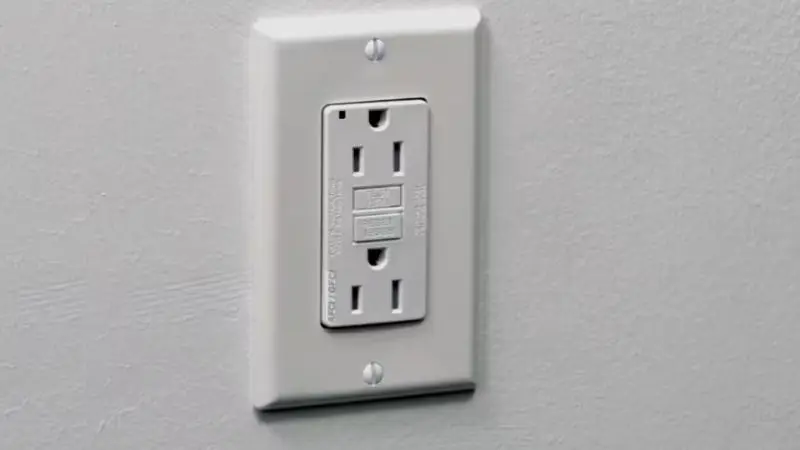
GFCI outlets can help protect you against electric shock. They control the electric flow and immediately shut off the power in case of a problem. Areas where water is present, such as bathrooms, kitchens, and outdoors, require the installation of electrical appliance outlets.
- Safety feature: Cuts off electricity in the event of a fault to prevent shock.
- Common spots: bathrooms, kitchens, and patio sockets.
You must regularly test your GFCI outlets. To check that they work, press the “Test” button. Some modern receptacles offer GFCI and Arc Fault Circuit Interrupter protection for added safety. When used appropriately, GFCI outlets guarantee that the many types of electrical sockets and plugs remain effective.
USB Outlets
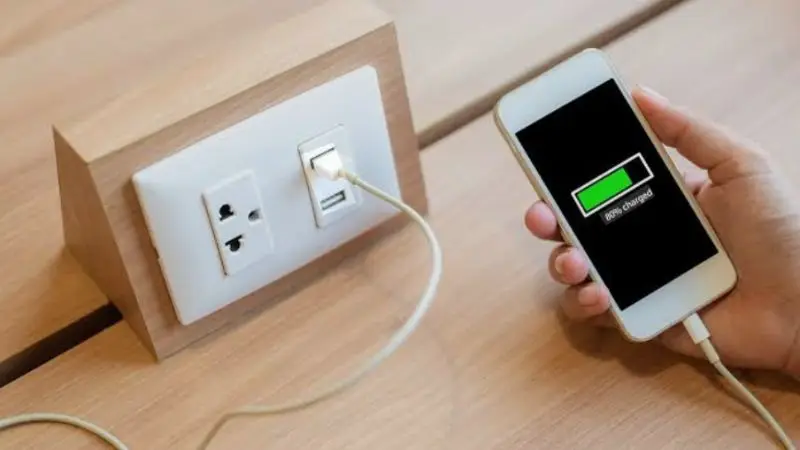
USB outlets are used for charging your phones, tablets, and other devices without using an adapter. The benefits are that it saves space so that you don’t have tangled cords.
- Safety features: Charging Safety Feature with The Automatically-turned-off Function.
- Common locations: Places: Bedrooms, offices, hotels.
USB power outlets are often installed on regular electrical sockets. It enables a fast charge of several devices and offers easy plugging capability of devices anywhere in your home or office.
Smart Outlets
Wi-Fi-enabled smart outlets can communicate with your mobile devices directly, allowing you to control your appliances remotely using your smartphone. Switch on/off your lamps, fans, or appliances from anywhere and set schedules to save energy!
- Safety features: Remote control, programming, and energy management.
- Common locations: Typical areas include living rooms, offices, and smart homes.
Smart homes are the latest addition to these outlets. With smart outlets and other kinds of wall plugs for the home, you can make life more convenient and safe on a daily basis.
Tamper-Resistant Outlets
Tamper-proof outlets can help protect children. The built-in shutter mechanism allows only a single object to be inserted in each slot. In order for a plug to fit, both slots have to be pressed in.
- Safety features: Child safety and shock prevention capabilities.
- Common locations: Houses, educational institutions, and child-care centers.
The outlets are designed for use in places where kids play or hang out. When you fit your home with tamper-resistant outlets, you ensure compliance and use of the most common wall socket type worldwide.
Weatherproof and Outdoor Outlets
Weatherproof outlets resist rain, dust, and other outdoor elements. They frequently possess covers that close automatically when not in use. Essential for gardens, patios, and outside lighting systems, these sockets are.
- Safety feature: water and dust resistance.
- Common Spots: Patios, gardens, and external walls.
Weatherproof outlets prevent mishaps outdoors and keep your appliances safe. With GFCI protection, outdoor electricity is just as safe as indoors when using these outlets. The various types of electrical sockets and plugs can ensure that your home is safe and convenient.
How to Identify Electrical Socket Types
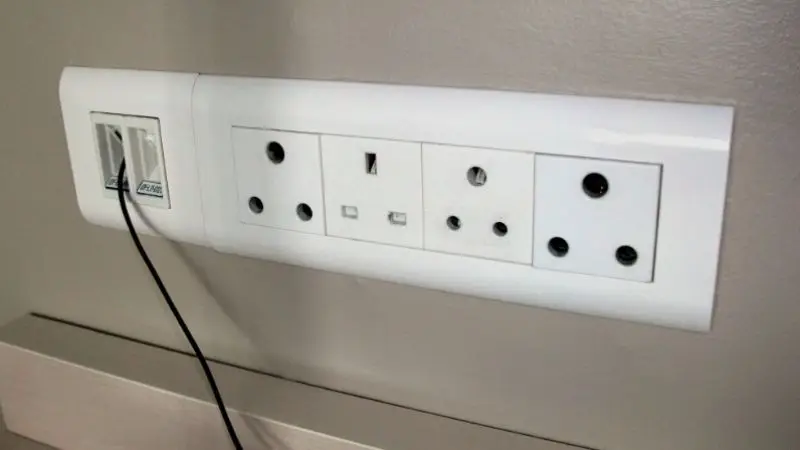
When travelling or using devices at home, knowing the electrical socket types across the world is essential. Outlets differ in shapes, pin configurations, voltage ratings, and safety marks. By knowing how to recognize them, you will be able to select appropriate wall plugs for your home & not damage your electrical appliances.
Physical Features and Pin Configurations of Electrical Sockets
The physical structure reveals the difference between various electrical sockets and plugs. Some sockets have two flat pins, while other sockets have round pins or a combination of both. Some types have a triangular or straight-line arrangement of three pins. The North American outlet has flat slots, whereas the European outlet has round holes for insertion.
- Check how many pins are on the socket?
- Ensure that the grounding pin exists.
- Check the general outline and dimensions of the socket.
It’s important to match your plug to its socket. If you use the wrong type, then it can damage your device. If you know about the electrical socket types, then you will be able to use your electronics safely both at home and abroad.
Voltage and Current Ratings of Outlets
Every electrical outlet consists of a voltage and current rating. Being aware of this will help to secure your devices. Most outlets in the United States use 120 volts. However, outlets in Europe, Asia, and Australia use 220–240 volts. Connecting a device to an incompatible socket may damage the device and start a fire.
- USA: 120V, Type A and B outlets
- Europe: 220–240V, Type C, E, and F outlets
- Australia: 230V, Type I outlets
Always check current and voltage figures, which are normally marked near the socket or on the cover. This guarantees that your gadgets perform correctly and stay secure, according to the types of wall plugs used in the home or travel.
Safety Markings and Certifications on Electrical Outlets
Outlets that are certified tell us that the socket is safe and it won’t give us electric shocks. Check the outlet or its packaging for labels such as UL, CE, or IEC. Opt for certified outlets to guarantee durability and dependable protection for your appliances.
Using certified electrical socket types around the world can save your devices and keep your home safe from hazards. When installing or replacing an outlet, using proper tools like a socket and wrench helps ensure the outlet is fitted securely and safely. Before fitting or using any new RJ45 outlet, always check the markings.
Regional Uses of Electrical Socket Types
Power outlets are a daily necessity, whether at the office or at home. By knowing the various types of electrical sockets and plugs being used across regions, you can choose the right one for safe, convenient, and compatible use. It’s important to know what different electrical sockets there are in your environment to ensure that your devices operate efficiently.
Residential Applications of Electrical Outlets
At home, power goes everywhere – to lights, kitchen appliances, TVs, game systems, and more. You’ll find outlets in the bedrooms, living rooms, kitchens, and garages. Households frequently make use of special outlets to enhance safety and convenience.
- Tamper-resistant: Protect kids from shocks.
- GFCI Outlets: Necessary in dryers and kitchens to prevent shocks.
- USB Ports: Charge mobile phones and tablets without an adapter.
- Smart outlets: These allow you remotely control your devices with your smartphone or voice commands.
Using the right outlets in your house helps ensure the safety of your family and also saves energy. Monitoring sockets and upgrading old or damaged ones guarantees continued protection. These modern wall plugs for the home are used to meet contemporary household requirements.
Commercial and Industrial Uses of Outlets
Many outlets are needed by offices, shops, factories, hospitals, etc. to operate various devices. In these facilities, greater power outlets for specific devices are needed.
- Offices: Offices will have standard, USB, and smart sockets for computers and office gadgets. People typically use tamper-resistant outlets.
- Factories: Factories that are industrial and weatherproof outlets for heavy machinery and tools. GFCI and other safety features must be in place.
- Store: Place standard and USB outlets for POS and customer charging.
Whether for commercial or industrial facilities, choosing the correct electrical socket types from around the world can make jobs easier and safer – for workers and equipment.
Travel and International Compatibility of Outlets
It is important to know the types of plugs when you travel around the world. Power plugs look different in different countries because they: Your devices might not fit foreign plugs, so you should come with plug adapters or voltage converters.
- Universal outlets are compatible with various plugs.
- Before plugging in, always check the voltage.
- Certain hotels offer outlets that fit multiple devices.
Every time you travel, take a picture of the power outlet so you do not forget your adapter for the next trip. Ensure the outlet you use is right so that your device stays safe and working. Knowing the various kinds of electrical sockets around the globe can help you enjoy a hassle-free travel experience.
Electrical Outlet Safety Standards You Should Know
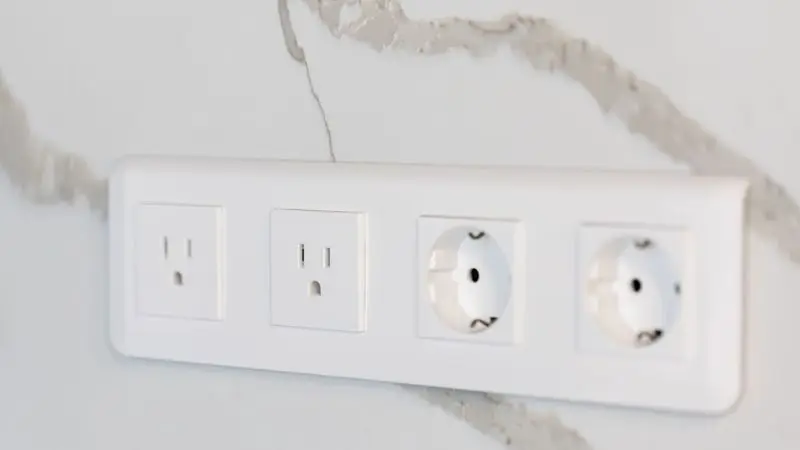
Familiarity with electrical socket types around the world and their safety standards is essential to protect your home, office, and devices. Safety-compliant international and national standards for electrical outlets help minimize shocks, fires, and equipment damage. Knowing the types of electrical sockets with safety markings ensures you choose safe outlets every time.
International Safety Standards for Electrical Outlets (IEC, UL, CE)
Numerous power outlets are equipped with safety marks that are recognized internationally. IEC, UL, and CE are the most common. The outlet has been thoroughly tested for fireproof, shockproof, and durability in the certified certifications.
- IEC – International Electrotechnical Commission: A globally recognized body for general electrical safety
- UL (Underwriters Laboratories): Commonly found in North America; tested for shock and fire safety.
- CE (Conformité Européenne): It meets European Union safety standards.
When you choose the outlets that come with these markings, you can let your guard down in terms of having safer charging and plugging options of different kinds of electrical sockets and plugs at home or overseas. Always check certification when buying new outlets for peace of mind.
National Electrical Regulations for Outlet Safety
Every country has particular rules and codes for electrical outlets in order to be safe. For instance, the National Electrical Code (NEC) of the United States is not the only set of requirements. These regulations ensure correct fitting, voltage matching, and safe practices.
- Consult local code before installing outlets.
- Get damaged outlets replaced immediately.
Adhering to national regulations will prevent your house from catching fire and allow your devices to work safely with the types of wall plugs for the home.
Safe Usage Practices for Electrical Outlets
Using a heavy-duty plug correctly is just as important as using its type. Safety practices can safeguard your family and gadgets from mishaps.
- Don’t overwhelm outlets by plugging in too many devices.
- Keep outlets dry and a safe distance from water.
- In places where kids play, use tamper-resistant outlets.
- Check GFCI outlets every month to see if they work.
- Unplug devices when not in use.
- Check for safety marks before buying new sockets.
- Put weatherproof covers on outdoor outlets.
- Damaged or malfunctioning outlets should be replaced using proper tools such as a socket and wrench to ensure a secure fitting.
- Educate all household members about safe outlet use.
By adhering to these standards and practices, the various types of electrical sockets and plugs can become safe, reliable, and efficient in any home or commercial setting.
Most Common Types of Electrical Sockets Worldwide
Upon travelling, you will notice that the electrical sockets differ from country to country around the world. Being aware of the most popular types will allow you to use your appliances at home, in a hotel, and while travelling safely. Some sockets can be found nearly everywhere, while others are regional. To ensure that your gadgets function properly wherever you go, it is important to understand the different types of electrical sockets and plugs.
Where You Find the Most Common Electrical Outlets
Specific regions have dominant outlets. In Japan and North America, Type A and Type B (NEMA 1-15 and NEMA 5-15) receptacles are commonly used with 100–127 volt circuits. The type C outlet’s unique design allows for a secure fit with appliances, even with a loose fit. Type E and Type F outlets are also found in many nations in Europe. Type G outlets are standard in the United Kingdom and the Middle East, with a 220–240-volt output. There are outlets that accept a variety of prong shapes, while some only fit one. It is a good idea to know what outlets you are likely to find before traveling or buying new appliances.
Practical Advice for Travelers Using Electrical Outlets
Before visiting somewhere, check the plugs in your place. Countries differ in plug type and voltage. You require a plug adapter if your plug does not fit. Your appliance necessitates a converter if its voltage doesn’t match. Universal adapters are useful because they can fit multiple plug shapes. You can easily use your device in a hotel, airport, or at home.
Never push a plug into a socket that won’t accept it, as this may damage your appliance or cause a hazard. Choose outlets with safety markings like GFCI or tamper-resistant. These can protect you from shocks and accidents. When on vacation, ask hotel staff about your room’s outlets and use your phone to snap a photo so you remember which adapter you need.
When you know what the types of electrical sockets are and prepare well, you will be able to keep your devices safe and enjoy your trip connected to power.
Wrap Up
Learn the electrical socket types around the world for safety, convenience, and compatibility of devices. The types of electrical outlets and plugs are very important to know so that your family and devices can be protected from harm. You have the standard outlet at home, while your electrical devices may also go into tamper-resistant, GFCI, and smart outlets.
When you travel, knowing the shape of the plug, voltage, and whether the socket is universal or requires an adapter helps to avoid damage and to use a plug that has no faults. Ensure the safety of your home and electrical devices by following safety standards, using suitable adaptors, and checking for certifications. Learning about different forms of wall plugs for home and worldwide outlets can make your day-to-day life and travel easy and secure.
FAQ
What can you do to fix a plug that does not fit?
A plug adapter should be used. A useful object that allows the connection to different types of outlets is a plug adapter. Make sure to check the voltage before plugging in.
How do you know what outlets are safe to use?
Check for safety symbols such as UL, CE, and IEC. Look for fractures and loose or burnt components. Do not use the outlet if you see damage.
Why do certain outlets contain a reset and test button?
These plugs are GFCI plugs. The safety feature can be checked with the use of the test button. The reset button restores power immediately after a test or fault.
Can you use one adapter for all countries?
No, it is not possible to use one adapter everywhere. Outlets in different countries have varied shapes and voltages. Before you travel, check the type of outlet and voltage you will encounter.
What’s the best way to childproof an outlet to keep children safe?
Install tamper-resistant outlets in every room. Put safety plugs in outlets that aren’t used. Instruct kids against touching outlets or putting things inside.