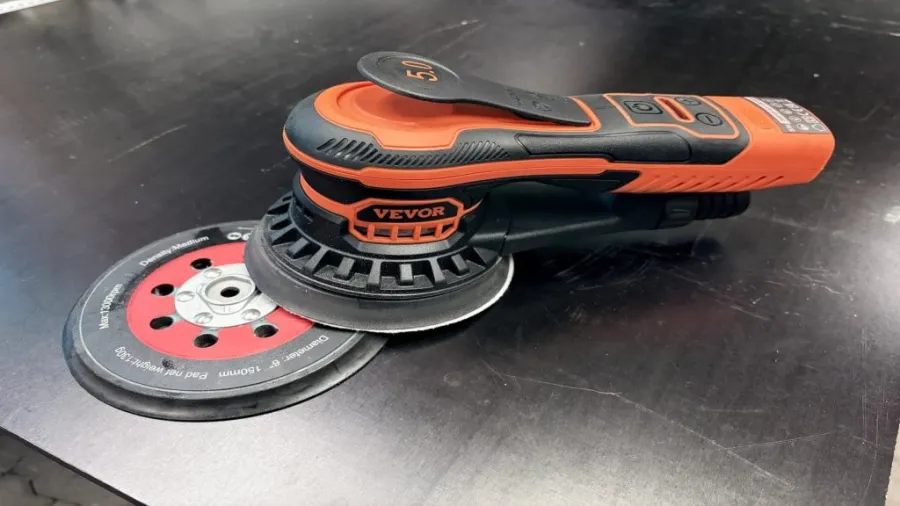
Take apart an old oak table, buy some varnish, and start sanding by hand. Two coats in and swirl marks start showing through the finish. An electric orbital sander will take the anger out of it. Most French buyers struggle not only to choose a brand, but also to find the right power, pad size, and dust control without overspending. If you already know what you want, you can look through the full range of orbital sanders. For more on cleanup, check out our guide to orbital sanders with dust extraction.
Recommended For Your Project
5 Types Of Electric Orbital Sanders and What Each One Suits
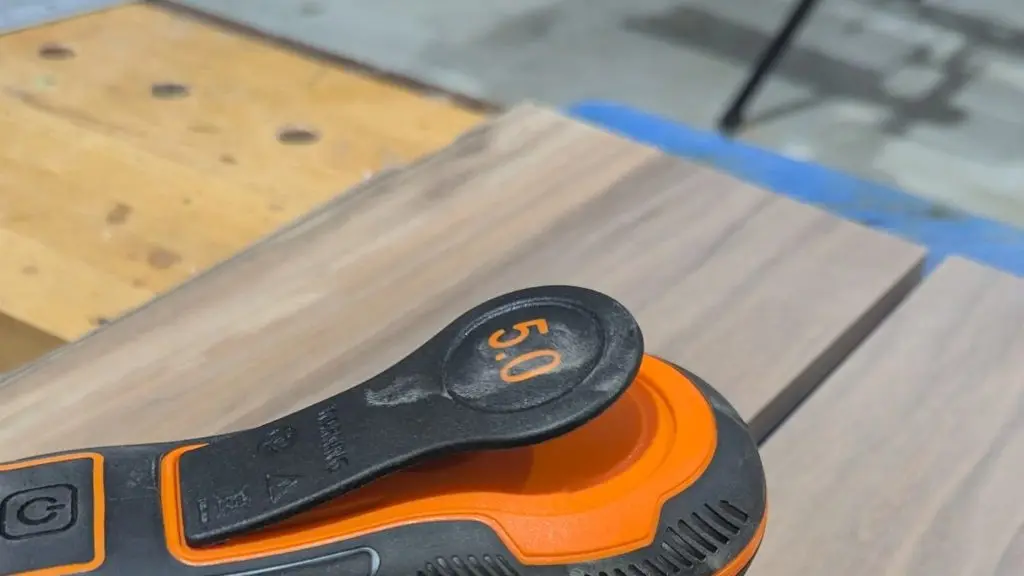
There are different circular sanders that do different things. Depending on the motion, pad, and power source, the tool can do different things. To begin, match the type of tool to the work you need to do. These five are the ones you’ll see most often in France.
Corded Orbital Sander For Steady All-Day Power
A corded orbital sander plugs into the wall and keeps working without interruption. With a corded sander, the pad speed stays the same whether you’re using it for ten minutes or two hours. This is helpful for large surfaces like doors, floors, and worktops. The cable is usually about 2 to 3 meters long, so you have to work close to a plug. This reliable workhorse is ideal for home renovators who need to work for long periods. A corded 250W model keeps the price low.
Cordless Orbital Sander For Freedom And Tight Spaces
You can take a cordless orbital sander up a ladder, into the garden, or around your car without hunting for an outlet. A 2.0Ah battery lets you hard sand for about 15 to 25 minutes. A 4.0Ah pack makes that last longer, up to an hour. The catch is the runtime and the extra weight at the base. The cordless method works well for short, spread-out jobs or when you’re far from a power source.
Random Orbital Sander For Swirl-Free Finishes
Most people want the random circular sander. The pad spins and moves in tiny ellipses at the same time. This way, the scratch pattern never repeats, and the lines that show where it was scratched never show through a clear coat. A common question is: what should I look for when choosing between popular orbital and circular sanders (budget, vibration, dust extraction, and power)? To finish, always go for the random orbital. Look for four things: a 250–400W motor, low vibration from balanced bearings, a dust port that fits a hoover, and variable speed. That’s shown in the table below.
| What to check | Why it matters | Good starting spec |
|---|---|---|
| Motor power | Holds speed on hardwood | 250–400W |
| Vibration | Less hand fatigue | Balanced pad, rubber grip |
| Dust extraction | Cleaner air, longer paper life | Vacuum-ready port |
| Variable speed | Matches wood hardness | 6–7 settings |
| Example | Finishing all-rounder | VEVOR 400W brushless random orbital sander |
Sheet Orbital Sander For Corners And Edges
It’s also known as a palm or quarter-sheet sander. A sheet orbital sander has a square pad that can reach spots a round pad can’t. Standard sandpaper comes in small pieces, which keeps running costs low. Do not use it as your main stock remover because it is not as rough as a random orbital. Instead, use it for small details and edges. Nothing flat works better for skirting, window frames, and tight corners inside. Our random orbital vs sheet sander guide shows when each one wins.
Detail Orbital Sander For Awkward Profiles
A detail orbital sander has a small triangular pad that reaches spindles, louvers, carvings, and small gaps a palm sander can’t. It removes little material, so it’s more of a finishing tool than a workhorse. It saves hours of folded-paper fiddling when you’re fixing furniture with legs or fretwork that’s already turned. Many people buy one with a bigger sander instead of buying it separately.
Power, Dust Control, And Grip: Matching The Electric Sander To The Job
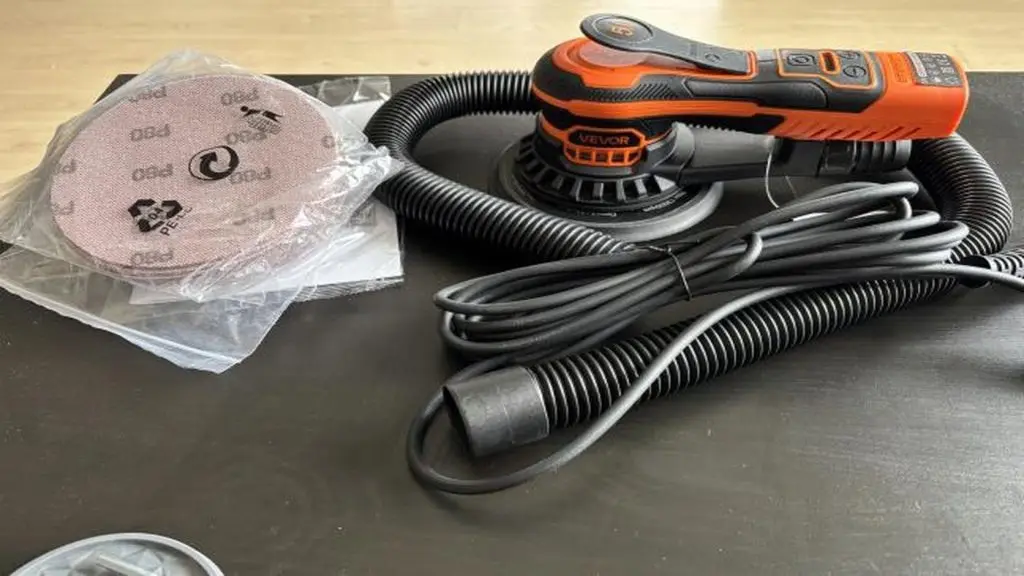
Picking a type is the first step. Under-the-hood specs tell you if the electric sander can handle your wood and if your hand will be okay after a long afternoon. In real life, these numbers mean the following.
How Motor Power Shapes What A Power Sander Can Handle
Motor wattage tells you how well a power sander cuts through hard wood when you lean on it. Light finishing works well with 200–300W. But for all-day work, dense oak, thick varnish, and finishing, you need 350–400W or more so the pad doesn’t get too hot. A corded sander around 250W works for most do-it-yourself projects, while a brushless 400W unit can easily restore heavier furniture. Because brushless motors don’t use carbon brushes that wear out, they run quieter and last longer.
Which orbital sanders provide the best value for money for home renovators in France? The best brushless wood sander is in the 300–400W range, with variable speed and a vacuum port. This lets you do both rough prep and fine finishing. The table below shows how different power levels match real jobs.
| Use case | Power tier | Pad size | Example match |
|---|---|---|---|
| Light DIY, small furniture | 200–250W corded | 125mm | VEVOR 250W corded orbital sander |
| Daily home renovation | 350–400W brushless | 127/152mm | VEVOR 400W dual-size brushless model |
| Heavy prep, bodywork | 850W dual action | 150mm | VEVOR 850W dual-action random orbital sander |
Dust Extraction And Quiet Running For Indoor Work
Cheap tools often skimp on this, but it keeps the air flowing and the abrasive from clogging. About 60–70% of dust is picked up by a sander with a bag. If you connect it to a shop vacuum, that number goes up to 85–95%. For jobs inside, that’s the difference between a dirty flat and a clean one. On noise, this is where a lot of people get stuck: what are the quietest orbital sanders available in France for indoor use?
Choose a brushless electric orbital sander with a rubberized, separate housing. Brushless motors and balanced pads run much more smoothly and quietly than cheap brushed units. If you’re sanding in a flat with other people, the walls are less likely to shake because the machine runs more smoothly.
Grip And Comfort On Long Jobs
Comfort determines whether you finish the job or give up with a numb hand. The difference between a tool you can use for an hour and one that makes your fingers buzz comes down to a rubberized palm grip, a low center of gravity, and good sound damping. This is where many buyers get caught out: which orbital sanders offer the best ergonomic grip for long jobs in France? Choose one with a shaped rubber body that fits both left and right hands and keeps the motor weight in your palm. A lighter cordless orbital sander also reduces arm pain when working vertically or overhead.
Buying Smart in France: Budget Versus Mid-Range Value
Sanders vary in price for good reasons. If you know where a cheap tool falls short and where paying a little more is worth it, you won’t have to buy the same thing twice. This part answers the budget questions directly.
Where Cheap Sanders Fall Short
In real life, cheap and mid-range sanders may not feel or look the same, even if they look great in a picture. A common worry is: What are the drawbacks of cheap orbital sanders compared to mid-range models available in France? Most cheap units shake more, lose speed under pressure, collect dust less well, and have bearings that wear out faster. It might be fine to sand once a year. For everyday use, a mid-range wood sander is worth the extra money because it runs more smoothly and lasts longer.
Best Value Picks For Tight Budgets
A finish you can use doesn’t have to cost a lot, but you do need to be picky. Buyers often ask: What are the best orbital sanders in France for people on a strict budget who still want quality? Look for a corded orbital sander around 250W with variable speed and a dust bag. This will give you clean results without costing a lot. Most renovators also want to know what something is worth, so the table compares honest price tiers.
| Budget tier | What you get | Best for |
|---|---|---|
| Entry corded (~250W) | Variable speed, dust bag, 125mm pad | Strict budgets, occasional DIY |
| Mid-range brushless (350–400W) | Quieter, vacuum port, dual pad sizes | Regular home renovation |
| Example (entry) | Low cost, keeps variable speed | VEVOR 250W corded orbital sander |
If price is the only thing you care about, the question changes to: what are the most affordable orbital sanders in France that still deliver good results? Stick with a simple corded electric wood sander that still lets you change the speed, because losing speed control is the one compromise that ruins finish quality. You’ll find more budget-friendly options in the broader sanders category and the dedicated random orbital sander range.
Why Variable Speed Is Worth It
One sander can handle any type of wood because you can change its speed. Faster speeds level hardwood, while slower speeds keep you from cutting through soft pine or thin veneer.
What are the best orbital sanders in France that include variable speed control?
Choose a model with six or seven speed settings so you can tailor the sander to the material instead of using the same speed on everything. In our guide to using a power sander, we explain how to choose the right speed for plasterboard and wall prep.
Our orbital sander pad guide can also help you find the right pad. If you need to cover large flat panels more quickly, you can move up to a 152mm random orbital sander. Serious restorers looking to move into bodywork can also consider heavier power tools.
Conclusion
Ask yourself three honest questions before buying an electric orbital sander: what size surfaces do you have, how often will you use it, and how clean does the air need to stay? For light DIY projects and tight budgets, a corded 250W model is best. For people who do a lot of remodeling, a brushless 350 orbital sander with flexible speed and a Hoover port is the best choice. Choose the right type for the job and make sure it has good grip and dust collection before you buy. This way, you can get a smooth, even finish without paying for extra power you won’t use.
FAQs
Is a corded or cordless orbital sander better for home use?
Corded is better for long jobs and steady power, while cordless is better for moving around and small areas. A corded model is better for most home remodelers because you can use it longer on large surfaces like floors and doors.
What grit should I start with on bare wood?
Start with 80 grit to remove old finish or smooth rough stock. Next, move up to 120 and 180 grit to prep the surface for finish. If you skip grits, scratches show up under the finish.
Do I need a vacuum, or is the dust bag enough?
A dust bag does small jobs every once in a while. Connecting a shop vacuum to your project, or during a long session, raises dust collection to about 85–95%. This keeps the air cleaner and your sandpaper cutting for longer.
How long do sanding pads and discs last?
Hook-and-loop backing pads can last about 100-200 hours. After 20 to 40 minutes of hard sanding, replace the discs sooner if they stop cutting, look worn, or get clogged with dust.
Can an orbital sander remove paint?
Yes, it works well on flat surfaces to remove paint and old varnish with a coarse 40–60 grit disc. A chemical stripper makes the job faster and easier on large areas with thick, multi-layer coats.