Your driveway sets the tone for your whole house. If it’s covered in oil stains, dirt, and moss, it just looks tired. The upside is that you don’t need fancy gadgets or to call in the pros to fix it up. You can make that driveway look fresh again with a little driveway cleaning.
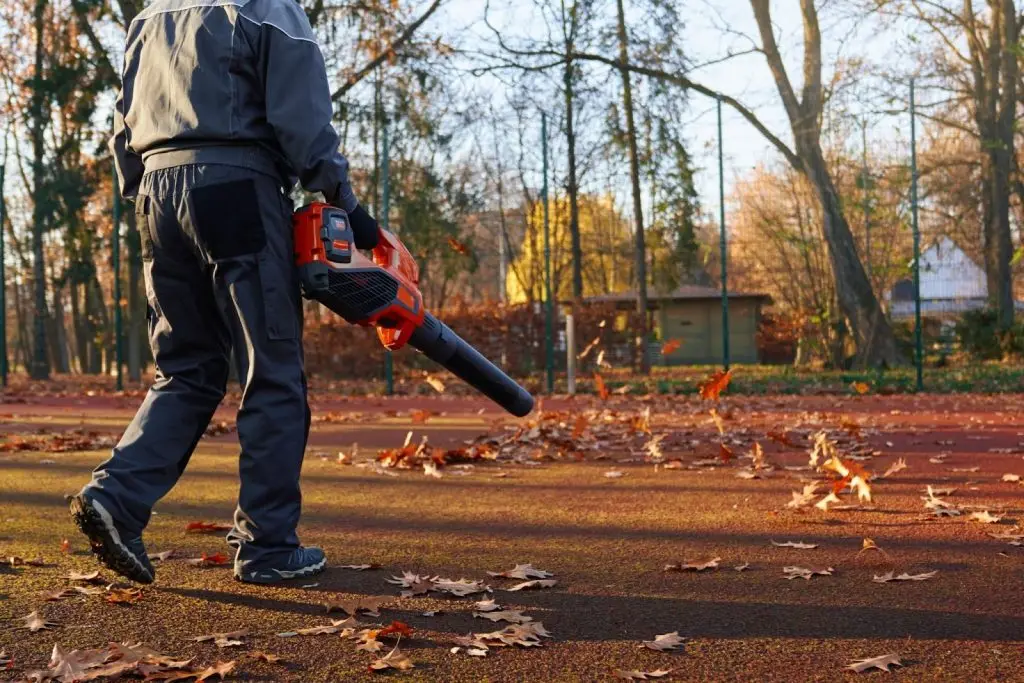
Start with something that makes cleanup simple, like a leaf blower! It can easily clear away loose dirt, leaves, and sand fast. You’ll save yourself a lot of hassle right from the beginning.
Why regular driveway cleaning matters
Your driveway goes through a lot. Muddy shoes, leaky cars, piles of pollen, winter salt, it all adds up fast. If you let that stuff sit, it doesn’t just look bad. It actually starts to wear down the surface, leading to cracks and ugly stains.
Here are some of the reasons why you should focus on driveway cleaning:
- When you don’t have any slick spots from moss, oil, and algae accumulation, you won’t be slipping and falling around.
- It prolongs the surface’s fresh appearance.
- It keeps it safe by removing slippery mold, algae, or oil.
- It prevents permanent stains, which are much harder to remove later.
Think of your driveway like your front door. It sets the tone for your entire home.
Driveway cleaning methods and tools
Preparing your tools ahead of time facilitates and expedites the process. Here is a list of the tools you’ll need to clean your driveway and make it look like a professional job:
DIY methods
There are many ways you can get yourself busy with driveway cleaning. A lot of folks have different preferences for the cleaning methods.
Here are some of the most common methods of driveway cleaning you can choose from:
- Broom or stiff-bristle brush: Hard manual work, but cleans the surface in detail.
- Scraper or putty knife (for gum or paint): Removes physical pits with ease, especially after renovation work.
- Gloves and old clothes: Gentle on your driveway but can be a lot of physical work.
- Garden hose or spray nozzle: Pressure washing can get rid of existing stubborn stains that manual cleaning might not remove.
Pressure washing: when and how to use it
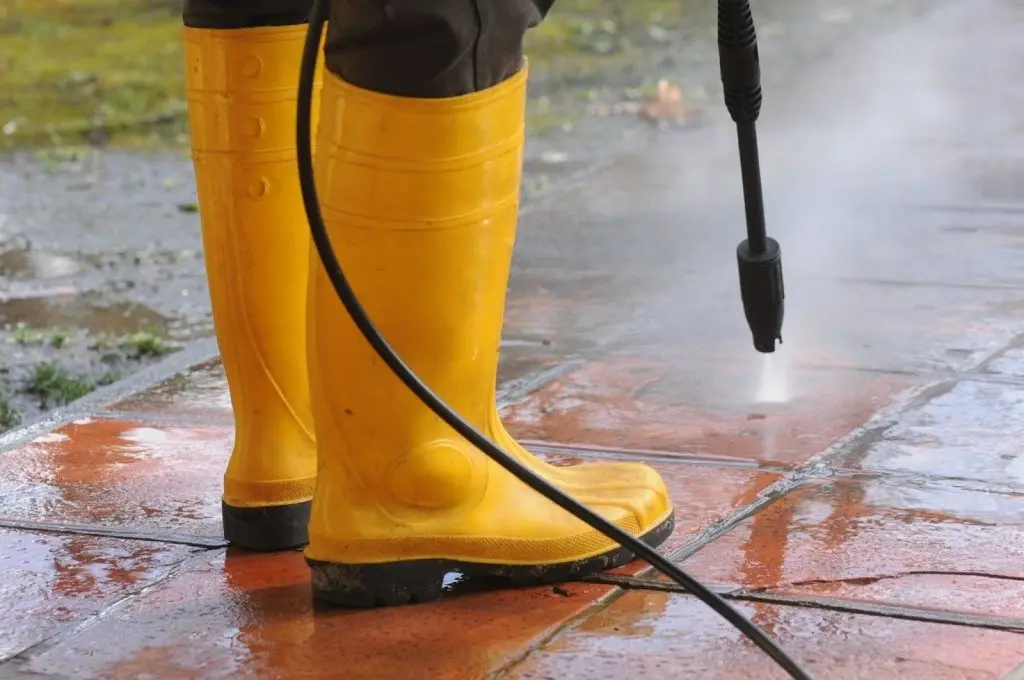
Here’s how to use a pressure washer safely if you have one.
- Use a 25–40° nozzle.
- To avoid damaging the surface, keep a distance of 12 inches.
- Move evenly from side to side.
- Before parking or sealing, allow the area to completely dry.
Even without a pressure washer, routine driveway cleaning can appear just as expert DIY driveway cleaning.
Cleaning agents and stain removal (oil, rust, tire marks)
A few basic cleaning solutions can easily remove the majority of stains from a driveway:
- Dish soap is excellent at removing oil and grease stains.
- Before scrubbing, fresh oil spills can be perfectly absorbed by sawdust or cat litter.
- Oxygen bleach or driveway cleaner: ideal for deep cleaning and tackling rust or tire marks.
Before scrubbing, fresh oil spills can be perfectly absorbed by sawdust or cat litter.If your driveway is covered in dust and leaves, start by blowing it clean with your leaf blower. It makes a significant impact before you start scrubbing.
Tools you’ll need: pressure washer, scrubs, sealants
To make things go more smoothly, gather a few basic tools before you begin. Dirt and grime are quickly removed with the aid of a pressure washer or even a powerful garden hose.
For stubborn stains, such as oil or tire marks, use strong scrubbing brushes. Apply a protective sealant to your driveway after it is clean to keep moisture out and stop further accumulation.
A leaf blower works well for reducing prep and drying time because it removes dust and leaves, and even speeds up drying after cleaning.
How to clean my driveway step-by-step
You don’t need anything fancy to get your driveway looking sharp. Here’s how to do it the old-school way and still make it shine.
Step 1: Inspect and clear debris from the surface
You can use a broom or a blower. Don’t skip this step, or you’ll just end up smearing mud everywhere once you get things wet.
Quick tip: After scrubbing, hit it again with the blower to get rid of dirty water fast. It really cuts down on drying time.
Step 2: Pre-treat the stains and problem areas
Sprinkle baking soda directly on greasy areas. Scrub it in with your brush after adding a few drops of dish soap. Give it 15 to 20 minutes. The mixture breaks down grease before you rinse.
Apply a little vinegar to a stubborn stain; it will naturally fizz and lift the dirt.
Step 3: Clean surface with chosen method (scrub or pressure wash)
Before you get into driveway cleaning, you should pick which method you’re going to use for the process. For a quicker cleaning session, most homeowners pick pressure washers. But those who have the time and willingness to deep clean their driveway, scrub and bucket does the job well.
To clean the surface with a scrub, mix 1 gallon of warm water with:
- One cup of vinegar or a solution of mild bleach
- Two tablespoons of dish soap
Evenly distribute the mixture throughout the driveway. To prevent it from drying too quickly, scrub in small sections.
Avoid this common mistake: boiling water can cause concrete to crack, especially on older driveways.
Step 4: Rinse thoroughly and allow to dry
Now that you’re done with the cleaning process, it’s time to give your driveway a quick cleanse. Use a hose to rinse. Use your broom to remove puddles or the leaf blower to dry more quickly; it prevents streaks and works better than any other solution.
Apply sealant or protective coating (optional)
Think about using a sealant or protective coating after your driveway is totally dry. By doing this, you can keep your surface cleaner for longer by repelling dirt, oil, and water.
Before parking or walking on it, let it dry for at least 24 hours after applying an even coat with a roller or sprayer.
After cleaning, use the leaf blower to dry the area fast and evenly. It’s a lot faster than waiting for the sun or applying towels.
Maintenance tips after driveway cleaning
Every season presents a new set of difficulties for driveways. Keeping up with them makes maintenance simple.
Every season presents a new set of difficulties for driveways. Keeping up with them makes maintenance simple.
Regular sweeping and spot cleaning
When it comes to cleaning driveways, consistency is crucial. Your driveway will always look immaculate without requiring a major cleanup, thanks to routine little tasks like spot-cleaning stains early or sweeping once a week.
Every week
- Dust and leaves can be swept or blown away.
- Any minor oil spills should be treated immediately.
Monthly
- Scrub with a mild soap and look for cracks.
- Treat any green growth as soon as possible to stop it from spreading.
Every three to four months
- Use a vinegar or bleach mixture to thoroughly clean.
- If necessary, rinse and reseal.
These short, easy steps help avoid larger issues later.
Seasonal maintenance
The goal of seasonal maintenance is to prevent wear, moss, and dirt accumulation. Remove any remaining winter salt and sand in the spring, and look for any cracks that might have widened due to the cold.
Watch for hot tire oil or grease during the summer, and clean your tires early before the sun bakes them in. Use your leaf blower frequently in the fall to remove wet leaves, which will help keep mold and moss from growing.
When winter arrives, keep snow clear to prevent ice buildup and use sand or cat litter for traction instead of harsh de-icers that can harm concrete.
When to re-seal and how often
For your driveway to remain sturdy and stain-free, resealing is essential. Depending on weather and wear, most driveways need to be sealed every two to three years.
When tiny cracks start to show or water stops beading on the surface, you’ll know it’s time. For optimal results, choose a dry, mild day and thoroughly clean the driveway before applying a fresh coat of sealant.
In addition to improving appearance, routine resealing keeps your driveway looking brand new for longer by guarding against UV, moisture, and oil damage.
Avoiding damage
Maintaining the condition of your driveway requires keeping an eye out for any hidden damage. Concrete and asphalt can be eroded by harsh chemicals, such as degreasers or strong acids.
Instead, use natural remedies or gentle cleaners. Limit the number of times you park big trucks or equipment in the same area because heavy vehicles can also cause surface dents or cracks over time.
Repair minor cracks as soon as you see them to avoid them getting worse due to moisture or dirt. A little maintenance now keeps your driveway sturdy and smooth all year long and saves money on expensive repairs later.
FAQs
How often should I clean my driveway?
For optimum effects, perform a deep cleaning every three to four months and a light cleaning once a month. This way, you prevent stubborn stains from forming and also keep the work minimal on your end.
Can I pressure wash my driveway myself safely?
Yes, you can safely pressure wash your driveway by using a nozzle set between 25 and 40 degrees, moving evenly, and maintaining a minimum distance of 12 inches to prevent surface damage.
What is the best way to remove oil stains from driveway?
Oil stains are common on driveway pavements. To remove these stains, rnse, scrub with baking soda paste, and absorb with cat litter. If necessary, repeat.
Should I seal my driveway after cleaning?
Of course. It makes cleaning simple while providing stain, moisture, and crack resistance.
Does driveway cleaning improve property value?
Yes, routine driveway cleaning increases the value of your home by maintaining the exterior appearance of your house, enhancing curb appeal, and avoiding surface damage.
Conclusion
Maintaining driveway cleaning doesn’t have to be costly or complicated. You can deal with dirt, stains, and debris on your own without the help of experts if you have a few basic supplies and tools, like the backpack leaf blower.
Consistency is essential whether you’re trying to figure out how to clean a driveway without a pressure washer or simply want it to look nice before visitors arrive. Your driveway will continue to look brand new for many years with routine cleaning and sealing.
So take out your brush, turn on your blower, and take pleasure in a clean, new-looking driveway that brightens your entire house.