You don’t need to be a professional to check your drain field. As a homeowner, you can spot problems early and keep your septic system working properly. Regular drain field inspections help you catch small issues before they become costly repairs. Walk around your yard, watch for wet or soggy spots, and notice any strong smells.
You can also use an endoscope camera to look into hard-to-see areas safely. By checking your septic system often, you protect your home and save money. Early inspections let you fix minor problems quickly, preventing bigger repairs later. Simple steps now can save time, money, and stress in the future.
Why Drain Field Inspection Is Important
Taking care of your drain field is more than just a chore—it saves you money, stress, and protects your home. Many homeowners ignore small warning signs, but regular inspection can prevent big problems. In this guide, we will explain why checking your drain field matters, how to spot issues early, and what to do during an inspection.
Prevent Costly Repairs
You do not want huge bills, right? Inspection of the drain field will also help in the detection of problems before they get severe. When you check in on your septic system regularly, you can identify minor issues first. You can find wet grass or smell weird or wet points—this is an indication of the failure of your drain field.
Acting fast saves money. It is much cheaper to repair a minor clog or leak than to have an entire drain field replaced. Thousands of dollars can buy a complete replacement. Most of the homeowning residents take too much time, and when they notice something is wrong, the cost of repair has become very high.
Protect Your Septic System
Your septic system works every day to handle water and waste from your home. Checking it regularly is the best way to keep it running smoothly. What happens during a drain field inspection is that a professional or even a careful homeowner will look for leaks, blockages, or other warning signs.
A healthy septic system protects your family, your yard, and the environment. If it fails, waste can leak into the ground or water supply. Regular inspection prevents bad smells, soggy spots, and potential health risks.
Signs Your Drain Field Is Failing
Sometimes, your drain field will show clear signs before it completely fails. Look for patches of unusually green grass, standing water, slow drains inside the house, or foul odors outside. These are all signs your drain field is failing and needs attention.
Catching problems early can save a lot of money and hassle. Ignoring them may lead to a full system failure, which is far more expensive and stressful. Remember, regular inspection helps prevent these situations and keeps your septic system running efficiently.
Getting Ready for a Drain Field Inspection

Before you start, it’s important to be prepared. A little planning makes your drain field inspection smooth, safe, and effective. Knowing what to bring and how to stay safe ensures you spot problems without risk.
Tools and Materials You’ll Need
A proper inspection does not require any fancy equipment. You are likely to have most of those already in your garage or shed. Prepare the following simple equipment:
- Durable gloves that can keep your hands clean.
- Waterproof boots to stay dry
- Flashlight for dark spots
- Long stick or probe to palpate soft areas.
- A pen and notebook to take notes.
- An endoscope camera or a smartphone to take shots of unusual locations.
- Protective eyeglasses.
- The trowel is used to do small digs.
Such tools allow you to inspect your drain field thoroughly. Feel with the stick or probe to detect any soft or soiled areas. Record notes or pictures of things that do not look ordinary. Since you have to move all over the yard, there is no need to carry everything in your hand; a bucket or a bag would do it all.
Safety Precautions During Inspection
Your safety comes first. A simple inspection of a drain field may be an unsafe practice. Follow these safety tips:
- Always wear gloves and boots.
- Do not ever put your bare hands into wastewater or sludge.
- Do not inspect alone; keep a person with you.
- Stay alert to slippery areas or ground.
- Do not go into septic tanks or narrow spaces.
- After the inspection, make sure you wash your hands.
Avoid having children and pets around the house in case you suspect the presence of strong odors, standing water, or soft spots. When something does not feel safe, leave and seek professional assistance. Caution saves your family and your yard, and it works toward a successful inspection.
Drain Field Inspection Steps
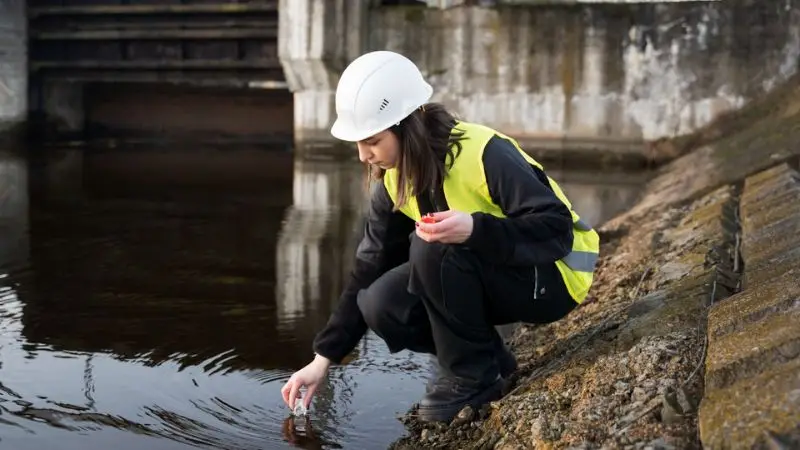
Checking your drain field carefully is key to keeping your septic system healthy. A regular drain field inspection helps you spot problems early, prevent expensive repairs, and protect your home. Here are simple steps you can follow.
Walk Your Drain Field
Start your inspection by walking slowly across your drain field. Look carefully at the grass and soil. Spots with extra green, thick grass or soft, spongy ground can be signs that your drain field is failing. Puddles or standing water are also warning signals.
Walking after heavy rain is especially useful. If water stays on the surface, your septic system might not be draining properly. Step carefully to avoid sinking into soft areas. Observing your drain field often helps catch small issues before they become serious.
Check for Odors and Wet Spots
Use your senses during inspection. Smell the air over your drain field. A strong, rotten egg smell is a warning that wastewater may be close to the surface or leaking. Healthy systems should not have bad odors.
Also, look for wet or muddy patches. Pooling water or soggy soil shows your drain field may be overloaded. Keep children and pets away from these areas to stay safe. Regular checks for odors and wet spots are an important part of how to inspect a drain field.
Use Inspection Ports
Many septic systems have small pipes called inspection ports. These allow you to see inside the drain field without opening the tank. Open the covers and shine a flashlight—or use an endoscope camera—to see clearly in hard-to-reach areas.
- Water should stay below the top of the port.
- Standing water at the top may mean your drain field is clogged.
- Take notes and photos of anything unusual.
Checking inspection ports every few months helps you catch problems early and reduces the cost of drain field inspection over time.
Inspect the Scum Layer
It is a safe way to see the scum at the top of your septic tank through the access lid. Always use gloves and safety glasses, and a long stick or probe. Most of the tank is not supposed to be covered by the scum layer. When it is so thick, it may block the outlet and permit the solids to pass into the drain field, resulting in destruction. Do not climb into a septic tank since the gases in it are harmful. One of the things to do when inspecting a drain field is checking the scum layer, which will keep your septic system in effective operation.
Perform a Load Test
A load test shows if your septic system can handle normal water use. Pick a day with low water usage, then run water from faucets and flush toilets. Watch the drain field and inspection ports.
- If water rises in ports or wet spots appear, the system may be overloaded.
- The drain field should absorb extra water without problems.
Perform a load test once a year. This simple step helps prevent system failure and keeps your septic system running smoothly.
Following these steps helps maintain a healthy drain field and septic system. Regular inspections save money, prevent backups, and ensure your home stays safe from wastewater problems.
Common Septic System Problems
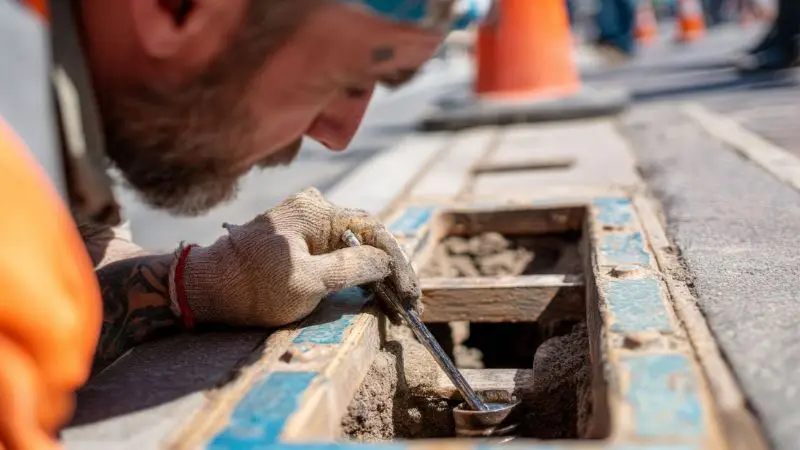
Even a well-maintained septic system can have issues over time. Knowing the signs your drain field is failing helps you act quickly and avoid costly repairs. Regular checks let you spot problems early and keep your home safe.
Signs of Failure
Watch for these common warning signs during a drain field inspection:
- Water is pooling on the drain field, even when it hasn’t rained
- Grass over the drain field looks greener or grows faster than the rest of your yard
- Strong, bad odors near the septic tank or drain field
- Slow or gurgling drains inside your home
- Toilets backing up or overflowing
- Bubbling sounds from your plumbing
These signs usually mean wastewater is not draining properly or solids are blocking the system. If you notice more than one issue, your septic system may need urgent attention. Keep a checklist during your inspection and write down everything you see. Early detection can save you from big repairs.
When to Call a Professional
There are certain issues that need a septic professional. Report to a professional in case of the following:
- The water in the drain field will not dissipate.
- Powerful sewage odors either indoors or outdoors.
- Repeatedly congested drains or toilets.
- Sewage in your backyard or next to the septic tank.
An expert can do an entire check-up, pump the tank when necessary, or fix the drain field. Do not attempt to open up the septic tank yourself; this is dangerous. Experts understand what occurs during a drain field inspection and how to keep your system safe.
Wrap Up
Regular drain field inspection is the best way to protect your septic system and avoid costly repairs. By walking your drain field, checking for wet spots and odors, and using inspection ports, you can catch small problems early. Watch for signs your drain field is failing, like slow drains, pooling water, or strong smells.
Some issues need a professional, so don’t hesitate to call for help. Simple steps like wearing gloves, doing a yearly load test, and keeping notes make inspections easy. Staying proactive saves money, keeps your home safe, and ensures your septic system runs smoothly for years.
FAQ
How often should I inspect my drain field?
You should check your drain field every few months. Walk your yard and look for changes. Regular checks help you catch problems early and keep your septic system healthy.
Can I fix a small wet spot myself?
You can try to reduce water use and see if the spot dries up. If the wet spot stays or gets bigger, call a septic professional. Do not dig or repair the drain field yourself.
What if I smell a bad odor near my drain field?
A strong odor means something is wrong. You might have a leak or a clog. Keep kids and pets away from the area. Call a septic expert to check your system.
Do I need special tools for a drain field inspection?
You do not need fancy tools. Use gloves, boots, a flashlight, and a stick or probe. A notebook and phone help you track what you find. Most items are already at home.