Looking for an easy DIY ultrasonic cleaner solution? You can make one right at home using simple ingredients. Just mix one part white vinegar with two parts warm water, and you’ve got a powerful, eco-friendly cleaner ready to go. This home-made solution is ideal for cleaning jewelry, coins, and small tools, but without the use of harsh chemicals. It is safe, cheap, and efficient in clearing up normal dirt and grime. This simple combination works incredibly well, whether you need to update your accessories of choice or clean up the metal items. Use it in your ultrasonic today, and it will give you faster and better results at home!
DIY Ultrasonic Cleaner Solution Recipes
Preparation of your own ultrasonic cleaner solution is easy, cheap, and less entertaining than using rough chemicals. There is no need to possess fancy items; you will just need more usual things you are likely to have at your disposal anyway. These homebrew blends are applicable to most cleaning projects, such as jewelry and electronics. Firstly, one can start with certain simple options.
Basic Vinegar and Water Mix
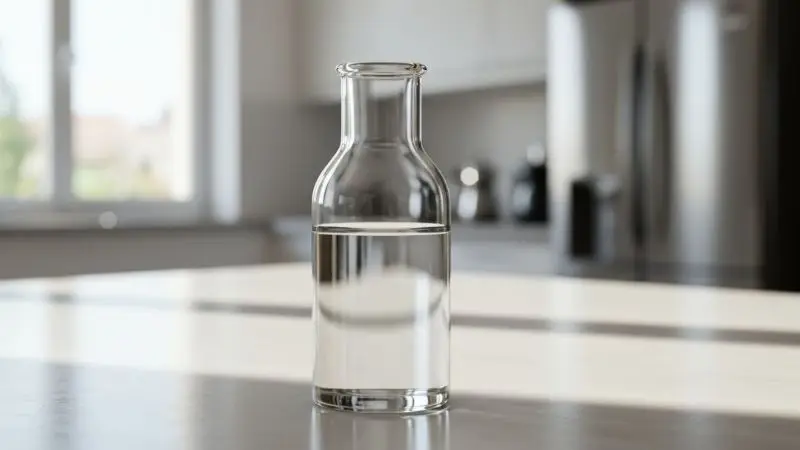
If you’re wondering how to make an ultrasonic cleaner solution at home, start with this simple recipe. Mix one part white vinegar with two parts warm water and pour it into your ultrasonic cleaner. This simple ultrasonic cleaner solution recipe effectively removes dirt and grime from jewelry, coins, and small tools. Vinegar’s natural acidity helps lift stubborn buildup, giving your items a clean, polished finish.
If you don’t have white vinegar, apple cider vinegar works too. For delicate materials like pearls or soft gemstones, skip the vinegar and use lemon juice instead—it’s gentler and leaves a fresh scent after cleaning.
Citric Acid and Dish Soap Blend
It is the ideal mix of a safe DIY ultrasonic cleaner solution when cleaning jewelry made of brass, copper, or silver. Citric acid is readily available in grocery stores and miraculously works on dull metals. Add one tablespoon of citric acid powder to two cups of warm water, then add a few drops of mild dish soap. Shake until the powder has dissolved.
Put this into your ultrasonic cleaner in order to bring back shine to your metals. Never apply it to aluminum or soft stones, which will get dull due to the acid. In case of a lack of citric acid, lemon juice will also be a good alternative since it is naturally acidic, and it is safe to use it for general cleaning.
Alcohol and Dish Soap Formula
This ultrasonic cleaner is an alcohol-based solution that is very useful in cleaning electronics, eyeglasses, or stainless-steel tools. Dissolve one cup of rubbing alcohol in two cups of water and add a squirt of dish soap to it. Stir gently before use.
This combination is perfect for cleaning glass, plastic, and metal since alcohol vaporizes fast, leaving no residues. It is ideal for delicate products such as watch bands and electronic parts. Nevertheless, do not apply it to any painted area or plastics that are soft plastics. To clean more intensively, use isopropyl alcohol with a higher degree of concentration; however, be sure to look at the label of the product.
How to Use and Handle Cleaner Solution Safely
When you have prepared your ultrasonic cleaner DIY solution, it is important to use it thoroughly so that you can have safe and effective results. Cleaning jewelry, electronics, or metal tools, you are in perfect condition to keep your tools clean and your cleaner in superb condition. We are going step by step – mixing, cleaning,and safe storage.
Mixing Instructions
It is also necessary to know how to prepare an ultrasonic cleaner solution at home before you begin cleaning. Start by weighing your ingredients. Add water later in a clean container, then put vinegar, citric acid, or alcohol, depending on what simple ultrasonic cleaner solution you are preparing. Blend until all ingredients are mixed.
When you use dish soap in your recipe, be sparing; a few drops will give enough foam, but too many will make it foam up. I would not prepare mixtures in huge quantities; fresh mixes are always better. To achieve the highest outcome, prepare your solution immediately before use to keep it strong, clean, and effective..
Using Your Ultrasonic Cleaner
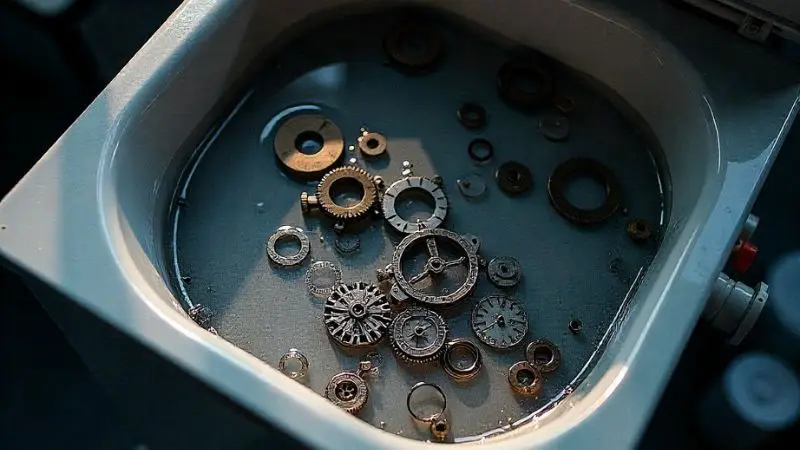
Your solution is ready, and now it is time to put it into action. Pour your mix into the tank of your cleaner, ensuring that your items are loaded with a lot of liquid. Put your jewelry, coins, or tools in the basket, but also do not touch the bottom. Time the clock to three or five minutes, depending on the material and the level of dirt.
Where the method of handling sensitive products such as pearls or gemstones is required, reduce the duration and observe it keenly. When you have the best homemade ultrasonic cleaning solution for electronic gadgets, it is appropriate to consult the manual of your cleaner first. There are delicate components that need less cleaning duration or temperature to be safe.
Safety and Storage Tips
When dealing with any cleaning solution, safety is important. A secure DIY ultrasonic cleaner solution for jewelry must be treated cautiously, even. When mixing or cleaning, you should wear gloves if you have sensitive skin. Always avoid mixing your ultrasonic cleaner solution with bleach or strong chemicals, as this can result in danger.
Store leftover solution in a tightly capped container, not in the presence of children and pets. Wipe empty and dry your ultrasonic cleaner tank after use to ensure it is not filled with residue. When your solution is cloudy or your objects begin to appear dull, it needs replacing; a new solution will never fail to bring out the shine.
Wrap Up
Making your DIY ultrasonic cleaner solution at home is simple, safe, and affordable. With just a few common ingredients, you can create effective mixes for jewelry, tools, and even electronics. Each simple ultrasonic cleaner solution recipe has its own purpose—vinegar for everyday cleaning, citric acid for metals, and alcohol for delicate parts. Always handle your cleaner carefully, use fresh solution, and follow safety steps for the best shine. Once you try these safe DIY ultrasonic cleaner solutions, you’ll see how easy it is to keep your valuables clean and bright without using harsh chemicals. Clean smarter, not harder!
FAQ
Is it possible to put tap water in my ultrasonic cleaner?
Yes, tap water can be used in an ultrasonic cleaner. Nevertheless, distilled water is preferable as it does not leave many traces and spots on objects. Tap water is likely to have minerals that deposit marks, particularly on jewels or glasses. Distilled water only gives cleaner and shinier results every time.
What cannot be washed using an ultrasonic cleaner?
Any ultrasonic cleaner should not have any pearls, soft gemstones, or painted objects. These are fragile materials that may lose their shiny appearance or may be damaged by the vibrations. On all valuable items or sensitive items, always read the cleaning instructions from your manufacturer before cleaning them with your ultrasonic cleaner.
Should I refill the ultrasonic cleaner solution very frequently?
After every washing, it is better to change your ultrasonic cleaner remover. A fresh solution is more helpful in cleaning dirt and grime. With time, the used solution becomes hazy and weak, and hence a regular replacement will ensure that your cleaning results are always the same and safe for your items.
Is it possible to wash electronics using an ultrasonic cleaner?
The answer to this question is yes; with the best homemade ultrasonic cleaning solution, it is possible to wash some of the electronic components, such as circuit boards or metal casing. Ensure that the parts are waterproof or completely dry them after cleaning. To ensure that the cleaner does not destroy power or assembled devices, do not use it with powered or assembled devices.
What is the most appropriate solution to be used in an ultrasonic cleaner?
The safe do-it-yourself ultrasonic cleaning solution for jewelry will depend on the item to be cleaned. Metals are getting along fine with vinegar and water, and brass and copper brighten with citric acid, but the electronics should be left to alcohol solutions. It is important to make sure that you always use the mix that suits your item type to achieve safe and effective results.