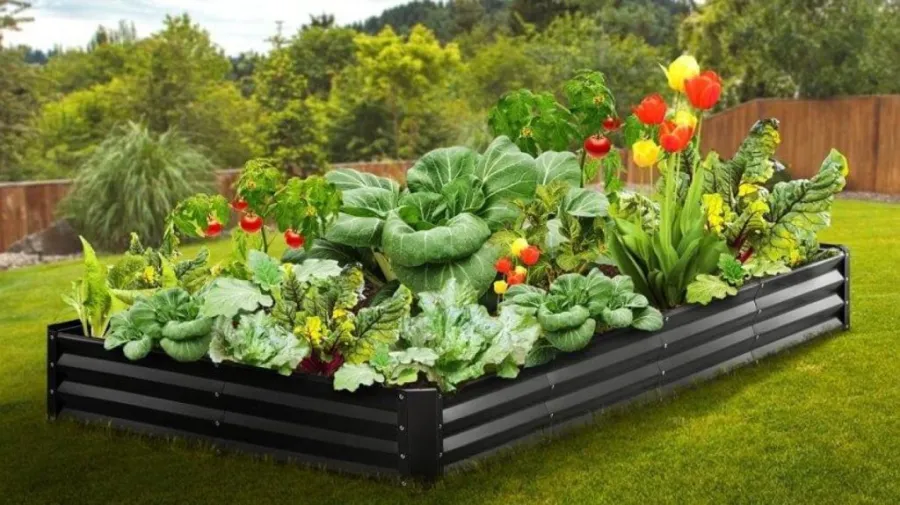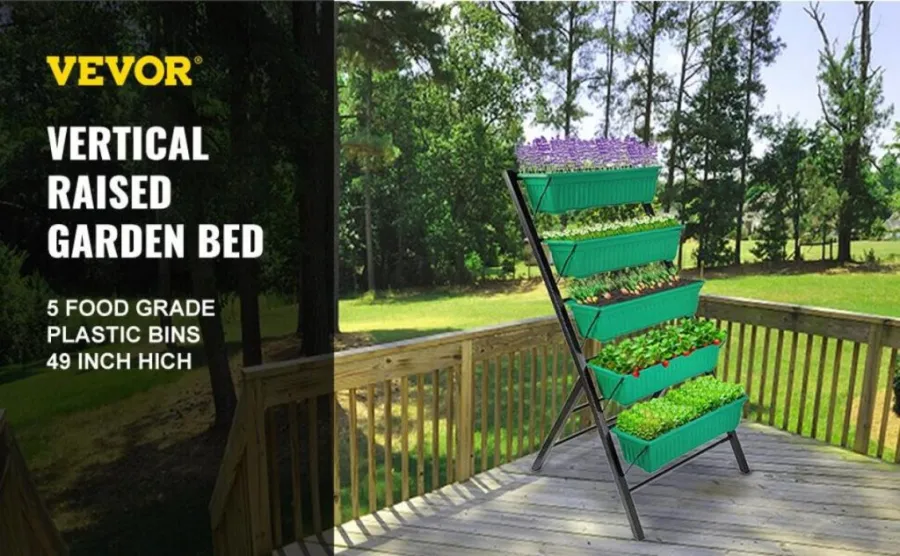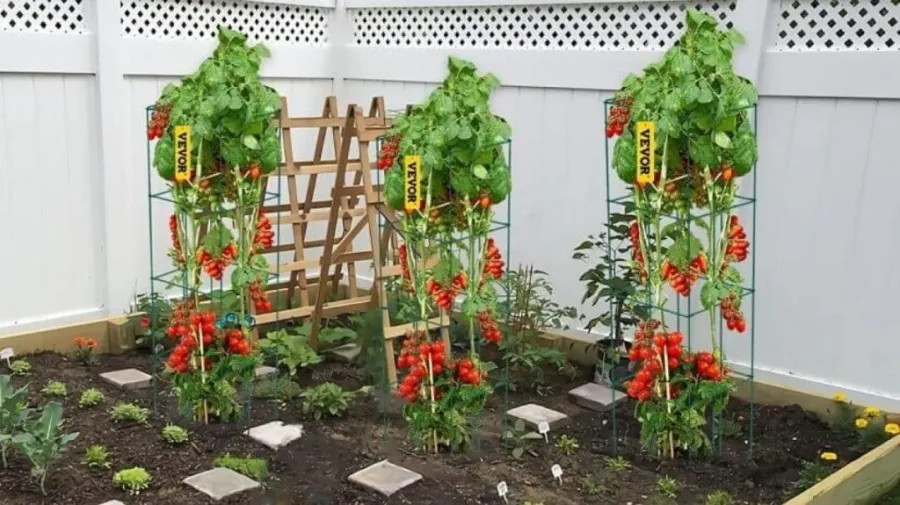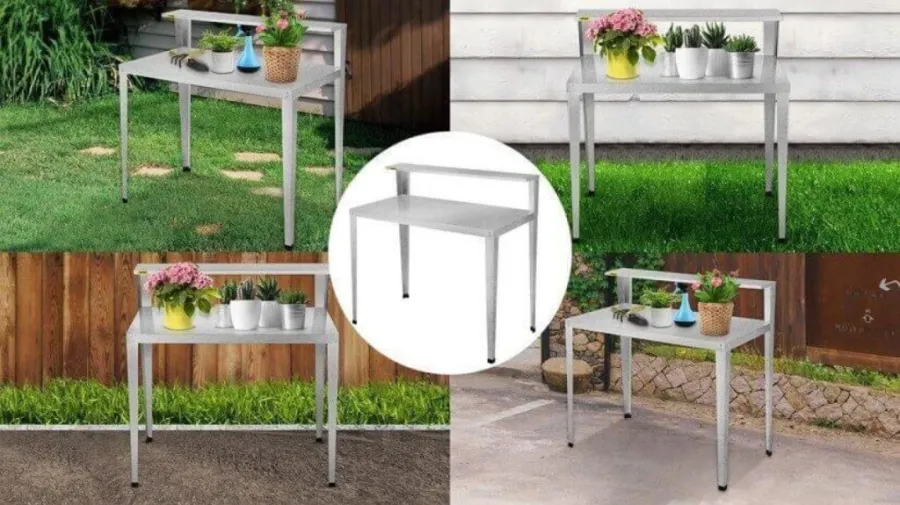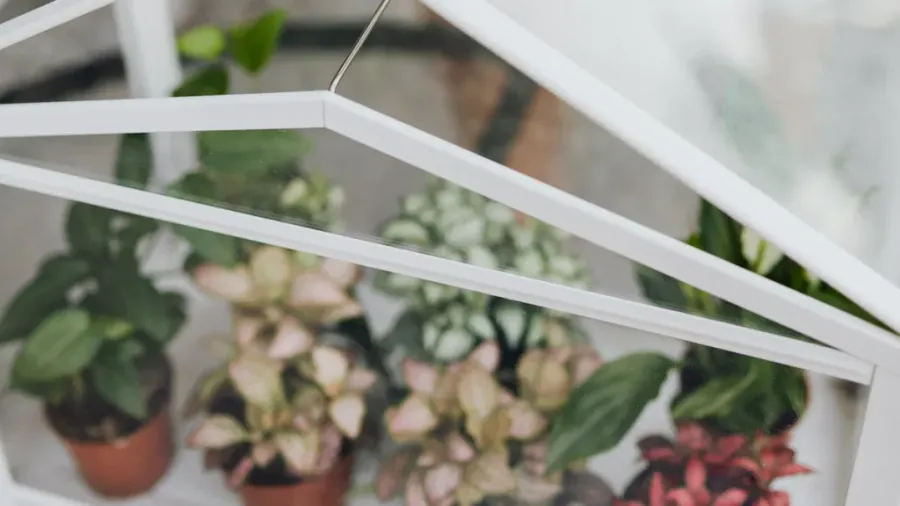
Have you ever wondered about growing your own food even in freezing winters? With a DIY greenhouse, you can! Constructing one will provide you with annual harvests, resistance to pests, and complete control over temperature, along with humidity.
You can create this by using scrap wood, PVC, or a pre-made kit, and this guide takes you through all the steps of building your own successful backyard greenhouse.
Why should you build a DIY greenhouse?
It is a good value and cheaper to build your own DIY greenhouse and raise plants all year round. It allows you to create a space that perfectly fits your needs of a garden size, climate, and budget.
You can have complete control of materials, layout, and ventilation, and it is referred to as a hands-on garden for those who enjoy creative work.
- Less expensive than purchasing ready-to-assemble models.
- Adaptable to your space and plants.
- Awesome experience as a beginner.
- Encourages self-reliance and self-sustaining gardening.
- Grows your growing season all year round.
How much does it cost to build a DIY greenhouse?
Depending on how much work you would like to do with your own hands and what kind of materials you would like to work with, a greenhouse might be built at either end of the budget or professional level. In a nutshell, here is a brief summary:
| Greenhouse Type | Average Cost | Best For | Build Time |
| DIY (from scratch) | $500 – $1,500 | Experienced builders | 2–7 days |
| DIY with Plans | $1,000 – $2,500 | Beginners | 1–5 days |
| DIY greenhouse Kits | $2,000 – $5,000 | Busy gardeners | 1–3 days |
| Pre-Built/Custom | $10,000 – $35,000+ | Large spaces | None |
Factors to consider when building your DIY greenhouse
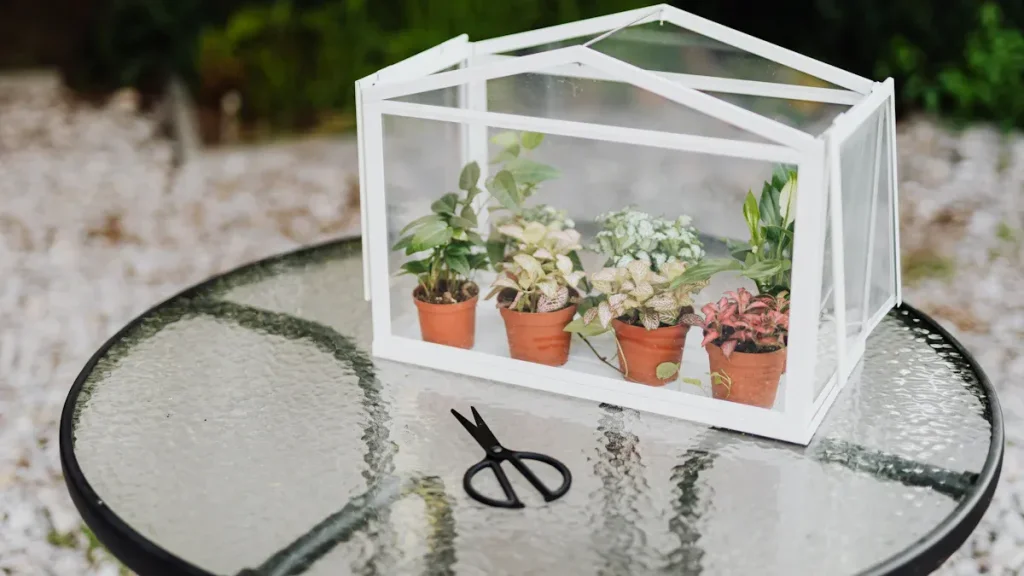
Location
With your DIY greenhouse, it counts to choose the right location. You would like your plants to receive as much sunlight as possible and then position the longest side towards the south or southeast. This keeps your plants healthy, particularly during winter.
Ensure that the greenhouse has no less than 6-8 hours of direct sunlight per day. Find a place where there is good wind protection and where water and electricity are readily accessible.
Test the ground to ensure there is proper drainage. Broad access walks and mounds allow all to access plants. When you plan, you can eliminate some common errors, such as a poor choice of location, which can impair growth and increase heating expenses.
Size and Style
Think about what you want to grow and how much space you have. Larger greenhouses let you grow more types of plants, while smaller ones work best for a few favorites. Here’s a quick look:
| Greenhouse Size | Impact on Plant Types |
| Larger Greenhouses | More variety and quantity of plants |
| Smaller Greenhouses | Best for limited space and specific plants |
Popular styles include lean-to, freestanding, hoop, gothic arch, and A-frame. Each style has its own benefits. For example, lean-to greenhouses save space and connect to your house, while hoop styles are easy to build and resist wind.
Materials and Tools
Building a greenhouse yourself requires the right mix of durable materials and reliable tools to ensure a sturdy, long-lasting structure. Choosing quality components not only improves insulation and light control but also makes assembly smoother and safer. Here’s what you’ll need:
Materials:
- PVC pipes, PVC fittings, wood, or metal framing
- Polycarbonate or polyethylene panels
- Screws, bolts, and brackets
- Door hinges and latches
- Shade cloth or insulation film
Tools:
- Measuring tape and level
- Power drill and screwdriver
- Saw (hand or electric)
- Hammer and pliers
- Safety gloves and goggles
How to build your DIY greenhouse
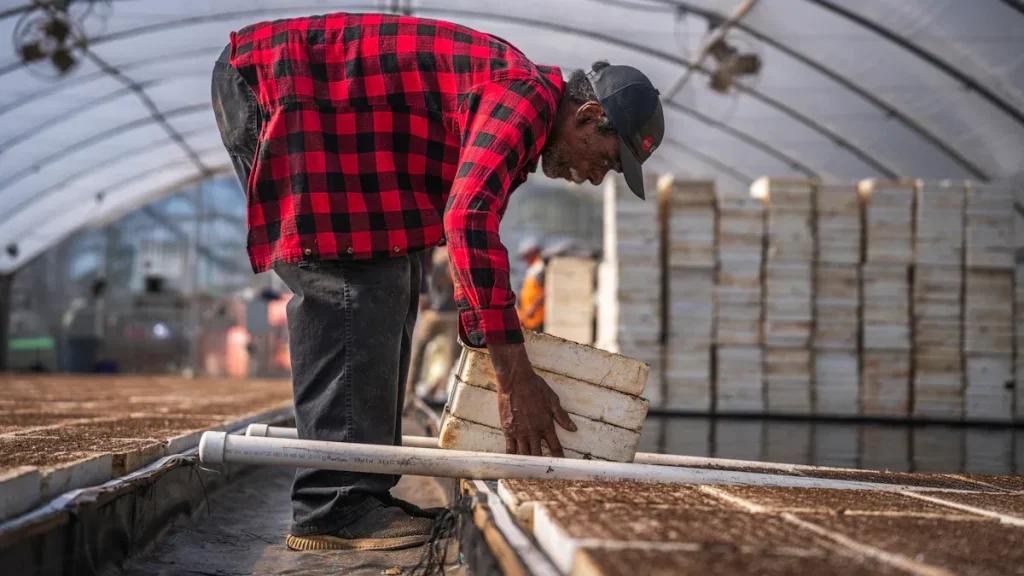
1. Prep your site appropriately
The first step is to have your site ready. You want your homemade greenhouse to be durable, and therefore you should choose a place that receives a lot of sunlight.
Keep out of the shade of trees and as near water and electricity as possible. Look into local regulations regarding the proximity of buildings to property lines so that you don’t run into issues anytime soon with the community.
Select a foundation that fits your budget and the size of greenhouse. Choose wood or concrete for the foundation. Lighter structures are made of wood and heavy structures are made of concrete.
2. Set a weed barrier
Place a weed barrier and gravel to ensure good drainage. Even out the surface and remove plants and debris. Have good drainage in the soil so that water will not stagnate beneath your greenhouse. It is serviced easily, and supplies can be moved easily.
3. Design the frame
The frame is what will begin to form your DIY greenhouse. You can use wood, PVC, or metal. Saving money by using recycled materials and protecting the environment is something that many individuals enjoy. When you use reclaimed wood, it must be solid and not in a state of decay.
Nail down safe posts with metal pikes and screw rails with massive screws. In this case, use long rafters to use as the roof, and cut them at the right angles. Pallets make good flooring, and they can use old windows to provide ventilation. Plants can be put on the shelves of old closets and allowed to drain.
- Use reclaimed wood for posts and rails.
- Secure posts with metal spikes.
- Attach rails with strong screws.
- Build roof rafters with long, sturdy boards.
- Cut rafters at the right angle for strength.
If you want something easier, try a greenhouse kit. Kits come with pre-cut parts and clear instructions. You do not need many tools, and you can put them together quickly. Kits often have snap-together frames and labeled parts, making assembly simple.
4. Choose materials for the walls and roof
The walls and roof protect your plants from the weather. You have several choices for materials. Glass lets in lots of light and lasts a long time, but it costs more and needs good sealing.
Polycarbonate is light and blocks UV rays, but it can turn yellow over time. Fiberglass is affordable and insulates well, but it needs cleaning.
Polyethylene is flexible and cheap, but it does not last as long. Choosing the right material helps with insulation and energy efficiency.
Green roofs and walls can keep your greenhouse cool in summer and warm in winter. Air between layers acts as insulation, and moist soil holds heat. Cool roofing options also help save energy and lower heating costs.
5. Look at your ventilation
Doors and vents keep air moving and help control temperature. Good ventilation stops air from getting stale and keeps humidity low. This helps your plants grow and prevents disease. Place roof vents on opposite sides for cross-ventilation.
Make sure vents cover at least 15-20% of the floor area. Use fans with the right power for your greenhouse size. Clean fans and vents often to keep them working well. Here are some tips:
- Add enough vents for airflow.
- Place vents on both sides of the roof.
- Use fans for extra air movement.
- Clean and check equipment often.
Proper ventilation keeps your DIY greenhouse climate steady. It stops air from getting too humid and helps plants stay healthy.
6. Work on your interior setup
Setting up the inside of your DIY greenhouse helps you use space wisely. Arrange diy greenhouse plants in straight rows for easy access.
Try an L-shaped design to fit corners and create different climates for different plants. Utilize shelves or raised beds to maximize your growing space.
Shelving at different heights lets you use vertical space. Folding tables give you extra workspace when you need it. Drip irrigation saves space and keeps plants watered.
7. Test climate control and customization
You can control the climate in your DIY greenhouse with simple tricks. Use evaporative cooling, misting, or fogging systems to lower the temperature.
Store heat with water barrels, rocks, or bricks. Add bubble wrap or reflective insulation to maintain steady temperatures. These methods help if you live in a place with hot summers or cold winters. Here are some tips:
- Use misting or fogging for cooling.
- Store heat with water, rocks, or bricks.
- Add insulation for stable temperatures.
If you want to build a greenhouse cheaply, use recycled materials and simple insulation. PVC pipes work well for frames and are easy to cut and connect. Try making a DIY greenhouse box for small plants or seedlings.
FAQ
What would it cost to construct a green house as a DIY?
An upright greenhouse would take a budget of between $500-$2,500. Recycling material is economical. Kits are more expensive but easier to construct.
What are the plants that can thrive in a homemade greenhouse?
You will be able to plant tomatoes, peppers, herbs, and lettuce. These plants will be happy in the warm and sheltered atmosphere in your DIY greenhouse.
Should I have a permit for my own greenhouse?
Check local rules prior to commencing. Certain localities require a DIY greenhouse permit. You are safe in asking your city or county first.
Conclusion
A DIY greenhouse is not as hard to assemble as you would expect, and the benefits are available year-round.
You can build your configuration either out of wooden frames or with intelligent climate control, growing to any size or price point. To find good materials, equipment, and cost-effective greenhouse kits, go to VEVOR.
VEVOR has long-lasting, easy-to-construct choices that are suitable to any level of gardener skill. Begin today and make your backyard a self-sustaining garden that produces fresh food all year round.