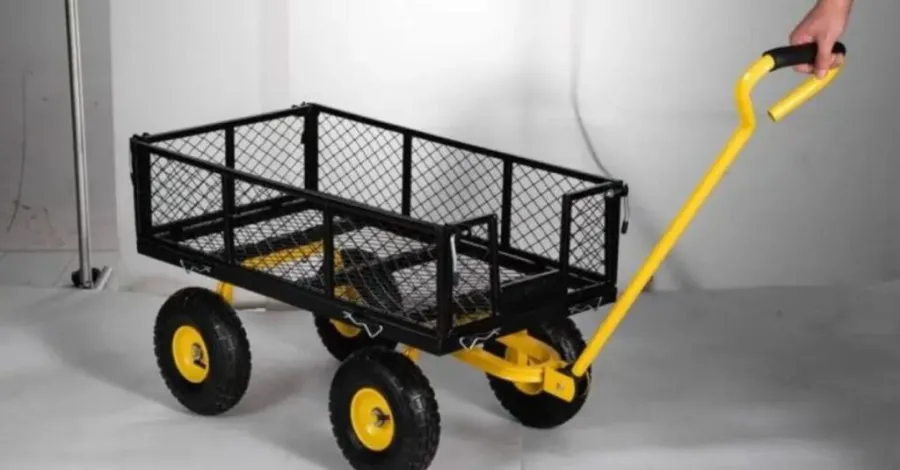
Building a garden cart might seem like a tough job, but with just a few basic tools and affordable materials, it’s easier than you think. A custom DIY garden cart not only saves you money, it also gives you complete control over its design, strength, and function. If you’ve ever struggled to move heavy tools, soil, or plants around your yard, this is the perfect solution.
In this step-by-step DIY garden cart plan, we’ll walk you through how to build a sturdy, personalized garden cart that fits your space, handles tough loads, and makes gardening a whole lot easier. Ready to roll up your sleeves? Let’s get started.
Step-by-Step DIY Garden Cart Plan
Inspiration and Style
Make your garden cart to match your style, whether it’s a classic wooden wagon or a modern utility cart. Browse photos online or visit local garden stores for inspiration. Choose bold colors or a simple, natural finish plan based on how you’ll use it: hauling soil, plants, or tools. Add paint or decorations to make it stand out. Creating your cart allows you to blend function with creativity and build something that fits both your needs and personal taste in the garden.
Measurements and Sketches
Before building the wagon, grab a pencil and paper. Sketch your idea. Draw the frame, wheels, and handle. Write down the size you want. Most people prefer a cart that measures approximately 24 inches by 57 inches in size. Make sure your diy cart fits through your garden gate. When planning the DIY utility wagon, consider how much weight you want it to carry. To create a sturdy garden cart that can accommodate heavy items, use thicker wood or metal for the frame.
Materials and Tools List
If you’re wondering what materials are needed for a garden cart, start by gathering the essentials. Now, make a list of what you need. Here are some ideas:
- Frame: Wood, metal, or plastic.
- Wheels and axles: New or reused (bike or stroller).
- Fasteners: Screws, bolts, or nails.
- Handle: Wood dowel or metal pipe.
- Tools: Saw, drill, screwdriver, measuring tape, and wrench.
Tip: Use reclaimed supplies to save money and reduce waste. Planning makes building easier and ensures your DIY cart fits your needs.
DIY Garden Cart Materials
Frame Options
You have several choices for the frame when you begin building the wagon. Wood is a classic pick. It feels sturdy and looks great in any garden. To ensure your homemade garden cart lasts a long time, consider using hardwoods like oak or maple. Pine works too, and it costs less. Metal frames give you extra strength. You can use steel pipes or aluminum bars. These make your DIY project strong enough to withstand heavy loads. Some people use thick plastic for a lightweight frame. It works well if you want a yard utility cart that is easy to move.
Tip: Reclaimed wood or metal from old furniture can save you money and add character to your diy cart.
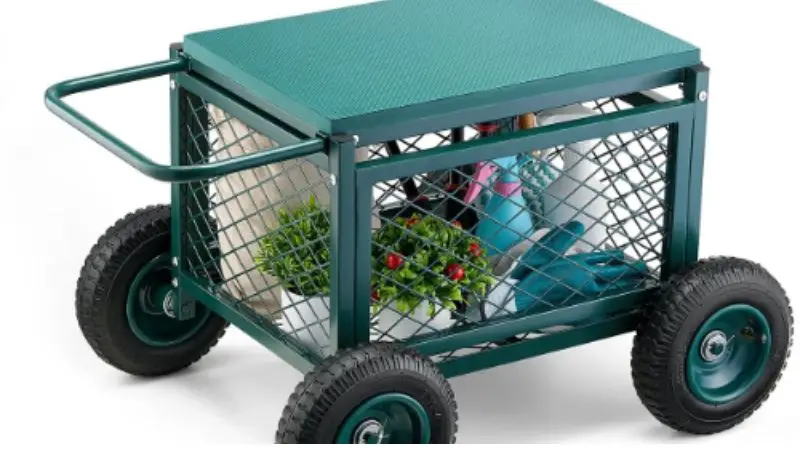
Wheel and Axle Choices
Make your garden cart easy to move. You can use old bike wheels, lawnmower wheels, or buy new ones at a hardware store. For a two-wheeled garden cart, pick wheels that roll smoothly on grass and dirt. Bigger wheels help you move heavy things without much effort. The axle holds the wheels in place. You can use a metal rod or a strong wooden dowel. Ensure the axle fits the wheels you have chosen. When building the wagon, check that the wheels spin freely.
| Wheel Type | Best For | Pros |
| Bike Wheels | Flat surfaces | Fast, easy to find |
| Lawn Mower | Grass, dirt | Sturdy, stable |
| Plastic Wheels | Light loads | Cheap, lightweight |
Fasteners and Hardware
You need the correct fasteners to keep your homemade garden cart strong. Screws and bolts are best suited for use with wood and metal frames. Nails are quick, but they might not hold as well over time. Use washers with bolts to distribute the weight evenly. Hinges help if you want sides that fold down. Handles and brackets make building the wagon easier and safer. Always double-check that your hardware matches your frame material. Good fasteners mean your diy project will last through many seasons.
Note: When building the wagon, use weather-resistant screws and bolts to ensure durability. It helps your cart survive rain and sun.
Make Your Garden Cart
Frame Assembly
Wondering how to build a garden cart that’s both sturdy and practical? Lay out your wood or metal pieces on a flat surface using your sketch as a guide. Begin by aligning the longer sides, then attach the shorter ends to form a 24×57-inch rectangle—ideal for most garden gates and loads. Secure corners with screws or bolts, tightening firmly. For wood, add glue for strength. Ensure the frame sits flat; adjust if needed. Tip: Use corner brackets for added support. A stable frame ensures your DIY cart lasts through heavy use and outdoor conditions.
Attaching Axle and Wheels
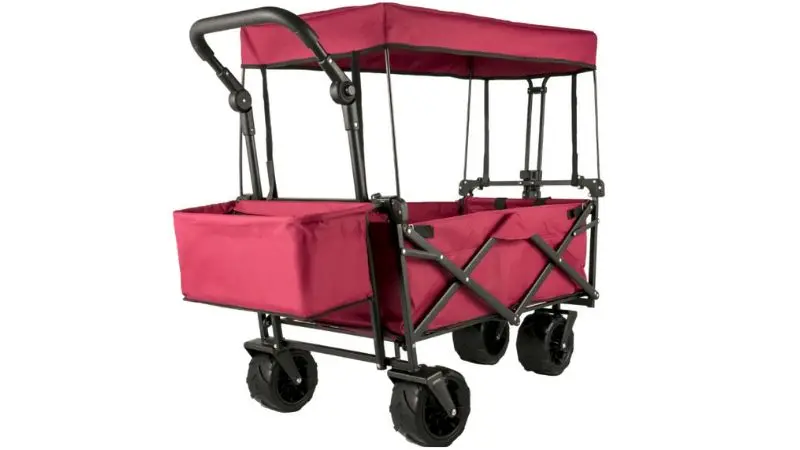
Now you get to add the wheels. Flip the frame upside down and mark where you want the axle to go. Most people put it about two inches from the back edge. It helps balance the weight when you pull the cart.
Slide the axle through the holes or brackets you made. Make sure it spins freely. Attach the wheels to each end. Use washers and nuts to keep them securely in place. Spin the wheels to check for smooth movement. If they rub or stick, loosen the nuts a little.
If you want to know how to build a garden cart that rolls over bumps, pick bigger wheels. Bike wheels or lawnmower wheels work great for a yard utility cart. They handle grass and dirt with no problem.
Note: Apply a small amount of oil to the axle to ensure the wheels turn smoothly. This helps your diy project last longer.
Adding Handle and Steering
You need to have a good grip on the handle to navigate your trolley. You can make the handle out of a piece of wood or a metal pipe. Put it on the front of the frame. You can install a hinge or a U-bolt on the handle to allow it to move up and down. This makes it easy to move the cart.
Put a swivel plate or caster wheels on the front of your wagon if you want to know how to make it turn correctly. You can use this to turn without tipping the wagon over. You should be able to tell how strong the handle is by pulling on the frame. It should feel sturdy and not move around a lot. Cover the handle with tape or foam to make it easier to hold. After spending a lot of time in the garden, your hands will feel great.
Cart Bed and Sides
Now it’s time to build the bed: lay wood planks or a sheet of plywood across the frame. Screw them down tight. Make sure there are no significant gaps. You want your homemade garden cart to hold dirt, plants, or tools without anything falling through.
For the sides, cut the boards to the desired height. Most people use sides that are 8 to 12 inches tall. Attach them to the frame with screws or bolts. To create a wagon that can carry large loads, use thicker boards for the sides. You can even add hinges if you want the sides to fold down for easy unloading.
Note: Sand all edges before finishing. This keeps you from getting splinters when you use your diy cart.
Special Features
If you’re exploring how to make a garden cart at home, don’t forget to personalize it to suit your needs. You can add some great things to your cart. Put hooks on the sides to hang tools. Put a tiny basket in for gloves or seeds. If you want to move wet soil or plants, drill holes in the bed to allow water to escape. Use paint that can withstand rain and sun to protect your cart.
Seal all the wood with outdoor sealer to make your DIY project stronger. This keeps water out and extends the life of your cart. Consider how much weight you wish to bear. If you use strong wood and durable wheels, most DIY carts can hold between 150 and 300 pounds.
Personalize your cart by adding your name or a humorous design. You may make your wagon one of a kind by building it yourself!
Finishing and Maintenance
Sanding and Smoothing
You want your homemade garden cart to be safe and comfortable. Use sandpaper to smooth off all the rough spots. Pay attention to the corners and edges. Sand down any splinters you see. A sanding block is suitable for significant areas. Wrap a piece of sandpaper around your finger to get into small spaces. This process enhances your project’s appearance and keeps your hands safe.
Before you continue, use a moist cloth to wipe away the dust. Paint or sealant sticks better to clean surfaces.
Painting or Sealing
Now you get to make your diy cart stand out. Choose a bright color or opt for a natural one. Use outdoor paint or wood stain for a strong finish. If you want your diy cart to last through rain, use a waterproof sealant. Paint the frame, sides, and handle. Let each coat dry completely before adding another. For metal parts, use rust-proof spray paint. This keeps your diy cart looking fresh.
- Paint: Adds color and protects wood.
- Stain: Shows off the wood grain.
- Sealant: Blocks water and sun.
Note: Always paint or seal your diy cart outside or in a well-ventilated area.
Cost Summary
Building a garden cart saves money, especially if you’re learning how to make a garden cart at home using affordable or reclaimed materials. Here’s a quick look at what you might spend:
| Item | Estimated Cost |
| Wood/Metal | $20 – $40 |
| Wheels | $15 – $30 |
| Fasteners | $5 – $10 |
| Paint/Sealant | $8 – $15 |
| Handle | $5 – $10 |
You can lower costs by using reclaimed materials. Your diy cart can cost less than half the price of a store-bought one.
Maintenance Tips
Keep your diy cart in top shape with simple care. Store it in a dry spot when you finish using it. Check the wheels and tighten bolts every few months. If you notice rust or chipped paint, touch it up immediately. Clean your diy cart after hauling wet soil or plants. A little care helps your diy project last for years.
Reminder: Regular checks and quick fixes keep your diy cart rolling smoothly all season.
Conclusion
You just learned how to build a DIY garden cart from scratch. You planned, gathered materials, built each part, and finished it with care. Now you have a sturdy cart that fits your needs and style.
Building your cart feels rewarding and helps you save money. You get a tool that works hard for you every day.
Try adding your features or colors. Share your results with friends or online. Want more projects? You can build a compost bin, a raised garden bed, or even a tool rack next to it!
FAQ
How much weight can my DIY garden cart carry?
Most homemade garden carts can hold between 150 and 300 pounds. If you use strong wood and sturdy wheels, your cart will be able to handle heavy loads. Always check your materials before you haul something big.
Tip: Test your cart with bags of soil before using it for larger jobs.
Can I use only hand tools to build my cart?
Yes, you can! A saw, screwdriver, and wrench will do the job. Power tools make things faster, but you do not need them. Take your time and double-check your work.
What kind of wheels work best for rough ground?
Big wheels, like those on an old bike or lawnmower, roll over bumps and grass easily. Small plastic wheels are suitable for smooth paths, but they tend to get stuck in dirt.
- Bike wheels: Great for rough ground
- Lawn mower wheels: Good for grass and soil
How do I keep my cart from rusting or rotting?
Paint or seal all wood and metal parts. Store your cart in a dry, well-ventilated area. Check for rust or cracks every few months. Apply touch-up paint or sealant as needed.
Reminder: A little care keeps your cart strong for years to come!