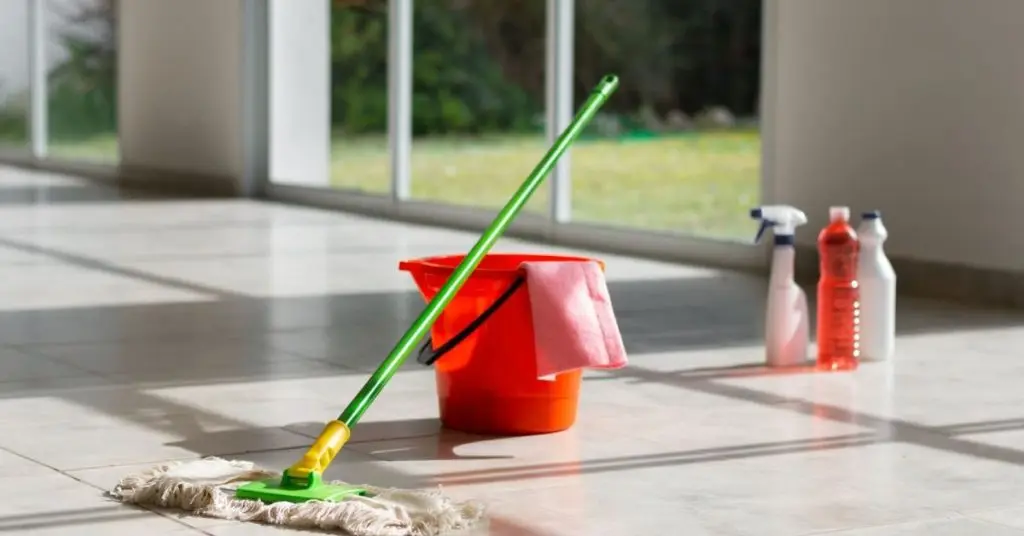
Cleaning your floors doesn’t have to be complicated or expensive. With just a few common ingredients, you can make a DIY floor cleaning solution that leaves your home fresh and spotless. Mix one cup of water, half a cup of white vinegar, and a few drops of dish soap to create a natural cleaner that works on most floor types. Use it with a floor sweeper for quick, even cleaning. It’s gentle, safe, and free from harsh chemicals. Whether you’re tackling everyday dirt or sticky messes, this simple homemade mix gives your floors a beautiful shine while keeping your home clean the natural way.
Essential Tools and Ingredients for DIY Floor Cleaning
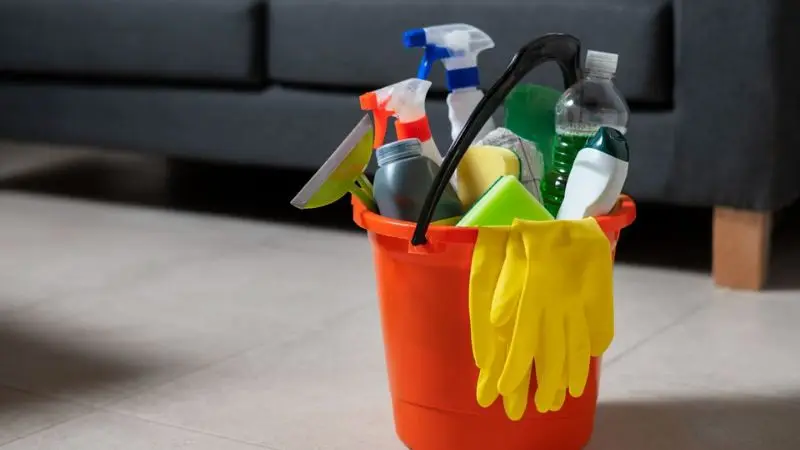
It is also very cheap and easy to make your own natural floor cleaners and safer to your whole family, including pets, than using commercial chemical cleaners. There is no complex equipment or costly materials required, and using a few simple household materials can assist you in making successful cleaners that will leave your floor shiny.
Essential Ingredients:
- Water – This is used as the foundation of your cleaning solution and to dissolve other ingredients.
- White vinegar – This is a natural cleaner that is used to eliminate dirt, grime, and smells without using harsh chemicals.
- Rubbing alcohol -Helps remove and fastens drying once surfaces are disinfected.
- Dish washing soap -slices through grease and sticky stuff without difficulty.
- Oils ( optional ) – Add a few drops of lemon, lavender, or eucalyptus to give your floors a fresh and pleasant smell without turning into an artificial additive.
Tools You’ll Need:
- Spray bottle/bucket– To mix and apply your DIY cleaning solution with ease.
- Mop or microfiber cloth – Smooth cleaning and without any scratches, this cloth is ideal for all types of floors.
- Measuring cups -To weigh ingredients correctly and to obtain a consistent outcome.
- Push floor sweeper – Makes cleaning large floor areas faster and more efficient by collecting dust and debris easily.
- Funnel (not compulsory) – Helps to pour liquids without spills.
- Gloves (optional) – Coat your hands against long-term contact with cleaning solutions.
All you need to do is use these simple ingredients and equipment to make safe and efficient cleaning solutions for any form of floor in your house. Your floors will not only appear clean, but you will take pride in having used natural, eco-friendly cleaners that are soft on your family as well as the environment.
Homemade Floor Cleaner Recipes for Every Surface
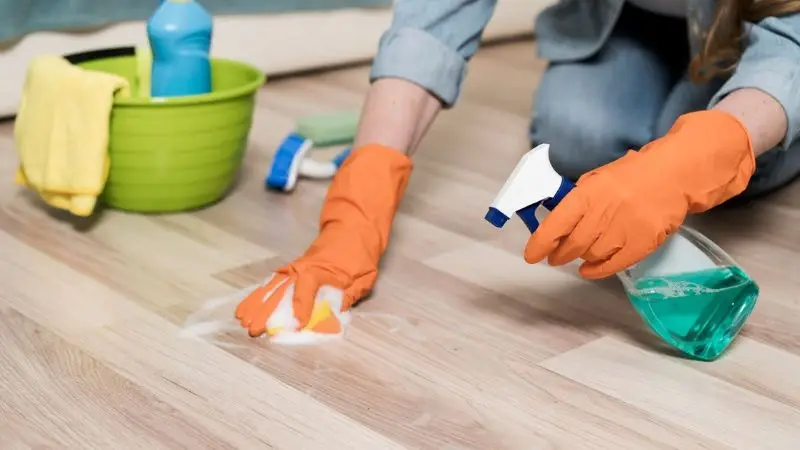
Every floor type deserves the right kind of care. A DIY floor cleaning solution for hardwood is not the same as what you’d use on tile or laminate. By understanding what each surface needs, you can keep your floors spotless and safe from damage. Let’s explore simple, homemade cleaners tailored for every kind of flooring.
Hardwood Floor Cleaner
Due to the moisture content of the flooring type, hardwood floors need delicate cleaning. Rough products may either flatten the finish or spoil the wood. It is a simple homemade floor cleaner that functions very effectively on sealed hardwood:
Ingredients:
- 1 cup warm water
- 1/4 cup white vinegar
- 1 tablespoon olive oil
- 3 drops mild dish soap
Instructions:
Add ingredients into a spray bottle and shake. Gently spray using a microfiber cloth and wipe. The olive oil makes it nourishing, and it gives it shine, and the vinegar removes dirt. The surface should always be dried out afterwards as a precaution for the finish.
Tile and Grout Cleaner
Tile and grout can handle stronger cleaning, especially when it comes to removing grime. This homemade floor cleaner for tile is both effective and easy to prepare:
Ingredients:
- 2 cups warm water
- 1/2 cup white vinegar
- 1/4 cup rubbing alcohol
- 5 drops dish soap
Instructions:
Combine everything in a bucket. Use a mop or scrub brush to clean the tiles and grout lines. Rinse with clean water and dry with a towel to prevent streaks. This mixture removes buildup and keeps tiles shining bright.
Laminate and Vinyl Floor Cleaner
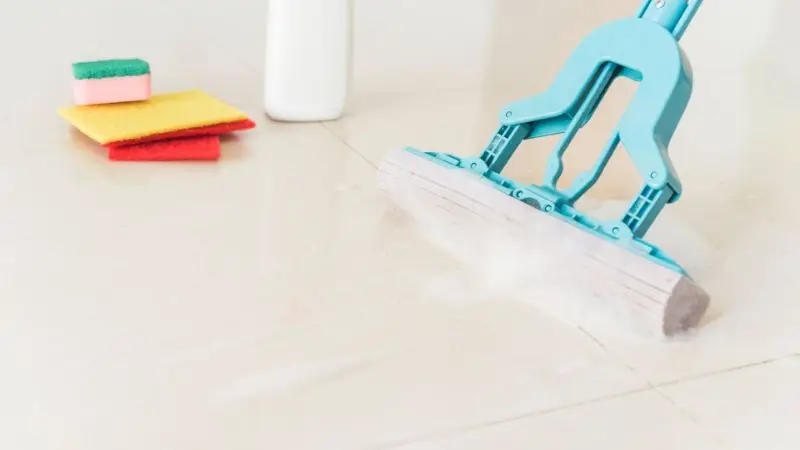
Laminate and vinyl floors need a softer approach since too much moisture can cause warping. A natural floor cleaner for laminate floors keeps them clean without damage.
Ingredients:
- 2 cups water
- 1/4 cup rubbing alcohol
- 2 drops dish soap
- 5 drops essential oil (optional)
Instructions:
Mix in a spray bottle and apply lightly to the surface. Wipe with a microfiber mop to remove dust and smudges. The rubbing alcohol ensures quick drying and streak-free shine, making this blend perfect for frequent use.
Stone and Sealed Surface Cleaner
Marble, granite, and slate are stone surfaces that require additional effort. Use of vinegar and acid should be avoided since they may etch the surface. In its place, prepare this pet-safe and stone-safe non-toxic floor cleaner, which is mild and yet effective.
Ingredients:
- 2 cups warm water
- 1 teaspoon mild dish soap
- 5 drops essential oil (oplay)
Instructions:
Mix in a bucket and mop gently. Wipe with clean water and wrap it with a soft towel. This cleaning soap keeps your stone naturally shiny and keeps it undamaged- great with children and pets at home.
Universal DIY Floor Cleaner Recipe
This DIY floor cleaning solution for hardwood and other surfaces is made from common household ingredients. It’s safe, quick to mix, and leaves floors fresh and streak-free. Always test a small area first before cleaning the entire floor.
Ingredients:
- 1 cup water
- 1/2 cup white vinegar
- 1/4 cup rubbing alcohol
- 2–3 drops dish soap
Instructions:
- Pour all ingredients into a spray bottle.
- Shake well before each use.
- Spray lightly and wipe with a mop or microfiber cloth.
This solution works beautifully on sealed wood, laminate, and vinyl surfaces.
Eco-Friendly and Cost-Effective Cleaning Tips
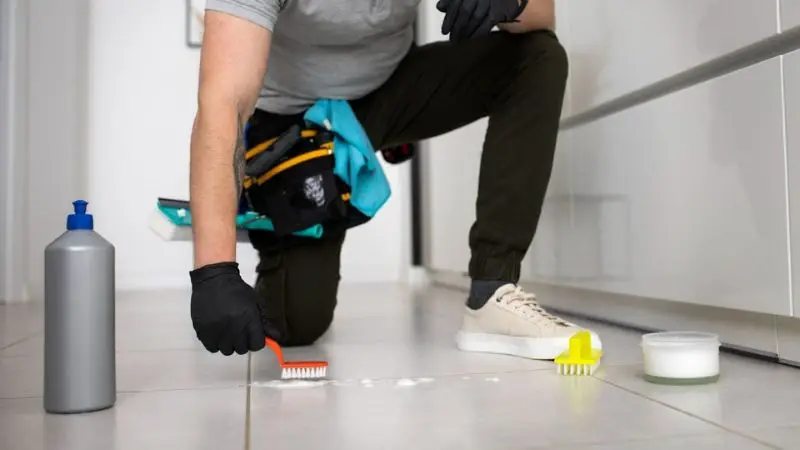
Cleaning your floors doesn’t have to harm the planet or cost a lot. By following eco-friendly habits, you can make your easy DIY floor cleaning solution for home more sustainable and budget-friendly. Reusing materials, storing cleaners correctly, and applying the right methods help reduce waste while keeping your home spotless. Using a push floor sweeper can also make cleaning large areas quicker and more efficient, collecting dust and debris with minimal effort.
Reuse Spray Bottles and Cloths
This can help a great deal when you reuse the spray bottles and cloths rather than disposing of them. Wash your cleaning cloths after each use and dry them in the sun to have a natural, fresh odor. Rinse the spray bottles thoroughly before filling them again to prevent the accumulation of chemicals. Microfiber cloths really come in handy; in particular, they are more effective at trapping dust and dirt compared to paper towels, and they can be washed numerous times. This simple switch will minimize plastic waste, save money, and maintain a clean routine of home cleanliness that will be well-matched with your homemade hardwood floor cleaner.
Store Homemade Cleaners Properly
Proper storage is key to keeping your homemade floor cleaner for tile and other surfaces safe and effective. Always label each bottle with the recipe and date you made it. Store them in a cool, dry place away from direct sunlight to preserve their cleaning power. If your solution includes essential oils, keep the lid tightly closed to prevent evaporation. Some natural ingredients lose strength over time, so make smaller batches that you’ll use within a few weeks. With the right storage, your cleaners will stay fresh, safe, and ready whenever you need them.
Solve Common Floor Cleaning Problems
Even the most natural floor cleaning agent used in laminate floors may sometimes be streaked or even left over when it is used improperly. In case you can see streaks, use less soap or rinse under clean water. In the case of sticky spots, reholster the area again using a damp mop. Add a few drops of lemon/lavender essential oil to give your remedy a pleasant scent in case it is too fresh. Always dry using a clean towel to get a streak-free shine. These few steps can make you keep your floors clean and beautiful, and at the same time keep your alternative floor cleaner, safer, non-toxic to pets, and pleasant to use.
Common Mistakes to Avoid When Cleaning the Floor
Even when using an easy DIY floor cleaning solution for the home, a few small mistakes can cause damage or reduce cleaning power. It’s important to know what to avoid so you can clean effectively and safely. Whether you’re working with vinegar, alcohol, or essential oils, understanding the dos and don’ts helps keep your home fresh, your air safe, and your floors in great shape.
Never Mix Vinegar with Bleach or Ammonia
One of the most dangerous cleaning mistakes is mixing vinegar with bleach or ammonia. This combination creates toxic fumes that can irritate your eyes, throat, and lungs. Always read labels carefully and never mix cleaning products together. Stick to your recipe and use one cleaner at a time. When using a DIY floor cleaning solution for hardwood or tile, open windows for ventilation and stop immediately if you notice a strong or unusual smell. Keeping your cleaning process simple ensures both safety and effectiveness.
Avoid Using Too Much Water on Wood or Laminate Floors
Excess moisture easily damages the hardwood and laminate floor. Excessive consumption of water will cause warping, swelling, or dull finishes. Rather than employ a dirty mop, do not use a wet one and then wipe up the floor. A laminate floor or hardwood natural floor cleaner must have a small amount of water and sufficient cleaning capabilities to pull up dirt. Spraying light to keep them shiny and drying off fast prevents long-lasting construction damage, allowing your floors to remain beautiful and not require the use of harsh commercial chemicals.
Don’t Add Vinegar to Stone Surface Cleaners
When cleaning natural stone floors like marble or granite, vinegar is not your friend. It may seem safe, but it can etch and dull the surface over time. Instead of vinegar, use mild dish soap and water for a gentle clean. A non-toxic floor cleaner for pets and stone surfaces keeps them shining while protecting their natural texture. Always test your cleaner on a small, hidden area first to make sure it doesn’t harm the finish. This simple habit saves you from permanent marks or damage.
Not Testing Before Using a New Cleaner
Regardless of the fact that your cleaner is as safe and as natural as possible, it is always a good idea to test it first. All floors are different in their finishing and can react differently to. Spray your homemade tile or hardwood floor cleaner solution in a small amount on an area that is not noticeable and allow it to dry after a few minutes. In case the surface appears the same, then it is safe to use it. This measure ensures that your cleaner does not discolour, leave residues, or dull areas.
Wrap Up
Making your own floor cleaners is an easy and safe way to keep your home fresh and clean. With simple ingredients, you can create an easy DIY floor cleaning solution for your home that works for hardwood, tile, laminate, or stone. These recipes are gentle, budget-friendly, and kind to pets and the environment. By avoiding harsh chemicals, you protect your floors and your family’s health. Try each homemade floor cleaner for tile or wood surfaces to find your favorite. Clean naturally, save money, and enjoy a home that feels fresh, healthy, and beautifully cared for every day.
FAQ
Is it applicable to all types of floors with these DIY cleaners?
Most recipes are used on most floors. Always consult your care guide for your floor in the first place. Stone surfaces should not be covered with vinegar so that they are not damaged.
What is the life span of a homemade floor cleaner?
You are expected to utilize your homemade cleaner in two weeks. Store it in a cool, dry spot. To obtain optimum results, shake before use.
What is a good floor cleaning solution?
A competent floor cleaning solution involves the use of harmless, easy-to-use ingredients. It is also easy to clean without a trace. You can rely upon it to have your floors looking great.