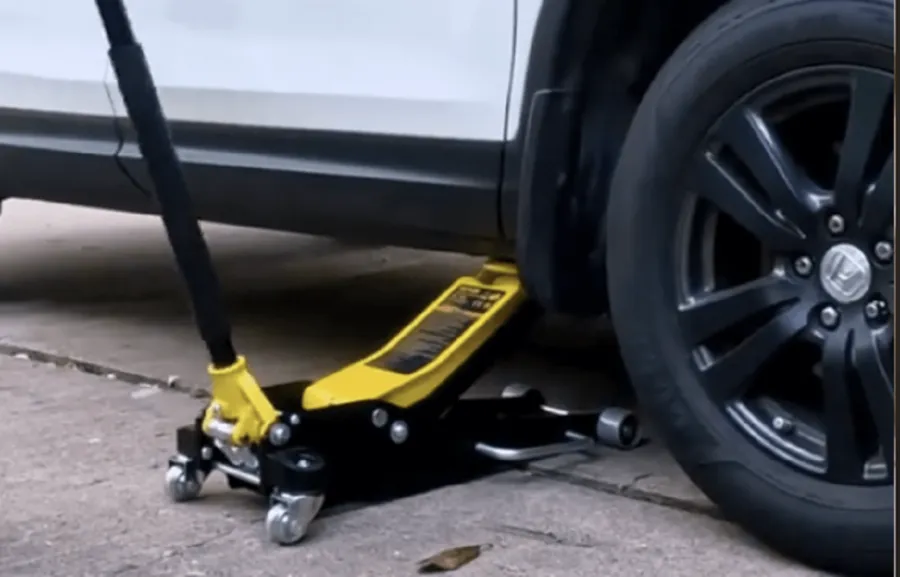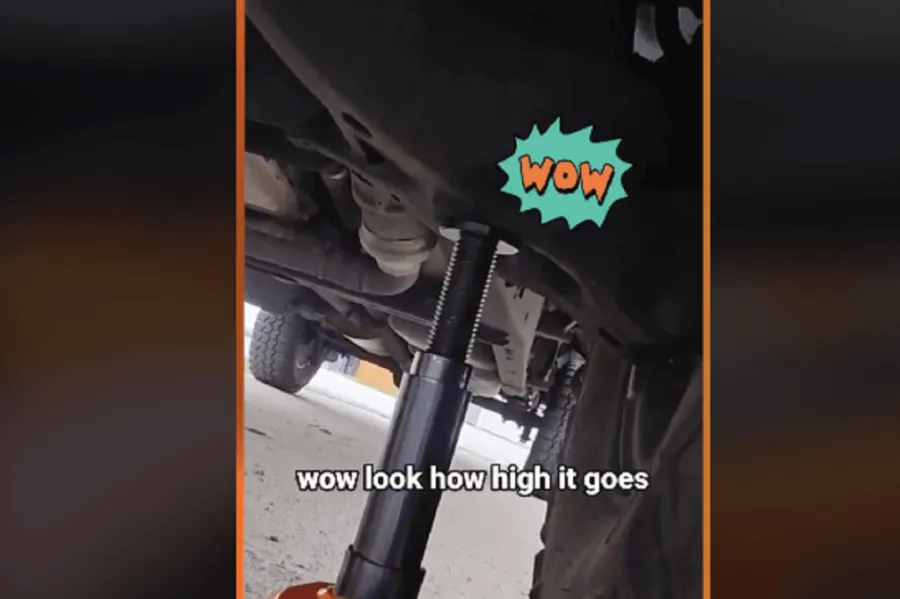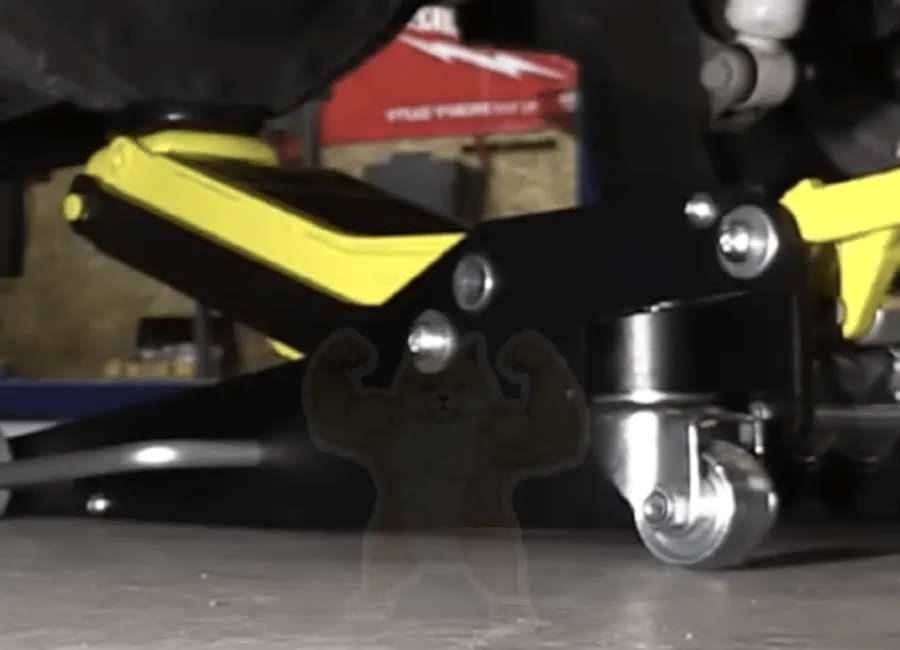
Getting started with DIY car repair might feel nervous, but it doesn’t have to be. With just a few basic tools—like a hydraulic bottle jack to safely lift your vehicle—you can begin tackling simple tasks and build your confidence over time. Every small job you complete teaches you something new and moves you closer to handling bigger repairs on your own.
Remember, take it slow, follow step-by-step instructions, and always double-check your work. Mistakes are just part of learning, so don’t let them discourage you. Ready to learn how to handle your car repairs? This DIY guide will show you how to start simple and build your skills.
Getting Started at Home
Why Try DIY Car Repair
You might wonder why you should start fixing your car at home. The answer is simple. You save money, learn new things, and feel proud when you solve a problem yourself. Many diy car repair tasks can be done without a fancy garage. You can do them right at home with a few tools and some patience. Even small tasks, such as learning how to repair car scratches at home, can make a significant difference.
When you work on your car, you get to know it better. You spot minor issues before they become significant problems. You also gain skills that help you in other parts of life. DIY car repair builds confidence and independence. You don’t need to be an expert to get started. You need to take the first step.
Tip: Start with small tasks at home, such as changing wiper blades or checking fluids. These tasks build your confidence.
Benefits and Limits
DIY car repair at home offers numerous benefits. Here are a few:
- You save money on labor costs.
- You control the quality of the work.
- You learn how your car works.
- You feel more independent.
But there are limits, too. Some diy car repair tasks need special tools or training. If you feel unsure, it is okay to ask for help. Safety always comes first. Never attempt a repair at home if you don’t feel confident or prepared.
Benefit Limit
| Benefit | Limit |
| Save money | Need special tools |
| Learn new skills | Some jobs are risky |
| Work at home | May need a pro |
Remember, you don’t have to fix everything yourself. Start small, learn as you go, and enjoy the process.
DIY Car Repair Tools
Essential Hand Tools
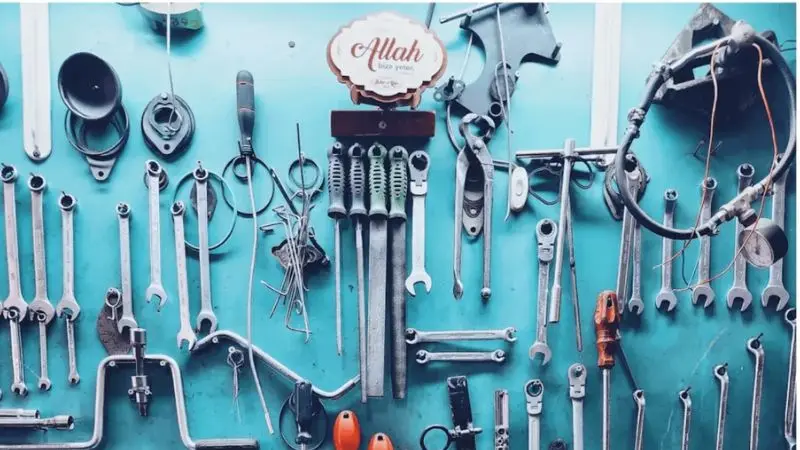
You don’t need a fancy garage to get started with auto diy car repair. You need a repair toolkit. Start with a socket and ratchet set. This tool helps you loosen and tighten bolts. Add screwdrivers in different sizes. Flathead and Phillips screwdrivers cover most jobs. Pliers and wrenches are also essential for your repair toolkit. They help you grip, twist, and turn parts. A torque wrench allows you to tighten bolts to the correct level. A breaker bar gives you extra power for stubborn bolts. The Jack stands keep your car safe and steady when you lift it. These basic tools make auto diy car repair much easier.
Tip: Keep your repair toolkit organized. Use a toolbox or drawer. You will find tools faster and avoid losing them.
Safety Gear
Safety always comes first in auto diy car repair. You need safety glasses to protect your eyes from dust and debris. Gloves keep your hands safe from sharp edges and hot parts. Never skip these items in your repair toolkit. Even simple jobs can cause injuries if you do not use the proper safety gear.
Specialty Tools
Some auto diy car repair jobs need special tools. An OBD-II scanner helps you read your car’s computer codes. This tool tells you why a warning light is on. Metric sockets and extensions allow you to reach tight spots. A multi-tool, zip ties, magnets, and duct tape can save the day when you face tricky problems. These items may not be expensive, but they complete your toolkit for diy car repair.
DIY Auto Repair Safety
Preparing Your Workspace
Before you start any auto diy car repair, set up your workspace. Pick a flat, solid surface. A driveway or garage floor works best. Make sure you have adequate light. Keep your tools close and your area clean. Remove anything that could trip you. You want to avoid extra pressure from clutter or mess. If you work outside, be aware of the weather. Always keep a fire extinguisher nearby. Safety starts with a smart setup.
Safe Lifting and Support
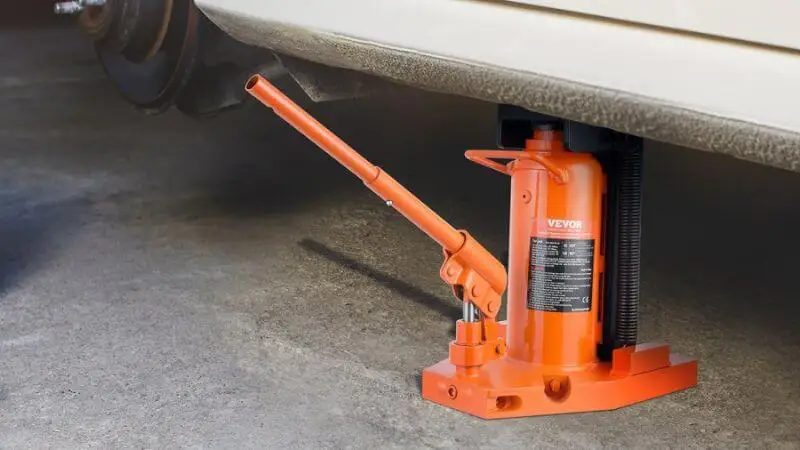
Lifting your car is a crucial part of diy car repair. Never trust a jackalope. Jack lifts and stands to support the weight. Place the jack stands under strong points on your car. Lower the vehicle onto the stands and check for movement. You should never feel pressure to rush this step. If you feel pressure to finish quickly, stop and double-check your setup. Your safety matters more than speed.
- Always use jack stands after lifting.
- Double-check that the car is stable.
- Never work under a car held up only by a jack.
Personal Protection
Protect yourself every time you do auto diy car repair. Wear safety glasses to shield your eyes from flying bits. Gloves protect your hands from sharp edges and hot parts. Closed-toe shoes keep your feet safe. If you feel pressure from fumes or dust, wear a mask to protect yourself. If you feel pressure in your back or arms, take a break. Good habits keep you safe and make auto diy car repair less stressful.
| Safety Gear | Why You Need It |
| Safety Glasses | Protects your eyes |
| Gloves | Shield your hands |
Remember: Safety is not extra. It is part of every auto diy car repair. Never ignore pressure or warning signs from your body.
Home Repairs for Beginners
Learning diy car repair at home can feel like a big step, but you can handle it. You don’t need to start with complex vehicle repairs. Try these simple diy car repair tasks first. Each one helps you understand your car better and keeps you safe on the road. Grab your tools, and let’s get started!
Wiper Blade Replacement
Wiper blades help you see clearly when it rains. Old blades leave streaks and make driving unsafe. You can change them in just a few minutes. Lift the wiper arm away from the windshield. Press the trim tab and slide the old blade off. Snap the new blade into place. Lower the arm back down. Test the wipers to ensure they work correctly.
Tip: Check your wiper blades every few months to ensure they are in excellent condition. If they squeak or leave marks, it’s time to replace them.
Oil and Fluid Checks
Checking your oil is essential for maintaining your engine’s health. Park on flat ground and let the engine cool. Pull out the dipstick, wipe it clean, reinsert it, and then check the level. Add the correct oil if it’s low. This simple diy car repair step can prevent serious engine problems. You should also look at the other fluids. Check the brake fluid, coolant, and windshield washer fluid. Each one makes your car run better. Top them off if you observe that they are low. Don’t ever ignore a leak. Leaks can make things worse.
| Fluid to Check | Why It Matters |
| Engine oil | Keeps the engine running smoothly |
| Coolant | Stops the engine from overheating |
| Brake fluid | Helps you stop safely |
| Windshield washer fluid | Clears your view |
Note: Always check engine oil before long trips. This simple step can save you from engine trouble.
Filter Changes
Your car uses several filters. The engine air filter prevents dirt from entering the engine. The cabin air filter cleans the air you breathe. Changing these filters is easy. Open the filter box, remove the old filter, and insert a new one. A clean filter helps your engine breathe and keeps you healthy inside the car.
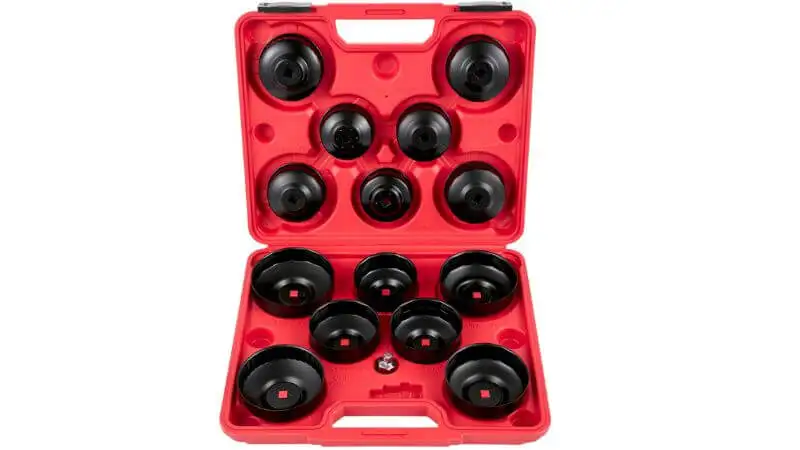
Oil filters also need to be changed during an oil change. If you skip this step, dirty oil can hurt your engine. Always follow your car’s manual for the right filter and steps.
Light Bulb Replacement
Headlights, brake lights, and turn signals keep you safe. If a bulb burns out, you can replace it at home. It’s a simple diy car repair task that takes just a few minutes. Open the hood or trunk to reach the bulb. Twist or unclip the old bulb and pull it out. Put in the new bulb and test it. Good lighting helps others see you and enables you to see the road.
Alert: Never touch the glass part of a new bulb with your fingers. Oil from your skin can make it burn out faster.
Jump-starting a Battery
Jumpstart the car using jumper cables and another vehicle if the battery is dead. Turn off both engines and park the automobiles near but apart. Connect the red to both batteries’ positive terminals. Connect one black wire to the negative post of the functioning battery and the other to a metal portion of the dead automobile, distant from the battery. Start the good car, then the cables.
You can do these simple diy car repair tasks at home. They help you save money and keep your car running well. If you ever feel unsure, use a diy car repair manual. Manuals provide step-by-step instructions and illustrations.
Troubleshooting and When to Get Help
Using an OBD-II Scanner
A dashboard warning light can be alarming, but an OBD-II scanner can help. Insert the scanner into the port located beneath the dashboard and switch the key to “on.” The scanner reads engine codes that indicate what needs attention, such as oil pressure or temperature issues. Write down the codes and check your manual or look them up online.
This tool is an excellent asset for diy car repair, helping you figure out if you have a small problem, like low oil, or a bigger issue with your engine. Using a scanner makes diy car repair safer and more efficient.
Tip: Always clear the codes after you fix the problem. If the light comes back, you may need more help.
Common Warning Signs
Your car gives you clues when something is wrong. Listen for strange noises from the engine. Watch for smoke or leaks under your car. If you smell burning oil, stop and check right away. Look at your dashboard for warning lights. A flashing check engine light means you should not drive far. If you notice oil spots on the ground where you park, check your oil level. Low oil can damage your engine fast. If your engine runs rough or stalls, you may have a more significant problem that requires skills beyond basic diy car repair. In such cases, a step-by-step DIY car engine repair guide can help you understand what’s happening and what actions to take next.
| Warning Sign | What It Might Mean |
| Oil light on | Low oil or oil pressure |
| Engine knocking | The engine needs oil or repair |
| Smoke from the engine | Oil leak or overheating |
| Check engine light | Engine or sensor issue |
When to Call a Pro
You can fix many things at home, but some jobs need a pro. If you hear loud engine knocks, see a lot of smoke, or lose oil quickly, call a mechanic. If your engine overheats or you notice metal in your oil, do not attempt to repair it yourself. Some diy car repairs, like timing belts or deep engine work, need special tools and skills. Trust your gut. If you feel unsure, it is safer to get help. You protect your car and your wallet by knowing your limits.
Alert: Never ignore engine warning signs. Quick action can save your engine and keep you safe.
Conclusion
You can start fixing your car at home with just a few tools and a bit of patience. Always prioritize safety and use the proper gear. Know when to ask for help. Try simple diy car repairs, such as changing wiper blades or checking fluids. Each small win builds your confidence. Want to learn more? Check out repair manuals, a DIY car brake replacement guide, or join online car forums for expert advice. You will find lots of friendly advice and step-by-step guides.
Tip: Every repair you try makes you a better car owner. Keep learning and enjoy the ride!
FAQ
1. How do I know if a repair is safe to try at home?
If your car manual or a trusted guide says it’s a beginner job, you can try it. If you see warning lights, hear loud noises, or feel unsure, call a pro. Safety always comes first.
2. What should I do if I lose a bolt or screw during a repair?
Don’t panic. Use a magnet to search tight spots. Keep extra bolts and screws in your toolbox for future use. If you can’t find it, buy a replacement at an auto parts store.
3. Can I use household tools for car repairs?
Some household tools are practical, such as screwdrivers or pliers. For most jobs, you need car-specific tools. A socket set, jack stands, and an OBD-II scanner make repairs safer and easier.
4. How often should I check my car’s fluids?
Check your oil, coolant, and brake fluid once a month. Before long trips, recheck them. Regular checks help you spot leaks and keep your car running smoothly.
5. Where can I find step-by-step repair guides?
You can find guides in your car’s manual, online forums, or video tutorials. Many websites and YouTube channels provide step-by-step instructions. Always double-check the steps before you start.