You find yourself standing in a hardware store, staring at two faucet finishes. One says satin, and the other says brushed nickel faucet. You touch both, but you cannot decide which one fits your home. The differences seem small, but satin vs brushed nickel can change the look and feel of your space.
But after you read this blog, you’ll know the clear differences between satin vs brushed nickel. Plus, you’ll find what matches your style more! So let’s start with understand what both of these are:
What is Satin Nickel?
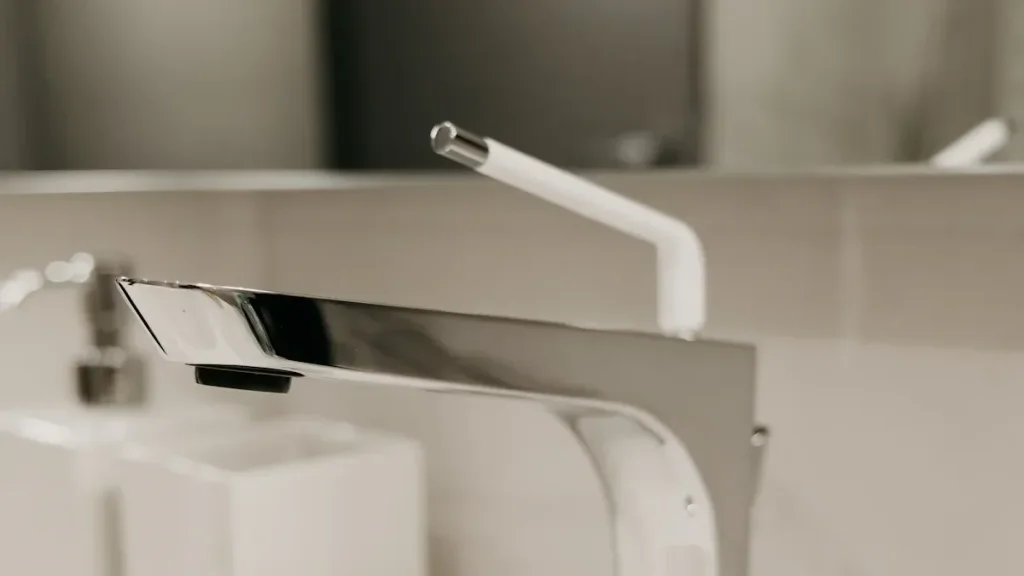
Satin nickel is a common finish for things in your home. To make it, a thin layer of nickel goes on metal. This is done with sulfamate nickel plating. The surface feels smooth and looks like satin. The nickel is almost all pure, so it is strong. Satin nickel is not a metal by itself. It is a finish that covers metals like brass or steel. This gives them a new look and protects them.
Here is a quick look at the technical details:
| Aspect | Description |
| Appearance | Satin to dull luster, achieved by sulfamate nickel plating |
| Nickel Purity | About 99.9% pure nickel |
| Corrosion Resistance | Excellent, due to the absence of organic additives |
| Mechanical Properties | Good ductility and compressive stress profile |
| Application Suitability | Great for soldering, brazing, and as an underplate for gold plating |
Satin nickel has a soft shine that is not too bright. It does not reflect as much light as polished chrome. The finish glows gently and hides fingerprints and scratches. This makes satin nickel easy to use with many styles.
A satin nickel faucet looks fancy in your kitchen or bathroom. It hides water spots and fingerprints, so it stays clean. Satin nickel faucets work with many styles, from classic to modern. For extra strength, pick one with a PVD coating. This makes it even harder to scratch or tarnish. Satin nickel faucets cost more, but they look great and last a long time.
Pros and Cons
You might wonder if satin nickel is a good choice. Here are some main pros and cons:
- Pros:
- Hides fingerprints and water spots better than shiny finishes
- Resists tarnishing, corrosion, and flaking with proper care
- Easy to clean with mild soap and a soft cloth
- Subtle texture hides minor imperfections
- Durable and cost-effective over time
- Cons:
- Can show water spots in hard water areas
- May need refinishing over time to keep its look
- Sensitive to harsh or abrasive cleaners
- Not as bold as some other finishes
- Higher initial cost than chrome
Best Uses
You can use satin nickel in many rooms at home. It works well for:
- Faucets and sinks in kitchens and bathrooms
- Door handles and cabinet pulls
- Light fixtures and wall plates
- Hospitality and commercial spaces
Satin nickel is great if you want a classic look. It does not show every fingerprint or smudge. You get both style and strength, so it is smart for busy places.
What is Brushed Nickel?
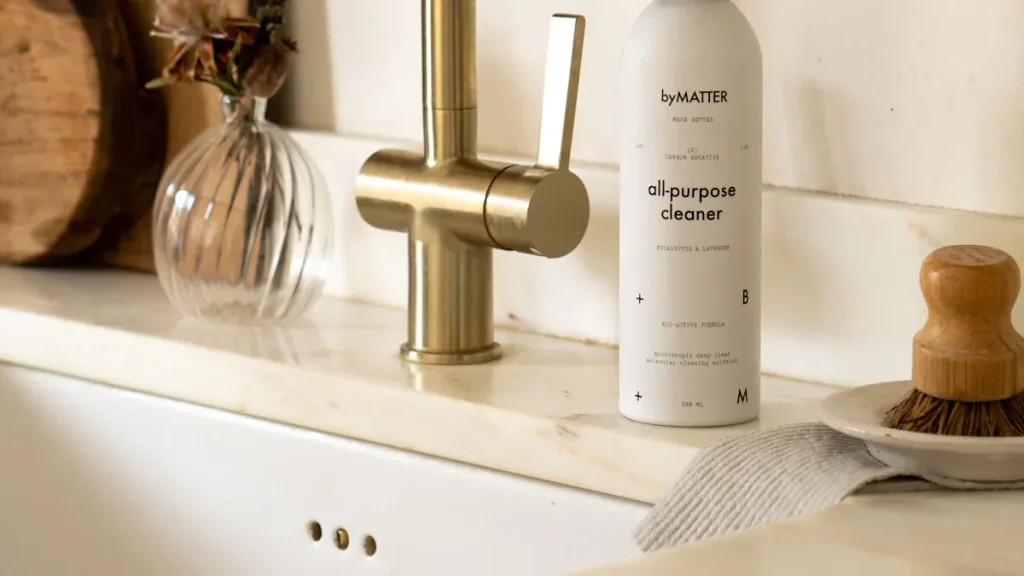
Brushed nickel is a finish on home fixtures. Nickel is placed on a base metal like brass, steel, or zinc. Then, the surface is brushed using a tool that has fine grit. The brushing creates very fine lines that all go in one direction. It has a soft and matte look, not shiny.
Brushed nickel also does not reflect much light. Many manufacturers apply a clear coat over the top for protection. The alloy for brushed nickel may include copper, zinc, or iron. These metals help make it durable and wear well. Brushed nickel is good at hiding scratches and fingerprints. This really makes it useful for busy areas.
Appearance
Brushed nickel has a warm, soft silver-gray color. It has a matte or satin finish, not bright. You can see fine lines that all go in one direction. The finish may feel a bit rough to the touch. This feel eases hiding water spots and smudges on the fixture. Brushed nickel is usually darker than satin nickel. It can also have a little golden or brown look, too. Brushed nickel absorbs more light; therefore, it does not shine. Brushed nickel fits in many styles, such as industrial or farmhouse.
| Feature | Brushed Nickel | Satin Nickel |
| Surface Texture | Fine brush marks, slightly rough | Smooth, uniform, no visible grain |
| Finish/Shine | Matte, understated | Soft sheen, warmer glow |
| Color Tone | Muted silver-gray, warm undertone | Lighter, warmer silver-gray |
| Fingerprint Resistance | Excellent | Good |
Pros and Cons
Brushed nickel has many good points for your home. Here are some main ones:
- Pros:
- Hides fingerprints, water spots, and scratches
- Strong and resists rust
- Simple to clean with mild soap and water
- Goes with many design styles
- Cons:
- The texture can trap dust if not cleaned often
- Do not use rough cleaners on the brushed surface
Best Uses
You can use brushed nickel in many rooms at home. It works well for:
- Kitchen and bathroom nickel faucets
- Cabinet hardware and drawer pulls
- Door handles and hinges
- Light fixtures
Brushed nickel is good for busy places because it hides marks. It looks nice and is useful every day. If you want a fixture that fits modern and classic looks, brushed nickel is a smart pick.
Satin vs Brushed Nickel: Key Differences
Appearance & Texture
When you look at satin and brushed nickel, you see they are different. Satin nickel feels smooth and soft. It has a gentle shine that is not too bright. The color is warm silver, so it fits many styles. Brushed nickel looks matte and has tiny lines from brushing.
These lines make it look handmade and feel a bit rough. Brushed nickel is usually darker and can look a little gold or brown. This finish hides scratches and smudges, so it is good for busy homes.
| Feature | Satin Nickel | Brushed Nickel |
| Texture | Smooth, velvety, slightly glossy | Matte, visible brush marks, textured |
| Color | Warm silver, elegant | Muted silver-gray, rustic |
| Shine | Soft, subtle glow | Low, understated |
| Fingerprint Resistance | Good | Excellent |
Satin nickel is great if you want a smooth and fancy look. Brushed nickel is better if you like a rustic or industrial style.
Durability
Durability is another consideration when choosing between satin vs brushed nickel. They both protect the metal and have a long life. Satin nickel is easy to care for and doesn’t tarnish nor rust easily, especially when it has PVD on it. PVD allows the finish to stick better, which helps with scratches.
Brushed nickel is tough and protects very well. The rough surface naturally hides small scratches and wear and tear on the piece. Both finishes are acceptable for items that you use every day (handle and faucet as examples).
Maintenance & Cleaning
You want something simple to clean. Brushed nickel is very easy to keep clean. It’s matte surface can’t show fingerprints or water spots that much. You can clean it by just wiping it with some mild soap and some mild cloth.
It is more forgiving of smudges and scratches so it’s easy to keep clean. Satin nickel is also easy to keep clean. It has a smooth surface that can cover things up as well as paw prints and scratches; just not as well as brushed nickel. To keep brushed or satin nickel nice you will need to avoid harsh cleaners.
Brushed nickel, even garbage disposal air switch, will be the easiest to take care of, especially in busy rooms. Satin nickel looks nice, it’s simple and easy to clean.
Cost
Cost can help you decide between satin and brushed nickel. Satin nickel usually costs a little more. This is because making satin nickel takes more work. Brushed nickel is cheaper, so it is good for big projects or many fixtures. Both finishes are a good value because they last and look nice.
| Finish | Cost Range | Value Provided |
| Satin Nickel | Slightly higher | High-quality, elegant look |
| Brushed Nickel | More affordable | Durable, easy to maintain |
Style Compatibility
You want your hardware to match your home’s style. Satin nickel works with modern, classic, and Mediterranean looks. Its soft shine and warm color go with many colors. Brushed nickel is best for rustic, farmhouse, or industrial rooms. Its matte finish and lines give it character. Both finishes can mix with other metals for a balanced look.
Satin nickel is timeless and fits many styles. Brushed nickel gives a cozy, lived-in feel.
Door Handles Comparison
Satin and brushed nickel door handles look and work differently. Satin nickel handles are shiny, smooth, and warm silver. They are easy to clean and look fancy. Brushed nickel handles are matte and rough, so they hide fingerprints and wear. This makes them good for doors used a lot. Satin nickel fits modern and classic rooms. Brushed nickel is better for rustic or soft styles.
| Metric | Satin Nickel | Brushed Nickel |
| Texture | Smooth, slightly glossy | Matte, visible brush marks |
| Appearance | Warm-toned silver, elegant | Rustic, handcrafted look |
| Maintenance | Easier to clean | Hides wear and fingerprints |
| Durability | Durable, shows wear more easily | Hides scratches and water spots |
| Cost | Slightly higher | More cost-effective |
| Suitability | Modern/traditional decor | Rustic/softer aesthetics |
Satin Nickel vs Brushed Stainless Steel
You might wonder how satin nickel and brushed stainless steel compare. Satin nickel is a nickel layer on metal, giving a smooth, even matte silver look. Brushed stainless steel comes in many finishes, from dull to shiny. Stainless steel is an iron mix with chromium, so it does not rust easily. Satin nickel has one main look, but stainless steel has many choices. Stainless steel is good for both looks and tough jobs. Satin nickel is best for decoration.
Stainless steel finishes include:
- No. 1: Dull, not shiny
- No. 2D: Smooth, not shiny
- No. 2B: Some shine
- No. 6: Soft satin look
- No. 8: Mirror shine
Satin nickel always looks soft and silver. Brushed stainless steel can look many ways and feel different.
Satin Nickel vs Stainless Steel
Satin nickel and stainless steel both look modern, but they are not the same. For starters, satin nickel is a nickel layer on metal. Stainless steel is a solid metal mix. Satin nickel is smooth, matte, and feels warm. Stainless steel can be dull, brushed, or shiny. Stainless steel does not rust and can fix small scratches by itself. Satin nickel is best for decoration. Stainless steel is used for things that need to be strong or go outside.
| Attribute | Satin Nickel Finish | Stainless Steel Finish |
| Material | Nickel plating on base metal | Iron alloy with chromium and other elements |
| Appearance | Smooth, uniform matte silver | Varies widely; can be dull, brushed, or mirror-like |
| Reflectivity | Non-reflective, matte | Ranges from dull to highly reflective |
| Finish Variety | Single specific finish | Multiple ASTM standard finishes |
| Corrosion Resistance | Not specified | Naturally corrosion resistant |
| Typical Use | Decorative hardware | Functional and decorative, including heavy-duty and outdoor products |
When you pick between satin and brushed nickel, think about how you want it to look and work. Both are stylish and strong, but each has its own best uses.
Which is Better for You?
Matching Your Style
You want your home to look its best. Satin nickel gives a smooth, soft shine that fits modern, classic, or Mediterranean rooms. Brushed nickel has a textured look with visible lines. This finish works well in rustic, farmhouse, or industrial spaces. If you like a clean and simple style, satin nickel may suit you. If you want more character and depth, brushed nickel adds visual interest.
| Attribute | Satin Nickel | Brushed Nickel |
| Appearance | Smooth, soft, modern | Textured, rustic, industrial |
| Color Tone | Warm silver, subtle glow | Muted silver-gray, sometimes golden or brown |
| Best Fit | Modern, classic, Mediterranean | Rustic, farmhouse, industrial |
Practical Considerations
Consider how you are using your fixtures on a daily basis. Satin nickel is easily cleaned with a damp cloth and mild soap. Satin nickel shows fingerprints and water spots more than brushed nickel does. Brushed nickel does a better job of hiding scratches and smudges due to it’s texture but requires polishing on a more frequent basis. Cost may be a factor as well. Satin nickel will typically cost a little bit more due to the smooth surface. Brushed nickel is often the least expensive.
| Attribute | Satin Nickel | Brushed Nickel |
| Durability | Durable, may show wear | Durable, hides scratches |
| Maintenance | Easy to clean | Needs more polishing |
| Cost | Slightly higher | More affordable |
Mixing Finishes
There’s no need to restrict yourself to only one finish. If you are conscious of how you are utilizing satin and brushed nickel together, you can create a great look. The pros say to use brushed and polished finishes deliberately to provide balance. For example, you may choose to use brushed nickel for the main faucet and the satin nickel for the cabinet pulls. This combination provides layers and a more dynamic feel, and it avoids a result that looks overly uniform or matched. Just keep in mind that you want to make sure the colors and the sheens work together so that the combinations feel intentional!
Tip: Mixing finishes only makes sense if you’re changing both color and sheen. It gives a level of intentionality vs randomness to the final look.
Making the Choice
To choose between satin vs brushed nickel, start by thinking about your style and how you use each room. Use a simple decision-making process:
- List your main goals for the space.
- Gather feedback from family or friends about what looks and feels best.
- Compare how each finish performs in terms of cleaning, cost, and durability.
- Test samples in your space to see which one matches your lighting and decor.
- Pick the finish that meets your needs and fits your style.
You can use both finishes in one home if you plan carefully. The right choice depends on your taste, daily needs, and budget.
FAQ
What are the differences between satin and brushed nickel?
You will see that satin nickel has a soft, smooth sheen. Brushed nickel will have visible brush marks and has a more matte look. Satin nickel is sleek. Brushed nickel is textured. Both finishes do a good job of hiding fingerprints, but brushed nickel will hide them better.
Which finish is easier to clean?
You will find both finishes easy to clean with mild soap and water. Brushed nickel will hide water spots and fingerprints better than satin nickel. Satin nickel may show water spots more but they are also easy to wipe away.
Does satin nickel or brushed nickel fit more styles of homes?
Satin nickel fits well in modern, classic, and Mediterranean styles of homes or designs. Brushed nickel can be used well in rustic, farmhouse, or industrial spaces. You can choose based on the look and feel of your room.
Conclusion
When distinguishing between satin and brushed nickel, you really can’t go wrong with either option. Satin nickel has a beautiful softness and sheen that conveys a modern or ageless feel, whereas brushed nickel has a more texture-rich, used feel that radiates warmth for cozy or rustic settings.
Both quality materials, both durable, and equally easy to care for; it really just comes down to your individual and aesthetic preferences.
And when you are ready to update your brushed nickel vs satin nickel door handles, VEVOR has your back! VEVOR has all your tools and hardware needs to make upgrades happen without compromising your wallet!