Ready to stay warm on the road or off-grid? Diesel heater installation in your van, RV, or cabin is simpler than you imagine! It is a step-by-step manual that takes you through every bit of it, even when you have never done it. You don’t need much more than some simple items and a little forethought before you’re warming up your place without any danger of an explosion. It will be simple, easy to understand, and newbie-friendly, so you are safe to follow along. Let’s get your heater installed and ready to go!
Get Ready with the Right Parts and Tools
A little bit of planning goes a long way before actually getting started on the installation process. When everything is ready, including components and tools, it becomes an easier process and you can prevent the process of delays. When installing a diesel heater in a campervan, a van, or an off-grid cabin, you need to have a good plan to have success.
Key Components for Diesel Heater Setup
Every step-by-step diesel heater installation guide begins with checking your kit. The ideal set of heater kits will have the following important components that have individual functions:
- Heater Unit: This is the right section that heats the air and makes your place warm.
- Fuel Pump: It has the capability of transferring diesel to the heater in the right quantity and pressure.
- Directional Flip Tanks or Fuel Tank: Here you store the diesel used when travelling long distances or even on cold nights.
- Exhaust Pipe: Emits the fumes in a safe manner and the waste gases from the heater to the outside of your car or cabin.
- Air Intake Pipe: Draws in new external air so that the heater can burn it properly.
- Wiring Harness: A wiring harness is a connector that links the electrical parts of the system to power and facilitates communication between parts.
- Control Panel: Allows you to switch the system on or off, change the temperature setting, and observe the work of the heater.
All of the parts are important to ensure that the heater can operate safely and efficiently. Without proper installation, your diesel heater may not perform as expected. When you begin to work, always have everything in place so that you are ready.
Tools to Make Installation Simple
You don’t need special equipment for DIY diesel heater installation tips—just a few basic tools will do. Grab a drill, screwdriver set, wrench set, measuring tape, and a marker. A hole saw helps when cutting space for your exhaust and intake pipes.
Before cutting or drilling, always measure and mark clearly. This avoids mistakes and keeps your project tidy. Setting your tools and supplies out in advance also helps you stay organized while working.
Useful Extras for Comfort and Safety
Once your basic system is ready, you might want to improve it with a few extras. A muffler helps reduce exhaust noise, and a remote control gives easier access to the heater. Some people add extra ducting to warm different areas at once.
If you’re using a Chinese diesel heater in a closed space like a cabin, a carbon monoxide detector is a smart safety choice. These upgrades make your diesel heater mounting more comfortable and secure without making things complicated.
Choose the Best Spot for Installation
Before installing anything, you need to find the right place for your heater. Location matters not just for performance but also for safety. A well-chosen spot will give proper ventilation, protect your van or cabin from damage, and make it easier to maintain your system. Let’s look at the key things to consider for placing your heater.
Safety and Space Around the Heater
When installing a diesel heater in a campervan, safety comes first. The heater should never touch anything that can burn, such as curtains, wood panels, or cushions. Leave at least 2 inches of space on all sides of the unit. This gap helps stop heat buildup and lowers fire risk.
Before drilling, use a marker and measuring tape to outline where the unit will go. It is wise to always check beneath the floorboard, as you do not want to hit wires, pipes, or fuel lines. When mounting the heater to a bed or a seat, there should be no airflow blockage and no contact points with hot surfaces.
Proper Ventilation for Safe Operation
A safe and sufficient diesel heater system requires ventilation. The unit requires new air to combust the fuel and a free channel through which fumes may be discharged out of the unit. Poor airflow can lead to poor performance or dangerous air quality inside your space.
Place the air intake where it pulls in clean outside air. Direct the exhaust pipe away from any windows, doors, or vents. Periodically inspect the pipes so that they are not clogged with leaves, snow, or rubbish. To have extra security, the addition of a carbon monoxide detector close to your resting place would be good.
Easy Access for Checks and Repairs
The next important aspect of DIY diesel heater installation tips is the selection of your placement that you will be able to access at a later period of time. Do not use thick panels or ponderous furniture obstructing the front of the unit. You will have to investigate the wiring, clean the filters, and as well as refill the fuel tank at some intervals.
Choose a spot where you can:
- See and use the control panel easily
- Reach the fuel tank to refill diesel
- Inspect the pump, wires, and filter
A smart location makes maintenance quicker and avoids problems later on. Plan carefully now to save time and stress in the future.
Step-by-Step Diesel Heater Installation Guide
Be prepared to install your diesel heater without fear. This is a step-by-step guide that is simple to follow and ideal when working with van builds, off-grid, and RVs. Every step is explained in plain terms, so anyone, even a novice, can follow the steps and make the diesel heater installation successful and without risks.
Step 1: Prepare Your Workspace
Begin by cleaning the place where you are going to put the heater. Get rid of clutter and organize the parts and tools so they are visible. Install the heater, pump, and fuel tank, pipes, and wiring harness. Plan where to locate the heater and ducts with the help of a measuring tape. A marker is used to label drill spots. To be on the safe side, wear gloves and safety glasses.
Watching a short installation video before beginning is a smart idea—it helps you visualize each task. Double-check your marks and ensure nothing is beneath the drilling area. Preparation prevents mistakes and gives you a smooth heater installation experience from the beginning.
Step 2: Mount the Diesel Heater
Assemble the heater where you had thought and allow adequate space around it, not less than 2 inches all around. Install it and put the hole of mounting marks. Take the unit out and make some holes, such as a large hole to fit the intake and exhaust in case it is necessary. Hole saw to achieve a ploughed off finish.
Put the heater back in place and secure it with bolts. Make sure it sits flat and doesn’t wobble. Follow your manual’s instructions for orientation, especially with Chinese diesel heaters. It should always be mounted away from fuel lines, wires, or flammable materials. The performance and protection are provided by a secure, suitable mount.
Step 3: Attach the Air Ducts
First, you should link the warm air duct to the outlet of the heater. Take it to the location where you want heating done and ensure that there are no sharp curves, as it might cut off the flow of air. Measure the duct and cut to size needed, and tie on with clamps or zip ties. Next, put the air intake duct to the heater intake port and extend it to where the air is fresh and clean.
Do not have the intake close to the exhaust outlet, as this causes contamination. Make sure that the two ducts are properly retained and not flattened/crushed, and not too curved. To get the best exchanges of fresh air and a good distribution of the warm air in your camper or RV, you need a good diesel heater system with ducting.
Step 4: Install Exhaust and Air Intake Pipes
Drill a hole through the floor for the exhaust pipe. Use a hole saw to get a clean cut. Insert the pipe and aim it away from doors, windows, or vents. Secure it with mounting brackets. If the pipe passes near anything flammable, wrap it in heat-resistant tape.
Next, install the air intake pipe through another hole nearby—make sure it’s at least 12 inches from the exhaust outlet. This gap prevents the suction of fumes. All the parts are fixed well, and nothing is placed in the way of the pipe holes. This particular section of your step-by-step diesel heater installation guide is paramount in ensuring safe operation and smooth running of your setup, particularly within a campervan installation space.
Step 5: Install the Fuel Tank and Pump
Select a secure and convenient positioning of the fuel tank. Many people mount it in a storage area or under the vehicle. Use straps or brackets to keep it secure. Fill the tank with clean diesel before continuing. Mount the fuel pump close to the tank and keep it slightly lower if possible—this improves fuel flow.
Attach the pump using rubber mounts to reduce noise and vibration. Make sure it’s not near heat or moving parts. This stage in your diesel heater mounting process helps keep fuel flowing efficiently and safely—important for reliable heater performance, especially in DIY campervan builds.
Step 6: Connect the Fuel Lines
Measure and cut your fuel line to the needed length. Connect one end to the tank and the other to the pump. Then run a second line from the pump to the heater unit. Use clamps to secure every joint tightly. Avoid kinks or tight bends—they restrict fuel flow.
The fuel line needs to be primed, pushing diesel between the fuel line itself and the heater before the heat line can be connected. It assists the heater to start quicker. In case of spilling fuel, clean it immediately. An air-tight and leak-free fuel system is important when mounting a heater in a campervan, and you can rest assured of a heater that does not experience a delay or risk of failure.
Step 7: Wire the Diesel Heater
Lay out the wiring harness and determine each wire according to your manual. Place the wires well on the heater, fuel pump, and the control panel. Match colors and use crimp connectors for strong, clean joins. Route wires away from sharp edges or hot surfaces. Use zip ties to hold everything neatly in place.
Then connect the power cables to your battery or fuse box using the right fuse size. Never guess wire positions—follow the manual exactly. Watching a wiring tutorial video can help if you’re unsure. Correct wiring ensures your heater starts properly and runs safely for the long term.
Step 8: Test the Heater
Double-check everything before powering on—look over wires, clamps, fuel lines, and mounting bolts. Fill the fuel tank and turn on the control panel. You should hear the fuel pump click and feel warm air from the ducts. Watch the heater as it starts. Go outside to check for clean exhaust.
If you smell fuel or see smoke inside, shut it off immediately. Run the heater for 30 minutes to check for leaks, strange sounds, or error codes. The test will be the last segment of your DIY diesel heater installation tips, which will ensure all is good, safe, and road-ready.
Final Checks After Installation
After you do the proper initial installation of your diesel heater, you need to put some assurances in place that everything is safe and is functioning. An impromptu test for a few minutes can save one from bigger problems in the long term. This last step involves a safety test, rapid fault finding, and an unambiguous glance at the way your system behaves in reality.
Perform Key Safety Checks
When your diesel heater system is done, you want to verify the flow of fuel at all times by ensuring that there is no leakage. Slowly drag your hand down each fuel line to check it out, even feeling with your hands to determine any wet areas. In case you smell diesel or detect any moisture, tighten the clamps or replace those that are faulty. Even small leaks can become dangerous.
Also, inspect the exhaust pipe. It must point away from windows, doors, and anything flammable. Make sure it is free from cracks or holes. The best way to be safe is to install a functional carbon monoxide monitor close to your sleeping location. These are highly necessary devices to alert you in the case of fumes passing through your space as you use it, especially when it comes to the installation of a diesel heater in a campervan.
Troubleshoot Startup Issues
When your heater fails to come on, the first thing is to examine the power supply. Make sure the battery is charged and the fuse is intact. Weak or broken power connections are common problems in diesel heater wiring. If the fuel pump makes loud clicking sounds, this may mean air is trapped inside the fuel line. Reprime the line to push the air out.
If the unit runs but only blows cold air, check the fuel level or look for clogged air ducts. Uneven heating or airflow often means there’s a blockage in your ductwork. Lastly, read any error codes that appear on the control panel. Your manual will guide you through simple fixes if something goes wrong after your DIY diesel heater installation.
Ongoing Maintenance & Seasonal Care
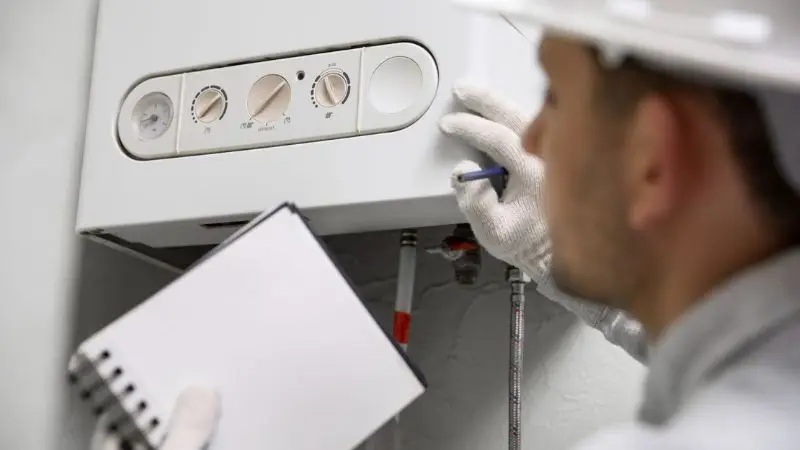
Once you set out your step-by-step diesel heater installation manual, the adventure does not resume. Your heater, like any other vital system, requires regular maintenance to be dependable. These simple habits every few months will cut down on breakdowns, up its performance, or double its life-span, depending on mobile use, such as campervans or off-grid cabins.
Stick to Monthly Routine Checks
Consistent maintenance is key to a long-lasting diesel heater setup. Every month during the heating season, check the system for visible wear and signs of trouble. Use this monthly checklist:
- Clean the air filter if it’s dusty.
- Wipe the heater’s exterior with a dry cloth.
- Tighten loose screws, bolts, and clamps.
- Inspect all fuel lines for cracks or leaks.
- Ensure the intake and exhaust pipes are clear.
- Test the remote control and control panel.
- Listen for any odd noises during operation.
These small actions help you spot issues early, keeping your system running smoothly in all conditions.
Follow Proper Storage Methods
When the heating season ends, your heater needs to be stored the right way. Long idle periods can lead to fuel clogs, rust, and general wear. After installing a diesel heater in a campervan, storage becomes even more important due to limited space and ventilation. Follow these steps:
- Turn off the unit and let it cool completely.
- Disconnect the power supply to prevent battery drain.
- Drain leftover fuel from both the tank and fuel lines.
- Clean the air filter and ventilation ducts.
- Cover the heater to protect it from dust and dirt.
Keep the unit in a dry location to prevent moisture buildup, which can corrode internal parts.
Use Your Heater Efficiently
Even after a perfect diesel heater mounting, energy waste can still happen if you don’t run your system smartly. You can improve heat output while using less fuel by making smart adjustments:
- Insulate your van, cabin, or RV to retain warmth.
- Seal cracks and gaps around windows and doors.
- Set your thermostat to the lowest comfortable setting.
- Clean air filters regularly for smooth airflow.
- Use a timer or remote to avoid overuse.
Running your heater in short bursts at high power weekly also helps burn off built-up carbon, keeping the unit clean and efficient—especially useful in colder months.
Wrap Up
Installing and maintaining a diesel heater might seem challenging at first, but with the right tools and clear steps, anyone can do it. This step-by-step diesel heater installation guide showed how to safely set up, wire, and mount your system. From diesel heater mounting to monthly care, each part helps you stay warm and safe.
Whether you’re installing a diesel heater in a campervan or off-grid cabin, remember that regular checks and smart use keep your heater running well. Follow these DIY diesel heater installation tips to enjoy worry-free comfort all season long.
FAQ
How long does it take to install a diesel heater?
Most people finish the job in 4 to 6 hours. You may need more time if you work slowly or run into problems. Plan your day so you do not rush.
Can you use a diesel heater while driving?
And you can use a diesel heater when driving. Ensure installation safety, which should be done, and follow the manual. You should always inspect for leaks and keep your exhaust system free.
What do diesel heaters run on?
You should be using clean, low-sulfur diesel. This cleaner-burning fuel will also extend the life of your heater. Such as using old or dirty fuel.
Why do I hear chronic clicking from my heater?
The clicking noises are from the fuel pump. This is supposed. If the noise becomes stronger or changes, take a look at the pump for air bubbles or loose mounting.