Drilling is also a fundamental element in building, self-help, and industrial use whether it’s wood, metal or masonry, it is always important to know proper drilling tips and techniques in order to be precise, efficient and safe.
Thoughts that increase the quality of holes, extend the life of the tools and may avoid accidents are valuable even in the hands of experienced craftsmen.
This is a guide to the imperative diamond drilling tips, including drilling safety tips, both the fundamentals of good drilling and safety precautions in the field. As a beginner or a professional, this guide will help one attain fine results with a sense of confidence.
Basics of Good Drilling
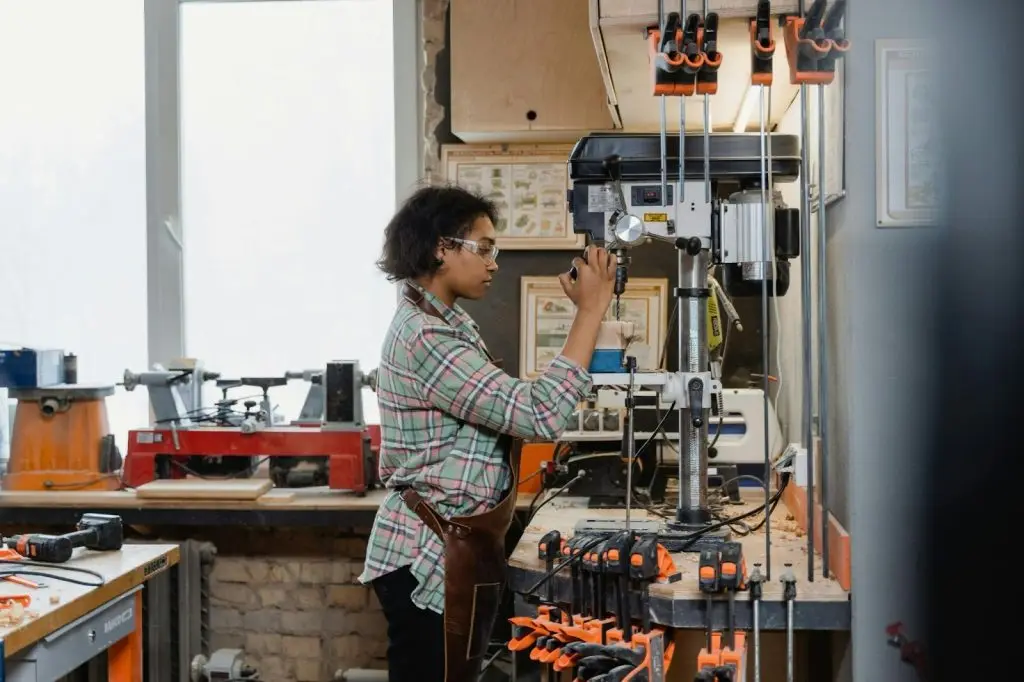
The most important element of successful drilling is preparation. The basics of making an accurate hole are the choice of the proper drill and bit, workpiece positioning, and being familiar with the material characteristics with which you have to deal.
It is in the reaction of softwoods, hardwoods, metals, plastics and masonry to the drilling pressure, speed, as well as lubrication.
With basic knowledge, you will save on material wastage and extend the tool life, as well as produce correct and clean holes.
Checking measurements, marking the spot and proper alignment that needs to be done and then starting drilling. Using these diamond drilling tips ensures every hole is precise and efficient.
It is important to have a steady hand and exercise consistent pressure. Instances of abrupt movements or undue force may lead to wandering bits, frozen holes or breakage. In addition, the knowledge of balancing speed and pressure with material hardness can help avoid overheating and increase the life of drill bits.
Essentially, the principles of good drilling make every project carried out efficiently and in a safe manner while following essential drilling tips for beginners.
Types of Drilling
Various drilling tips and tricks are customised to certain applications, materials and hole size. The proper decision to make avoids mistakes and increases the quality of holes. Diamond drilling tips can help determine which method is best for your material and hole requirements.
Standard Drilling
The most common method is in standard drilling, which is applicable to wood, metal or plastic. It entails regular flow and equal pressure, thus forming smooth and rounded holes.
The main result of attaining accurate results comes through proper alignment and a sharp drill bit used to prevent splintering, chipping, and an irregular profile.
Pilot Drilling
Pilot drilling is an initial drilling procedure for larger or more accurate holes. Originating with a small guide hole, the pilot method of drilling will avoid the splitting or wandering of the main drill bit.
It is particularly effective with hardwoods, metals and brittle materials, to give a precise and sound entry, and later drilling is precise and sound. Following proper diamond drilling tips ensures you don’t damage delicate materials.
Countersinking and Counterboring
Finish and functionality Countersinking and counterboring involve post-processing of holes that complement the process in a positive way. The countersinking enables the screw heads to be in position with the surface or lower. Counterboring creates a groove that would hold the nuts or bolts.
Both techniques enhance the integrity of the structure as well as provide a professional look. It makes them useful in cabinetry, furniture as well as in mechanics.
Step Drilling
Step drilling is applied in the case of a gradual increasing of holes of a specimen, particularly in sheet metal work. A step drill bit is made with several diameters along its length. It has ability to be incrementally widened without stressing the material.
Step drilling helps lower the dangers of burrs, enhances accuracy, and extends the life span of the bits, besides creating clean cuts and accurate holes. Correct diamond drilling tips improve efficiency in step drilling.
Deep Hole Drilling
When a hole is drilled deep into a material, e.g. wiring an electrical system, plumbing or a mechanical procedure, there is a requirement for deep hole drilling.
Achieving success in drilling a deep hole depends on constant alignment, constant pressure, and the use of high-frequency drilling debris.
Deep holes may be misaligned, uneven, or may result in the binding of the bit. Potentially damaging the material and the tool without a careful technique.
Angled and Edge Drilling
When drilling towards edges or when drilling at angles, the probability of breaking, chipping or going out of track is much larger. These applications are dependent on precise measurements, clamping and a correct drill bit.
Accuracy and discipline are necessary. Having guides or jigs would mean that the holes will be aligned and structurally sound.
Following diamond drilling tips helps achieve precision in these tricky applications. Using guides or jigs along with wall drilling tips ensures the holes are aligned and secure.
Choosing the right drill and drill bit
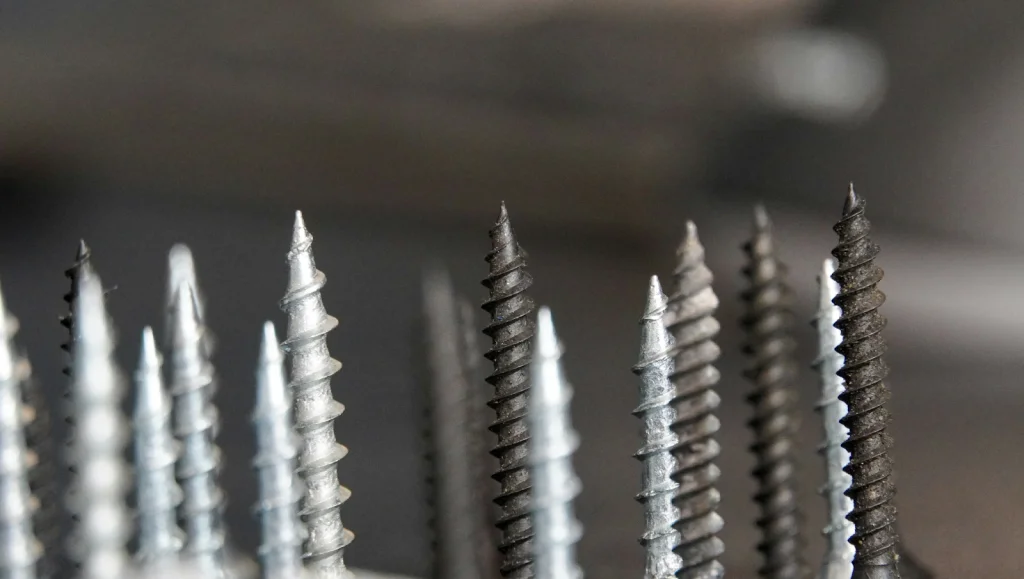
The correct choice of the drill and bit is the key to clean and precise holes. Exercises come in many forms. Some are cordless exercises held in hands, others are high-mounted and industrial.
Drill bits vary in terms of material, end geometry and coating. Indicatively, high-speed steel bits are general-purpose, spade and Forstner bits are effective in the woodworking industry. Whereas masonry and carbide-tipped bits are effective in concrete and bricks, respectively. Harder surfaces, such as stone, need bits are tipped with diamonds. Corresponding the bit to the material guarantees an enhanced level of accuracy, decreased wear, and an increased general level of drilling functioning. Using diamond drilling tips correctly maximises performance and safety.
Essential tips for accurate holes
To make the right holes require number of factors, like speed, pressure, guidance and cooling.
Speed and Pressure
It is important to maintain the right speed and pressure. Too much force may result in breaking pieces or spoiling the material. On the other hand, too little force will slow the process and leave jagged edges.
Later, soft materials such as wood react better to high speed with moderate pressure, as opposed to metals or masonry, which need lower speeds and constant and attentive force.
Increment or decrement of speed and pressure based on the type of material guarantees the material results of the components.
Starting and Guiding the Hole
Proper initiation of holes will avoid wandering and give accuracy. A centre punch on metals or a pilot hole on wood is used to guide the drill, so that the drill not slip.
The technique to increase the alignment is to hold the drill perpendicular to the surface and to use a constant, slow feed.
Both professional and amateur projects depend on very precise starting of holes to minimise errors and enhance the quality of work.
Improvement of hole quality
It is possible to improve the quality of holes by making the right choice of bits, cleaning of debris regularly and by making incremental holes with the required size.
Use sharp bits and steadiness to provide sharp edges and straight diameters. In deeper holes, it is important to remove shavings periodically and not to use too much force in order to avoid overheating and achieve a smooth finish on the work.
Lubrication and Cooling
The drilling of metal and masonry requires lubrication and cooling. Cutting fluids or water can decrease friction, generate heat and remove debris. Cooling ensures that bits do not get damaged and that the life span is long.
Continuous water flow provides protection to the bit, besides creating cleaner and more precise holes in high-speed or heavy-duty drilling.
Tips for tool maintenance
The maintenance of tools will provide them with durability, security and high efficiency. Wipe and clean tools after usage, clean drill bits, then wash and store. To verify Worn bits are sharpened and alignment the drill is verified.
Battery care should be observed with the related suggestions of the manufacturer, plus the corded models should be carefully checked in regard to the cord and motor. Good maintenance guarantees good performance, less wear, and enhances the quality of any drilling project.
Safety Tips
Drilling is an important issue related to do with safety. Use protective eyewear and gloves to protect against debris. Clamp in place the pieces of work, and avoid going near spinning pieces.
Make sure the cords are clear. Sufficient lighting and ventilation are also needed, particularly in dust-generating materials.
Adherence to safety measures minimises accidents, guarantees the security of tools and accuracy of outcomes in any given project.
FAQs
Do I need a pilot hole for every material?
Pilot holes are also suggestive, although not always needed, with wood, metal, and brittle surfaces. They lead the primary exercise, deter separation, and enhance the general accuracy.
How do I stop wood from chipping when drilling?
Take out the sharp drill bit and place the underside of the wood supported with scrap material. Beginning with a pilot hole and cutting slowly towards the exit allows the splintering to be eliminated and a clean cut to be made.
How do I keep drill bits sharp?
Check bits when necessary and polish them. Bits made with high-speed steel can be sharpened on a grinder, items cut with a sense of carbide can be sharpened by a professional. Keep your drill bits in the refrigerator or in cooler rooms.
Conclusion
Drilling is an art, a trade and a serious matter of planning. Any knowledge that involves the drilling types, choice of appropriate tools, correct speed and pressure and adherence to safety precautions results in clean, accurate and efficient outcomes.
Whether a person is a beginner or an expert, all these tips can enhance precision, increase the tool life, and protect the materials.
You can be rebuilding your home on your own, or you can be on a professional construction project. Using the drilling tips, better use of it allows producing high-quality and successful results in any situation.