Concrete cutting tools allow you to reshape, change, or remove concrete with great accuracy. Whether you are working on a building site or involved in home renovations, these tools will allow you to create openings for doors, windows, plumbing, and electricity. It is important to invest in high-quality concrete cutting tools like an electric saw, as they enhance results and workspace safety. Whenever you learn what tools are used to cut concrete and how they work, managing every single project becomes easier. If you know how and are prepared and safe, you can cut concrete with confidence, whether you are a pro or using concrete cutting tools on a DIY project.
What Are Concrete Cutting Tools?
Before getting construction or renovation work done, knowing useful concrete cutting tools can be very helpful. Also, they are important in construction. With the help of these tools, you can easily break, form, or remove concrete, whether it is for your home or a worksite. You can find them on surfaces like floors and sidewalks that require both accuracy and stability.
Since concrete can vary in density and may contain steel rebars, use the right tool for the best results. You can achieve clean and precise cuts every time by using a few simple techniques and working in a safe and effective way.
Why Concrete Cutting Tools Matter?
Concrete cutting tools are available in various shapes and sizes, depending on the job you want to do. While some are small and can be held with one hand, there are those that run with the help of wheels or tracks for bigger jobs. Handheld options are good for quick or simple cuts. Walk-behind to wall-mounted tools are for deeper or longer cuts. People discovering what tools are used to cut concrete frequently learn that the size of the task dictates the tool.
Here are some common ways these tools are used.
- Creating openings for doors and windows.
- Cutting trenches for plumbing or electrical lines.
- Removing damaged or weak concrete.
- Shaping or smoothing the edges of slabs and surfaces.
How Concrete Cutting Tools Work?
Different tools cut in different ways. Understanding this enables you to choose the right saw for cutting concrete. Some tools cut with diamond blades that rotate fast. Others use wires or water to cut. Diamond blades are popular because they stay sharper longer, but cut faster, and abrasive blades cost less but wear down faster. If you understand how the blade behaves, it makes a big difference.
When you choose concrete cutting tools for your DIY project, it is equally important to consider the diameter of the blade, the depth of cut, and whether the tool may be used for wet or dry cutting. Wet cutting produces less dust while keeping the blade cool. In comparison, dry cutting provides more flexibility when water isn’t available.
Types of Concrete Cutting Tools and Their Uses
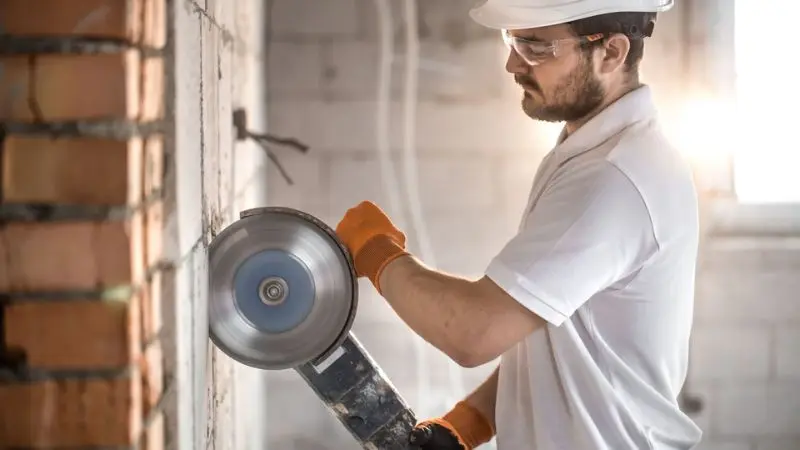
To choose concrete cutting tools that suit your needs, it is recommended that you understand how each cutting tool works. The most effective tool depends on your project size and the type of cuts you want because various tools vary in strength, accuracy, and mobility. Some people need to cut concrete from time to time, working away from home or on construction sites. Whatever the case may be, it does not matter, but knowing the tools to cut concrete will certainly be important.
Concrete can be tough and sometimes reinforced with steel, so selecting the proper tool and blade will improve performance and safety. When you have this knowledge, it becomes much easier to make your choice.
Handheld Tools for Cutting Concrete
Many people choose the handheld concrete cutter for smaller or more detailed projects because of its high control and mobility. It is easily portable and light in weight. It is ideal for small, awkward spaces where bigger machinery cannot reach. Hand-held saws offer a lot of flexibility. DIY users typically prefer them for jobs that require shaping pavers or trimming blocks, as well as for shortcuts. A chainsaw helps you cut deeper or manage irregular shapes, while an electric saws make straight, clean lines. You will also find these tools in concrete cutting tools for DIY projects, where portability and control are the priorities.
- Best for small areas and tight spaces.
- Great for shaping edges and straight cuts.
- Easy to transport and maneuver.
Walk-Behind Concrete Saws for Large Projects
Walk-behind concrete saws are great for bigger jobs. These are particularly useful when cuts must be long or deep across flat surfaces. Floors, driveways, patios, etc. When moving over the concrete, they behave well, allowing you to control the pressure for steady results. You can cut various materials more quickly with a powerful motor. The ability to adjust the depth of the tool will allow you to finish large sections of material with ease. Many contractors give them the edge for the best saw for cutting concrete, especially on larger jobs where precision and speed are key.
- Ideal for large slabs and long cuts.
- Adjustable depth for controlled passes.
- Smooth operation with minimal effort.
Wall Saws and Wire Saws for Concrete Cutting
When vertical cutting, or other things, or complex shapes are required, wall saws and wire saws can be used. Wall saws are instruments attached to rails on walls to create openings for windows, doors, and ventilation systems. They cut long, straight edges. Their guided movements allow for precision on high heights and uneven surfaces. Tools that use wire saws to cut reinforced concrete
Wire saws are basically a long cable that is embedded with diamonds. These tools cut through thick or reinforced concrete when other tools can’t reach. These tools are necessary for projects that are high-tech and require strength and precision.
- Best for vertical cuts and structural openings.
- Ideal for thick or irregular concrete.
- Perfect for large or complex construction tasks.
Diamond vs Abrasive Blades for Cutting Concrete
Choosing the right blade is crucial for safe and effective concrete cutting. Most people go to diamond blades when they need durable and speedy cutting that will produce clean and neat results. These tools will work fine for many different machines, including handheld saws and walk-behinds. Cheaper abrasive blades are not worth while to use on long or heavy-duty jobs as they wear out fast. Learning about your blade strength, cutting speed, and concrete density will help you get the most out of your tool.
- Diamond blades: long-lasting, fast, precise.
- Abrasive blades cost little and last for a short time.
- Each blade works best under specific conditions.
How to Choose the Best Concrete Cutting Tool
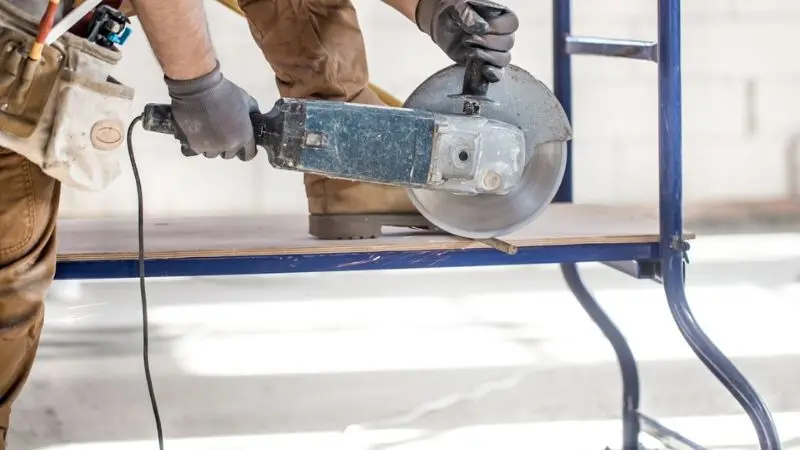
The suitable cutting tool depends on your project size, skills, and the type of concrete you are working with. All tools have a purpose. When you are using the right tool for the job, you up the quality of your cut and stay safer.
Knowing the correct technique helps make learning how to cut concrete safer and easier, whether for a small repair or a full renovation job.
Before you get a tool, check out the job you plan to do. If you know what you need beforehand, it saves time, energy, and extra costs.
Key Factors When Choosing Concrete Cutting Tools
So many different factors are involved that affect which concrete cutting tool would be most effective. Handheld saws are used for smaller jobs, while walk-behind saws with big motors are used for larger and deeper cuts. Reinforcing steel can slow down other concrete cutters, but diamond blades don’t face such problems. It would be best if you also considered the power source. For example, gas tools offer more mobility than electric tools. However, electric tools run cleaner but require an outlet to operate. Take the dust, noise, and working space hazards into account to cut down on bother from the input stage to the output stage.
- Project size and depth.
- Available power source.
- Reinforced vs standard concrete.
- Dust, noise, and general safety.
Professional vs DIY Concrete Cutting Tools
Depending on your budget, your skill, and the complexity of the project, you need to decide whether professional or DIY tools suit your needs. Tools that grade professionals deliver more precision, power, and durability. Because of this, construction crews and big renovations need them. They also handle demanding cuts with ease.
On the other hand, DIY tools are generally lighter, easier to use, and cheaper. These tools are rented frequently by homeowners for small to medium projects. If you’re a professional or a DIY user, having tools that you can manage will ensure a cleaner cut and a safer job
Safety Guidelines for Using Concrete Cutting Tools
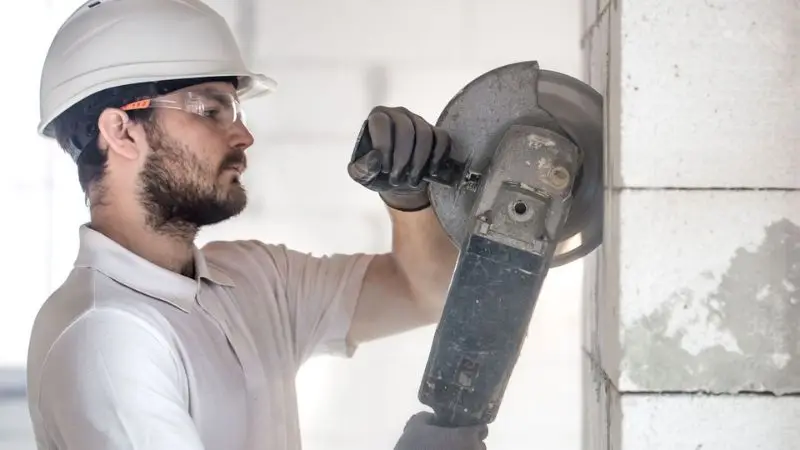
It is essential to learn safe operations before working with any concrete cutting tools for any project to prevent common hazards. Cutting concrete creates dust, debris, noise, and involves powerful machines. Handling of these machines takes concentration and requires practice. Professional users and DIY users can manage their tasks more effectively, safely, and easily if the right safety practices are adopted. Learning how to safely cut concrete helps you create smoother results and create a safer working environment.
Personal Protective Equipment for Concrete Cutting
One of the most crucial steps in safe concrete cutting is using the right personal protective equipment. A respiratory mask or dust mask is recommended for use with concrete, which can contain fine silica dust harmful to the lungs. You can protect your eyesight from flying chips by using safety glasses, while safety gloves protect your hands and help you hold tools better. When cutting concrete, earplugs must be used because this produces a loud, continuous noise. The use of sturdy work boots can safeguard your feet from falling objects. When you cut concrete, always wear full protective gear every time during work so that you create a safer environment to work.
- Eye protection to block debris.
- Gloves for grip and hand safety.
- Ear protection for high noise levels.
- Dust mask or respirator for silica control.
Proper Handling and Maintenance of Concrete Cutting Tools
Safe use and good maintenance of tools are essential for safety and performance. When using your tool, always hold it tightly in your hand and try to use two hands to maintain balance. Ensure the blade, wire, or cutting surface is sharp and in good condition; dull blades may slip or kick back when in use. Before each use, check the cords, hoses, and exterior surfaces to ensure everything is secure. When your work is done, clean your tools carefully and store them somewhere safe and dry to prevent rust or buildup. It is always a good idea to keep your tools in good condition so the cuts will be precise, and the chances of some unexpected malfunctioning are reduced.
- Inspect tools often.
- Replace worn blades immediately.
- Keep cords and hoses clear of pathways.
Avoiding Common Mistakes When Cutting Concrete
Concrete cutting accidents often happen because users miss something. When you rush a job, it can lead to angled cuts, broken blades, or slips. Always keep them in place, as removing safety guards from any cutting tool is also hazardous and can lead to injury. Another good habit is to keep workspaces clean so objects do not clutter the area you walk through.
Dust buildup is easy to notice. So, if you see a sign of that, keep it down using water or a vacuum. Cutting will be smoother, more controlled, and much safer.
You can have a safer and more efficient concrete cutting experience each time if you follow consistent safety practices, use proper protective equipment, and are aware of your surroundings.
How to Maintain Concrete Cutting Tools for Long-lasting Use
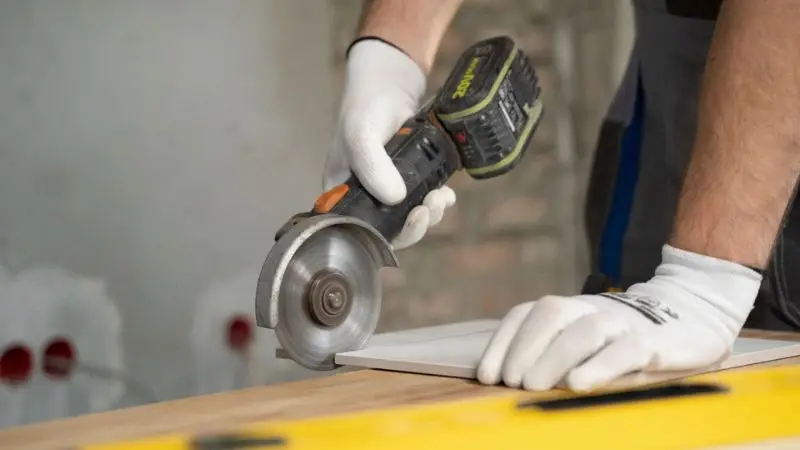
Concrete cutting tools work better and last longer with adequate maintenance and cleaning. When you clean and inspect the tool routinely and maintain the blades, there will be no unexpected breakdowns, and cuts will be smooth and controlled. When you take the time to maintain your tools, you can be sure they’re going to work for you, whether on a big project or a small one. Knowing how to maintain these tools is particularly useful for those using concrete cutting tools for DIY jobs, since good maintenance cuts costs and improves results.
Regularly Inspect and Clean for Better Performance
Inspecting your cutting tools before and after every use helps you catch problems early. Inspect for any worn blades, loose components, cracks, or anything that may cause unsafe cutting. It is essential to clean your tool thoroughly as the dust from the concrete, especially silica, can get lodged in the vents and any moving parts.
Make sure to clean surfaces, vacuum out the dust, and clear air filters to avoid overheating. When working indoors, what you should keep in mind is that you should have good ventilation so that the dust does not float. This floating dust can affect your lungs and the machines. Regularly cleaning and checking tools helps in maintaining their working condition for much longer.
Replace and Sharpen the Blade for Safe Cutting
The blades are one of the most important parts of any tool for cutting concrete. When a blade is not sharp or gets damaged, it becomes more difficult to cut things. Chips, cracks, slow cutting, and shaking suggest the cutter is worn and should be replaced. The blades should always be cooled before touching, and you can handle the blades while wearing gloves.
You must wipe off the dust before inserting a blade, and it should fit your model specifically. When you use the right and durable blade (for instance, diamond blades as we see in some of the best saws for cutting concrete), it helps you have cleaner and safer cuts. Taking care of your blades will help reduce dust, increase accuracy, and make the workspace safer.
Wrap Up
When you use the right tool and use it properly, concrete cutting will be safe, clean, and effective. Choosing handheld cutters, walk-behind cutters, wall saws, and wire saws,, each has a specific job to do and delivers a specific result.
If you know blade types, adopt safety practices, and maintain equipment, then you will ensure the cutting is smoother. Whether you’re an experienced contractor or a homeowner starting your first DIY project, using concrete cutting tools requires working carefully and with confidence, using the right tools.
FAQ
What is concrete cutting?
Concrete cutting is the cutting of concrete using machines or tools. You see cutting concrete in a building where repairs and renovations are taking place. Cutting concrete openings makes it possible to create openings like doors, windows, and pipes. Concrete cutting is also used by you to cut out damaged parts.
What are the best cutting tools when cutting concrete?
The size and type of project both dictate which cutting tools you will use. Power saws are used for small work. Large areas are assisted with the use of walk-behind saws. Wall saws and wire saws are used on thick or vertical concrete. The tools you are using for a concrete cutting job must always be aligned.
What do you do to remain safe when cutting concrete?
You are wearing safety glasses, gloves, and a dust mask. You clean your cutting tools prior to setting to work. You keep your work area clean. You use water to control dust. You are sure of all concrete cutting safety precautions. You never rush your work.
Would you be able to do concrete cutting on your own?
One can gain knowledge of the spreadsheet by starting with some simple basic cutting tools, which will be applied to concrete cutting. These tools are rented from hardware stores. When cutting big or complex concrete, you hire someone. You always read the instructions and observe safety rules when cutting concrete.
How do you keep concrete cutting tools in good shape?
You inspect your cutting tools before and after each use. You clean off dust and debris. You replace dull blades. You store your cutting tools in a dry place. You follow the manual for maintenance. Good care helps your concrete cutting tools last longer. Cleaning and checking the blades regularly will make concrete cutting safer and easier.