Safety matters every time you use a concrete cutting machine, whether you’re working at home or on a construction site. Wearing proper personal protective equipment protects you from dust, noise, and flying debris. A safe job also starts with preparing your work area, checking your tools, and using the machine with steady control. When you understand how to use a concrete cutting machine or masonry saw the right way, you reduce risks and get cleaner, more accurate cuts. By staying alert and following basic safety rules, you can handle any project with confidence while protecting yourself and your equipment.
Understanding a Concrete Cutting Machine
A clear understanding of a concrete cutting machine helps you choose the right tool for construction, renovation, or home DIY work. Whether you are cutting floors, walls, or slabs, knowing how the machine operates makes your task smoother and more efficient. Before selecting a model, it is helpful to know its purpose, where it is used, and what features matter most.
A concrete cutting machine cuts through concrete, asphalt, and stone using a fast-spinning blade or disc. Professionals often rely on these machines as the best concrete cutting machine for construction, especially for precise, heavy-duty work. Some models use water to control dust, while others use dry-cutting systems. You can even choose a concrete cutting machine for home use for smaller projects. The right tool, features, and concrete cutting machine price all depend on your project size and material.
Different Types of Concrete Cutting Machines
Prior to selecting the optimal cutter, it can be useful to have an idea about the various types of cutters. Each of the cutters will have a purpose, and you will be better off choosing the correct one. Each type of major is described below, and how they are greatly applicable in actual projects.
Walk-Behind Concrete Saws
Walk-behind saws are designed for large outdoor surfaces like driveways, sidewalks, and road sections. They provide excellent stability and cutting depth, making them a top choice for labor-intensive tasks. Many crews consider them the best concrete cutting machine for construction when dealing with thick, wide slabs.
These machines give you full control, straight lines, and smooth finishes, making them ideal for extended cutting sessions. If you’re learning how to use a concrete cutting machine for big outdoor areas, walk-behind saws offer dependable performance.
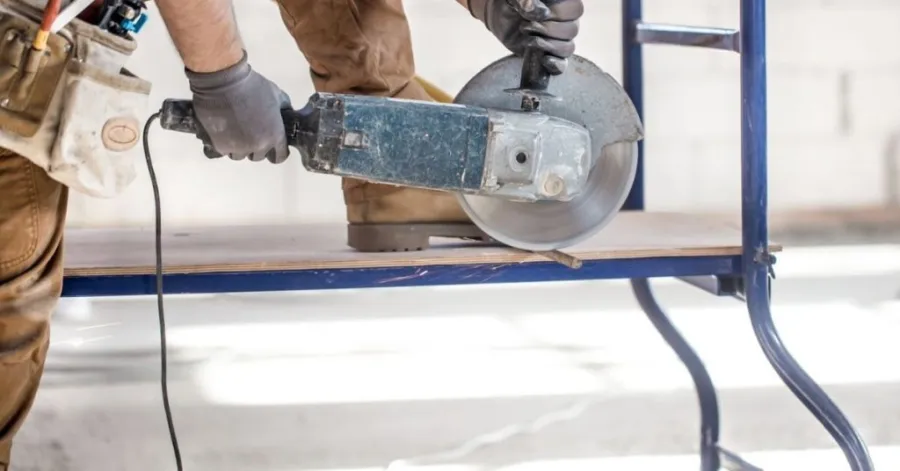
Handheld Concrete Saws
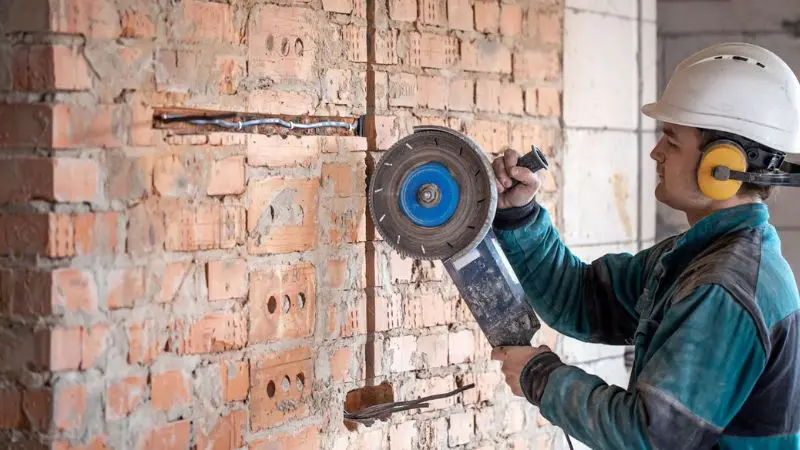
Handheld saws are lighter and are best applicable to small areas, corners, and intricate cuts. Their compact design makes them one of the most practical choices when selecting a concrete cutting machine for home use or a masonry saw for DIY tasks. Handheld saws are capable of cutting concrete block, pavers, and flooring very easily, despite their size. They can also come in handy when you are in need of circumnavigating narrow areas. A handheld saw is an excellent place to begin if you want to know how to use a concrete cutting machine at home.
Wall-Mounted Concrete Saws
Wall saws are used for vertical cutting jobs such as door openings, window expansions, or wall panel removal. They operate using a mounted track system that keeps the blade steady while cutting vertically. These machines are essential in renovation and building modification projects. Because they allow high accuracy, wall saws are important when you need a reliable tool for structural adjustments or detailed architectural work.
Wire Concrete Saws
The wire saws will be the most appropriate when it comes to dealing with slabs that are extremely thick or irregular. These machines cut through material using a smooth and even wire that has been loaded with a diamond beam. They are very useful in demolition, all-inclusive buildings, or unique forms that demand high power as compared to conventional blades. The wire saws have deeper and more flexible cuts and are best suited for high-strength industrial work.
Safety Gear You Must Wear Before Cutting
Before operating any concrete cutting machine, the right safety gear is essential. Cutting creates dust, debris, and loud noise, so proper protection keeps you safe and comfortable. Good preparation builds a safer work environment and allows you to focus on accurate cutting.
Personal Safety Equipment (PPE)
Personal protective equipment is critical when working with concrete cutting tools. Safety glasses shield your eyes from flying debris, while ear protection reduces the impact of loud blade noise. Dust masks or respirators prevent cement particles from entering your lungs. Heavy-duty gloves help you maintain grip and protect your skin from rough material.
Steel-toed boots protect your feet from accidental drops or debris. Whether using the best concrete cutting machine for construction or a smaller model for home tasks, PPE keeps you safe and reduces the risk of injuries. Proper protection ensures you can work comfortably and confidently during every cutting project.
Safe Clothing for Cutting Work
Putting on the correct clothes is as crucial as the use of the correct PPE. Clothes, jewelry, or hanging accessories can be sucked into the moving operations of the machine, which presents hazardous conditions. Long sleeves and long pants are to cover your arms and legs from sharp fragments and heat produced when cutting.
Thick material used in durable workwear offers a safer obstacle, and you can freely move. Always pull the long hair back so that it does not get in between the machine. To protect yourself from serious injuries and have solid control of the task, regardless of whether you are using a walk-behind cutter or a concrete cutting machine at home, proper clothing will keep you safer and in control.
Checks to Perform Before Using a Concrete Cutting Machine
Checking your machine before starting ensures safe and smooth cutting. A few minutes of inspection helps prevent breakdowns, protects you from hazards, and improves the life of your equipment. These steps apply to both small machines and heavy-duty tools used in construction.
Checking the Cutting Blade
The cutting blade is the most important part of a concrete cutting machine, so always inspect it first. Look for cracks, worn edges, or bent spots that could cause the blade to break during use. Make sure the blade matches the material you plan to cut.
A clean, secure, and undamaged blade rotates smoothly and gives you a straighter finish. If the blade is damaged, replacing it immediately ensures safety and preserves the value of your chosen concrete cutting machine price.
Inspecting the Machine Condition
Once the blade has been checked, inspect the other parts of the machine. Ensure that all bolts are tightened, the wires secured, and the covers put in place. Make certain that the main switch and emergency switch perform properly.
Clean the dust off and check the level of fuel or battery. These few tips will serve to maintain the machine within clean operation, whether it is the best concrete cutting machine to be used in construction or just a small machine to be used at home. A sharp, well-sharpened tool ensures that you have steady control and precision in cutting.
Step-by-Step Guide to Using a Concrete Cutting Machine Safely
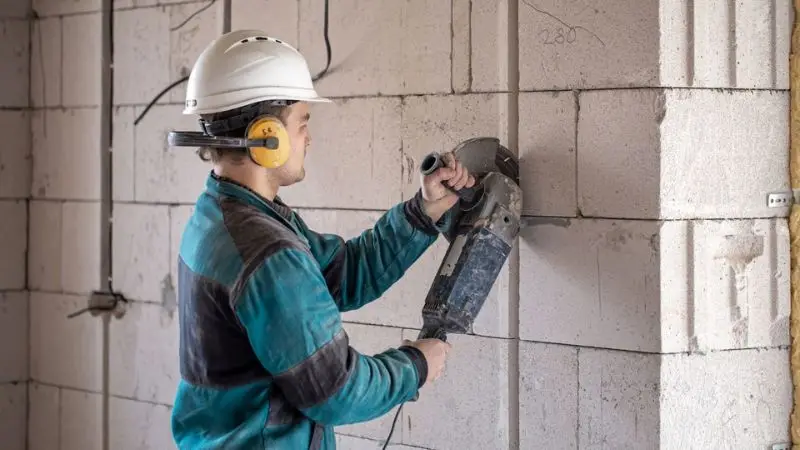
Before you begin cutting, it is important to follow a clear process that keeps you safe and ensures a clean, accurate result. Whether you are using the best concrete cutting machine for construction or a simple concrete cutting machine for home use, these steps help you control the tool and avoid mistakes. With the right preparation and steady movement, the cutting process becomes smooth and efficient.
Marking Your Cutting Line Clearly
The first thing you need to know about how to operate a concrete cutting machine is to mark your line. Draw a straight line where you desire to cut using chalk or a marker. This quick cut firm serves to turn your blade in the right direction and to avoid jagged end cuts. When the cutting line can be seen, it is safe to work over the surface and make no guess or correction on the move.
A developed line keeps the driveway straight, whether it is a driveway, patio, or an indoor slab. When you mark correctly, it also minimizes the chances of your concrete cutting machine cutting up the nearby spaces, so you can operate your machine more accurately.
Securing and Preparing the Work Area
Before starting your machine, make sure the entire workspace is clean and open. Remove tools, cords, and loose debris so nothing interferes with the movement of your concrete cutting machine. A wide, clutter-free area gives you enough space to move safely while maintaining full control of the saw.
If other people are nearby, make sure they are aware of your work to prevent accidental contact. Proper preparation is a key part of safe operation, especially when using the best concrete cutting machine for construction, where power and noise levels are higher. A secure environment helps you work smoothly without unexpected obstacles.
Starting the Concrete Cutting Machine Safely
Before switching on your concrete cutting machine, make sure the blade, guards, and all safety components are properly checked. Safe operation begins with understanding how the machine starts and ensuring everything is secured, whether you are using a standard cutter or a tool supported by a masonry jaw attachment. Confirm that the blade is tight, the guards are intact, and the machine is stable. Follow the manual instructions to power it on and allow the blade to reach full speed. This protects the equipment and keeps the masonry jaw or blade steady. A proper startup ensures smoother, safer, and more accurate cutting every time.
Beginning the Cut Slowly and Smoothly
When the cut has been made, switch off the concrete cutting machine and make sure the blade spins to a periodic rest before putting it down. When the blade is turning, do not make any motions with the tool, as it may injure or spoil the surface. Unplug it, if needed, and wipe down the area, sweeping dust off or getting rid of old stucco.
This last task will guard your machine and the environment for future use. You have bought one of the highest-quality models, or you have bought it on the basis of the concrete cutting machine price, but a good shutdown provides you with the durability of your machine and allows you to find it useful in your next project.
Maintaining Control During the Entire Cut
During the cut, both hands should remain against the machine and stay stable. Put your feet back and make your body go in the direction of the blade. The cutting line should be observed, and your movement should be adjusted. When the machine is pulling, rocking, or loose on the surface, stop and ensure the surface or blade is clear to continue.
Control is very crucial in the use of an ideal concrete cutting machine to be used in construction, where the power is high, and accuracy is a key factor. When one remains concentrated during this cut, they are not likely to make mistakes, they are able to guard the blade, and they will accomplish a smoother, straighter cut on any concrete surface.
Switching Off and Finishing Safely
As the blade goes at full speed, lightly follow the concrete cutting machine on your marked line. Begin with slow and steady movement, avoiding forcible passage of the blade. Allow the machine to do the work, since straining excessively may also ruin the blade and decrease the precision. It is possible to move slowly so that the blade could remain cool, dust could be minimized, and you could make an adjustment to the course in case of necessity.
This low-profile method is efficient in both professional uses and home cutting machines for concrete. You start small, and then you gain control and produce cleaner cuts, particularly when making precision cuts of a hard or thick material.
Safety Tips for Cutting Concrete Properly
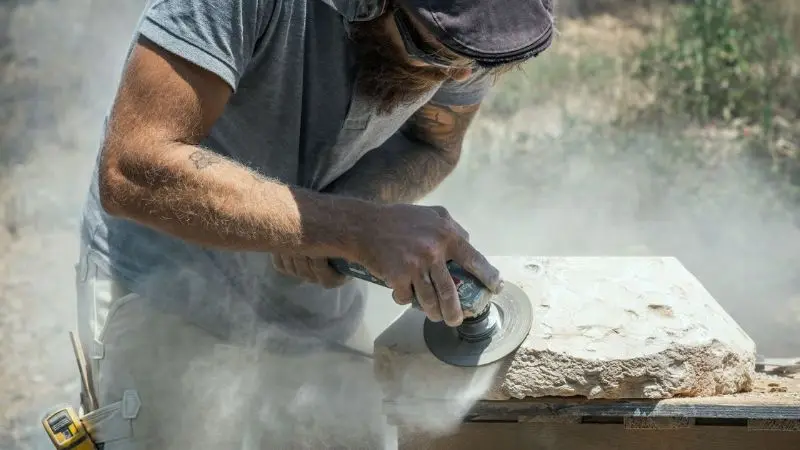
Safe cutting practices are essential when using any concrete cutting machine. Dust, noise, and blade friction can create dangerous conditions if you are not prepared. Following the right methods protects both you and your equipment. Whether you’re working on a professional project or using a concrete cutting machine for home use, these safety steps ensure cleaner cuts and fewer risks.
Using Water to Control Concrete Dust
Water has a significant role in ensuring that your working environment is not exposed to dangerous silica dust. You can do this when you connect a source of water with your concrete cutting equipment to ensure that the dust remains on the surface and is not blown away into the air. Silica dust may ruin your lungs in the long run, and therefore, it must be controlled to operate safely.
Water also removes the heat and enhances the cutting performance of the blade. The approach is advisable with both the best concrete cutting machine in the construction industry and a smaller home model. Good dust management results in a healthier environment, healthier health, and a cleaner view when cutting over an extended duration.
Preventing Blade Overheating During Cutting
Overheating is a common issue when learning how to use a concrete cutting machine, especially during long or deep cuts. As the blade spins through hard material, heat builds up and can weaken the blade. Using water helps keep the blade cool, reduces friction, and extends its lifespan.
If you ever notice sparks, smoke, or unusual vibration, pause immediately and inspect the blade. Allowing the machine to cool helps prevent cracks, breaks, and costly damage. Anyone operating a concrete cutting machine, whether for construction or home projects, should monitor blade temperature to maintain safety and cutting accuracy.
Taking Breaks to Avoid Fatigue
Concrete cutting involves firm concentration, physical work, and whole command of the tool. Throughout the process, fatigue may interfere with your grip, reaction time, and decision-making in general. Short breaks would also bring back your focus and minimize the possibility of errors. The construction of the best concrete cutting machine also needs to have full attention to the operator in order to have clean, straight results.
Taking time once an hour allows your hands to rest and your eyes to rest without dust and movement. This is a basic habit that reduces the chances of injury and enables you to achieve consistency in the quality of the cut, whether at the beginning or the end of the cut.
Keeping Children and Pets Away From the Work Area
Children and pets must never be left close to concrete, whether it is being cut. Noise, dust, and the rotating blade make the place very unsafe despite the ventilation. Put good boundaries with barriers or signs such that no one can accidentally get into the area under the concrete cutting machine.
This is a safety measure at any place, whether at a construction site or a garage at home. The restricted working area will mean that the machine operator is not distracted. Whether you use a big, bulky concrete cutting machine or a simple home-use concrete cutting machine, the most crucial aspect of concrete cutting concerns the safety of those around you.
Common Mistakes to Avoid When Cutting Concrete
Preventing frequent errors will not only improve the life of your machine but also keep you safe and guarantee a better finish. The wrong blade, excessive velocity, and disregard for dust control are some of the causes of many problems. Knowing these mistakes enables you to use any concrete cutting machine, both heavy-duty and home-friendly models, and do it more easily.
Using the Wrong Blade for Your Machine
The proper choice of the blade is also a key to the achievement of good cutting characteristics. Each type of concrete cutting machine needs a blade shaped to the material it is cutting. Applying an asphalt blade to concrete, such as in the case of concrete, causes poor work and a chance of damage as well. The blade should be inspected before starting and must be changed right away in case of wear, cracks, or chips.
The choice of an appropriate blade leads to better cutting speed, precision, and increased safety. Regardless of whether you have chosen your tool depending on the price of the concrete cutting machine or on its usefulness, it is extremely important to have a blade that will produce clean and predictable results.
Cutting Too Quickly and Forcing the Machine
One of the fastest methods of destroying a machine and blade is by rushing through a cut. In the case of the concrete cutting machine, overspeeding the machine generates nonspecific heat, increases vibration, and reduces precision. The blade can then overheat or even break as a result of pressure. Allowing the blade to flow freely results in cleaner cuts and avoids undue effort.
This is a particularly required step when dealing with the best concrete cutting machine to construct, where there is a high level of power and where there is a high density of materials. It is advisable to do slow, gradual cuts so that you can save the machine and have a more professional finish.
Ignoring Proper Dust Control During Cutting
Dust control is one of the most important safety measures when learning how to use a concrete cutting machine. Concrete dust contains silica, which can cause long-term respiratory issues if inhaled regularly. Using water, a vacuum system, or a dust collection attachment helps keep particles from spreading.
Wearing a proper mask adds another layer of protection. Good dust control not only keeps the workspace cleaner but also improves visibility around your cutting line. Whether you’re working indoors, outdoors, or using a concrete cutting machine for home use, managing dust is essential for a safe and healthy environment.
Wrap Up
It would be much easier to use a concrete cutting machine safely and conveniently with the knowledge of the correct steps, tools, and security measures. You may select the best concrete cutting machine to use in construction or a small concrete cutting machine to be used in homes, but with proper preparation and correct cutting technique, every job is easier.
Always keep dust control, keep track of your blade, and work slowly. The importance of learning how to operate a concrete cutting machine safely is to ensure your safety, your place of work, and the tools. By using the right solutions and having an appropriate price for a concrete cutting machine, you would be able to get clean and precise cuts on any concrete work.
FAQ
What are you supposed to do when the blade becomes stuck while cutting?
Turn off the machine. Wait for the blade to stop. Remove debris from the area. Before you resume, check the blade to verify that it is not damaged.
How frequently is your concrete cutting blade to be replaced?
The blade has to be inspected prior to use. Change it when there are cracks, chips, or irregular edges.
Is it safe to cut concrete in the house?
- Use a dust mask.
- Ventilated open windows.
- Use water to control dust.
- Children and pets should not be in the workplace.