As we all know, outdoor swimming pools are continuously exposed to the weather. Dirt, debris, and harmful bacteria can accumulate quickly. So, frequent cleaning is necessary for the maintenance of a healthy swimming pool. People often take this task as tiring, but it is not difficult at all to keep your swimming pool clean and sparkling.
You just need to install a swimming pool filter pump. It will do this hard work for you. It keeps the water clear and safe for swimming. If you are a new pool owner or want a learning guide, knowing about a range of pool filter pumps saves you money and time. Here is our detailed guide about the pool filter pump. Let’s dive in!
What Is a Swimming Pool Filter Pump?
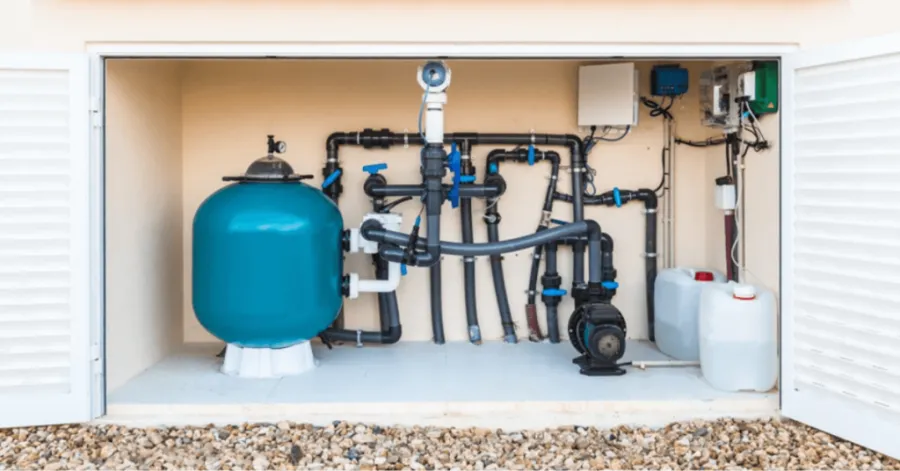
A swimming pool filter pump is comparable to the heart of your pool. It keeps water flowing to prevent stagnation. This action removes excess items, including dirt, debris, and other unwanted materials. Without it, your pool would become hazardous and unclean fast.
How does it work?
The pump draws water from the pool, which passes through the main drain and skimmer. The filter then allows the water to pass through, capturing debris. At last, the pool gets clean water back. This cycle keeps the water clean and fresh.
Why does this matter?
Still water can encourage the growth of algae and bacteria. A filter pump removes items such as insects and leaves and preserves the water’s chemical equilibrium.
Types of Swimming Pool Filter Pumps

Select the right pool pump to maintain clean and clear water in your swimming pool. The common types of pool pumps are sand filter swimming pool pumps, cartridge filter pumps, and diatomaceous earth (DE) filter pumps. Each type works differently, so you can choose the best one for your pool after knowing which works best.
Swimming Pool Pumps with Sand Filter
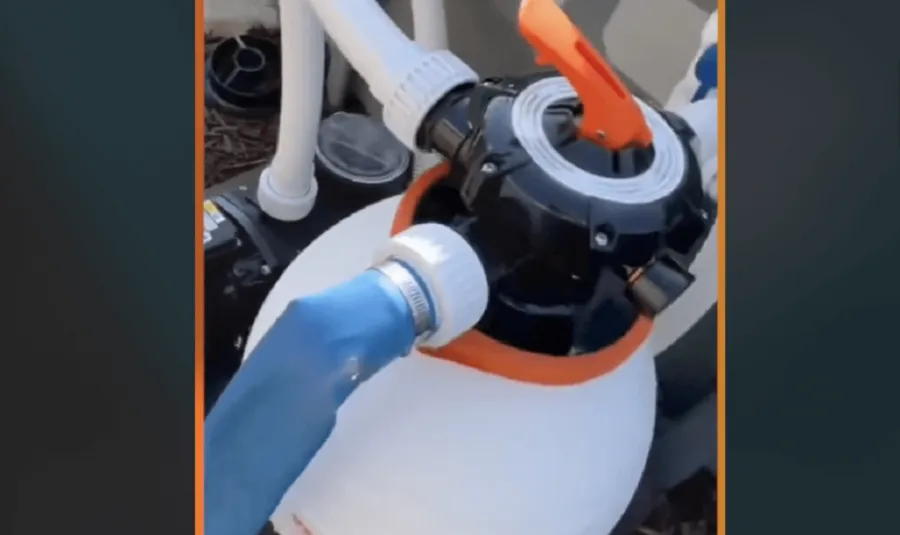
Sand filter pumps are a popular and widely used choice among pool owners. They use a tank filled with special sand to catch dirt and debris. As water flows through, the sand traps particles as tiny as 20 microns. The cleaned water is then returned to the pool.
These filters are simple and easy to maintain. To keep them working well, you need to backwash them. Backwashing reverses the water flow to remove trapped dirt. It’s a quick and easy way to keep the filter clean.
Cartridge Filter Pumps
Cartridge filter pumps are a newer method for filtering pool water. Instead of sand, they use a replaceable cartridge made of pleated material. This cartridge catches dirt and filters particles as small as 10 microns. Cartridge filters are very efficient.
They don’t need backwashing, which saves water and helps the environment. Cleaning is simple—just remove the cartridge, rinse it with a hose, and reinsert it. Depending on usage, you will need to replace the cartridge every 1–2 years.
Diatomaceous Earth (DE) Filter Pumps
For the clearest water, DE filter pumps are the best choice. They use a fine powder made from fossilised algae called diatomaceous earth. This powder coats a grid inside the filter and traps particles as tiny as 2–5 microns.
DE filters make pool water look sparkling clean. But they need more care than sand or cartridge filters. You will need to backwash them and add new DE powder on a regular basis. Although DE filters cost more upfront, they are worth it if you want top-quality water.
Single-Speed Pumps
Single-speed pumps are the simplest type of pool pumps. They run at one constant speed, always using full power when turned on. This makes them easy to use and budget-friendly. If you’re looking for something straightforward, this could be a good choice.
But single-speed pumps use more energy than needed. They always run at full speed, even for small pools or light cleaning. This can result in higher electricity bills over time.
Dual-Speed Pumps
Dual-speed pumps allow you to select between two speeds: high and low. High speed is ideal for heavy cleaning, while low speed is suitable for daily use and conserves energy.
Using the low-speed setting can reduce energy consumption. This makes dual-speed pumps more eco-friendly than single-speed ones. Additionally, they’re quieter at low speeds, which is ideal for relaxing outdoors.
Variable-Speed Pumps
The most advanced and energy-saving choice is variable-speed pumps. You can modify the flow to fit your pool’s needs, as it includes variable speed motors. Whether you prefer a gentle water flow or require heavy pressure cleaning, you can adjust the pressure accordingly.
Their most significant benefit is energy efficiency. Running at lower speeds for longer uses much less electricity than single- or dual-speed pumps. These pumps are also quieter and last longer because the motor doesn’t have to work as hard.
How to Select a Pool Pump
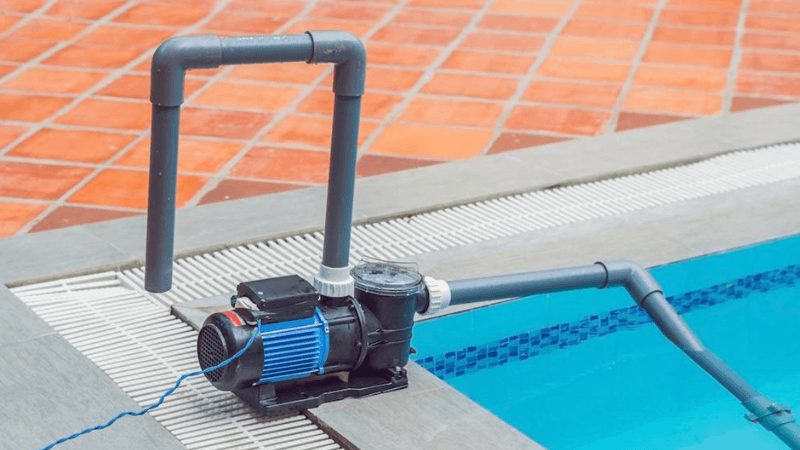
Picking the right pool pump doesn’t have to be hard. By focusing on a few key aspects, you can select the ideal pump for your pool. Let’s go through it step by step.
Pool Size and Volume
Choosing the correct pump depends on the size of your pool. First, calculate the volume of your pool in gallons. Multiply the average depth, breadth, and length of the pool. Since one cubic foot equals 7.5 gallons, multiply that figure by 7.5. Knowing the gallons lets you determine the flow rate. Divide the total gallons by the hours you want for one cycle (usually 8 hours). This provides the gallons per hour (GPH) your pump requires.
Energy Efficiency
Energy efficiency is essential when picking a pool pump. An energy-saving pump lowers your electricity bills and helps the planet. Newer pumps, such as variable-speed models, use less power.
Look for pumps with ENERGY STAR labels or similar features. These pumps feature smart motors that adjust speed according to your pool’s needs. Running the pump at a slower speed for a more extended period saves energy without compromising performance.
Durability and Materials
As we all want, a good pool pump should remain in working condition for years. The pumps are exposed to sunlight, water, and many chemicals in outdoor pools. Therefore, always opt for pumps made of strong materials, such as stainless steel or reinforced plastics.
These materials resist rust and wear. Check the warranty, too. A more extended warranty often means better quality. Durable pumps last longer and need fewer repairs, saving you money.
Maintenance Requirements
Keeping your pool pump in good shape doesn’t have to be complicated. Regular maintenance goes a long way in ensuring it runs smoothly and lasts longer. Here are some simple steps you can follow:
- Clean the Filter Regularly
- Inspect the Pump Basket
- Look for leaks
- Apply a silicone-based lubricant
System Compatibility
Select a pool pump that is compatible with your existing setup. A pump that doesn’t fit your system could cause issues and lower efficiency. Here is what to think about:
- Your pump and filter have to complement one another.
- To prevent installation problems, the size of your pool’s plumbing pipes matters.
- Pool pumps operate on either 110V or 220V power.
- The pump must be compatible with your pool automation system.
Tips for Maintaining Your Pool Pump
Cleaning and Backwashing
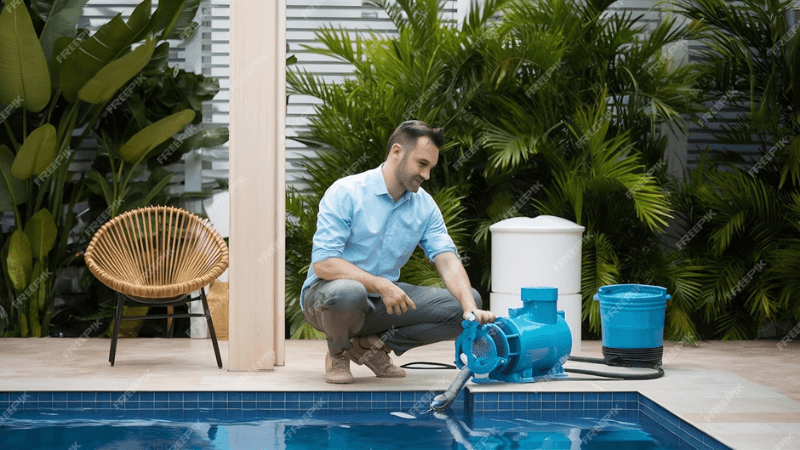
Keeping your pool pump clean is one of the easiest ways to ensure it works efficiently. Dirt and debris can clog the filter, reducing its ability to clean your pool water. Regular cleaning prevents this and extends the life of your pump.
Backwashing is essential for sand and DE filters. This process reverses the water flow to flush out trapped dirt. You’ll know it’s time to backwash when the pressure gauge on your filter rises above the normal range.
Replacing Worn-Out Parts
Over time, some parts of your pool pump will wear out. Ignoring them can lead to bigger problems. The pump basket, O-rings, and seals are standard components that require replacement.
Check the impeller too. If it’s clogged or damaged, it can reduce water flow. Replacing worn parts promptly keeps your pump efficient and prevents costly repairs.
Monitoring Flow Rate and Pressure
Your pump’s flow rate and pressure offer helpful clues about its condition. A sudden increase in pressure or a rapid decrease in flow may indicate a clog or leak. Monitor the pressure gauge often. If it is too high, clean the filter or backwash.
If it is too low, check the pump for obstructions. Following these suggestions will help you to maintain your pool pump in excellent condition. Consistent pool maintenance ensures your pump operates efficiently.
Winterisation Tips
Winter can be tough on your pool pump, but proper preparation will help you avoid expensive repairs. Here is how you can do it:
- Turn Off the Pump
- Drain the Water
- Clean the Pump and Filter
- Store It Safely
- Check for Damage
By following these tips, you’ll keep your pump in good shape and make reopening your pool in the spring much easier.
Professional Inspections
Even with regular pool maintenance, having a professional inspect your pump once a year is a good idea. A professional can identify worn-out parts, leaks, or motor issues before they become major headaches.
They’ll check if your pump is running efficiently and suggest adjustments. Regular inspections help your pump last longer by addressing minor issues before they can cause significant damage.
Buying Guide for Swimming Pool Filter Pumps
Budget and Long-Term Costs
Never consider the price of a pool pump alone before making a purchase. Some tools seem cheap, but they require frequent repairs, which increases long-term expenses. Always opt for a high-quality pump over a low-priced filter.
Investing in a high-quality pump can ultimately save you money. First, set a budget. Then, look for pumps that fit your price range and offer good performance.
Energy-Efficient Models
Energy-efficient sand filter pumps are a wise choice for pool owners. These filter pumps are built wth advanced technology to minimise the energy consumption.
So, always look for pumps with an ENERGY STAR label. These models meet strict energy-saving standards and can reduce electricity use by up to 70%. Choosing an energy-efficient model not only saves money but also helps protect the environment.
Warranty & Support
A good guarantee calms you. It indicates that the manufacturer supports their offering. Review the warranty information thoroughly while looking for a pool pump.
Equally crucial is customer support. Select a company renowned for its exceptional service. If you find a pump with a good warranty and dependable assistance, it will help you prevent needless worry and maintain the smooth operation of your pool.
Reviews & Brand Comparisons
Selecting the right pool pump can seem daunting with the numerous options available. Here’s how to choose the best:
- Read Customer Reviews: Check what other pool owners say about the pump.
- Compare Top Brands: Some brands are trusted for their quality and features.
- Seek Expert Advice: Pool experts often share tips on the best pumps. You’ll find a pump that works well for your pool and budget by checking reviews and comparing brands.
Extra Features to Think About
When buying a pool pump, consider extra features that make life easier. Here are some to look for:
- Timers & Smart Controls
- Quiet Operation
- Self-Priming
- Rust Resistance.
Conclusion
Choosing the right swimming pool filter pump system is one of the most intelligent decisions you can make for your pool. It keeps the water clean, safe, and ready for fun. Regular maintenance and wise buying choices save you money and extend your pump’s life.
When investing in a high-quality pump, you invest in more than just equipment. You’re ensuring a sparkling pool that’s always inviting. Take the time to select the best pump for your specific needs. Your pool will thank you!
FAQ
What size pool pump do I need for my pool?
The size depends on your pool’s volume. Calculate the gallons of water in your pool and match it with a pump that can handle the required flow rate. Most pumps list their GPH (gallons per hour) capacity, so check the label.
How often should I run my pool pump?
Run your pump for 8–12 hours daily to maintain clean and safe water. The exact time depends on your pool size, usage, and climate. Running it during the day ensures better filtration and chemical distribution.
Can I use the same pump for an above-ground and an in-ground pool?
Not always. Filter pumps for above-ground swimming pools are designed for pools with lower water pressure, while in-ground pumps handle higher pressure. Check the pump’s specifications to ensure compatibility with your pool type.
How do I know if my pool pump needs to be replaced?
Signs include loud noises, reduced water flow, frequent leaks, or higher energy bills. If repairs cost more than half the price of a new pump, it’s time to replace it.
Are variable-speed pumps suitable for a budget-friendly option?
The variable speed pumps are designed for savings. They perform well, save you energy, and are also durable. They may be felt costly when buying, but save you from lifetime costs.