You know how hectic things can get in restaurant kitchens when you’re cooking for customers; every minute counts. You need a commercial vegetable slicer. It helps you quickly and easily cut up, chop, and prepare vegetables. Some slicers, such as continuous-feed vegetable cutters, make it easier to handle large orders. Using the right food slicer will always make your food look great.
- Key Features to Look for in a Commercial Vegetable Slicer
- Top Benefits of Using a Commercial Vegetable Slicer
- Types of Commercial Vegetable Slicers
- How to Choose the Right Commercial Vegetable Slicer for Your Business
- Maintenance Tips for Your Commercial Vegetable Slicer
- VEVOR Commercial Vegetable Slicer — Make Food Prep Effortless
- Conclusion
Key Features to Look for in a Commercial Vegetable Slicer
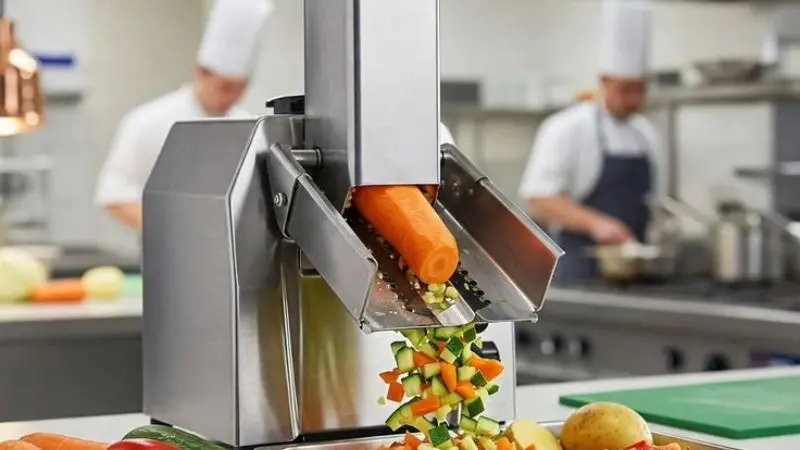
When you shop for a commercial vegetable slicer, you want to make sure it fits your kitchen’s needs. Let’s break down the features that matter most.
Quality and Versatility of the Blade
The blade is the most essential part of a slicer. You want blades that are sharp and stay strong after many uses. Stainless steel blades are great because they don’t rust and stay sharp. Some slicers come with different blades for cutting, dicing, or julienne. Look for slicers with interchangeable blades if you need to switch between fruits and vegetables. This way, you always get the same amount.
Power and Capacity
Think about how much food you make each day. If you own a busy restaurant, you need a slicer that can handle a high volume of food. Commercial food slicers with powerful motors cut quickly and don’t slow down. For small jobs, manual slicers work, but electric cutters help you finish big orders rapidly. Check the hopper size and motor power before you buy.
Ease of Cleaning and Maintenance
You want a slicer that is easy to clean. It’s easier to wash things that come apart. Some commercial food slicer models are dishwasher safe. Cleaning your slicer every day keeps your kitchen safe and your food fresh. Look for machines that are easy to use and have few small parts.
Features for Safety
When you use slicers and cutters, safety is essential. Choose a slicer with guards to protect your hands. Non-slip feet keep the slicer steady on the counter. Some commercial food slicer models have an automatic shut-off feature. Always do what the instructions say and put your slicer away safely when you’re done.
Top Benefits of Using a Commercial Vegetable Slicer
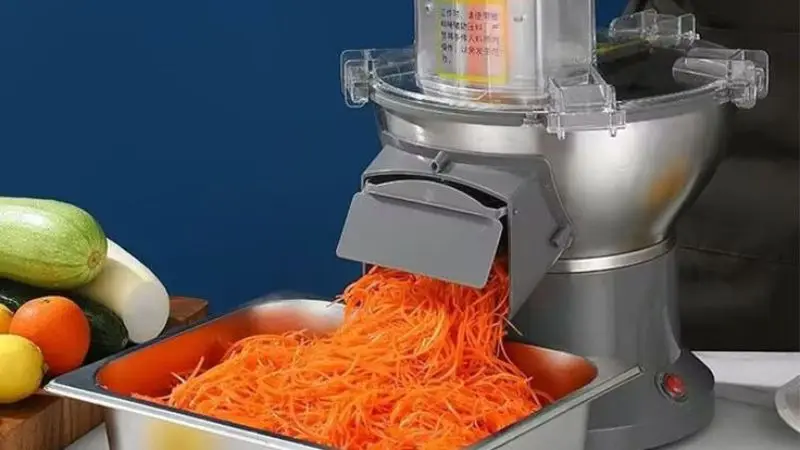
Time and Labour Savings
You know how hectic it can be in a restaurant kitchen. Using a commercial food slicer saves you a lot of time. You don’t have to spend hours cutting up vegetables by hand. The slicer does all the hard work for you. You just put the vegetables in, hit a button, and the machine will do the rest. You can cut potatoes, onions, and carrots in a matter of seconds. Your employees can work on other things. You save money on labour because you don’t need as many people to do prep work. During busy times, the slicer helps you keep up with big orders.
Versatility in Food Prep
The best commercial vegetable slicer for restaurants lets you choose from a lot of options. You can use different blades to make julienne cuts, dice, or slice. Some slicers can cut both fruits and vegetables. You can switch between the fruit and vegetable slicers without any problems. Every time, you get the same amount. Your salads, stir-fries, and garnishes look clean and professional. You can even use special cutters to make shapes that are different from the norm. The slicer helps you make new dishes and keep your food looking fresh.
- Use one slicer for many things.
- Try out new recipes with different blades.
- Use the same machine to prepare fruits and vegetables.
Impact on Productivity
A commercial food slicer keeps your kitchen running smoothly. You get ready faster. You stay on top of customer orders. The slicer helps you not make mistakes and waste. Every time, you get slices of the same size. The slicer makes things easier, which helps your team do their jobs better. You can count on your machines to get through busy shifts. The slicer enables you to serve more customers and grow your business.
| Benefit | How Slicer Helps |
| Faster Prep | Slices large batches |
| Consistent Output | Same size every time |
| Less Waste | Accurate cuts |
Types of Commercial Vegetable Slicers
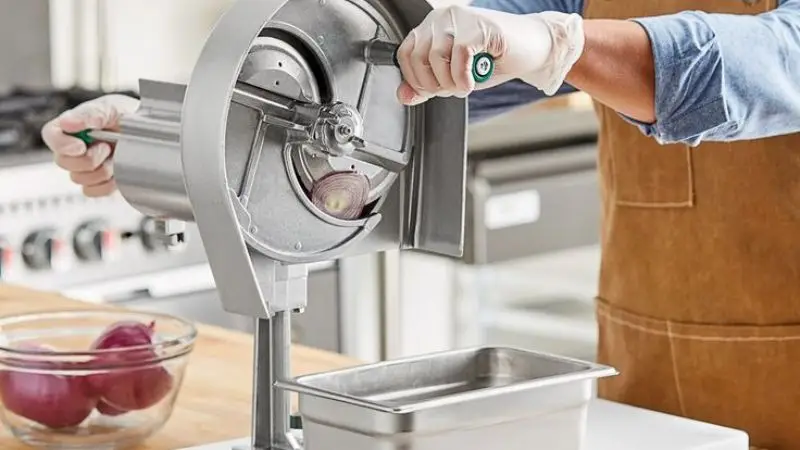
When you look for a slicer for your restaurant, you see many choices. Each type of slicer works best for different jobs and kitchen sizes. Let’s break down the main types so you can pick the right one for your needs.
Manual Slicers
It’s easy to use a manual commercial vegetable slicer. You use your hands to push the vegetables through the blades. If you have a small kitchen or just need to cut a few things, these slicers are great. This group includes mandoline slicers, hand-held cutters, and push slicers. You can use them anywhere because they don’t need power.
- You decide how fast and thick it is.
- Manual slicers cost less than electric ones.
- It’s easy to move and store them.
If you own a café, food truck, or small restaurant, a manual slicer is a good choice. You can easily cut up onions, tomatoes, and cucumbers. These slicers help you make salads and garnishes by evenly cutting ingredients. You save money and space, but you have to work for it.
Electric Slicers
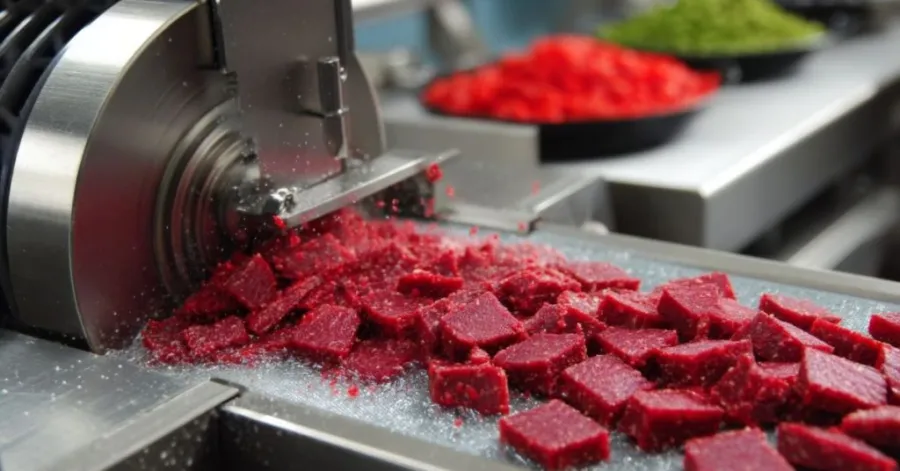
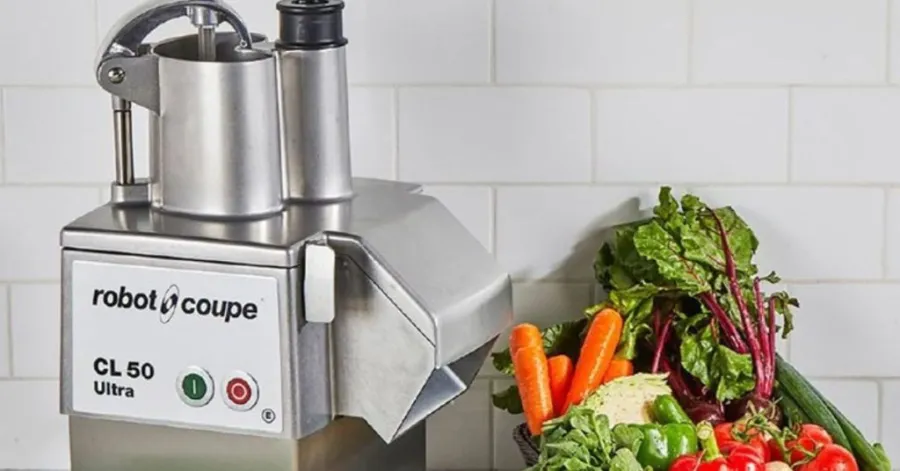
Electric commercial vegetable slicers have a motor that quickly cuts vegetables. Put the stuff in the hopper, push a button, and let the machine do the rest. These slicers are great for busy kitchens that need to prepare a lot of food. You can cut up potatoes, carrots, and peppers in just a few seconds.
Electric slicers help you keep up during busy times. You don’t have to worry about your hands getting tired or your cuts being uneven. Every time, the machine gives you the same size. Some commercial food slicers come with different blades for cutting, dicing, or shredding. You can change the blades to fit your menu.
Rotary and Speciality Slicers
A rotary slicer cuts vegetables with a drum or disc that spins. You can spin the blades by turning a handle or using a motor. These slicers are great for making special cuts, like crinkle chips or waffle fries. Rotary slicers can also be used to shred cheese or make spiral vegetables.
Specialty slicers are machines that are made to do specific jobs. Some slicers cut vegetables into cubes or wedges, while others cut them into julienne strips. These slicers will help you stand out if you want to add creative shapes to your menu.
- Rotary slicers are a good fit if you need unique cuts.
- You can use these slicers for fruits, vegetables, and even cheese.
What Kind of Slicer Works Best in Your Kitchen?
The type of commercial vegetable slicer you need depends on how much work you have and what you serve. Manual slicers are great if you only need to slice small amounts. Electric slicers save you time and work when you have a lot of prep to do. Rotary and speciality slicers let you make different kinds of food and add variety.
- Manual slicers are best for small kitchens and light prep work.
- Electric slicers are great for big orders and busy restaurants.
How to Choose the Right Commercial Vegetable Slicer for Your Business
It can be hard to choose the right slicer for your restaurant. You need a tool that fits your kitchen’s needs and speeds up your team’s work. Let’s go over the most important things to look for when you buy a commercial food slicer.
Features to Consider
You need to think about what your kitchen does every day. Do you slice huge batches of potatoes for fries? You could prep lots of onions for salads. Your workload matters. If you run a busy restaurant, you need a slicer that can keep up. Some slicers work best for small jobs, while others handle big orders.
Here are some features you should check:
- Adjustable thickness settings: You can change how thick or thin each slice is.
- Multiple blade options: Switch blades for different cuts, like julienne or dice.
- Large hopper size: Load more vegetables at once.
- Sturdy build: Machines with metal bodies last longer.
Blade Types and Materials
Blades make a massive difference in how your slicer works. You want blades that stay sharp and don’t rust. Stainless steel blades are a top choice. They last longer and clean up easily. Some commercial food slicer models come with extra blades for different cuts.
Check out this table to compare blade types:
| Blade Type | Best For | Material |
| Straight Blade | Slicing, dicing | Stainless steel |
| Serrated Blade | Soft veggies, fruits | Stainless steel |
| Julienne Blade | Thin strips | Stainless steel |
If you want to slice tomatoes, cucumbers, or carrots, straight blades work well. For softer foods, serrated blades help you get clean cuts. Julienne blades make thin strips for salads or garnishes.
Power and Capacity of the Motor
If you want to cut a lot of vegetables quickly, motor power is essential. Electric slicers have motors of different strengths. A strong motor lets you cut big batches without slowing down. You might not need a powerful motor if you own a small café. A high-capacity commercial food slicer saves you time in busy restaurants.
What you should look for is:
- Wattage: More wattage means more power to slice.
- Batch size: Larger machines can handle more food at once.
- Continuous feed: Some slicers let you keep adding vegetables without stopping.
Choose a slicer with a strong motor and a big hopper if you need to prepare food for hundreds of people. You will be able to finish your prep work faster and keep up during busy times.
Safety and Extras
Always put safety first. Slicers have moving parts and sharp blades. You should get a slicer with guards on it to keep your hands safe. The slicer won’t slip off your counter thanks to its non-slip feet. For added safety, some commercial food slicer models feature an automatic shut-off.
These are the things you should look for:
- Hand guards: Protect your fingers while you cut.
- Food pushers: They help you get veggies through the blades.
- Cleaning tools make it easier to clean your slicer.
When picking a commercial vegetable slicer for home use, consider how busy your kitchen is, what you cook, and who works there. Make sure the slicer has the features you need for your daily prep work. Choose strong blades, a motor that works well, and safety features that work well. Your team will be able to work faster, safer, and happier.
Maintenance Tips for Your Commercial Vegetable Slicer
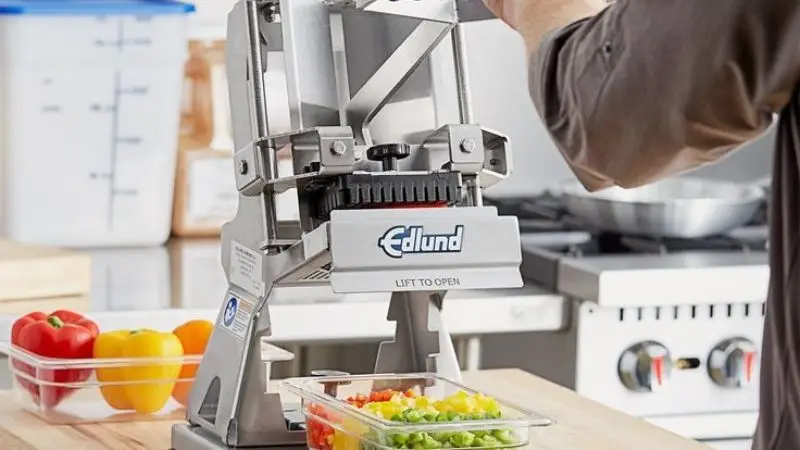
Cleaning Routine Every Day
After each use, you should clean your slicer. Food can get stuck in the blades and other parts. They can rust or even make your food unsafe if you leave them there. Unplug your commercial food slicer first. Remove any parts that can be removed, like the blades and food pushers. Use warm, soapy water to clean these parts. Use a brush to get into tight spots. Before you put everything back together, make sure it is dry.
Sharpening and Changing Blades
Your slicer will cut better and more safely with sharp blades. If your commercial food slicer isn’t cutting as well as it should, it might be time to sharpen the blade. Some slicers come with a tool to sharpen them. If yours does, follow the instructions in the manual. If the blade appears broken or dull after sharpening, replace it. Always use the right blade with your slicer.
How to Store Things Safely and Correctly
Keep your slicer in a safe, dry place. Make sure the blades are pointing away from you and your staff. If your slicer has them, use blade guards. Don’t let kids get to your commercial food slicer or other cutters. Always unplug electric slicers before cleaning or moving them.
VEVOR Commercial Vegetable Slicer — Make Food Prep Effortless
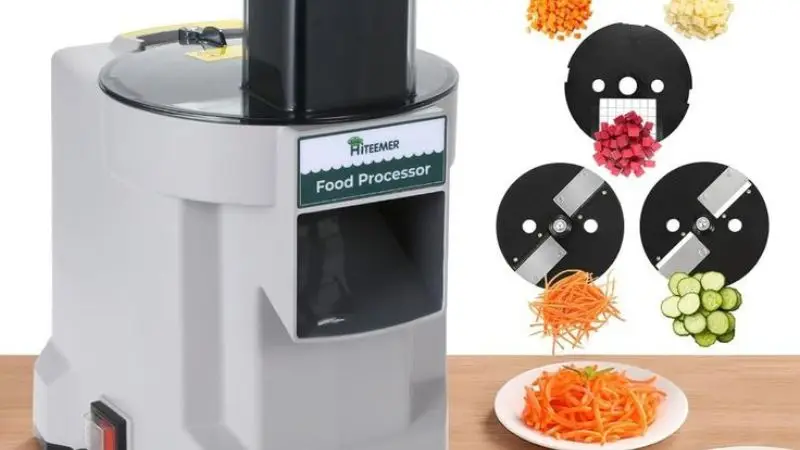
You want it to be quick and easy to prepare food. You can do that with the VEVOR commercial vegetable slicer. With this slicer, it’s easy to slice, dice, and chop vegetables. Just put the vegetables in, pick a blade, and let the slicer do the rest. You save time and keep your kitchen running smoothly.
The VEVOR commercial food slicer is known for its powerful blades and sturdy construction. You get stainless steel blades that stay sharp even after many uses. You can change the blades to make different cuts, like strips, cubes, or slices. You can use the slicer on carrots, potatoes, cucumbers, and other vegetables. You can even use it on fruit. You always get the same results.
Here are a few reasons why you might want to buy the VEVOR slicer:
- You get your prep work done more quickly.
- You get slices of the same size for every dish.
- Because the parts come off, it’s easy to clean the slicer.
- Built-in guards keep your hands safe.
The VEVOR commercial food slicer can handle big batches. You can get vegetables ready for soups, salads, and sides without slowing down. The motor in the slicer keeps the power steady, so you don’t have to worry about it breaking down during busy times. You get a machine that lasts and makes your team work better. This table shows you what you get with the VEVOR slicer:
| Feature | Benefit |
| Stainless steel blade | Sharp, rust-free cuts |
| Large hopper | Prep more veggies at once |
| Safety guards | Protect your hands |
| Easy cleaning | Save time after prep |
Conclusion
Picking the right commercial vegetable slicer makes your restaurant run more smoothly and makes more money. You should get a slicer that fits your kitchen and your menu. Cleaning your commercial food slicer regularly keeps it in good condition. It’s easy to prepare food with sharp knives and safe cutters. Talk to suppliers and read reviews before you buy a slicer. Using your slicer and commercial food slicer correctly will save you time and help you get better results. Every day, slicers and cutters help you make great food.
FAQ
How often do you need to clean your commercial vegetable slicer?
After each use, you should clean your slicer. This keeps your food safe and your machine running well. You won’t get rust or food buildup if you clean it every day.
Can you use a commercial vegetable slicer to cut up fruits?
Most commercial vegetable slicers can cut fruit, yes. Just be sure to use the right blade for soft or hard fruits. For best results, always read the manual for your slicer.
Which type of blade is best for cutting potatoes?
For cutting potatoes, straight stainless steel blades work best. You get chips or fries that are all the same size. A julienne blade is what you need if you want thin strips.
Can beginners use an electric slicer without risk?
If you follow the directions, you can safely use an electric slicer. Always use food pushers and hand guards. Don’t rush, and don’t put your fingers near the blades.
When should you change the blade?
Check the blade if your slicer starts making cuts that aren’t even or feels hard to use. When you see that the edges are dull or the item is broken, get a new one.