A commercial vacuum sealer helps you keep food safe, fresh, and well organised in your business. Pulling air out of special bags and sealing them tightly slows spoilage, locks in flavour, and cuts down on waste. Whether you run a restaurant, café, butcher shop, or catering service, the right machine quickly becomes part of your daily routine. How often you seal, the size of your portions, and the types of products you package all help you decide on the best commercial vacuum sealer or a commercial vacuum sealer for restaurants and catering that truly fits your needs.
Key Benefits of Commercial Vacuum Sealing Machines

Every successful commercial kitchen, café, or catering company depends on reliable food preservation. New sealing solutions keep your ingredients fresh and safe while protecting your margins, so your reputation also remains intact. With high-quality vacuum sealers, you’ll be able to offer higher-quality food, greatly increase your storage times, and make your operation run smoothly from prep to service.
How Commercial Vacuum Sealers Extend Food Shelf Life
One of the biggest benefits of a commercial vacuum sealer in the professional kitchen is the longevity of your ingredients. Taking oxygen out of the bag helps slow down the bacteria in your colors and flavours, thus allowing them to stay vibrant and fresh. You can store meat, cheese, sauces, and vegetables for many weeks instead of just a few days without losing that freshly made taste. When you have a plan, it is easier to menu, batch-cook, and do less last-minute prep. Over time, you’ll see less food waste, more consistency on customers’ plates, and greater control of food costs.
Commercial Vacuum Sealers and Food Safety Compliance
Vacuum sealing can help you maintain food safety standards for your food business, and it is very important. A good Commercial chamber vacuum sealer does excellent air removal around liquids, marinades, and delicate items. This helps limit harmful bacteria growth and the risk of freezer burn.
Sealed pouches protect the product against moisture, odours, and cross-contamination during storage and transit. When thinking about how to choose a commercial vacuum sealer, consider how well it will support your food safety plan and how it fits in with your labelling system and portion control. Everyone gets their meals hygiene-compliant and regulatory-compliant.
How Vacuum Sealers Can Save You Money and Increase Productivity
It is always better to manage food costs and labour efficiently to make more profit. A restaurant vacuum sealer lets you buy ingredients in bulk, portion them accurately, and store them safely for longer periods of time. Waste and rushed last-minute orders will become a thing of the past. When it’s not busy, a staff member can prepare meals and then simply grab the pre-sealed portions to serve. That eliminates stress on the line-up and speeds up the entire service. If you select the best commercial vacuum sealer for your volume and menu style, it won’t take long before you see lower spoilage, smoother workflows, and more predictable margins month after month.
Types of Vacuum Chamber Sealer for Food Businesses
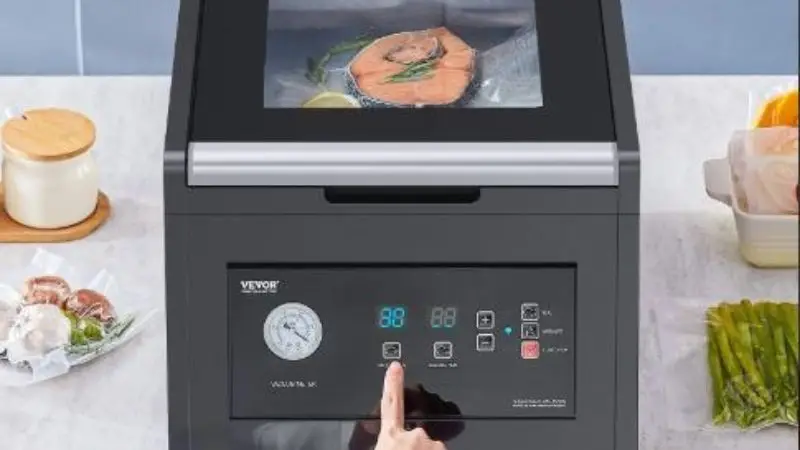
When you know what machine styles are available, you can choose the right sealing system. Different packages deal with air removal, liquids, and portion sizes differently. This, in turn, affects food quality and workflow. Once you know how each commercial chamber vacuum sealer or external machine works, it becomes easier to match the machine to your menu, space, and volume.
Chamber Vacuum Sealers for Liquids and High-Volume Sealing
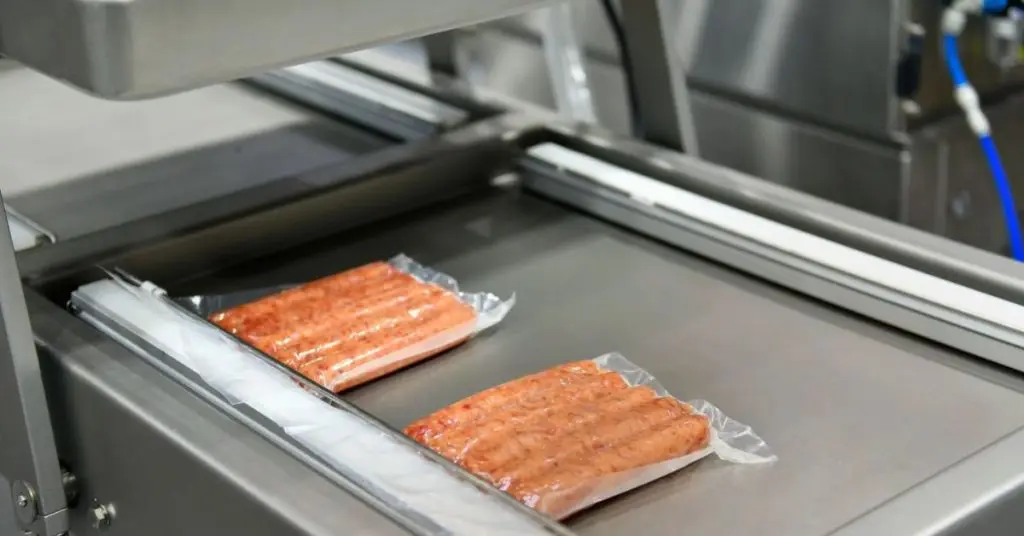
A chamber-style commercial chamber vacuum sealer is ideal when you need strong, consistent sealing power and work with liquids or moist foods. The bag goes into the chamber, and air is taken out of the chamber and bag to make an even, tight seal. It’s great for soup, sauce, marinade, or large batches of prepared ingredients. Numerous designs feature adjustable vacuum and sealing systems, with strong pumps for continuous operation. If you have limited space on your counter, a small chamber unit can still produce professional results while keeping food fresher for longer storage.
Vacuum Sealers for Dry Foods and Light Commercial Applications
An external commercial vacuum sealer is a great option when looking for a simple solution that saves space, primarily for dry foods. With this style, the bag sits outside the machine, and the sealer pulls the air from the open end before sealing it. It is ideal for portioning nuts, cheese, snacks, and other low-moisture items and reserving them for later. Chamber machines are generally bulkier and less cost-effective than external units, which explains their rarity. But they do not work as effectively with liquids. Therefore, many operators pair them with a small chamber unit so they can be more flexible with what types of food they can pack.
Wet vs Dry Vacuum Pump Options Explained
A chamber-style commercial vacuum sealing machine can be equipped with a wet (oil) pump or a dry pump. Wet pumps are easier to handle on heavy day to day use. This is more applicable to those who make seals on liquids and dense foods. Because dry pumps do not need oil, they require less regular maintenance and are suitable for lighter workloads or smaller operations. The finest commercial vacuum sealer for a busy restaurant is often the wet-pump model, since it quickly attains deeper vacuum levels and stands up to frequent cycles. Consider how frequently you seal things, what items you seal, and how long you anticipate the machine will run every day.
Top Features to Look For in a Commercial Vacuum Sealer
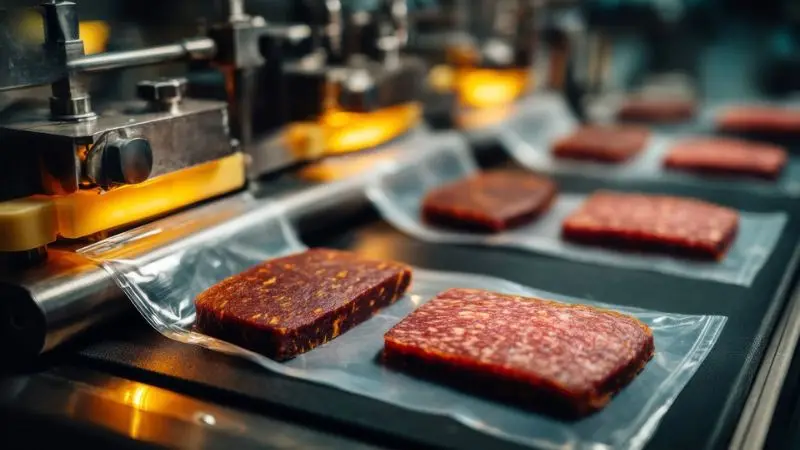
After learning about the basic types of machines, one can compare features and characteristics that affect performance and reliability. Speed, build quality, and safety combine to change how you prep, portion, and store food. When determining how to choose a commercial vacuum sealer, consider features that benefit your menu, staff skills, storage routine, and more.
Sealing Speed and Performance in Busy Kitchens
The speed of seal has as much importance as the quality of seal in a commercial world. After using a commercial vacuum sealer, you can literally seal hundreds of bags in a very short period of time. The best commercial vacuum sealers will not overheat or slow down during busy or rush hours. Choose models that come with strong pumps that maintain the vacuum at a constant level. Additionally, adjustable settings are useful to modify the cycle to a delicate, wet, or even dry product. With speedier performance, staff can batch-seal ingredients during prep and simply grab portions as orders arrive. In the long run, this solution will improve ticket times, reduce food waste, and make your kitchen workflow feel controllable and predictable.
Build Quality and Duty Cycle for Long-Term Use
The manufacturer’s build quality shows how well the machine can take daily use, be cleaned, and get the occasional knock in a busy work area. Commercial vacuum sealers typically have stainless steel bodies and heavy-duty lids. Their internal parts boast extremely long-lasting construction. The duty cycle indicates how long the unit runs, so you know when it needs to take a break. This is important for operations with high volumes. A powerful commercial vacuum sealing machine is designed to work with back-to-back batches without a drop in performance. When you check out warranty terms and real-world reviews, you can select equipment that will not fail during your busiest services and need fewer repairs over time.
Capacity and Chamber Size for Different Food Items
The size of your machine’s chamber — and its capacity — affects what you can seal and how quickly you can move through your prep list. Large chambers are best for larger cuts of meat, bulk ingredients, or large pouches, while smaller chambers are better for single portions and tight spaces. When selecting a commercial vacuum sealer for restaurants and catering, consider the most common bag sizes, portion weights, and how many items you will seal at once. It can be useful to measure your usual portions and storage containers ahead of time to help you choose a machine that fits your needs. The right capacity enables you to prevent bottlenecks and allows you to standardize portions across your menu.
Ease of Use and Maintenance for Staff
Kitchen equipment that you can make use of easily and with simple maintenance work. Sealers with visible buttons, a digital screen, and preset programs would be easier for your staff to learn to operate accurately. It has removable sealing bars and easily cleaned smooth interior surfaces that do not require contact with liquids and crumbs. Dry-pump units need less maintenance, while wet-pump units need more regular oil changes but are more powerful. When choosing a commercial vacuum sealer, consider how much time your team can realistically spend on care and cleaning to keep the machine reliable without creating a burden.
Safety Features and Food-Grade Certifications
It is important for any food business to ensure safety and compliance, and your vacuum sealer should help. Check for models that feature an auto shut-off, overheat protection capped lid for the safety of staff dispensing while in use. When an organization has NSF or UL certification, it indicates that the product has been tested for food safety and electrical safety. A certified commercial vacuum sealer gives you some reassurance to health inspectors, and also assures that your equipment is fit for commercial use. Ensuring that your machine is both safe and compliant protects customers, employees, and your company’s brand reputation.
How to Pick the Best Vacuum Sealer According to Your Needs
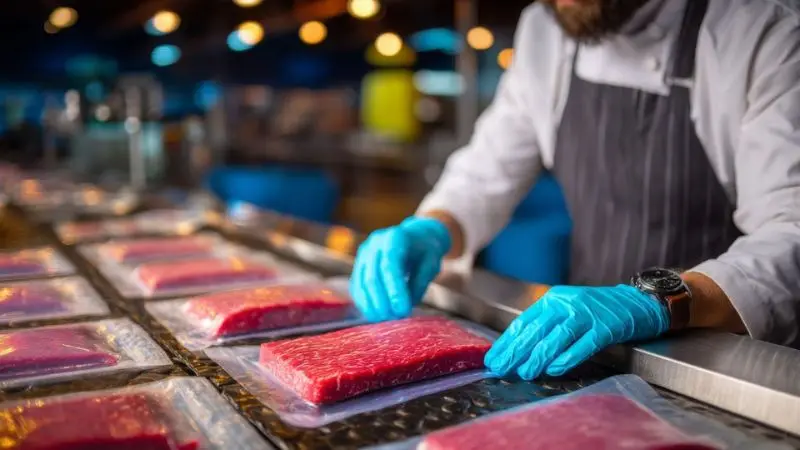
Choosing the right machine can be bewildering with so many different models, specs, and price levels. Your options will quickly narrow down due to a few clarifying factors. When you carefully consider volume, product type, budget, and safety. You will understand how to choose a commercial vacuum sealer that supports your menu and workflow. Use the points below as a simple guide to match the right equipment to your daily operations.
Evaluate Your Packaging Volume and Workflow
Begin by examining how much you normally cover in a typical day and during your busiest service periods. If you operate a kitchen, deli, or retail counter that is very busy and where vacuum sealing is frequently done, you will need a high-performance commercial vacuum sealing system with a strong pump and a high duty cycle. This will prevent it from overheating despite frequent usage. Compact models work great for smaller operations, which seal off just a few portions at a time. Outline the regular packaging tasks that need daily and weekly execution, e.g., batch prep, catering orders, etc., to help you choose a commercial vacuum sealer that will easily meet your highest demand.
Consider Your Product Types and Moisture Levels
The products that you seal will greatly determine which machine is most suitable for you. Wet foods like marinated meats, soups, stews, and sauces are typically better handled by a Commercial chamber vacuum sealer. This is because the vacuum is created inside the chamber and does not pull liquid out of the bag. Dry items such as nuts, cheese blocks, coffee, or snacks often work well with external sealers that use special textured bags. If you regularly deal with both wet and dry items, opt for a chamber unit with adjustable vacuum strength and sealing time to safeguard delicate products while still achieving strong, reliable seals.
Compare Your Budget with Long-Term Savings
It can be tempting to pick the lowest price, but the cheapest option is rarely the best commercial vacuum sealer for a busy professional kitchen. Most entry-level models will break down often due to heavy usage. They will not perform as efficiently as a professional model, so you will end up throwing out more food. When you buy a heavy-duty and well-built machine, it is generally more expensive initially. However, it gives back money as fast spoilage reduces, prep work speeds up, and calls for service reduce. Take a look at their expected life span, cost of spare parts, and labour savings on faster sealing cycles. When you look at total cost rather than purchase price, you can invest in equipment that will support your growth over the long run.
Check Certifications and Food Safety Standards
Food safety must always come first when choosing equipment. Always check before buying the vacuum sealer that it meets some recognized standards and carries certification like NSF or UL. The vacuum sealer has been tested for safety to use with food and for electrical reliability. Having certified units makes it easier to justify during inspections and also enables you to comply with the local health authority´s regulations. To know whether the design has specs like food-safe materials, overheat safety, and secure lids, check the product specification and information. A certified commercial vacuum sealer reassures you that safety protects your customers and supports your internal food safety program.
VEVOR Commercial Vacuum Sealer for Professional Use
The VEVOR commercial vacuum sealer is a very strong option to consider for anyone seeking a Commercial vacuum sealer for restaurants and catering use. The stainless steel body can withstand daily use and is easy to wipe clean. The powerful pump quickly removes the air so that you can easily get through batches. You can use adjustable sealing time and pressure settings to adjust your cycles to suit various types of food, including delicate items and meat cuts. The oversized chamber allows bulk packaging, and the easy-to-use digital controls can be learnt by the staff without the need for special training. For a lot of businesses, why is the VEVOR unit well worth the money? It is a smart long-term investment for better food storage and less waste.
Wrap up
If you want to protect the quality of your food, manage costs, and ease daily shifts, choose your commercial vacuum sealer carefully. You get reliable seals and extended shelf life by matching machine type, chamber size, and pump style to your volume and menu. A commercial vacuum sealer makes it safer to store food, and it also helps with services during peak hours. When you look at features, consider durability, certifications, and real long-term value. By investing in the Best commercial vacuum sealer for you, vacuum sealing becomes a powerful system for growth and consistency that staff can rely on, and customers can trust, every busy day.
FAQ
How often should you clean your commercial vacuum sealer?
You should clean your vacuum sealer after each use. Wipe the chamber and seal bar with a damp cloth. This keeps your machine safe and working well.
Can you seal liquids with all commercial vacuum sealers?
No, you cannot seal liquids with every model. Chamber vacuum sealers work best for liquids. External sealers may not handle wet foods well.
What bags work with commercial vacuum sealers?
You should use bags made for vacuum sealing. Chamber sealers use smooth bags. External sealers need textured or embossed bags. Always check your machine’s manual.
How long does vacuum-sealed food last?
Food vacuum-sealed in packets lasts longer than food in bags. You can keep meat fresh for weeks and dry goods for months. Always store food at the right temperature.