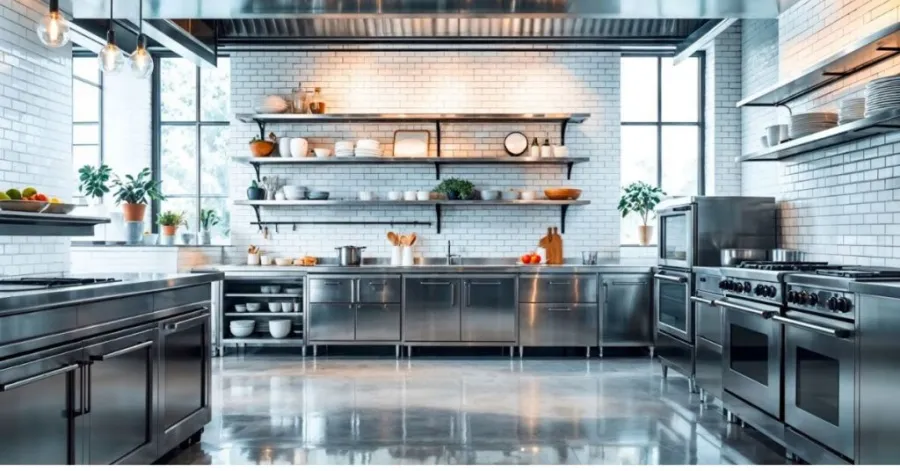
A smart restaurant kitchen layout can make or break your business. The right setup helps your team move faster, stay organized, and work safely. When everything is in the right place—prep areas, cooking stations, storage, and even a well-positioned kitchen table for quick tasks or plating—your staff can focus on great food and quick service.
Every restaurant is different, so your layout should match your menu, service style, and kitchen goals.
With 10 commercial kitchen layout ideas for restaurants, you can create a kitchen that saves time, boosts teamwork, and keeps the workflow running strong.
Assembly Line Setup
The assembly line layout creates a straight, step-by-step kitchen setup. Each person on the team has a set role—one preps ingredients, one cooks, and another plates the food. This style is often used in fast-paced restaurants, especially where the same meals are made again and again.
Why This Layout Works Well
This type of commercial kitchen layout helps your team work fast and stay organized. It’s great for speed and easy to follow.
- Tasks are divided clearly
- Mistakes are fewer since each person has one focus
- New staff can learn their job faster
- Rush hours feel more manageable
A well-structured commercial kitchen workflow layout keeps everyone in sync, reducing stress during busy times.
What to Consider Before Choosing
Even though this setup offers many benefits, it may not work for every type of restaurant.
It’s not ideal for changing menus or small, square kitchens.
- It works best in long, narrow spaces
- Menu changes are harder to manage
- One slow station can delay everything
- You might not use all the corners of the kitchen efficiently
Still, for places that rely on repetition, it remains one of the best commercial kitchen layout ideas.
Who Should Use It
If your restaurant serves the same meals every day—like a pizza place, sandwich shop, or fast-casual diner—this layout is a smart choice. It supports a smooth commercial kitchen workflow layout, helping your staff move fast and stay focused.
When thinking about how to plan a commercial kitchen layout, this setup is great for simple menus and fast service. It’s a winning pick if your goal is speed, order, and a clear path from prep to plate in your commercial kitchen design.
Island Layout Setup
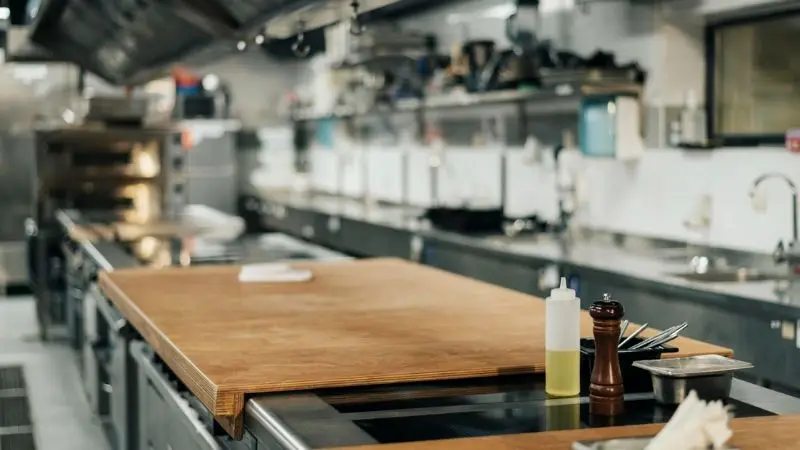
The island layout puts your main cooking equipment in the center of the kitchen, like a hub. Around it, you place prep stations, cleaning areas, and storage. This open design gives your team space to move freely and keeps everyone connected. It’s a great option when you want a commercial kitchen layout that feels open, modern, and full of energy.
Why This Layout Works Well
This setup improves how your kitchen team works together. It also gives your space a clean and professional feel.
- Team members can see and talk to each other easily
- It’s easier to move around without bumping into others
- The open space around the island makes cleaning simpler
- Great for open kitchens where guests can see the action
If you want a kitchen that blends commercial kitchen workflow layout and visual appeal, this layout does both.
What to Consider Before Choosing
Even though the island layout looks impressive, it’s not ideal for every kitchen.
- It needs a big space to fit the equipment and leave room to walk
- Equipment in the center may need extra ventilation
- Without training, the open setup can feel chaotic
When planning how to plan a commercial kitchen layout, think about your space size and staff experience.
Who Should Use It
This design works best for fine dining restaurants, hotels, or any place with an open kitchen design for commercial use. It creates a stylish, high-end look that also supports team creativity. If you want your space to feel like a show, this layout is perfect. Among all commercial kitchen layout ideas, the island layout helps your commercial kitchen design stand out with both beauty and function.
Zone-Style Layout Overview
The zone-style layout breaks your kitchen into smaller, clear sections. Each section—or zone—has its own task: prepping, cooking, plating, or cleaning. This layout helps your team know exactly where to work and what to do. If you want a more organized commercial kitchen layout, this one brings focus and energy to your kitchen operations.
Why This Layout Works
With this setup, every part of the kitchen has its purpose. Your team spends less time moving around and more time getting things done.
- Less confusion—everyone has their place
- Safer food handling—raw and cooked foods stay apart
- More speed and focus—less back-and-forth
- Great for complex menus with different cooking tasks
If you’re searching for commercial kitchen layout ideas that improve control and order, zone-style is a smart option.
What to Watch Out For
While this layout has many strengths, it requires some extra planning and space.
- Each zone needs room—tight kitchens may feel packed
- You might need more tools or gear for each area
- Your team needs training to follow the flow
These are key points to consider when learning how to plan a commercial kitchen layout.
Who This Layout Fits
This layout works best for large kitchens, like those in hotels, catering services, or busy restaurants. If you have many menu items and staff, it helps manage it all with ease. A strong commercial kitchen workflow layout like this makes your kitchen more professional and productive. It also supports any commercial kitchen design that needs flexibility and long-term growth.
If you’re working with limited space, the galley layout can be a game-changer. This commercial kitchen layout places two workstations side by side, with a walkway in the middle. It keeps tools, prep areas, and equipment within reach, making small kitchens run smoothly. Many cafes, food trucks, and compact restaurants use this setup to get more done in less space.
Why This Layout Works
This layout focuses on speed and simplicity, even in narrow spaces. You don’t need to move far to get things done.
- Uses small spaces smartly
- Reduces walking time
- Keeps tasks easy and direct
- Cuts down on build costs
For anyone exploring commercial kitchen layout ideas for a tight area, the galley style offers a simple and practical solution.
What to Keep in Mind
Galley kitchens need good planning to avoid crowding and chaos, especially during peak hours.
- The center aisle can get crowded
- Only a few people can work comfortably at once
- Teamwork and timing are key
- Hot air builds up fast—ventilation is a must
These points are helpful when thinking about how to plan a commercial kitchen layout in a compact space.
Who This Layout Fits
If you’re starting a café, food truck, or small diner, the galley commercial kitchen layout is a strong choice. It keeps your team close, your tasks focused, and your kitchen efficient. Whether you’re designing a new spot or improving your existing commercial kitchen workflow layout, this style supports speed without wasting space. It’s proof that even a small kitchen can serve big ideas.
Open Kitchen Layout Overview
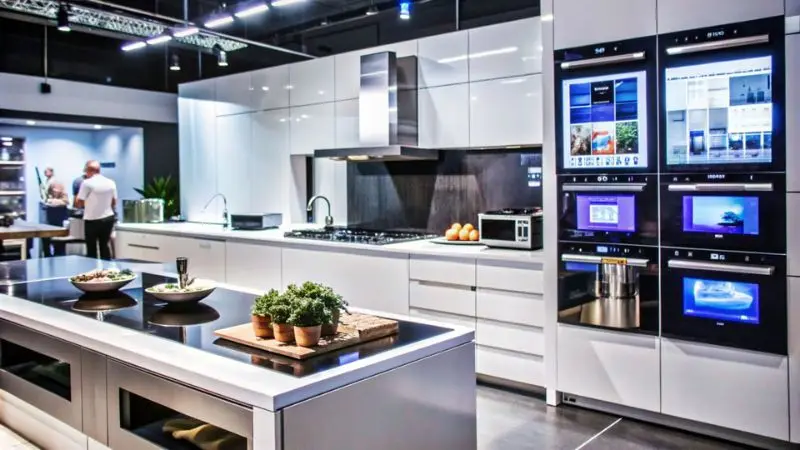
An open kitchen layout connects the kitchen and dining area, letting guests see the cooking process. This open kitchen design for commercial use adds energy, trust, and transparency to your restaurant.
Why This Layout Stands Out
Open kitchens do more than just show off your skills—they build real connections with guests.
- Builds trust by showing clean spaces and fresh ingredients
- Turns cooking into a live show
- Makes staff proud and motivated
- Let your team and guests interact naturally
This layout adds value to your commercial kitchen design by turning everyday cooking into a unique guest experience.
What to Consider
While exciting, open kitchens come with some extra challenges. Everything is on display, so you need to plan with care.
- No room for mess or mistakes
- Sounds and smells reach the dining area
- Staff must stay calm, clean, and focused
- It may cost more for setup and ventilation
When you’re learning how to plan a commercial kitchen layout, remember that open kitchens require a team that can perform under pressure.
Who This Layout Fits
Choose this layout if your restaurant thrives on energy and connection. It’s great for pizzerias, grills, chef-led kitchens, or any place that values creativity and interaction. This style helps you stand out among other commercial kitchen layout ideas by making the cooking process part of the story. With this setup, your team becomes part of the guest experience, and your kitchen becomes the spotlight.
Ergonomic Kitchen Layout Overview
An ergonomic kitchen layout supports comfort and efficiency by reducing strain and extra movement. It places tools within reach, helping your team work faster and feel better—ideal for commercial kitchen layout ideas.
Why Ergonomics Matters
An ergonomic kitchen layout boosts both comfort and performance.
- Helps your team feel less tired after long shifts
- Keeps tools within easy reach
- Cuts down on injuries from awkward movements
- Lifts morale by showing you care about staff well-being
When you learn how to plan a commercial kitchen layout, keeping people in mind helps you build a kitchen that works smarter.
What to Keep in Mind
While this layout pays off in the long run, you need a thoughtful approach.
- It may cost more upfront due to special tools or features
- Takes time to plan based on how your team works
- Needs updates if your menu or team changes
Still, the return is worth it. You build a kitchen where the team works with energy and fewer aches, supporting a smooth commercial kitchen workflow layout.
Best Fit for Ergonomic Kitchens
If your staff works long hours or handles complex tasks, this layout is a great choice. It suits bakeries, fast-paced restaurants, or any place where comfort affects performance. When you include ergonomic design in your commercial kitchen layout ideas, you build a workplace that values both health and productivity. This is how you create a kitchen that lasts.
Circular Kitchen Layout Overview

You can bring energy and unity to your space with a circular kitchen layout. In this design, all main stations are arranged in a circle or oval. Your team stands around the center, moving smoothly from prep to cooking to plating. If you’re exploring commercial kitchen layout ideas, this layout adds both rhythm and teamwork to your kitchen.
Why Choose the Circular Layout
This layout isn’t just about shape—it’s about creating strong communication and smooth workflow.
- Team members can easily see and talk to each other
- Shorter distances between stations save time
- Food moves quickly and in the right order
- The setup boosts energy and a strong team vibe
It’s a great option for those wanting an open kitchen design for commercial use, especially when teamwork is key.
What to Consider Before You Choose
While it encourages collaboration, this design needs careful planning.
- You’ll need a large, open space to form the circle
- May require custom counters and built-in stations
- A poorly designed center can feel cramped
- Central cooking areas may need extra ventilation
This layout works best when each detail supports smooth movement and comfort, key parts of a smart commercial kitchen design.
Best Fit for Circular Layouts
If you want a kitchen where your team feels inspired and fully involved, this layout delivers. It’s great for high-end restaurants, chef-led kitchens, or spaces where collaboration is part of the brand. As you explore how to plan a commercial kitchen layout, consider the circular style to create a dynamic, connected space that brings out the best in your team.
Production Kitchen Layout Overview
A production kitchen layout supports high-volume cooking and packing in one space, using industrial equipment. It’s ideal for catering, meal prep, or busy restaurants needing speed, safety, and organization.
Why This Layout Works Well
If you often serve large crowds, this kitchen style gives you what you need.
- You can cook hundreds or even thousands of meals each day
- It helps lower food costs when you buy ingredients in bulk
- Food stays consistent because every step is planned
- You reduce rush-hour stress with early prep
With the right setup, this layout supports a smart commercial kitchen workflow that keeps your team on track.
Challenges to Plan For
While this layout is strong for output, it has some needs.
- It takes up a lot of space for prep and storage
- Energy bills may be higher due to big equipment
- You must follow strict food safety rules every day
- It’s harder to change your menu quickly
If you’re learning how to plan a commercial kitchen layout, know that a production kitchen takes careful setup and planning.
Best Use of the Production Layout
Choose this layout if your goal is to serve many people without losing quality. It works best for businesses like catering companies, meal prep services, or restaurants that prepare food ahead of time. It supports a clear commercial kitchen design with tools and stations ready for action. A strong production kitchen helps you scale your service and stay consistent.
Commissary Kitchen Layout Overview
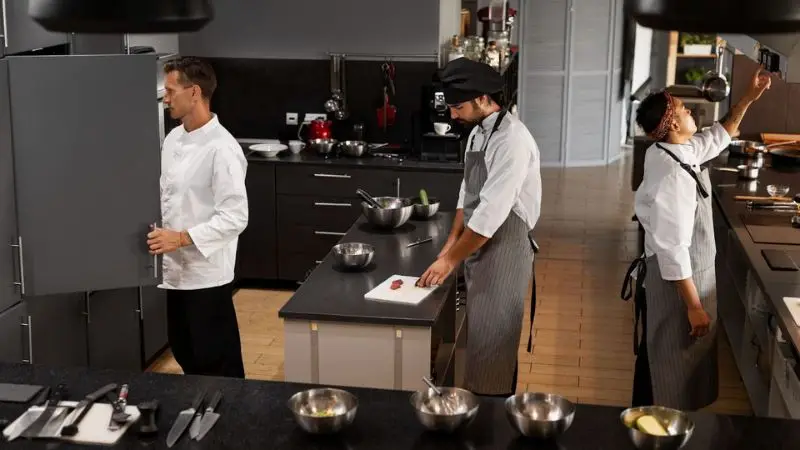
A commissary kitchen is a shared, rented cooking space that helps small food businesses grow without high costs. It offers commercial tools and flexibility, making it perfect for testing or expanding.
Why This Layout Works Well
This style gives you great support without a big budget.
- You save money because you don’t have to build a kitchen
- You use tools you may not afford on your own
- You pick your work time, day or night
- You connect with other food business owners
If you’re exploring how to plan a commercial kitchen layout, a commissary kitchen lets you work smart while avoiding high startup costs. It’s a clever way to build a strong base.
Challenges to Plan For
While helpful, this layout isn’t perfect for everyone.
- You share tools and space, which means waiting sometimes
- You follow the rules from the kitchen owner or management
- You have less privacy since others are around
- You may need to travel, depending on the kitchen location
For a smooth commercial kitchen workflow layout, plan your schedule and space early. The right plan keeps your work on track and stress-free.
Best Use of the Commissary Layout
This layout is perfect for food businesses that are just starting or don’t want to invest in a full kitchen. It works best for food trucks, pop-up chefs, catering services, and small product makers. If you want to grow your brand without big risks, this setup gives you room to try and learn. A commissary setup is a practical part of smart commercial kitchen design because it gives access, support, and freedom all in one place.
Hybrid Kitchen Layout Overview
A hybrid kitchen layout gives you the freedom to mix different styles to match your exact needs. You don’t have to stick to just one type. You might use an assembly line setup for quick meals, add zones for special prep, or include a galley section for tight areas. It’s perfect for anyone exploring commercial kitchen layout ideas that combine speed, creativity, and space-saving solutions—all in one smart setup.
Why Hybrid Layouts Work
This layout gives you the best parts of every other design.
- You can boost speed like an assembly line, but still keep custom zones
- Your kitchen layout adapts if your menu or services change
- You use your space wisely, giving each corner a job
- You make a unique setup that matches how your team works
The commercial kitchen workflow layout becomes smooth because you create it around your real tasks. It’s a layout that grows with you.
Things to Watch Out For
Because this layout mixes styles, it needs careful planning.
- Without clear zones, things can get confusing
- Custom setups often cost more in the beginning
- You must teach your team how to use the space well
- Equipment needs to be placed with care to avoid slowdowns
If you want to know how to plan a commercial kitchen layout, this one works—but only if you sketch it out first. A clear plan helps avoid problems down the line.
Best Use of the Hybrid Layout
This style works best if your restaurant changes often or offers creative meals. Fusion kitchens, seasonal menus, and unique food concepts all benefit from this flexible setup. It’s also a great choice if your space is tricky or uneven. When used well, a hybrid setup becomes a powerful example of thoughtful commercial kitchen design. You support your team, your menu, and your future—all in one space.
Commercial Kitchen Layout Ideas: Design Tips
To make your kitchen run well, the design must do more than just look good. It should support how your team works and moves every day. Whether you’re building a new space or updating an old one, these commercial kitchen layout ideas help you build a kitchen that feels organized, safe, and ready for anything.
- Smart Workflow: Plan a kitchen layout that allows food to move seamlessly from one step to the next, minimizing delays and crosswork. Keep paths clear and stations close for efficiency.
- Safety First: Prioritize non-slip floors, good lighting, and clear emergency exits. Ensure sharp tools are stored safely and hot surfaces are away from walkways to protect both staff and guests.
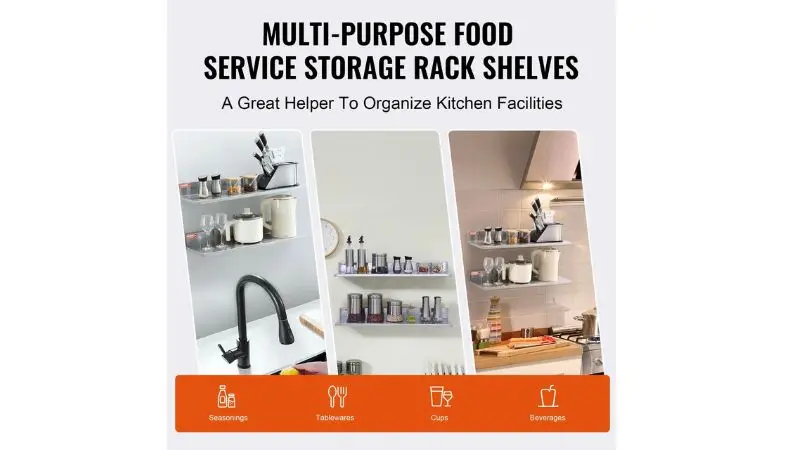
- Making the Most of Your Space: Utilize shelves, hooks, and smart storage to maximize space. Keep heavy items at waist height to avoid injuries and make the most of every corner.
- Ergonomics in the Kitchen: Incorporate adjustable counters and anti-fatigue mats to reduce strain on the body. Place frequently used tools within easy reach to promote comfort and prevent injuries.
- Flexibility for Growth: Design your kitchen with movable carts and versatile equipment. This allows for future menu changes, team growth, and quick adaptations to busy nights or special events.
When selecting a restaurant kitchen layout, align it with your food and service style to enhance workflow. Plan for future growth with flexible designs, and consult professionals for efficiency, safety, and cost-effectiveness. Don’t forget to consider the basic restaurant kitchen equipment you’ll need, such as ovens, refrigerators, and prep tables, to ensure a fully functional space.
Conclusion
The right restaurant kitchen layout is crucial for ensuring smooth operations, efficiency, and growth. By understanding your specific needs, planning for future expansion, and seeking expert advice, you can create a space that supports both your team and your menu. Whether it’s optimizing workflow, ensuring safety, or maximizing storage, every decision impacts your kitchen’s performance.
With the right commercial kitchen layout ideas, you can reduce errors, save time, and keep your staff motivated. Ultimately, a well-thought-out kitchen layout not only improves day-to-day operations but also sets the foundation for future success and growth in your restaurant.
FAQ
1. What is the most important thing to consider when choosing a kitchen layout?
You want your team to move easily and safely. Focus on workflow first. A smart layout helps you serve great food fast. You build a kitchen where everyone feels confident and ready to succeed.
2. How can I make a small kitchen feel bigger?
Use shelves and hooks to keep counters clear. Choose equipment that fits your space. Bright lights and light colors help, too. You can create a kitchen that feels open and welcoming, no matter the size.
3. Can I change my kitchen layout later?
Yes! You can update your kitchen as your business grows. Pick movable equipment and flexible storage. When you plan for change, you stay ready for new ideas and bigger dreams.
4. How do I keep my kitchen safe for staff?
You keep walkways clear and floors dry. Store sharp tools safely. Use non-slip mats and good lighting. When you care for your team’s safety, you build trust and inspire everyone to do their best.
5. What layout works best for a changing menu?
A hybrid or zone-style layout gives you flexibility. You can add new stations or change zones as your menu grows. You stay creative and ready for anything.