You need a comprehensive commercial kitchen equipment checklist for 2025 if you want your food business to operate efficiently. The right kitchen equipment, such as an electric grain grinder, helps you work more efficiently and follow safety guidelines. Good equipment also keeps your team safe and ensures your food tastes great. You save time, stop expensive mistakes, and follow the rules.
In this article, you’ll find a commercial kitchen equipment checklist that will help you select the best tools for starting a new restaurant or improving your existing kitchen.
Commercial Kitchen Equipment Checklist

Cooking Equipment
Having the right cooking equipment helps your kitchen work well. Here are the essential items for 2025:
- Commercial ovens: These machines are used to bake, roast, and broil food. They cook food quickly and ensure it is evenly cooked.
- Ranges: You can choose between gas and electric types. They let you boil and simmer food easily.
- Griddles: You can cook pancakes, burgers, and eggs quickly. Griddles heat up quickly.
- Deep fryers: You can fry chicken, fries, and other foods. They use less oil and heat up fast.
- Induction cooktops: These save energy and are safe to use. Induction cooktops heat only the pan, not the air.
Storage and Refrigeration
Good storage and refrigeration keep your food fresh and safe to eat. Here is what you should have:
- Commercial refrigerators: These units keep dairy products, produce, and meats cold. They run all day and last a long time.
- Commercial freezers: These keep frozen foods safe and ready to use.
- Undercounter refrigerators: They fit under your prep tables for easy use.
- Walk-in coolers: Walk-ins store lots of food at once. They provide space for large orders.
- Food storage containers: These help you organize your kitchen and stop waste.
Food Prep Tools
Food prep tools help you work faster and safer. You need these main tools:
- Food processors: These chop, slice, and shred food fast. Food processors save you time.
- Mixers: Mixers blend dough and sauces. Stand mixers can handle considerable amounts easily.
- Blenders: Blenders make smoothies, soups, and sauces smooth. They crush ice and tough foods.
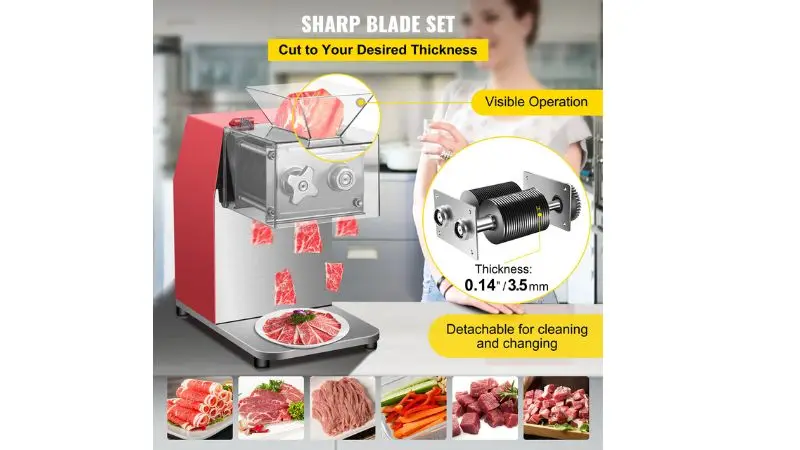
- Slicers: Slicers cut meats and cheeses evenly. They help you serve the same size every time.
- Food prep equipment: You need cutting boards, knives, and measuring tools.
Dishwashing Equipment
Clean dishes keep your kitchen safe and customers happy. Here is what you need:
- Dishwashers: These wash plates, glasses, and utensils fast. They use less water and clean well.
- Glass washers: These devices clean glassware without breaking it.
- Pot & pan washers: These clean big pots and pans easily. Heavy-duty dishwashers save you time.
- Three-compartment sinks: You wash, rinse, and sanitize by hand in these sinks. Health regulations often require these sinks.
Safety Equipment
Safety is very important in every kitchen. Make sure you have these items:
- Fire suppression systems: These protect people and property from grease fires. They work fast and follow the rules.
- First aid kits: You treat cuts and burns right away. Keep kits full and easily accessible.
- Non-slip mats: These stop slips and falls. Put mats near sinks and cooking equipment.
- Gloves and aprons: These protect hands and clothing. Use gloves for prep and aprons for cooking.
Smart Technology
Innovative technology helps your kitchen work better and stay connected. Here is what is popular for 2025:
- Smart refrigerators: These devices track temperatures and send alerts if a problem occurs.
- Automated cooking appliances: You can set recipes and let the machines do the cooking. These cooking appliances save time and lower mistakes.
- Inventory management systems: These track food storage containers and supplies with apps.
- Remote monitoring tools: You check your restaurant equipment from your phone. Get alerts for repairs or maintenance.
Essential Restaurant Equipment Checklist Categories
Ovens and Ranges
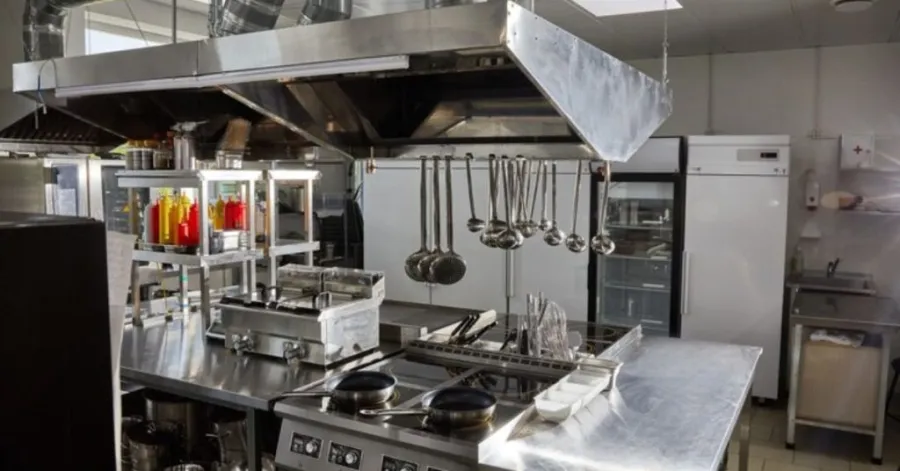
You need ovens and ranges for almost every type of cooking. Ovens bake, roast, and broil food. Ranges let you boil, sauté, and simmer. Many kitchens utilize commercial ovens, and industrial kitchen equipment checklists include ranges because they handle large orders and operate continuously throughout the day.
If you want to cook multiple dishes at once, look for ranges and stovetops that heat up quickly and maintain their temperature. These pieces of commercial cooking equipment help you serve food quickly and maintain optimal flavors.
Grills and Fryers
Grills are the central part of the commercial kitchen equipment list. Grills and griddles add that tasty, grilled flavor to your food. You can use them for burgers, sandwiches, or breakfast foods. Deep fryers make crispy fries, chicken, and a variety of other foods.
Modern deep fryers heat up fast and use less oil, which saves money. You need this restaurant equipment if you want to offer fried or grilled menu items. Grills and griddles also help you cook large batches at once.
Mixers and Blenders
Mixers and blenders help you prepare dough, batter, sauces, and drinks. Commercial mixers are well-suited for making bread, pizza, or cake. You can use them for heavy mixing jobs that home mixers cannot handle. Blenders crush ice and blend soups or smoothies. This cooking equipment saves you time and gives you smooth, even results.
Food Processors and Slicers
Food processors chop, slice, and shred ingredients in seconds. Slicers cut meats and cheeses into perfect pieces. You need this restaurant equipment to speed up prep work and maintain consistent portions. Food processors also help you make sauces or dips quickly. Slicers keep your sandwiches and salads looking neat.
Prep Tables and Utensils
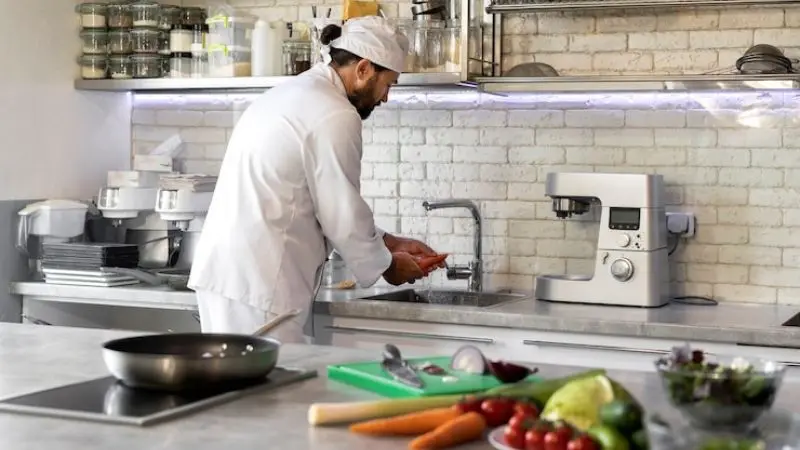
Prep tables give you space to work and keep things organized. You can use cutting boards, knives, and measuring cups on these tables. Good prep tables make your kitchen safer and cleaner. This cooking equipment helps you move from one task to another without wasting time.
Dishwashers and Sinks
Clean dishes matter in every kitchen. Dishwashers wash plates, glasses, and utensils fast. You need three-compartment sinks to wash, rinse, and sanitize by hand. This restaurant equipment ensures your kitchen’s safety and compliance with health regulations. Clean tools and dishes help you serve safe food every day.
Storage Solutions
Storage solutions keep your ingredients fresh and your kitchen tidy. You need shelves, food storage containers, and commercial refrigerators. These items help you find what you need fast and stop food from spoiling. Good storage also makes it easier to follow food safety rules.
How to Select the Best Commercial Kitchen Equipment
Menu and Cuisine Needs
Start by thinking about your menu. What dishes do you want to serve? Your equipment should match your food style. If you plan to offer pizza, you need a pizza oven. For smoothies, you need a strong blender. Some foods need special tools. Always choose equipment that helps you make your best dishes. This step keeps your kitchen focused and efficient.
Space and Layout
Your kitchen layout matters a lot. Measure your space before you buy anything. Place the equipment where your team can reach it fast. A well-designed kitchen layout helps you move safely and work more efficiently. You want to avoid crowding. Choose compact or stackable equipment if your kitchen is small.
Energy-efficient equipment often comes in space-saving designs, which helps you fit more into tight spots. You can make a simple map of your kitchen. Mark the location of each piece of equipment. Ensure that there is sufficient space for people to walk and work.
Budget and Energy Use
Set a budget before you shop. Look for energy-efficient commercial kitchen essentials to reduce your energy costs. Energy-efficient models use less power and have a longer lifespan.
These models may be more expensive initially, but you will save money over time. Many energy-efficient models also help you follow sustainable practices. Check for rebates or discounts on energy-efficient equipment in your area.
Compliance and Safety
You must follow health and safety rules. Check local codes before you buy equipment. Some places require certain safety features. Fire suppression systems and non-slip mats keep your team safe.
Choose equipment that meets safety standards. Energy-efficient equipment often meets the latest safety standards as well. This step protects your business and your staff.
Storage and Refrigeration Trends
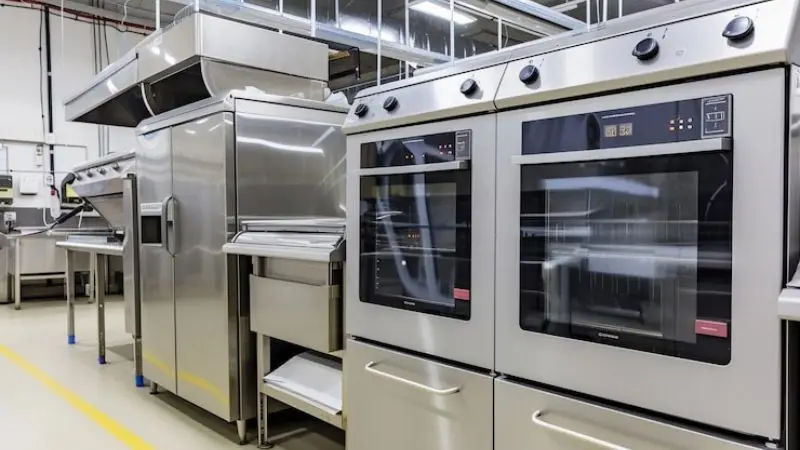
Do you want your kitchen to be its best? Storage ideas and refrigeration have undergone significant changes recently. In 2025, new trends will help your kitchen work smarter and safer. Here are the top storage and refrigeration trends you should know:
Smart Monitoring
Smart refrigerators and freezers now track temperatures for you. They send alerts to your phone if there is a problem. You do not have to guess if your food is safe.
Energy Efficiency
New models use less energy, saving you money. Look for ENERGY STAR® labels on these units. They have better insulation and LED lights. You help the planet and save money too.
Modular orange
Modular shelves and stackable containers allow you to change your setup quickly. You can add or move shelves when you get new supplies. This keeps your kitchen neat and easy to use.
Touchless Technology
Some new refrigerators have doors that you do not need to touch. You wave your hand, and the door opens. This keeps germs off the handles and helps you stay clean.
Improved Food Safety
Some storage units now have UV lights inside. These lights kill germs and keep food fresh longer. You waste less food and feel safer.
| Trend | Benefit | Why It Matters |
| Smart Monitoring | Real-time alerts | Prevents spoilage |
| Energy Efficiency | Lower bills | Saves money, eco-friendly |
| Modular Storage | Flexible organization | Adapts to your needs |
| Touchless Technology | Fewer germs | Boosts kitchen hygiene |
| UV Food Safety | Longer freshness | Reduces waste |
You do not need to upgrade everything right away. Start with one or two trends that fit your kitchen. Even small changes can help you store and protect your food better.
Restaurant Equipment Innovations
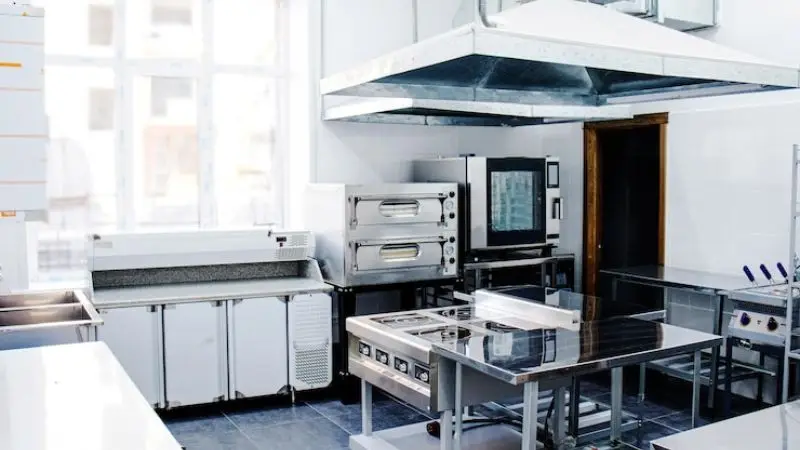
You want your kitchen to stand out, right? New restaurant equipment in 2025 can help you do just that. Many of these innovations make your work easier, save you money, and help you serve better food. Let’s explore some of the most fabulous upgrades you can bring to your kitchen.
1. Automated Cooking Stations
You can now use machines that cook full meals with just a few taps. These stations follow recipes, stir the food, and even plate it. You get the same great taste every time. Your team can focus on other tasks while the machine handles the cooking.
2. Touchscreen Controls
Forget about old knobs and dials. Many ovens, fryers, and refrigerators now have big touchscreens. You can set timers, change temperatures, and even save your favorite settings. This makes training new staff much easier.
3. Connected Equipment
Innovative kitchen tools talk to each other using Wi-Fi or Bluetooth. You can check the status of your fridge or oven from your phone. If something goes wrong, you receive an alert immediately. This helps you identify and fix problems before they become significant.
4. Eco-Friendly Designs
Manufacturers now make equipment that uses less water and energy. Some dishwashers recycle water. Many fryers filter oil, so you use less. These changes help you save money and protect the planet.
| Innovation | How It Helps You |
| Automated Cooking | Saves time, boosts consistency |
| Touchscreen Controls | Easy to use, quick training |
| Connected Equipment | Remote monitoring, fast alerts |
| Eco-Friendly Designs | Lower bills, greener kitchen |
You do not need every new gadget. Select the options that fit your menu and budget. Small changes can make a big difference in your kitchen’s success.
Maintenance Tips

Keeping your kitchen equipment in top shape helps you avoid breakdowns and costly repairs. You want your kitchen to run smoothly every day. Here are some easy tips to help you take care of your tools and machines.
1. Clean Equipment Daily
Wipe down surfaces, handles, and buttons after each shift. Remove crumbs and spills right away. This prevents grease and dirt from accumulating. Clean ovens, grills, and fryers at the end of each day. Your food will taste better, and your equipment will last longer.
2. Check for Wear and Tear
Look for loose screws, frayed cords, or broken parts. If you spot a problem, fix it fast. Minor issues can escalate into significant problems if left unaddressed. Keep a simple logbook to track repairs and replacements.
3. Follow the Manufacturer’s Instructions
Every piece of equipment comes with a manual. Read it! The manual provides instructions on how to clean, use, and maintain your machine. Stick to the recommended cleaning products and schedules.
4. Schedule Regular Deep Cleans
Plan a deep clean every week or month. Disassemble slicers, mixers, and blenders to clean hard-to-reach areas. Wash filters and vents on ovens and fryers. This keeps everything running safely.
5. Keep a Maintenance Calendar
Use a calendar or app to remind you about filter changes, oil checks, and inspections. Here’s a simple example:
| Task | How Often |
| Clean fryer filters | Weekly |
| Check fridge temps | Daily |
| Sharpen knives | Monthly |
| Inspect cords | Monthly |
Taking care of your equipment saves you money and keeps your kitchen safe. A little effort each day goes a long way!
Conclusion
You want your kitchen to run smoothly, stay safe, and make money. A complete equipment checklist helps you do all three. Pick the right tools for your menu and space. Stay on top of new trends and keep your machines clean. When you care for your equipment, your team works better, and your food always shines.
FAQ
1. What is the most essential piece of commercial kitchen equipment?
You need a good oven or range. This equipment allows you to cook a wide variety of foods. If you choose a strong, reliable model, your kitchen will run more efficiently every day.
2. How often should I clean my kitchen equipment?
You should clean most equipment every day. Wipe down surfaces after each shift—deep clean machines like slicers and fryers every week. Clean tools last longer and keep your food safe.
3. Do I need innovative technology in my kitchen?
Innovative technology helps you save time and avoid mistakes. You get alerts for problems and can track food safety. If you want to work faster and safer, try adding one innovative tool.
4. How can I save money on new equipment?
Look for energy-efficient models. These use less power and water. Check for rebates or discounts in your area. Used equipment in good shape can also save you money.
5. What safety equipment should every kitchen be equipped with?
You need fire suppression systems, first aid kits, non-slip mats, and gloves. These items protect your team and help you follow safety rules. Never skip safety gear in your kitchen.