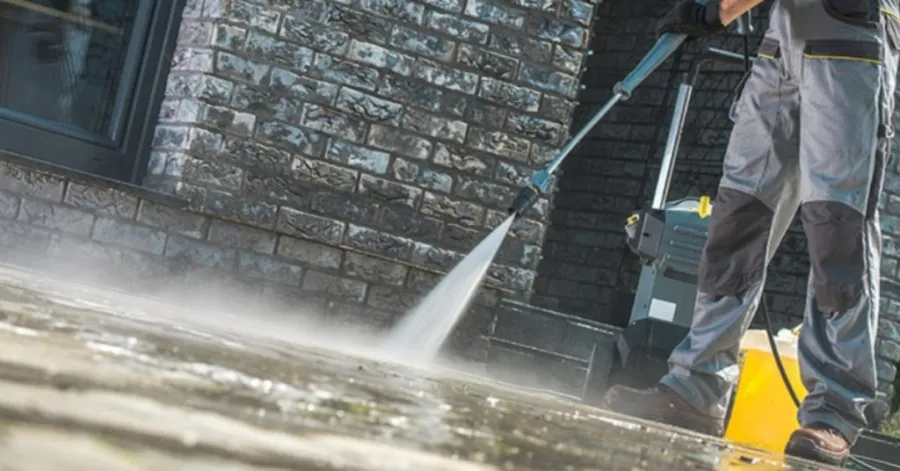
The concrete surfaces are exposed to dirt, oil, grease, mold, mildew, and weather daily, so they appear dull and worn over time. Fortunately, pressure-washing concrete is among the quickest and most efficient methods for restoring driveways, patios, sidewalks, and other outdoor surfaces. The correct way of cleaning concrete using a pressure washer can enable you to remove the difficult stains while avoiding damage to the surface. This manual will inform you about the equipment you require, preparation, proper cleaning and stain removal, and maintenance schedules to help you produce professional-looking results with confidence and keep your concrete presentable at all times.
Table of Contents
What You Need Before Cleaning Concrete with a Pressure Washer
Before you start, ensure you have the right equipment and supplies. The right tools will help you clean more quickly and avoid unnecessary damage to the concrete surface. When cleaning concrete with a pressure washer, a small preparation also ensures it is much safer and more efficient.
Whether it’s a patio, sidewalk, or pressure-washing a concrete driveway, selecting the right pressure washer and accessories will deliver better results and fewer man-hours.
Recommended For Your Project
Choose the Right Pressure Washer for Concrete Cleaning
The initial step in cleaning concrete with a pressure washer is to select the appropriate machine. Concrete is a hard surface, and applying too little pressure will leave some dirt behind, whereas too much pressure can damage aged or cracked concrete. The majority of residential projects can be cleaned with a pressure washer rated at 2,500-3,500 PSI and a flow rate of at least 2.5 GPM. When cleaning large driveways or very dirty, stained areas, a gas-powered model will most likely produce better results than a small electric one. The most suitable pressure washer for cleaning concrete must also accommodate various spray nozzles or surface cleaner attachments to clean more quickly and evenly.
https://www.tiktok.com/@beasleysfamily/video/7384790135579184427
Gather the Right Cleaning Equipment and Safety Gear
The right gear is in place before cleaning begins, making the whole process easier and safer. In addition to your pressure washer, there should be a surface cleaner attachment, an extension wand, a garden hose, a stiff-bristled brush, and the corresponding spray nozzles. These accessories are efficient at cleaning and at obtaining extensive coverage of the concrete. Safety equipment is also essential, as high-pressure water can cause severe injuries. Wear gas-powered machine safety glasses, waterproof gloves, heavy footwear, and hearing protection. Good preparation will help you work with confidence and adhere to vital pressure washer concrete-cleaning guidelines to achieve a safe and effective outcome.
Do You Need a Concrete Cleaning Detergent?
Concrete cleaning detergent is not required, but it can be very helpful for oil, grease, mold, mildew, and deep stains. Loose dirt is removed only with water pressure, and a good detergent dissolves the hard-to-clean dirt and then flushes it away. This makes cleaning concrete stains with a pressure washer much easier and reduces the required pressure. Always use a cleaner specifically designed for concrete and dilute it according to the manufacturer’s instructions. Give the detergent some time to soak, then wash, but do not dry it, as it may make it less effective at cleaning.
How to Prepare Concrete Before Pressure Washing
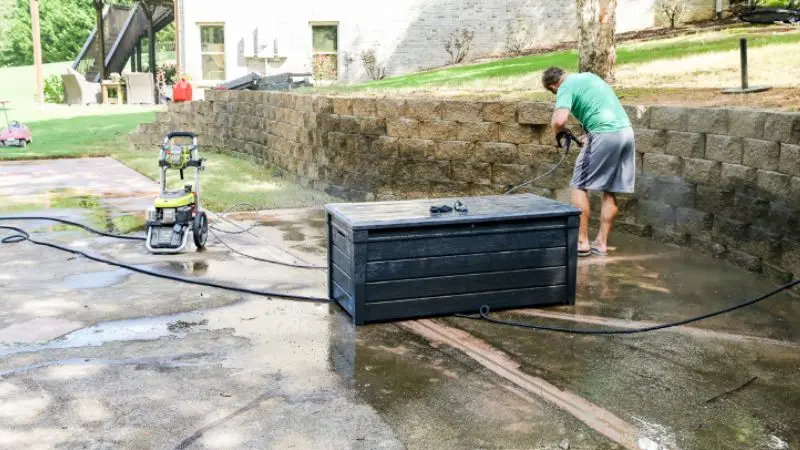
Before washing, it is equally important to prepare the surface. Proper preparation will assist the pressure washer in doing a better job of cleaning the dirt and eliminate the chances of uneven cleaning or damaging the surface.
Your performance will be better when you take a couple of extra minutes prior to starting, and cleaning with a pressure washer will be much easier. It also aids in the process of getting rid of stubborn stains more effectively and helps to keep surrounding areas safe.
Remove Loose Dirt and Debris First
This is a step to be followed before you begin to clean concrete using a pressure washer: remove all loose dirt, leaves, twigs, grass clippings, and small stones. Attack the entire area with a firm broom or a leaf blower to remove any trash that could disrupt the cleaning process. This is a simple measure that ensures the water spray hits the concrete rather than propelling loose material around. Be careful of corners, expansion joints, and cracks where dirt frequently gathers. Removing surface debris will also help prevent clogged drains and provide a more uniform finish when pressure washing a concrete driveway, patios, and walkways.
Protect Nearby Plants, Furniture, and Walls
Cleaning detergents and high-pressure water can damage surrounding landscaping and outdoor objects if they are exposed. Before you start, move patio furniture, grills, decorations, and vehicles out of the work area. Wrap sensitive plants, flowers, and shrubs in plastic or a breathable material to protect them from overspray and cleaning agents. When your concrete is adjacent to painted walls, wooden fences, or windows, have those surfaces covered, too. These precautions will ensure that your property is not at risk and that you are adhering to significant pressure washer concrete cleaning guidelines, and can concentrate on ensuring that you create a smooth, professional appearance of the cleaning.
Pre-Treat Oil, Grease, and Rust Stains
Deep stains usually require additional attention prior to commencing pressure washing. Concrete can absorb oil, grease, rust, and tire marks, and these are hard to clean with water pressure alone. Use a concrete-safe stain remover or degreaser on the areas that are affected and leave it to dry as per the product instructions. On unresponsive spots, wash with a hard-bristled brush, then rinse. This pre-treatment softens the contaminants, and it becomes easier to remove stains from concrete using a pressure washer. The correct stain preparation also saves time on cleaning and produces better and more evenly spread results on the entire surface of the concrete.
How to Clean Concrete with a Pressure Washer
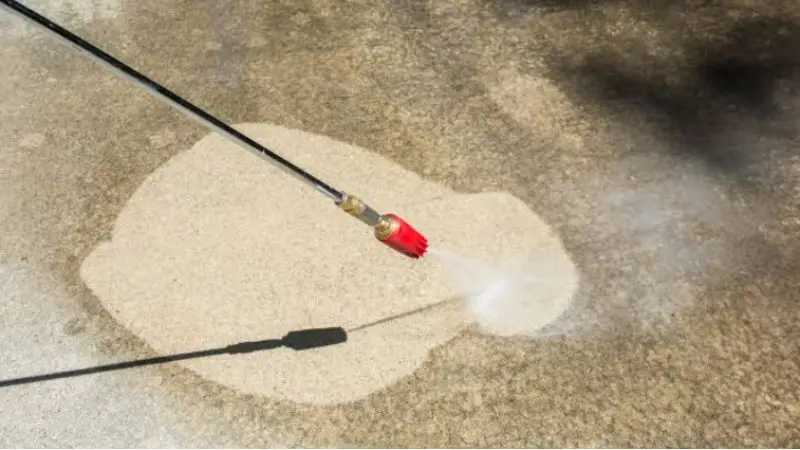
After preparing the surface, the cleaning process can be started. When using the proper settings and maintaining a consistent cleaning pattern, it is possible to clean without causing unnecessary wear on the concrete.
When learning how to clean concrete with a pressure washer, you can follow each step thoroughly and have a cleaner and brighter surface, and the job is faster and more efficient.
Set the Correct Pressure and Spray Nozzle
Prior to switching on the machine, select the correct pressure level and nozzle to use in the job. Most concrete surfaces can withstand 2,500 to 3,500 PSI, but old or damaged concrete may require lower pressure to prevent chipping. An example of a good nozzle to use when cleaning the house in general is a 25-degree nozzle, as it delivers high cleaning power without concentrating much of the force in a single area. Check the pressure on a small section of the surface that is not visible, and then clean the whole surface. One of the most crucial tips in cleaning a concrete pressure washer is using the appropriate settings, as it will help to eliminate dirt and avoid causing damages to the concrete that are not necessary.
Start Washing from One End
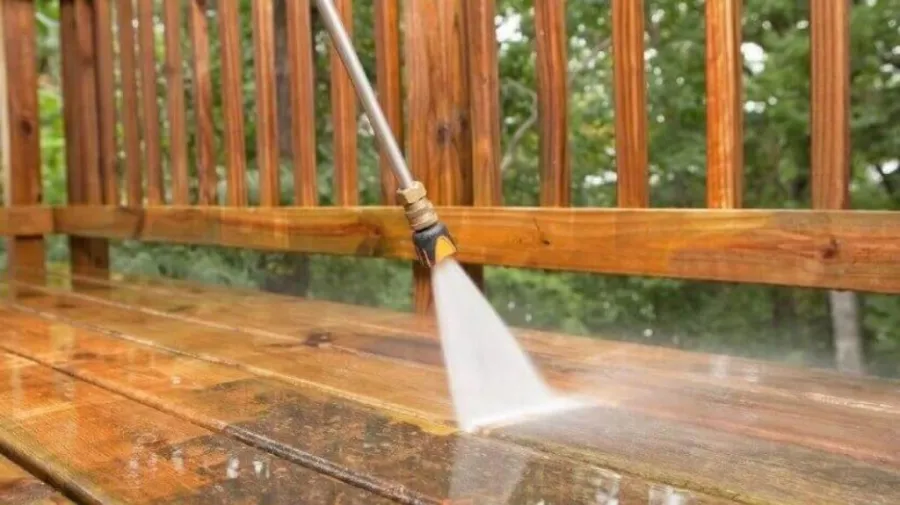
Start cleaning on the corner or side of the concrete and move to the other end. This will eliminate the risk of walking over freshly cleaned areas and ensure that each area receives equal consideration. Keep the spray wand approximately 8 to 12 inches above the surface, keeping the speed constant. Do not stay in one place too long with the spray since the concentrated spray may leave visible marks. Whether you are pressure washing a concrete driveway, sidewalks, or patios, it is better to work in a single direction to achieve a more uniform and professional appearance.
Clean Using Even, Overlapping Strokes
Move the spray wand in slow, controlled movements with slight overlaps between movements. An inch or two of overlap will prevent streaks and leave all parts of the area equally clean. It is important to maintain the nozzle height during the process to ensure that the final outcomes are not distorted. When you see that the dirt is not cleaned after the first stroke, do not add pressure, but clean the area again. This is a necessary procedure for cleaning concrete using a pressure washer, as it leaves a smooth look without spoiling the surface. Slowness is a far better result than being in a hurry to get the job over with.
Rinse the Entire Surface Thoroughly
Once dirt and stains have been removed, wet the entire concrete surface with clean water to rinse away any remaining debris and detergent, beginning at the top or at the farthest end, working toward the drainage area and allowing dirty water to flow naturally. Verify spots that have not been watered and re-rinse them. Do not disturb furniture or other vehicles until the concrete is completely dry. The final step of the process of cleaning concrete with a pressure washer is a good rinse, which leaves the surface clean, fresh, and without any residue that may attract new dirt.
How to Remove Tough Concrete Stains
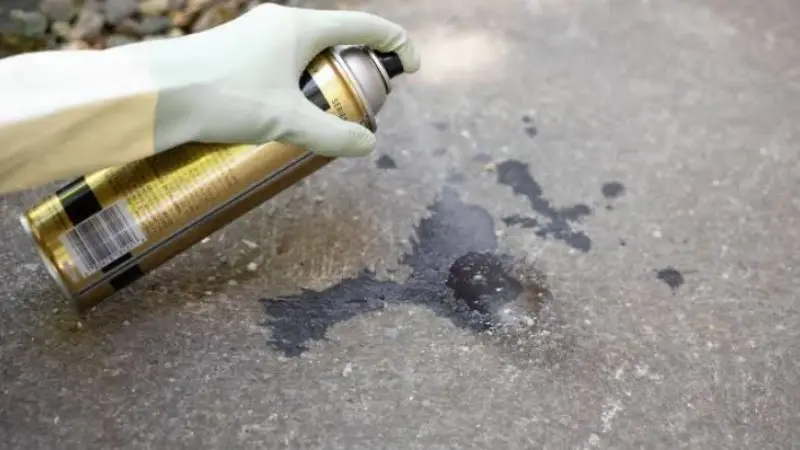
Certain stains may require higher-pressure washing because they are embedded in the concrete surface. Applying appropriate cleaning agents and methods will make it easy to remove dirty stains without ruining the surface.
Regardless of whether you are working with oil spills, mold, or rust, with a pressure washer, the stains on the concrete are much more likely to be removed with proper treatment, allowing you to restore the concrete to what it originally looked like.
Clean Oil and Grease Stains Effectively
Among the most frequent issues with concrete driveways and garage floors are oil and grease stains. Prior to pressure washing, place a concrete degreaser onto the stain and allow it to soak as per the product instructions. Clean the surface using a stiff-bristle brush to loosen the oil embedded in the concrete pores. Then spray the stain off with your pressure washer in steady overlapping strokes to wash out the stain completely. This process of degreasing and pressure washing is more effective in cleaning than water, and it can be used to clean up seriously stained concrete.
Remove Mold, Mildew, and Algae
Mold, mildew, and algae not only make concrete appear dirty but may also result in slippery surfaces, which put people at risk of falling. Use a cleaner that will help remove biological growth and leave it long enough to dissolve the accumulation. Rinse the treated area with a pressure wash in a constant motion until all visible growth is removed. Be more careful of stippled areas where moisture lingers longer. Frequent cleaning will keep these organisms away, make patios, walkways, and driveways appear cleaner, and increase the lifespan of the concrete.
Treat Rust and Paint Stains
The paint stains and rust can be quite difficult to remove using ordinary cleaning agents due to their deep attachment to concrete. Use a rust remover/paint remover that is concrete safe, leave it to work, then scrub the affected area. When the stain starts to loosen, spray it down with plenty of water from your pressure washer at moderate pressure. Excessive force should be avoided since it may cause damage to the older concrete without entirely removing the stain. The best opportunity of restoring the surface, and maintaining the finish, of a concrete surface, using a pressure washer, is to combine the appropriate cleaning solution with cleaning the concrete.
How Often Should You Pressure Wash Concrete?
Concrete can be maintained to be beautiful, secure, and durable with regular cleaning. The most optimal cleaning plan will be determined by the level of foot traffic, weather patterns, and the rate at which dirt, stains, or organic growth accumulate on the surface.
No one schedule fits all properties, but regular cleaning keeps the stubborn stains that appear on the concrete at bay and makes it easier to clean the concrete with the help of a pressure washer.
How Often to Pressure Wash Driveways
Driveways are subjected to vehicle traffic at all times, tire tracks, oil spills, dirt, and weather alterations. The majority of residential driveways have the advantage of having pressure washing on the concrete driveway at least once or twice a year to eliminate accumulated filth, as well as avoiding permanent staining. When your driveway is shaded, has a lot of traffic, or is, in most cases, covered with mud and leaves, you might have to clean it more frequently. Early mopping of fresh oil spills also minimizes the risk of deep stains forming. A routine cleaning program makes the driveway appear in good condition and prolongs the life of the concrete surface.
How Often to Clean Patios and Walkways
The walkways and patios typically need to be pressure washed at least once a year, but those areas that are near trees or are in constant moisture may have to be washed after six months. Over time, dirt, algae, mildew, pollen, and leaves may accumulate on these surfaces, rendering them slippery and unappealing. Frequent cleaning keeps hard-to-clean stains away and outdoor areas healthier for families and visitors. By adhering to pressure washer concrete cleaning tips, cleaning them before they get dirty will also save you the effort of cleaning them and allow you to maintain the look of your concrete.
How Often to Pressure Wash Commercial Concrete Surfaces
Commercial concrete surfaces are subjected to far more foot and vehicle traffic than residential ones. Dirt, chewing gum, grease, and other debris tend to accumulate much more quickly in parking lots, sidewalks, loading zones, and entryways. Monthly, quarterly, or seasonal cleaning of such areas may be necessary, depending on the nature of the business and the number of people who visit the places every day. Regular maintenance will not only enhance the property’s appearance but also minimize the risk of slips and help maintain a professional environment. The best pressure washer for cleaning concrete will help one manage large commercial spaces easily with the same level of cleaning output.
Wrap-Up
Pressure washing is another effective method for rejuvenating concrete and extending its lifespan. With the right preparation of the surface, the right pressure washer to use in cleaning concrete, the right pressure and cleaning methods, you are guaranteed to get the dirt, grease, mold, and hard-to-remove stains out of the concrete. Frequent repairs also minimize accumulation over time and ensure that the driveways, patios, and walkways remain clean year-round. Regardless of the size of the patio you are cleaning or the amount of work you are doing on a pressure washer, cleaning a concrete driveway, when you do it correctly, it will yield better results with less effort. The concrete surface is well maintained, thereby enhancing safety and the overall appearance of your property.
FAQs
Which is the most suitable PSI to clean concrete?
The majority of concrete surfaces can be washed with 2,500-3,500 PSI. The aged or worn-out concrete may need less pressure to avoid damage to the surface, and still be able to clean the dirt or stains.
Can I clean concrete without using detergent?
Yes, light dirt can often be removed with water alone. Nevertheless, a detergent is more effective for removing grease, mold, and oil from concrete with a pressure washer.
What is the duration taken by concrete after it is pressure washed to dry?
This process takes between 24 and 48 hours to dry, depending on the weather, humidity, sunlight, and airflow. Store cars and furniture off the surface until it is completely dry.
Can old concrete be pressure washed?
Yes, if done carefully. Apply less pressure, use a larger spray nozzle, and, to prevent damage to weak, cracked, or aging concrete surfaces, test a small area initially.