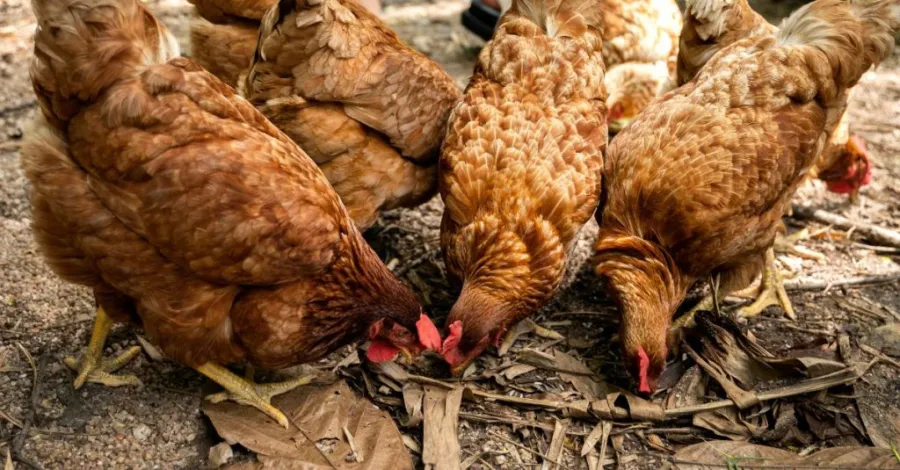
Hawks can be a serious danger to backyard chickens, often striking from above when you least expect it. Chicken protection from hawks doesn’t have to be complicated—a few smart steps can keep them safe. Use covered runs and sturdy wire mesh to block aerial attacks, and give your chickens natural cover like trees or shrubs to hide under.
Consider using safe animal protectors or hawk deterrents to scare them away without harm. Since hawks are protected by law, always stick to safe, legal methods. Stay alert whenever your chickens are outside, and you’ll greatly reduce the risk of hawk attacks.
Ways to Protect Chickens from Hawks
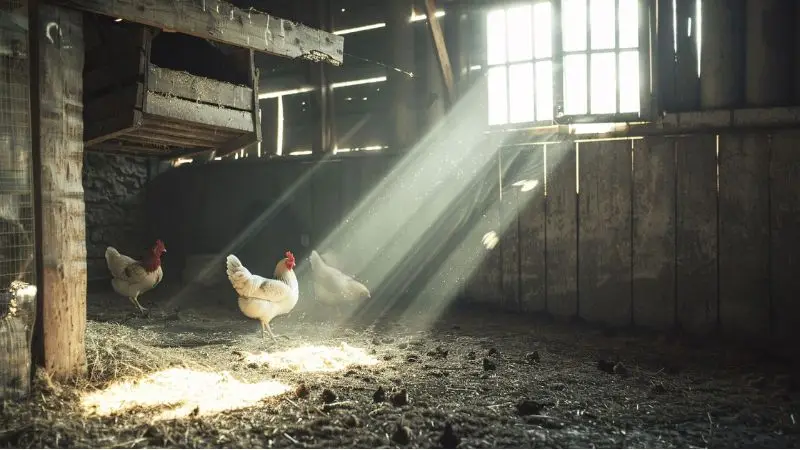
Defending your flock against aerial predators such as hawks requires preparation and consistency. You can mitigate the risk of being attacked by establishing secure cages and applying clever repellents. The most natural methods of keeping hawks off your chickens are to discourage predators in your yard and to keep your birds as safe as possible.
Covered Runs and Netting
Hawks prefer to swoop into open spaces, so covering your chicken run is one of the most effective hawk deterrents for chickens. Strong hawk netting can keep aerial predators from getting close while allowing sunlight and fresh air.
- Measure your chicken run and purchase enough hawk netting to cover it completely, with extra for securing the edges.
- Stretch the netting tightly overhead; sagging can trap birds or allow hawks to slip through.
- Attach it with zip ties, wire, or sturdy clips.
- Inspect weekly for holes or loose areas and repair immediately.
This simple step greatly improves chicken protection from hawks and other predators, including owls.
Hardware Cloth and Chicken Wire
Although chicken wire is popular, it is not sufficient to guard the chickens against hawks. Hardware cloth is more robust and sharper in opening, and the predators have difficulty getting in.
- Select hardware cloth with 1/2-inch openings or less.
- Wrap in it the coop and run sides—and even the top to add security.
- Fasten it with staples or screws (heavy duty) so no room is left between connections.
- Use a combination of hawk netting on the roof and hardware cloth on the sides as a safety precaution.
This mixture forms a permanent barrier and is a most effective method of deterring hawks without killing them.
Lockable Coops and Night Safety
Even though hawks hunt during the day, a secure coop is essential for protecting your flock at night from other predators. Strong locks and sturdy construction keep your chickens safe around the clock.
- Pick a coop with solid walls and a durable roof.
- Install secure latches—avoid simple hooks and opt for padlocks or carabiners.
- Cover vents and openings with hardware cloth instead of chicken wire.
- Close the coop each evening before dusk and reopen it in the morning.
By combining secure housing with effective hawk deterrents for chickens, you can maintain a safe, stress-free environment for your flock.
Natural Cover and Shelter
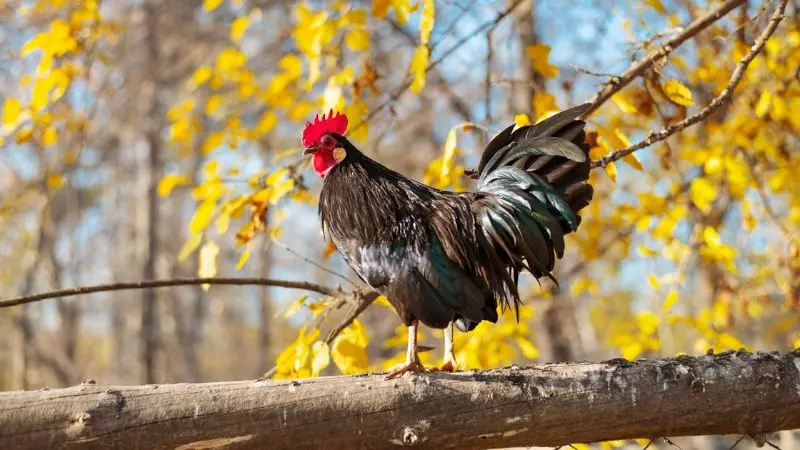
Another natural method of keeping chickens safe against hawks is to provide ample cover in your yard. Hawks like open space where they can easily dive upon, so by disrupting these spaces by planting trees, bushes, and shelters, you make your flock harder to see. These hiding places also make your birds feel safe and have a way to get away in a hurry.
Trees and Bushes
Planting trees and shrubs is an excellent form of chicken protection from hawks. Dense foliage gives chickens safe spaces to run when they sense danger.
- Plant fast-growing bushes like lilac, butterfly bush, or tall grasses for quick cover.
- If you already have trees, let some branches grow lower to create natural hiding areas.
- Position bushes close to the chicken run so your birds have immediate access to cover.
Natural vegetation not only protects chickens from hawks but also keeps their yard cooler and more inviting.
Duck and Cover Zones
Simple duck and cover shelters help when you need a temporary hawk deterrent for chickens in a pinch. They prevent air attacks, and, within seconds, they provide cover to chickens.
- Build a stack of cinder blocks and set a wooden board on top of them.
- Use bricks to create some sort of low shelter by propping up a piece of the plywood.
- Old dog crates with missing doors make fast hiding places.
Maintain them low down, within reach of hawks. Such fast shelters will save your day in case of an unexpected meeting with a hawk.
Shade Structures
Shade structures not only protect your chickens from the sun but also help protect chickens from hawks by breaking up open spaces.
- Use patio umbrellas, pop-up canopies, or tarps to create shaded hiding areas.
- Move them around to cover bare spots in the yard.
- Even a large beach umbrella can provide temporary cover.
By combining trees, bushes, and movable shelters, you make your chicken yard less inviting to hawks while giving your flock more comfort and safety.
Animal Protectors for Chicken Protection from Hawks
Adding animal protectors to your flock’s setup can be an effective way to keep predators at bay. Certain animals naturally defend chickens, sounding alarms and scaring away threats. While they work best alongside other hawk deterrents for chickens, they can greatly improve your flock’s safety.
Roosters and Geese
Roosters, as well as geese, can be used to guard chickens against the hawks. Roosters are instinctual protectors, tall, alert, and racing to protect the hens when the occasion arises. Geese are bold and have sharp eyesight, and thus they make good early warning indicators.
- The roosters will make an alarm noise and usually rush at the predator.
- To scare away hawks, geese resort to loud honks, extended necks, and flapping wings.
- Both animal species keep the flock in a more alert position during free-range time.
When you add a rooster or a goose, make sure that you leave enough space to ensure that your flock is not stressed out.
Guard Dogs
A properly trained livestock guardian dog can provide strong protection of chickens against hawks and other predators. Breeds such as the Great Pyrenees or Anatolian Shepherd are patient with poultry but readily respond to any threatening situations.
- Guards the yard and barks to keep hawks away before they can reach it.
- Trainable to remain with the flock during the day.
- Protects against various kinds of predators, not hawks alone.
Select a breed that is good at guarding, make it friendly towards your chickens, and monitor them initially to instill trust.
Pros and Cons of Animal Protectors
Animal protectors can offer constant vigilance, but each has unique traits. Roosters are low-cost defenders but can be noisy or aggressive toward other roosters. Geese scare hawks effectively but may be territorial. Guard dogs are versatile protectors, though they require training and may need larger spaces. By combining these animal guardians with other hawk deterrents for chickens, you create a layered defense that keeps your flock safer in the long term.
Visual and Auditory Ways to Keep Hawks Away
Hawks rely on their sharp eyesight and keen hearing when hunting. By creating a yard full of unexpected sights and sounds, you can make the area less appealing to them. These methods work best when paired with other hawk deterrents for chickens, helping to protect your flock from above.
Reflective Objects and Pinwheels
Shiny, moving items are an easy and inexpensive way to protect chickens from hawks. Hawks dislike sudden flashes of light, which can startle them and disrupt their hunting.
- Hang old CDs, pie pans, or strips of aluminum foil around the chicken yard.
- Use pinwheels near the run, where their spinning and shining will catch the light.
- Move reflective items every week so hawks don’t get used to them.
This method is simple but surprisingly effective, especially when combined with other chicken protection strategies.
Fake Owls and Umbrellas with Eyes
If you’ve ever wondered, do fake owls keep hawks away from chickens?—the answer is yes, at least for a while. Hawks naturally avoid larger predatory birds, so placing a fake owl in your yard can make them think twice.
- Put plastic owls on fence posts, coop roofs, or near free-range areas.
- Use umbrellas with large painted eyes for a creative deterrent.
- Change locations regularly to keep hawks guessing.
By mimicking a predator’s presence, you add another layer of chicken protection from hawks.
Noise Makers and Radios
Unfamiliar or loud sounds can make hawks nervous, encouraging them to stay away from your flock. These auditory deterrents are easy to set up and maintain.
- Hang wind chimes in breezy spots so they move often.
- Play an AM radio with talk or static during the day.
- Occasionally, bang pots or make noise when hawks are spotted nearby.
When combined with visual deterrents, these methods can create a multisensory barrier that helps keep your chickens safe from aerial predators.
Safe Feeding and Monitoring
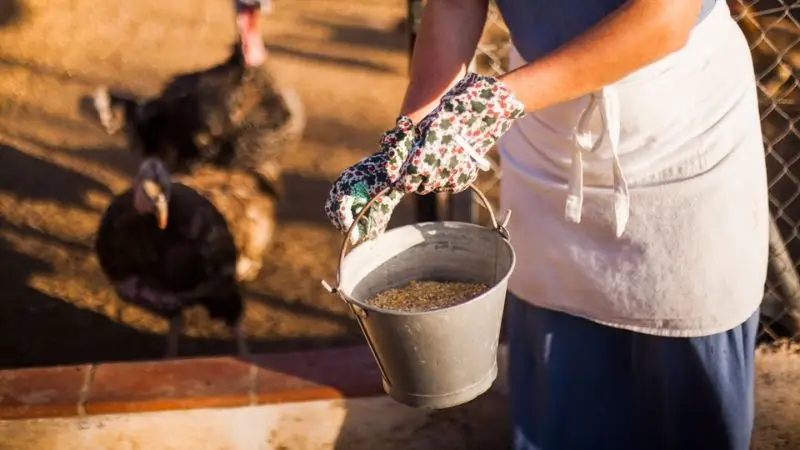
Chicken protection from hawks isn’t just about physical barriers—it also involves smart feeding habits and active monitoring. By making food areas safer and staying alert for predator activity, you can reduce risks and keep your flock secure throughout the day.
Covered Feeders
Open feeding areas make it easier for hawks to spot and target chickens. Using covered feeders helps protect chickens from hawks by shielding the food and limiting exposure. Choose feeders with roofs or lids, and position them under trees, shelters, or inside the run.
Cleaning them regularly keeps food fresh and healthy. For added safety, move feeders every few days so hawks cannot learn your flock’s routine. This small change makes a big difference in reducing aerial predator attacks and works well alongside other hawk deterrents for chickens.
Remove Attractants
Not eating all the food or leaving waste or spilled grain will attract rats, wild birds, and other small animals, giving still more attraction to the hawks. One of the most effective methods of protecting chickens against hawks is through the removal of attractants.
Make it a habit of cleaning leftovers at the end of each day; the feed should be in closed containers, and the space around the coop should be clean. Not only would a clean yard keep hawks away, but also other pests and predators. This small practice will enhance the general protection of chickens and assist in keeping a cleaner and safer chicken environment.
Observe the Hawk Activity
Active monitoring is one of the major elements of flock protection. When hawks are in flight, they will commonly circle around and then attack, and when chickens become alarmed, they will give warning shouts. You get to know your birds as you observe them during the free-range period; thus, you can get them safe in seconds.
Pay attention to the indicators, such as dead feathers on the ground or weird behavior of birds. Talking to neighbors can also help you monitor the presence of the hawk in the vicinity. By maintaining a simple log of what you see, you can observe patterns and then better prepare to keep hawks away by removing incentives and making potential attacks less likely to be successful.
Wrap Up
Chicken protection from hawks takes a mix of planning, smart habits, and consistent care. From covered runs and natural shelter to animal protectors and visual or sound deterrents, each step adds another layer of safety. Simple changes—like covered feeders, removing attractants, and watching for hawk activity—go a long way in keeping your birds secure.
The best ways to protect chickens from hawks naturally involve making your yard less inviting and giving your flock safe places to hide. With these strategies in place, you can enjoy peace of mind knowing your chickens are safer from aerial predators every day.
FAQ
Do hawks go through chicken wire?
Chicken wire holds chickens in chicken coops but not hawks. Hawks can reach with big holes or weak wire even break. Real protection needs to use hardware cloth having small openings.
Do fake owls even keep hawks at bay?
Fake owls work to a point, but hawks also get used to these too, unless they are ever moved. Rotate their location after a few days. Throw in such deterrents as the use of shiny objects or noise makers, which are more effective.
I wonder if my chickens will ever get used to hawks.
Chickens pick up on the habit of seeing the hawks. They can become quicker when it comes to running away, but they never feel free when there are hawks in the neighborhood. Shelters and netting still have to be used to protect them.
How will I be aware that a hawk is hunting my chickens?
Keep an eye out in case there are hawks circling in the air or on fences. Be alert to squealing chicken/cricking off. Feathers on the ground should be checked at once for weak spots in your coop and run.