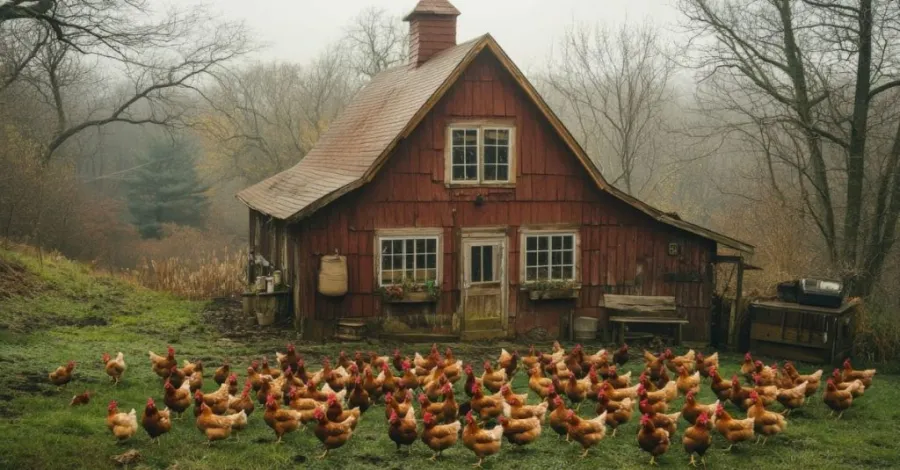
If you want your chickens to stay happy and healthy, choosing the right chicken house is very important. A good coop depends on many simple things. Think about how many chickens you have and the size they need. Consider the weather in your area and how the coop will protect them in hot or cold conditions. Cleaning should also be easy, so your flock stays healthy. Safety matters most, so look for ways to keep predators out. Each backyard chicken coop is different, but with clear steps, you can find the right one that fits your needs and goals.
Chicken Houses and the Right Flock Size
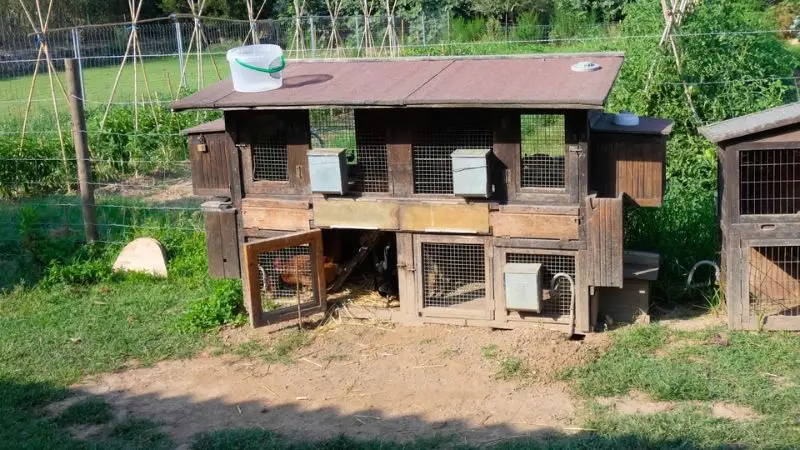
When setting up your chicken coop, the size of the flock plays a big role in choosing the right design. A well-sized coop helps chickens stay comfortable, healthy, and stress-free. Whether you are looking at affordable chicken houses for sale or learning how to build a chicken house step by step, you must plan the right space for your birds.
Chicken Coop Size Guidelines
Choosing the appropriate coop size is among the major choices that chicken keepers make. When purchasing the best chicken houses and backyard usage, also remember the size that your flock requires. The overall proportion is that 3 to 5 square feet within the coop is equal to every bird, and 8 to 10 square feet outside the coop in the run.
To take one example, six chickens would require 18-30 square feet indoors and 48-60 square feet outdoors. These guidelines on chicken coop size ensure there is no problem of congestion, stress, or health issues. Always measure your space- before purchasing or constructing your coop/ run to ensure that your coop and run accommodate your flock.
Planning for Flock Growth
A small flock is a common way to begin, but soon people desire additional chickens. When you select wooden chicken houses with small flocks, you should keep in mind that you might need more over time. Expansion planning is a cost and time-saver in the long run. Find chicken houses with running attached or coops with removable panels so that you can add them on to that as your grower population increases.
It is also possible to purchase a bigger coop than what you will currently require. Fighting, stress, and disease are some of the issues associated with overcrowding; therefore, planning in advance keeps the chickens healthy. Consider your future plans, such as chicken rearing or breeding.
Key Features of the Best Chicken Coops
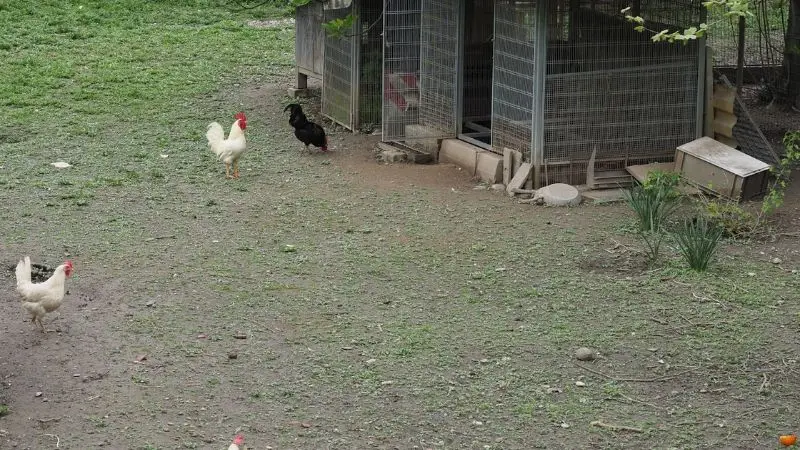
When looking for the best chicken houses for a backyard, you need more than just four walls and a roof. A good chicken coop keeps your flock safe, healthy, and comfortable. Whether you’re checking affordable chicken houses for sale or planning how to build a chicken house step by step, the following features are must-haves.
Predator-Proofing for Safety
Predators like raccoons, foxes, and even neighborhood dogs are always a threat. A safe coop is the first step in protecting your flock. Chicken wire keeps birds in but won’t keep predators out, so choose stronger materials.
Key tips for predator-proofing:
- Use hardware cloth with holes ½ inch or smaller.
- Install sturdy locks on every door and window.
- Bury wire mesh at least 12 inches underground around the run.
- Inspect your coop monthly for weak spots.
A safe coop ensures your flock feels secure every day, no matter the season.
Ventilation for Fresh Air
Fresh air is essential for chicken health. Good ventilation removes moisture, reduces ammonia, and prevents mold. Without it, chickens can develop respiratory problems.
Here’s how to add airflow:
- Place vents high near the roof, away from roosts.
- Add vents on opposite walls to create a cross-breeze.
- Keep vents open year-round, even in winter.
- Use screened windows for extra circulation.
If you see condensation or smell ammonia, your coop needs more airflow. Proper ventilation makes wooden chicken houses for small flocks safer and more comfortable.
Nesting Boxes and Roosts
Each flock must have snug nesting boxes and hard roosts. Nesting boxes provide a place in which hens can lay eggs, and roosts enable them to rest off the ground.
Basic guidelines:
- Give one nesting box for every 3-4 hens.
- Put boxes in a small dark corner.
- Use soft bedding such as shavings and straw.
- Put roosts above the nesting boxes.
Do not keep boxes below roosts because droppings will destroy eggs. These measures will keep your chickens in clean and secluded places where they can lay and rest.
Easy Cleaning for Health
A coop that’s easy to clean saves time and protects your flock from disease. Dirt and droppings attract pests, so regular cleaning is a must.
Cleaning features to look for:
- Wide doors that open fully.
- Removable trays under roosts for droppings.
- Smooth floors that are easy to sweep.
- Durable, moisture-resistant materials like sealed wood or plastic.
Weekly sweeping, monthly scrubbing of nesting boxes, and clean feeders keep your flock healthy and your yard smelling fresh.
Weather Protection All Year
Your coop should stand strong against heat, cold, rain, and wind. Durable materials protect your chickens and keep them comfortable.
Weather-proofing essentials:
- A sloped roof to let rain run off.
- Insulated walls in cold regions.
- Shade cloth or natural shade in summer.
- Secure windows for storms and strong winds.
Always follow chicken coop size guidelines when adding insulation or features. A well-protected coop keeps your flock safe in all seasons.
Common Mistakes to Avoid
Many chicken keepers make simple mistakes that hurt their flock’s health. Some use weak materials, others forget ventilation, and many build coops that are too small.
Avoid these mistakes:
- Don’t rely on chicken wire for predator control.
- Never skip proper airflow.
- Don’t crowd your flock—use space guidelines.
- Place nesting boxes away from roosts.
The best chicken houses with a run included combine safety, ventilation, easy cleaning, and weather protection. Focusing on these features ensures a happy, healthy flock.
Types of Chicken Houses
When you explore different options for chicken coops, you’ll find three main choices: pre-made chicken houses, DIY chicken coops, and custom backyard builds. Each option has pros and cons. Picking the right one depends on your budget, skills, and flock size. Whether you want affordable chicken houses for sale or dream of a custom design, knowing the differences helps you make the best decision.
Pre-Made Chicken Houses
Pre-made chicken houses are ready-to-use and perfect for beginners. They often include nesting boxes, roosts, and sometimes a small run. These are great if you need a quick setup.
Pros:
- Fast and simple installation
- Beginner-friendly
- Usually comes with instructions
Cons:
- Limited design options
- May use cheaper materials
- Sometimes too small for bigger flocks
Always check the size before buying. Even the best chicken houses for backyard need enough space for your flock and room for future growth.
DIY Chicken Coop
Building your own coop is a good choice if you like hands-on projects. A DIY chicken coop lets you design everything, from layout to materials. It can also save money if you reuse wood or metal.
Why choose DIY?
- Full control over design
- Can add extra predator-proofing
- Lower cost if you use recycled supplies
Comparing options:
- Customization: High in DIY, limited in pre-made
- Cost: DIY can be cheaper
- Skill: Requires basic tools and building knowledge
If you want to learn how to build a chicken house step by step, DIY is a great option. Just make sure your design supports easy cleaning and proper ventilation.
Change block type or style
Move Paragraph block from position 62 up to position 61
Move Paragraph block from position 62 down to position 63
Change text alignment
Displays
Custom Backyard Chicken Coop
A custom chicken house is built to fit your yard, style, and flock size perfectly. This option is more costly, but it gives you professional quality and advanced features.
Benefits:
- Strong and long-lasting construction
- Can include extras like automatic doors or solar lights
- Matches the look of your backyard
Custom designs are ideal if you want chicken houses with a run included or a stylish build that blends into your yard. While these cost more, they give your flock the best protection and comfort for years to come.
Set Up and Placement Tips for Chicken Houses
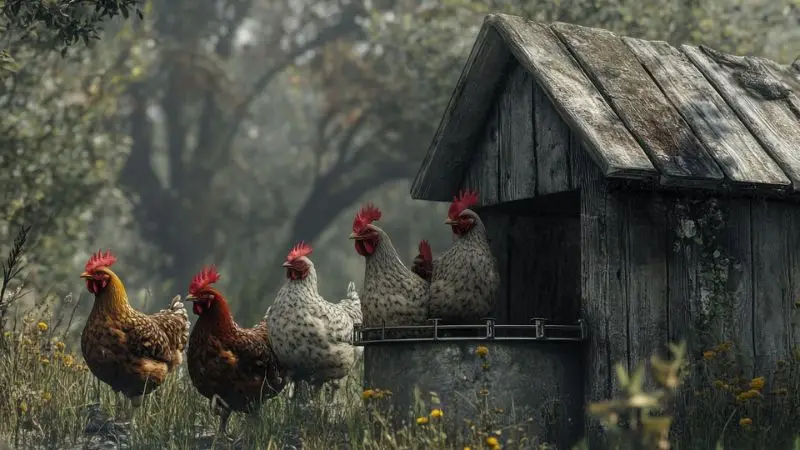
Where you place your coop is just as important as the design itself. A smart setup keeps your flock safe, comfortable, and productive. Whether you buy affordable chicken houses for sale or learn how to build a chicken house step by step, the right placement ensures success.
Location and Orientation
The correct location keeps your chickens out of the weather and the predators. It is preferable to choose a high ,dry area of your backyard so as to avoid water accumulation following a rainfall. Chickens are active and healthy when having morning sunlight and not overheated by afternoon shade.
Best practices:
- Install the coop in an elevated place.
- East or southeast with face doors, morning sun.
- Avoid huge trees in which predators can lurk.
- Ensure there is light and dark in the spot.
Move through your yard when you see things differently. Read where there are shadows and select a secure and comfortable location for the best chicken houses in the backyard installation.
Local Regulations
Always make sure your local rules are checked before you put up your coop. The cities and counties can pass a law on how many chickens you keep or the location of the coop. Adhering to the rules will not only have you pay a fine, but you will also have a secure flock.
Things to check:
- Allowances in your jurisdiction.
- Flock-size city or county limits.
- Close proximity of houses, fences, or property lines.
- Annual revision of the case guidelines in case of a change.
Staying across with the local laws will ensure that your chickens remain safe without inconveniencing your backyard set.
Electricity and Automation
Adding electricity gives your coop more convenience and improves flock care. Lights help hens lay eggs during short winter days, while heated waterers keep fresh water available in freezing temperatures. Automatic doors add extra predator protection.
Helpful features include:
- Lighting → keeps egg production steady in winter.
- Heated waterers → prevent frozen water.
- Automatic doors → close securely at night.
Always use weatherproof outlets and safe wiring to protect both you and your chickens. Start simple, then add new features as you learn what works best for your flock.
Maintenance and Common Mistakes in Chicken Houses
Taking care of your coop is just as important as setting it up. A clean and well-maintained coop keeps your flock healthy and stress-free. Whether you own wooden chicken houses for small flocks or larger chicken houses with a run included, regular upkeep helps prevent problems before they start.
Cleaning Routine for a Healthy Coop
A strong cleaning routine keeps your chicken house fresh and your birds safe from disease. Droppings, damp bedding, and dirty feeders can quickly create bad smells and attract pests. Weekly cleaning keeps everything under control.
Simple cleaning steps:
- Remove and replace dirty bedding once a week.
- Sweep or shovel out droppings.
- Wash feeders and waterers with soap and water.
- Scrub nesting boxes every month.
- Check for leaks, mold, or damp spots.
A reminder on your phone helps you stay consistent. Clean coops keep flocks happy and prevent health risks.
Sick Bay for Injured or Ill Chickens
Even with good care, a chicken may sometimes get sick or hurt. That’s when a sick bay comes in handy. It’s a safe space to separate the bird from the rest of the flock, reducing stress and stopping diseases from spreading.
How to set up a sick bay:
- Use a crate or a small section of the coop.
- Keep food and water close by.
- Provide a quiet, low-stress space.
- Watch the bird daily for progress.
Quick action keeps your whole flock safe. A sick bay is a small step that makes a big difference in flock health.
Avoiding Common Design Errors
There are a lot of beginners who commit errors during the construction or purchase of coops. Defective design may damage your flock and be more expensive over time. With planning, you can wade yourself out of such problems.
Common mistakes and fixes:
- The lack of ventilation — Install vents or screened windows.
- Weak Materials — Use treated metal or wood.
- Difficult to wrap design — Install wide doors or removable trays.
Never ignore chicken coop size guidelines and put any calculations in the long-term perspective. Secure, robust, and user-friendly chicken houses are ideal to use as backyard houses. Lessons learned in these mistakes help save time and have your flock prospering.
Wrap Up
Raising chickens is easier when you have the right coop and a good plan. From choosing the right size to adding features like ventilation, nesting boxes, and weather protection, every detail matters for your flock’s health. Whether you pick affordable chicken houses for sale, build your own, or go for custom chicken houses with a run included, make sure the design fits both your chickens and your space. Regular cleaning, smart placement, and planning for growth keep your flock safe and happy. With the right choices, you create not just a coop but a healthy home for your chickens.
FAQ
What is the limit of chickens in a small backyard?
Most small backyards can keep up to three to six chickens. Local supplies should always be checked first. Ensure that all chickens do not have overcrowding in the coop or the run. Cheery chicken requires space to move and to rest.
What is the most adequate content to use in a chicken coop?
Metal and wooden structures are good in treated form among chicken coops. Long-lasting materials keep your flock safe and dry, as well as against predators. Never use thin plastic and untreated wood. Lightweight pipes support your chickens.
What is the frequency that I should clean my chicken house?
Wash your hen house at the rate of once per week. Get rid of dirty bedding and laundry feeders and waterers. Clean nests every month. Cleaning every day will keep your chickens, but it will also make your backyard smell fresh.
Should I have an electric supply in my chicken coop?
Electricity is not needed, though it can help. You may include winter eggs, cold-day lights, and heated waterers. Automatic doors are lifesavers. When adding electricity, use safe wiring/weatherproof outlets.
Is it possible to construct my own chicken house?
Sure, you will be able to build your own chicken house. You have the option of the size, layout, and features. Strong materials are to be used, and the space guidelines are to be taken into account. Assembling coops is cost-effective and allows for adjustment according to your brood.