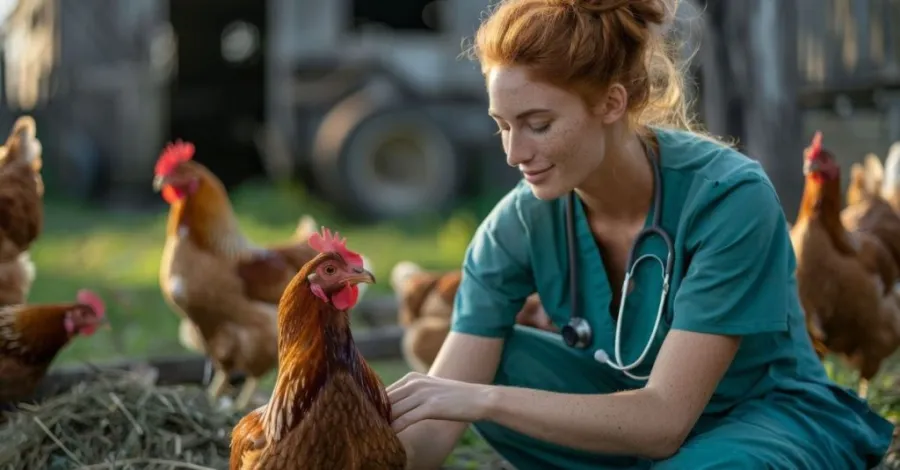
Keeping your chickens healthy in 2025 starts with daily care and close observation. The best way to spot chicken health problems is by watching them every day. Pay attention to changes in how they eat, drink, move, or behave. Healthy chickens usually have bright, clear eyes, clean feathers, and active movements.
If you see drooping wings, loss of appetite, or unusual sounds, these can be signs of trouble. Quick checks only take a few minutes but can save you from bigger problems later. Keep your chicken coop clean and safe. Early care means safer, healthier, and happier chickens for your backyard flock.
Why Regular Chicken Health Checks Are Important
Taking care of your chickens each day is the best way to keep them safe and healthy. When you do small daily checks, you can spot issues before they turn into big problems. This helps protect your flock, saves money, and keeps your chickens happy. A good backyard chicken health guide always starts with regular checks and keeping your chicken coop clean with simple steps to prevent sickness.
Preventing the Spread of Disease
It can be easily spread among a flock, but this will be stopped by early checking. Whenever any chicken appears ill, isolate it immediately. This safeguards your other birds. Look out for the form of coughing, runny eyes, or odd mannerisms.
Early treatment is key to enhancing the health of chickens naturally without using heavy drugs in the future. Never forget to wash your hands when you touch an ill bird. A simple but effective tool to help avoid broader chicken health issues, and remedies can be good hygiene.
Reducing the Risk of Losing Birds
It can be upsetting and costly to lose chickens, but early checks help you avoid this. If you notice changes in eating, drinking, or movement, take action quickly. Chickens may also show signs like sudden weight loss, weakness, or unusual droppings.
Spotting these issues early helps you save more birds. Many farmers also use the best supplements for chicken health to keep their flocks stronger. Adding vitamins and minerals boosts immunity and reduces common risks. Think of it as a safety net that supports your regular care.
Helping Chickens Recover Faster
When you treat chickens as soon as problems appear, they heal more quickly. Early treatment lowers stress for the birds and keeps the illness from getting worse. Simple steps like giving fresh water, clean feed, and a safe chicken coop can make a big difference.
In some cases, you may need a vet’s help, but many times, natural remedies for chicken illnesses work well for small problems. These can include herbs, garlic, or apple cider vinegar in water. Healthy chickens recover faster when they get the right care at the right time.
Chicken Health Check Guide
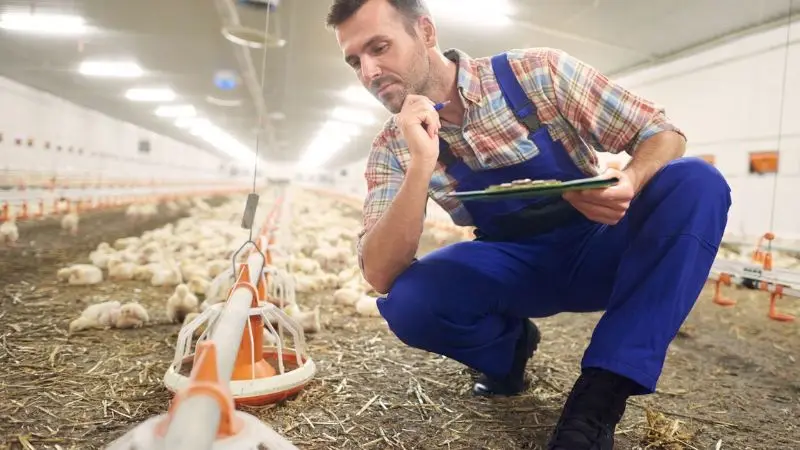
A strong flock begins with daily care and attention. Small checks each day help you spot issues before they spread. This backyard chicken health guide will show you what signs to look for and how to take action early.
General Observation
Start your check by simply watching the flock from a distance. Healthy chickens stay active, scratch the ground, and look eager for food and water. Birds that act tired or sit alone may be unwell. Look for:
- Chickens sitting with fluffed feathers or closed eyes
- Sudden weight loss or a hunched posture
- Changes in eating or drinking habits
Write down what you notice. This helps track progress and gives you a clear picture of possible chicken health problems and solutions.
Comb and Eyes
The comb and eyes often show the first signs of health issues. A bright red, smooth comb and shiny eyes mean your chicken is healthy. Problems may appear as:
- Pale, purple, or dark combs (signs of poor blood flow or illness)
- Swelling, crust, or discharge around the eyes
- Cloudy eyes or unusual size and shape
Early checks here are part of how to improve chicken health naturally, since spotting small changes helps you act before the illness grows.
Respiratory Signs
Breathing problems can spread very quickly in a flock. Watch and listen closely for:
- Sneezing, coughing, or wheezing
- Open-mouth breathing or gasping
- Bubbles around the nostrils or nasal discharge
- Stretching the neck to breathe
Fast action matters. Simple natural remedies for chicken illnesses, like clean air, garlic in water, or herbs, may help, but serious signs mean a vet check is best.
Feathers and Skin
Healthy chickens have smooth, shiny feathers and clean skin. Problems may include:
- Missing, broken, or ruffled feathers
- Bald patches, redness, or swelling
- Constant scratching or feather picking
- Scabs, sores, or signs of mites and lice
Adding the best supplements for chicken health can strengthen feathers and skin, making your chickens more resistant to pests and infections.
Vent and Egg Production
For laying hens, the vent and eggs tell a lot about health. Check the vent area often:
- Swelling, redness, or discharge
- Dirty or wet feathers near the vent
- Sudden drop in egg production
- Soft-shelled or misshapen eggs
A sudden change in egg quality or output is a sign to review diet, stress, or possible sickness. This is where a solid backyard chicken health guide really helps.
Legs and Feet
Strong legs and feet keep chickens active. Problems here may cause pain or limit movement. Look for:
- Swelling, redness, or sores on the feet
- Limping or refusal to walk
- Raised scales or scabs (possible bumblefoot)
- Toes that curl or twist
Quick treatment can prevent lasting damage and help the chicken recover faster.
Abdomen and Crop
The crop and abdomen are key parts of digestion. You can check them by gently feeling your chicken. Watch for:
- An empty crop in the morning (normal)
- A crop that feels hard, mushy, or swollen after eating
- Swelling, heat, or signs of pain in the abdomen
Catching these problems early means you can use simple diet changes or natural remedies for chicken illnesses before they turn serious.
Common Chicken Health Issues
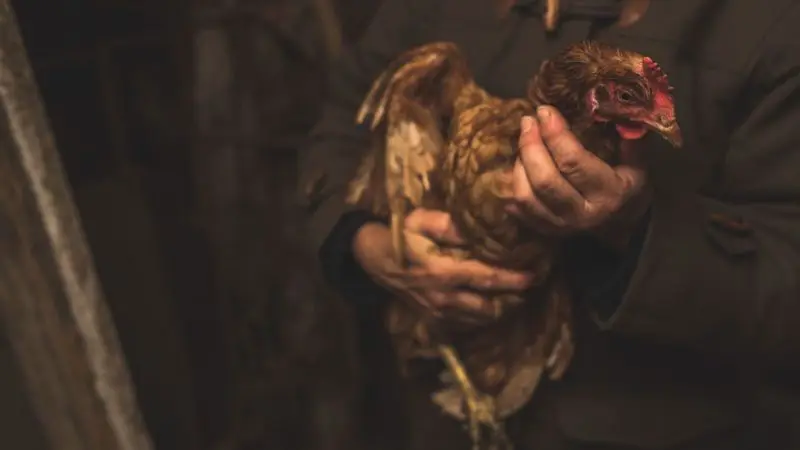
Even with good care, chickens can sometimes face health problems. The best way to manage them is to notice early signs and act fast. This part of the backyard chicken health guide explains what symptoms to watch for and when to step in.
Signs and Symptoms to Watch For
Healthy chickens stay active, eat well, and have smooth feathers. If you see something different, it could point to illness. Some common warning signs include:
- Comb color changes – A healthy comb is bright red. Pale, purple, or dark combs may show illness or poor blood flow.
- Loss of appetite – Chickens that stop eating or drinking may be sick and need quick care.
- Lethargy – If a chicken sits alone, fluffs its feathers, or looks very tired, this is often a problem.
- Respiratory issues – Sneezing, coughing, or open-mouth breathing can point to respiratory disease.
- Feather and skin problems – Bald spots, ruffled feathers, or scratching may mean parasites like mites or lice.
- Lameness or swollen feet – Limping or sores on feet may show bumblefoot or injury.
- Abnormal droppings – Runny, bloody, or strange-colored droppings often signal digestive issues.
- Egg production drops – If hens suddenly lay fewer eggs or produce soft-shelled eggs, stress or sickness may be the cause.
Keep notes of what you see. Tracking symptoms helps you find chicken health problems and solutions more quickly.
When to Take Action Quickly
Some symptoms mean you need to act right away. Fast action can save your chicken and protect the rest of your flock. Here are the main times to respond quickly:
- Severe breathing problems – If a chicken gasps for air or has a blue comb, isolate it right away. Respiratory disease spreads fast.
- Swollen or injured feet – Limping or swelling may be bumblefoot. Clean the foot, keep it dry, and call a vet if it does not heal.
- Loss of appetite or weakness – If a chicken stops eating or grows very weak, give it fresh water and food in a quiet space. Seek help if it does not improve in 24 hours.
- Unusual droppings or blood – Bloody or watery droppings often mean serious illness. Isolate the bird and monitor closely.
- Sudden drop in eggs – If all hens stop laying at once, check for illness, stress, or changes in feed.
If you are unsure, always ask a vet. Using natural remedies for chicken illnesses and the best supplements for chicken health may also help recovery, but professional advice is safest.
Common Chicken Diseases
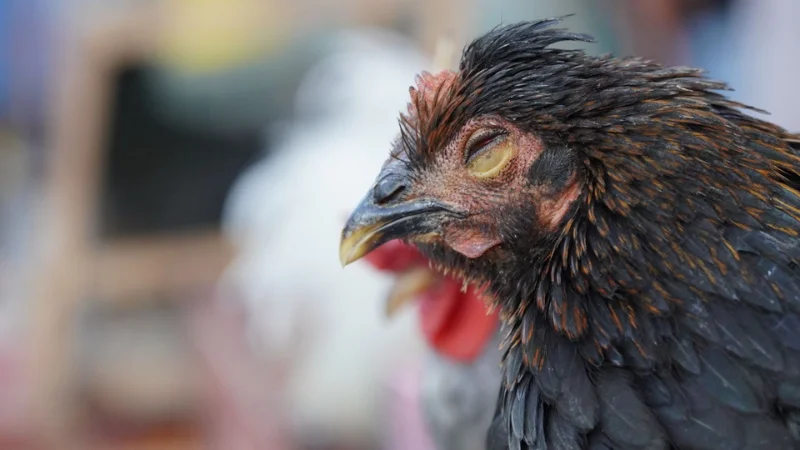
Chickens can face different diseases that affect their health and productivity. Knowing the signs early makes it easier to treat the problem and protect the rest of your flock. This part of the backyard chicken health guide explains the most common diseases and how to check for them.
Respiratory Diseases
Respiratory problems are among the most common illnesses in chickens. Signs include sneezing, coughing, watery eyes, or breathing with an open mouth. In severe cases, the comb may turn bluish due to a lack of oxygen. You may also hear wheezing or rattling when the bird breathes.
Quick things to check:
- Birds sitting alone or looking very tired
- Bubbles around the eyes or the nostrils
- Unusual breathing sounds
If you see these signs, separate the sick chicken, clean the coop, and improve airflow. Early action with natural remedies for chicken illnesses or a vet’s advice helps recovery and prevents disease from spreading.
Parasites
Mites, lice, and worms are parasites that lead to major health complications in chickens. Remedies usually start by treating the parasites. Chickens are scratched too often by mites and lice, the feathers are lost, and worms result in weight loss and leathery white combs. These pests are simple to overlook, and you must inspect under the wings and around the vent to find bugs or small eggs.
Quick things to check:
- Red and irritated skin or bald spots.
- Excessive scratching
- Worms in droppings
The most effective methods of promoting the health of chickens naturally are regular cleansing and bedding and safe treatment. The combination of the most effective chicken health supplements is also helpful in defending against parasites.
Digestive Issues
Digestive problems often show up as runny droppings, loss of appetite, or sudden weakness. The crop should feel empty in the morning before feeding. If it feels swollen, hard, or mushy, the chicken may have crop trouble. These issues can lower egg production and cause fast weight loss.
Quick things to check:
- Watery or bloody droppings
- Changes in crop size or feel
- Sudden lack of energy
Clean feed, fresh water, and early care are key. If the chicken does not improve, consult a vet. Many keepers also use natural remedies for chicken illnesses, like apple cider vinegar or garlic water, to support digestion.
Bumblefoot and Other Common Problems
The other common problem that affects the feet is bumblefoot. It leads to swelling, sores, and pain, which in most cases causes the chicken to limp or avoid walking. Otherwise, it may deteriorate. Respiratory children develop respiratory infections, and parasites are other common issues.
Quick things to check:
- Swollen or sore feet
- Difficulty walking or moving about.
- Divisions of the birds.
Life-saving saves in the long term. Simple measures of how to enhance chicken health naturally include maintaining the cleanliness of the coop, paying attention to obvious signs ahead of time, and adopting techniques of safe care.
Daily Chicken Health Checklist
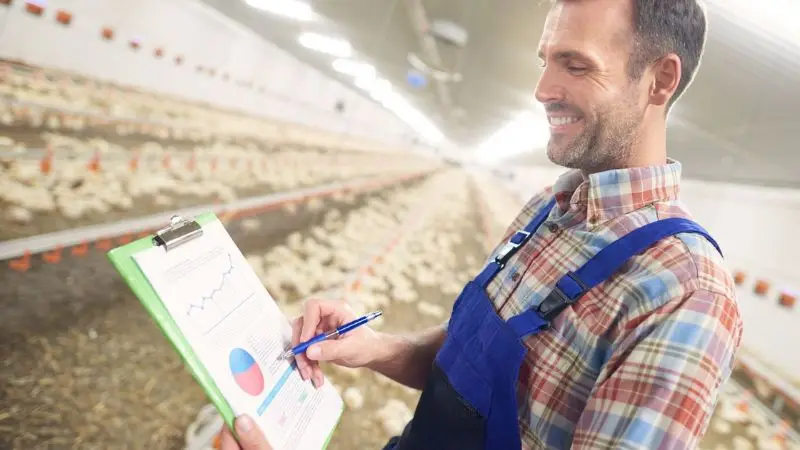
Daily checks are the easiest way to keep your flock safe and healthy. With a simple routine in the morning and evening, you can spot problems before they spread. This is one of the most effective steps in how to improve chicken health naturally in your chicken coop.
Morning Routine
Start your day with a quick but careful look at your chickens. Healthy birds are active, curious, and ready for food. As you visit the coop, pay attention to:
- Behavior – Birds should walk, scratch, and look alert. A tired or quiet bird may need checking.
- Food and water – Feeders and drinkers should be clean and full. Notice if a chicken avoids them.
- Combs and eyes – Bright red combs and shiny eyes mean good health. Pale or swollen combs, crusty eyes, or discharge may point to illness.
- Droppings – Normal droppings are firm and brown with a white cap. Runny or bloody droppings may show digestive issues.
- Sounds – Calm clucks are normal. Sneezing, coughing, or wheezing can mean respiratory problems.
- Quick physical check – Pick up a bird and gently feel the crop. It should be empty before breakfast.
Keep notes in a notebook. Tracking details helps you find early chicken health problems and solutions.
Evening Routine
Evening checks are just as important. They help you catch changes that appear during the day before chickens settle in for the night. Look for:
- Counting the flock – Make sure all chickens return to the coop. Missing birds may be sick or stuck outside.
- Feathers and skin – Check for bald patches, redness, or constant scratching, which could mean parasites.
- Legs and feet – Look for limping, swelling, sores, or scabs that may show bumblefoot or injury.
- Egg production – Collect eggs daily. A drop in the number of soft shells can mean stress, poor diet, or illness.
- General activity – Healthy chickens roost calmly. Birds sitting alone or looking weak may need special care.
Daily checks are one of the simplest parts of a backyard chicken health guide. With this routine, you can use natural remedies for chicken illnesses early and add the best supplements for chicken health when needed.
Wrap Up
Caring for chickens does not need to feel hard. A clear routine and a little attention each day make a big difference. Watch for changes in their looks, sounds, or behavior. Keep the coop clean, the food fresh, and the water always available. Using natural remedies for chicken illnesses and the best supplements for chicken health helps boost their strength.
With this backyard chicken health guide, you can prevent many issues before they start. Early action saves your flock from bigger problems. Healthy chickens give better eggs and stay active, making your farm or backyard full of life.
FAQ
How many times do you want to examine your chicken’s health conditions?
Look at your chickens daily. Checking every day will enable you to detect changes. Prevention is good for the health and safety of your flock.
In the instance of a sick chicken, what do you do?
Take the ill hen out of the flock. Give it clean water and food. Watch for changes. Hopeless, get a vet to the chicken.
Is it possible to avoid the majority of chicken diseases?
Maintaining the coop tidy, balanced food feeds, and performing inspections every day can help you prevent many diseases in your chickens. Quality nursing reduces the chance of disease.
Why will a chicken flatten out and abruptly and sporadically lay?
A chicken might also cease laying eggs because of stress and the changes in weather. Look after other indications of illness. Keep the coop calm and clean.
What symptoms of parasites do chickens show first?
Chicken scratches more than normal. You see bald spots or red skin. Feathers look messy. Look under the wings and in the vent for small bugs.