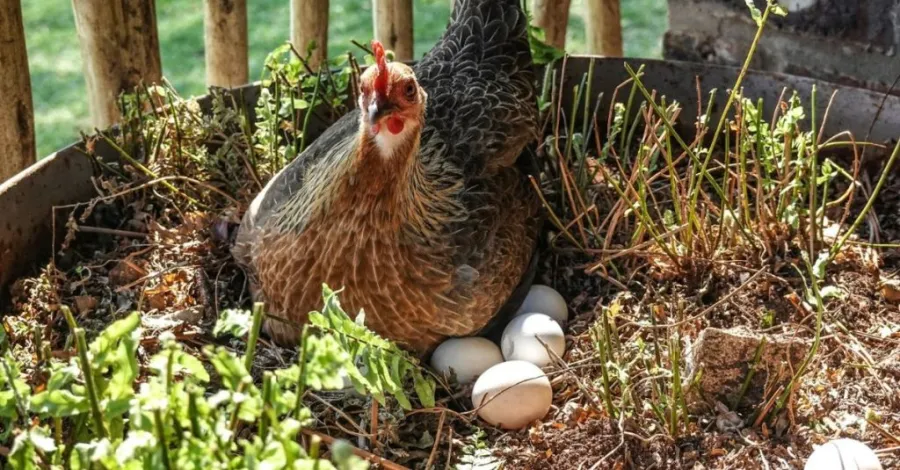
Ready to give your chicken nesting box setup a fresh twist? With a little creativity, you can turn everyday items into budget-friendly chicken coop nesting box ideas your hens will love. Upcycling not only saves money but also transforms old, unused items into cozy, inviting spaces for your flock. DIY projects let you design chicken nesting box options that perfectly match your coop’s style and your hens’ comfort needs. Whether you’re a beginner or a seasoned chicken keeper, these clever nesting box ideas will have your hens laying happily in no time. Let’s get inspired!
Nesting Box Basics
Before getting to the creative nesting box ideas on chickens, there are important basics that need to be known. A quality nesting box will make the hens comfortable and safe, and they will have a higher tendency to lay eggs on a regular basis. With a basic in place, your flock remains happy and productive. Before proceeding to creative designs, let us review the main factors to consider.
Choosing the Right Materials
The material of your nesting boxes affects durability, comfort, and hygiene. While wood is a classic choice that stays warm and is easy to clean, other materials work well too.
- Wood—retains warmth, is easy to clean, and provides a natural feel.
- Plastic bins—lightweight, easy to disinfect, and pest-resistant.
- Metal containers are highly durable and long-lasting.
- Repurposed items for chicken nesting boxes—Old crates, barrels, or storage bins can work if free from sharp edges or rust.
Add soft bedding like straw or pine shavings to make the space inviting. Avoid thin plastic or cardboard, which breaks down quickly and attracts pests.
Size and Placement for Comfort
Proper sizing ensures your hens can move around comfortably. A good rule of thumb for how many nesting boxes per chicken is one box for every three to four hens.
- Dimensions – Around 12x12x12 inches per box.
- Height—Mount off the ground to keep eggs clean and discourage predators.
- Location – Place away from busy coop areas to help hens feel safe.
- Accessibility—Ensure hens can easily get in and out.
By following these guidelines, your boxes will work for all flock sizes, even nesting boxes for large chicken flocks.
Safety and Cleanliness
Comfort is equally important to safety. Checking and cleaning will keep your hens healthy and non-stressed.
- Search and take out nails or any sharp objects found.
- Fasten the boxes in a way that they do not tip over.
- To avoid roosting on top, fix slanting roofs.
- Wash boxes frequently so that mites are avoided and eggs are fresh.
After your nesting boxes are safe, sturdy, and clean, your flock will repay you by giving you a healthier and fresher supply of eggs each day.
Upcycled Chicken Coop Nesting Box Ideas
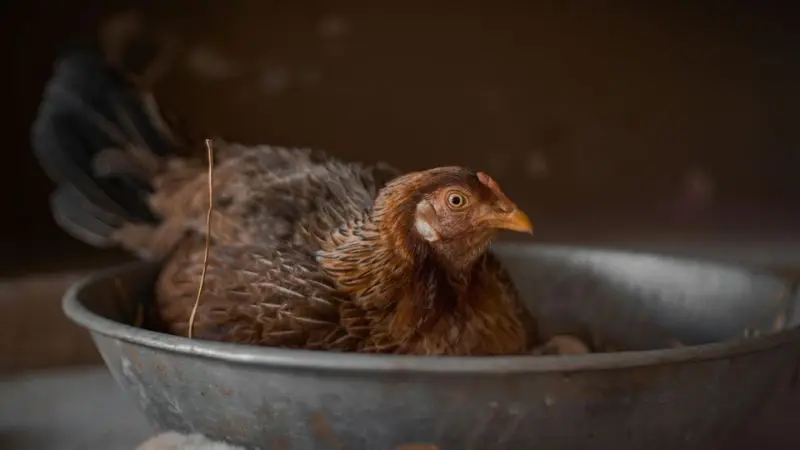
If you want to save money while helping the environment, upcycling is the perfect solution. By turning everyday items into nesting spaces, you can give your hens comfortable homes without buying brand-new materials. These chicken coop nesting box ideas not only reduce waste but also make your coop unique and charming. Using repurposed items for chicken nesting boxes can also spark creativity while giving your flock a safe, cozy spot to lay their eggs.
Crates and Bins
Old wooden crates or sturdy plastic storage bins can easily be transformed into nesting boxes. Simply clean them thoroughly, add soft bedding such as straw or pine shavings, and place them in a quiet area of your coop.
- Easy to find and inexpensive
- Stackable for space-saving arrangements
- Lightweight and simple to move
Plastic bins can crack in extreme cold, while wooden crates might need sanding to remove splinters. To improve comfort, drill small holes in the bottom for drainage, keeping bedding dry and your hens happy.
Barrels and Tubs
Nesting boxes for large chicken flocks or larger breeds can be constructed using large plastic barrels or metal tubs. Saw the barrel in two and laid the tub on its side with clean, dry bedding in it.
- Really durable and tough
- Convenient and roomy for big hens
- Helps maintain eggs concealed and secure
They are heavy to handle and sometimes hard to clean, particularly when they are not lined. Before using them, always inspect them to ensure that there is no rust or sharp edges that may cut your hens, and the inside should be smooth too.
Drawers and Suitcases
Old dresser drawers or vintage suitcases can become unique and functional nesting boxes. Remove the drawers, line them with bedding, and arrange them in the coop. Suitcases add charm while keeping eggs out of sight.
- Fun, quirky, and stylish
- Easy to clean and replace
- Ideal for smaller coops
Suitcases may wear down faster outdoors, and drawers should be raised to avoid dampness. Adding a small curtain to the front can give hens extra privacy, making these creative nesting box ideas for chickens even more appealing.
Tires and Buckets
Discarded tires and buckets can also work well. Lay a tire flat and fill the center with bedding, or cut a side opening in a bucket and place it on its side.
- Extremely durable and easy to clean
- Keeps eggs from rolling away
- Resistant to weather damage
Tires can be heavy to move, while buckets may tip unless secured. Anchor buckets with a brick or rope to keep them steady when hens hop in. These repurposed designs prove that practicality and creativity can go hand in hand.
DIY Chicken Nesting Box Ideas
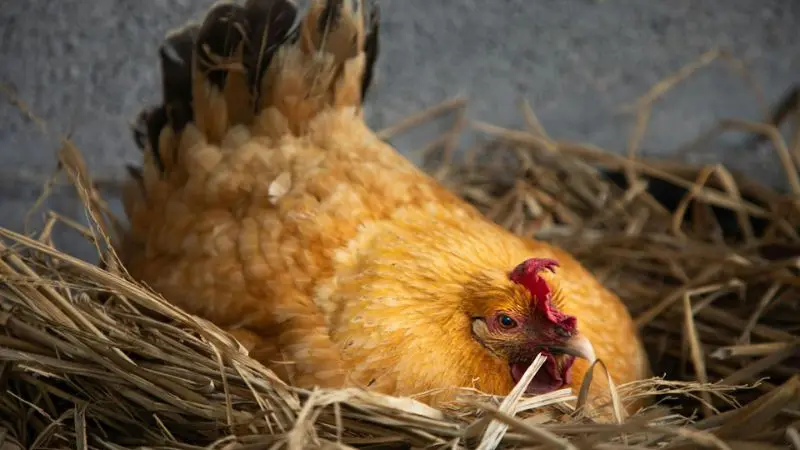
If you’re ready to get hands-on, building your own nesting boxes can be a rewarding project. These DIY chicken nesting box ideas not only help you save money but also give your hens a comfortable, personalized place to lay eggs. You don’t need advanced skills or expensive tools—many of these ideas use simple materials and basic techniques. Plus, there are plenty of free plans and video tutorials online to guide you every step of the way. Whether your coop is small or designed for larger flocks, building your own boxes lets you customize to fit your space and style.
Pallet Wood Boxes
Old pallets are an affordable and sturdy option for nesting boxes. Pallet wood is strong and often free, making it ideal for budget-conscious chicken keepers. To create a box, disassemble a pallet, cut the boards to size, and nail them together. Adding a small front lip helps keep eggs from rolling out.
Pallet wood boxes have a rustic look that complements many coop styles. You can also paint or stain the wood to match your coop’s decor. Sanding the wood before building is important to protect your hands from splinters. Search online for “pallet DIY chicken nesting box” guides, where you’ll find many free, detailed instructions.
PVC Pipe Nests
PVC pipes appear as an alternative, which is light and easy to clean. By installing large-diameter pipes cut into 12-inch lengths, you can make warm round nests by arranging the pipe sections on their sides and fastening them in position.
They are the perfect size for small coops or mobile chicken tractors and can even be placed onto walls or into corners. You can add some soft bedding inside, which will make them welcoming to your hens. Tutorials on how to make a PVC chicken nesting box are posted online by many of the chicken enthusiasts, giving clear directions or step-by-step procedures at no cost.
Cabinet-Style Boxes
An old kitchen cabinet can be transformed into a functional nesting box with minimal work. Simply remove the doors or cut openings in the front, and add dividers to create individual nests. To keep the boxes dry, place the cabinet on bricks or hang it on the coop wall.
Cabinet-style boxes provide privacy for hens and help keep eggs hidden and protected. You can add curtains or paint the exterior for a decorative touch. These boxes work especially well in coops designed for nesting boxes for large chicken flocks. Free plans for “cabinet DIY chicken nesting box ideas” are available online for inspiration.
Stackable Boxes
If space is limited, stackable nesting boxes are a clever solution. Build simple wooden boxes with an entrance for each, then stack them to create a nesting tower. You can also repurpose crates, bins, or sturdy cardboard to build these quickly.
Stackable boxes maximize nesting capacity in small coops and allow easy rearrangement as your flock grows. Make sure to secure the stack so it doesn’t tip when hens jump in and out. Many free guides show how to build stackable chicken nesting boxes step-by-step.
Space-Saving Chicken Nesting Box Ideas
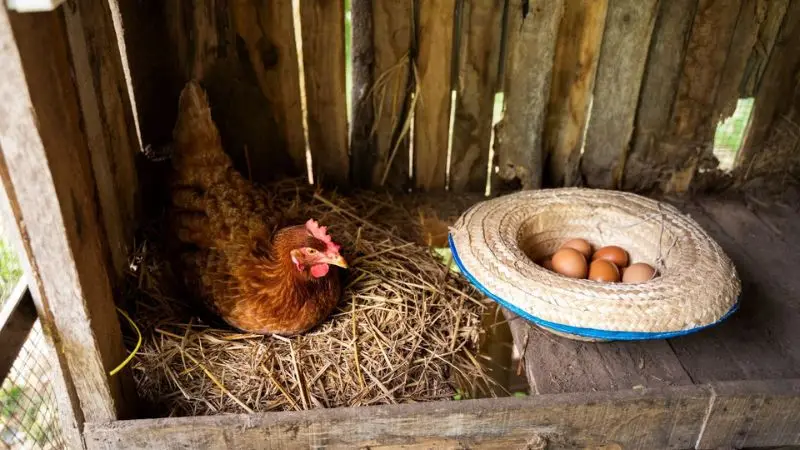
Maximizing space inside your chicken coop is essential, especially if you have a growing flock. Smart, space-saving designs allow you to fit more nests comfortably without crowding your hens. These solutions also make egg collection quicker and keep your coop organized. Below are some practical chicken coop nesting box ideas that help you make the most of every inch.
Roll-Out Boxes
Roll-out boxes are designed so that eggs gently roll away from the hen into a covered tray. This keeps eggs clean, safe from pecking, and easy to collect from outside the coop. These boxes can be purchased or built at home with a slanted floor to encourage egg rolling.
- Eggs stay clean and protected.
- Reduces broken eggs and mess
- Prevents hens from eating eggs
Adding soft mats or turf in the tray cushions eggs and prevents cracking when they roll. These boxes are especially handy in coops with limited space and make egg collection effortless.
Wall-Mounted Boxes
Wall-mounted nesting boxes are a great way to free up valuable floor space. These boxes attach directly to the coop walls at any height that suits your flock’s habits. Hens can jump in easily to lay their eggs, then hop right out.
- Perfect for small coops
- Easy to clean beneath the boxes
- Keeps bedding dry and fresh
Ensure the boxes are securely fastened to prevent wobbling when hens use them. Wall-mounted boxes are an effective space-saving chicken nesting box option that suits many coop designs.
Corner Boxes
Coop corners are not used most of the time, and they would be ideal facilities to place nesting boxes. The hens love corners with triangle-shaped boxes or baskets fitting into the corners, where they create intimate places.
- Utilizes unused space
- Gives hens a quiet and safe zone to be in
- Easy to construct/acquire
Corner boxes are designed to seamlessly integrate into your coop, keeping your hens comfortable and ensuring that you can take advantage of every inch that you have.
Under-Roost Boxes
Using the space beneath the roost is another smart way to save room. Place a nesting box under the perch, but add a divider to protect eggs from droppings. This design keeps nests close to where hens sleep and saves floor space.
- Great for saving high amounts of space
- Easy access for hens
- Requires moderate cleaning effort
By incorporating one or more of these space-saving chicken nesting box ideas, you can create a more efficient coop that keeps your hens comfortable and your egg collection simple. These creative solutions work well whether you have a small flock or are managing nesting boxes for large chicken flocks.
Creative Chicken Nesting Box Ideas
Want to add charm and personality to your coop? Creative chicken coop nesting box ideas let you transform ordinary nesting boxes into colorful, cozy homes your hens will adore. With a bit of imagination, you can make your coop a cheerful place that reflects your style while keeping your flock happy and comfortable. Here are some fun and creative ideas to get you started.
Painted & Themed Boxes
To make your coop fun and colorful easily, paint your chicken nesting boxes. When using water-based paint solutions, keep the colors bright or interesting. You can put on their flowers and polka dots, or even write out there the names of the hens on the boxes they like.
Some chicken owners opt to have themes, such as a rustic farmhouse theme or a beach hut style, and this adds a certain flavor to the entire coop. This not only makes the coop appear lively but also enables the hens to know their habitats readily.
Decorative Baskets
Wicker baskets are charming and practical for chicken nesting boxes. They can be lined with soft bedding such as straw or pine shavings, then hung on walls or placed on shelves inside the coop. Decorating these baskets with ribbons or name tags adds a personal touch, making the coop feel cozy and inviting. Because baskets are lightweight and easy to move, you can clean or rearrange them without hassle. This idea combines style and function in a simple way.
Mini Barn-Style Boxes
A mini barn-shaped nesting box brings a classic farm feel right into your coop. You can build these boxes with a small roof, a window, or even a tiny door for hens to enter. Painting them in the traditional red and white colors completes the look and adds charm. This style not only looks great but also provides hens with privacy and security while they lay eggs. It’s a fun project that lets you personalize your coop and create a comfortable spot for your hens.
Garden Planter Nests
Repurposed garden planters make excellent and unique nests for your hens. Fill wooden or ceramic planters with straw or pine shavings and tuck them into coop corners or beneath windows. You can even plant flowers on top of some planters for an extra touch of beauty and greenery.
- Wooden planters offer a rustic aesthetic, ideal for placing under windows
- Ceramic planters are easy to clean and fit nicely in coop corners
Adding elements like curtains, painted details, or little signs personalizes each nest box. These creative nesting box ideas for chickens make your coop stand out visually while creating comfortable spots your hens will love.
Maintenance & Cleaning Tips for Chicken Nesting Boxes
Keeping your chicken nesting boxes clean and well cared for helps your hens stay healthy and happy. Dirty boxes can cause bad smells and invite pests. By cleaning regularly and checking for damage, you make sure your hens have a cozy place to lay eggs. Here are some simple ideas to keep your nesting boxes in good shape.
Regular Bedding Changes
Changing the bedding often is very important. Aim to replace it at least once a week, or more if the bedding looks dirty or wet. Straw and pine shavings are popular choices because they absorb moisture and smell fresh. If you notice droppings or damp spots, remove those right away to keep the nest dry. Fresh bedding makes hens comfortable and helps prevent illness caused by bacteria or mold. Clean, dry nests also encourage hens to lay eggs in the right spot, making your egg collection easier and cleaner.
Inspect for Damage
You should also monitor your nesting boxes to find out whether or not they have been damaged. Check to see whether there are any broken pieces of wood, loose nails, or sharp spots that may injure your hens.
Solving these problems soon will help you keep your flock safe and prevent predators from penetrating your flock. Fix the broken part and replace worn-out materials so that you can make the boxes strong and safe. When you have a properly maintained nesting box, it reduces the stress on your hens and improves egg production.
Use Natural Disinfectants
Washing of the nesting boxes using products of natural origin keeps them fresh without any poisonous chemicals. Small proportions of vinegar and water can equally kill the germs with ease. Guard against strong detergents such as bleach since they may damage your hands. Once washed, rinse the boxes and leave them to dry thoroughly before putting on fresh bedding. Clean boxes help avoid disease and make your coop smell nice.
Pest Prevention
Other pests such as mites, lice, and rodents may become a problem if they access the nesting boxes. A clean coop and smooth surfaces create difficulties in hiding places for pests. Frequently check the presence of infestations and clean up nests and excreta that pests might have left behind. In case you see any pests? Employ harmless techniques to remove them without endangering the health of your hens. Keeping your hens in a coop free of pests is one way of keeping them comfortable and healthy.
Ventilation Matters
Ventilation is the main aspect that makes nesting boxes dry and fresh. The amount of dampness should not be excessive because it can breed molds and other diseases in hens. Nevertheless, the boxes must not be located in a drafty place where the hens are cold.
Based on the ventilation, aim for a balanced flow that prevents excess moisture and at the same time safeguards the hens against high winds. Good ventilation also aids in smell regulation and makes the coop nice to hens as well as to you.
Nesting Box Tips
Choosing the right bedding, keeping boxes clean, and encouraging hens to use their nests can greatly improve your flock’s comfort and egg production. Follow these helpful tips for healthier, happier hens and a tidier coop.
Bedding Choices
Picking the best bedding keeps hens comfortable and eggs clean. Here are popular options:
- Straw: Soft and natural, makes a cozy nest.
- Pine shavings: Absorbs moisture well, controls odor, but can be dusty.
- Shredded paper: Inexpensive and easy to find, but gets soggy quickly.
Also, follow these tips:
- Change bedding regularly to prevent odors and bugs.
- Avoid damp bedding to reduce the risk of mold and bacteria.
- Keep bedding fluffy for warmth and comfort.
Cleaning & Maintenance
Clean nesting boxes protect your hens’ health and keep the coop fresh. Follow these steps:
- Scoop out soiled bedding every 2–3 days.
- Remove all bedding weekly for a deep clean.
- Wipe down boxes with warm water mixed with vinegar to kill mites and bacteria.
- Let boxes dry fully before adding fresh bedding.
Regular cleaning prevents pests, reduces odors, and encourages hens to keep using their nests, leading to more eggs.
Encouraging Use
New nesting boxes are sometimes neglected by some hens. In order to promote them:
- Put an artificial egg/golf ball in the box so there is a visual indication.
- Choose quiet and low-traffic places to place position boxes to have privacy.
- Put up curtains or partitions to make hens feel safe.
- Gently take the hens laying eggs out of the box and put them back in the nesting area.
These basic things make the hens feel safe and welcome, hence raising the probability that they will lay eggs where you need them.
Wrap Up
Creating the perfect chicken nesting box helps keep your hens happy and healthy while making egg collection easier for you. By choosing the right bedding, keeping the boxes clean, and encouraging your hens to use their nests, you create a safe and comfortable space for egg laying.
Whether you build simple boxes or try creative designs, a good nesting box is key to a productive flock. With these tips and chicken coop nesting box ideas, you’ll enjoy fresh eggs more often and keep your coop tidy. Happy hens mean happy eggs—so start building your perfect nesting box today!
FAQ
What is the number of nesting boxes that I should offer to my chickens?
Each 3 or 4 hens should have a nesting box. This makes your flock have sufficient space to lay eggs without congestion. Provided that you have additional boxes, your chickens will never lack a warm place.
What can I stuff inside the nesting boxes?
Put soft bedding such as pine shavings or straw. This preserves eggs, and hens are comfortable. Hay should also be avoided because it becomes moldy. Wash the beddings frequently.
What can I do so that hens will not sleep in nesting boxes?
Hens prefer to sleep off the perches. It is important to elevate them higher above the boxes than they give them. There is also the option of enclosing the boxes at night and opening the same in the morning.
Is it ok to use plastic containers as nesting boxes?
Plastic bins or tubs can be used—yes. All you have to do is round off any sharp edges and put in holes to drain. Plastic can be easily washed, and it is durable.
What is wrong with my hens not nesting in the nesting box?
It is possible that your hens desire more privacy or some softer bedding. You can attempt to put a curtain or a decoration egg so that they know where to lay. Make the boxes tidy and out of the rushy places.