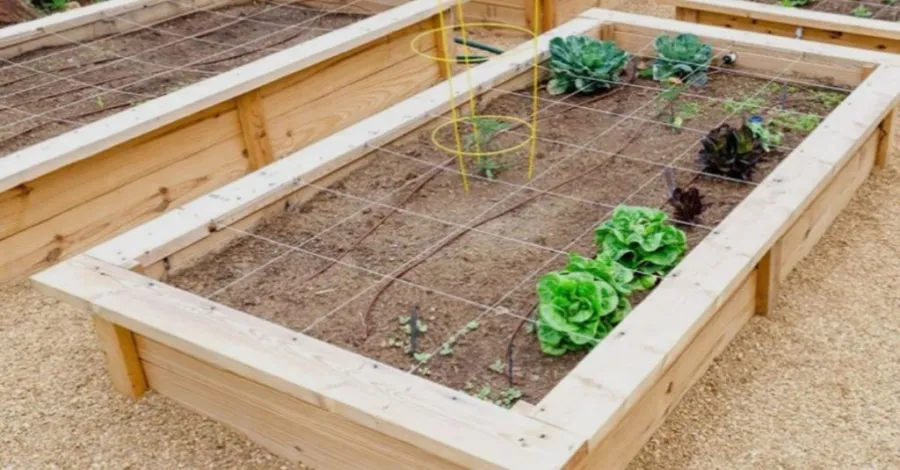
You don’t need a lot of money to start gardening. With a little creativity, you can build a raised garden bed that is both functional and affordable. Old pallets can be transformed into sturdy garden beds, leftover bricks make strong walls, and unused containers or storage bins work perfectly as DIY garden boxes. Many of these materials might already be in your garage, making them a cost-free option. By exploring cheap raised garden bed ideas and easy DIY plans, you can grow more vegetables, herbs, and flowers without spending a fortune. Gardening on a budget has never been easier.
Things You Should Know Before Building a Cheap Raised Garden Bed
Building a raised garden bed on a budget can be a rewarding way to grow your own vegetables and herbs. Before you start, it’s important to plan carefully. Considering materials, size, and soil needs will help you create a durable and productive garden without overspending. With a little planning, you can enjoy a thriving garden that doesn’t cost a fortune.
How to Choose Low-Cost Materials That Are Safe for Your Plants
When searching for ideas for inexpensive raised garden beds, safety is the most important factor when selecting materials. You want the garden to be long-lasting and your plants to be healthy. Materials such as untreated wood, bricks, and stones work because they do not chemically alter the soil. Old pallets are also a good option, as long as they are heat-treated and chemically untreated. Other great options are cinder blocks and recycled plastic.
When you use inexpensive and safe materials, you can build your raised garden beds for vegetables and still be able to save money and be more eco-friendly. Finding materials that are safe not only will protect your plants but will also prevent soil contamination. This will help your garden to thrive for many years to come.
How to Decide the Best Size and Height for Your Affordable Raised Garden Bed
Choosing the right size and height is key to building a practical raised garden bed. Most gardeners find that a bed about 4 feet wide is easy to reach from both sides, making planting and harvesting simpler. The length can vary depending on your available space.
For height, 6 to 12 inches is ideal for most vegetables. Taller beds, around 18 inches, are better for root crops like carrots and potatoes. Proper sizing helps you maximize your growing space and makes maintenance easier. By planning dimensions carefully, you can create cheap raised garden bed plans that are both functional and accessible.
How to Plan for Drainage and Soil Costs in Your Raised Garden Bed
For your plants to thrive, your garden bed needs to provide good drainage. Regardless of the materials you use to build your bed – whether it’s blocks, wood, or some other container – make sure your beds can lose water. You can avoid waterlogging your plants by leaving gaps, putting some gravel, or creating drainage holes.
Soil is a major part of the cost of building garden beds, but you can lower the cost. Rather than expensive garden soil, you can use a mixture of soil, compost, or decomposed leaves and grass. You can also reduce soil purchase by layering garbage, sticks, and other yard waste under your garden bed. Using these tips, you can plan your drainage and soil costs to build inexpensive and functional garden beds.
15 Cheap Raised Garden Bed Ideas You Can Build Yourself
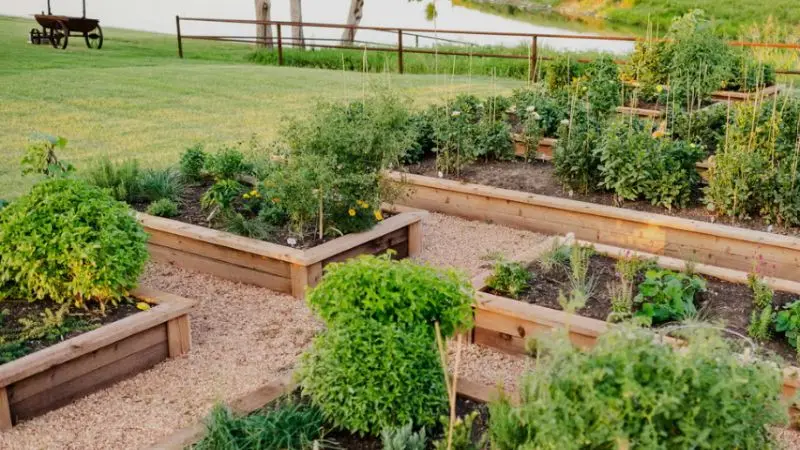
Creating a raised garden bed doesn’t have to be expensive. With some creativity and a few simple materials, you can build a garden that suits your space and budget. These cheap raised garden bed ideas allow you to start gardening without spending a fortune. Whether you have a backyard, balcony, or small patio, there are plenty of ways to grow vegetables, herbs, and flowers affordably. Let’s explore some DIY options that are easy, practical, and fun.
Wooden Pallet Raised Garden Bed Ideas
Overwood pallets are a popular and budget-friendly material to build raised garden beds. They are very easy to find at multiple locations, including stores, dylines, or other areas. You can unravel and stack multiple pallets to create the desired frame for your garden bed. Just be sure to use heat-treated pallets, as some can be a safety hazard for growing plants. Sanding the edges will also prolong the garden bed and prevent splintering. Reusing pallets to make your garden beds is also a great way to reduce your spending and be eco-friendly!
Cinder Block Raised Garden Bed Ideas
Cinder blocks are another excellent choice for a DIY raised garden bed. They are durable, easy to work with, and allow for creative designs. You can stack them in rectangles, squares, or even circular shapes. The holes in the blocks are perfect for planting herbs, flowers, or small vegetables. This method requires no nails or special tools, making it one of the simplest, cheapest raised garden bed plans. Using cinder blocks lets you create a sturdy garden bed that lasts for years while staying within a low budget.
Recycled Plastic Container Garden Beds
If you have caved-in garden containers, storage bins, or buckets that you need to get rid of, you can use them to create a raised container garden at a very cheap cost. Just drill holes for drainage in the bottom of your containers, and fill them with garden soil with your seeds or plants. This garden bed also works especially well for little areas or balconies, and is very inexpensive. Using recycled containers lets you experiment with designs and ideas, and is also very portable. You can also move the garden bed around whenever you want, which is very convenient.
Corrugated Metal Raised Garden Beds on a Budget
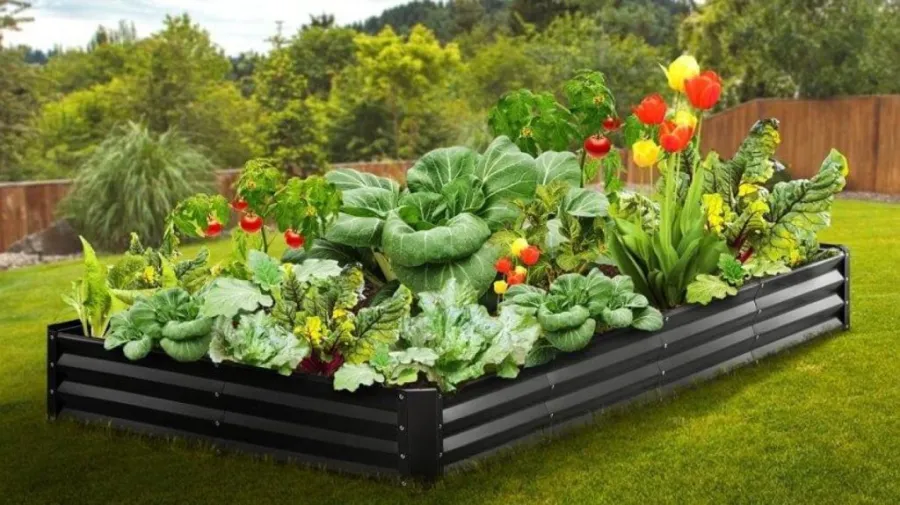
Corrugated metal sheets are a strong and long-lasting option for a DIY raised garden bed. You can cut them to any size you need and use wood or bricks to hold them in place. These beds have a modern, industrial look and can last for many years with minimal maintenance. Corrugated metal is a versatile choice that works well for vegetables, flowers, or herbs. If you want a stylish yet affordable option, this is one of the best materials for cheap raised garden beds that also stands out visually.
Brick and Stone Raised Garden Bed Ideas
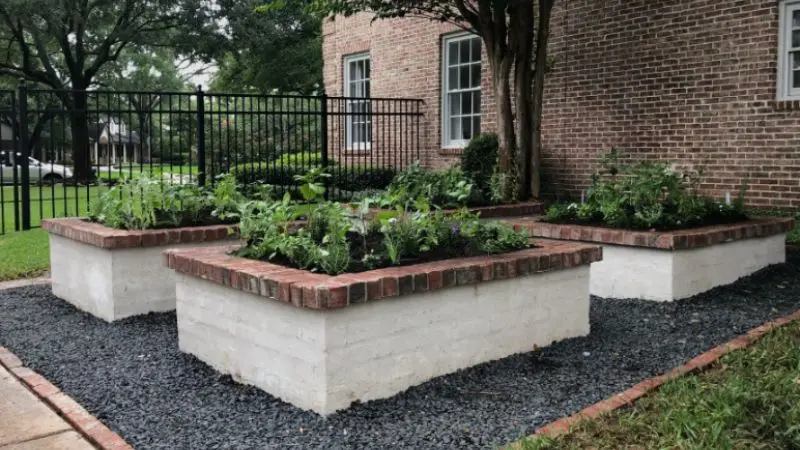
If you have any leftover brick or stone materials from a previous project, you can build a garden that gives a rustic appearance. Simply stack the materials in the shape of a rectangle or circle and line the interiors with soil. This approach is durable, timeless, and will provide your garden with a rustic appearance. It is also an inexpensive option for using materials that you may have lying around. If you are looking to use your leftover materials or are in need of inexpensive garden beds to house your plants, brick and stone are a great option.
Fabric Grow Bag Raised Beds for Small Spaces
Fabric grow bags are lightweight, portable, and perfect for small areas like patios or balconies. Simply fill them with soil and plant your favorite vegetables or herbs. These beds are easy to move, store, or replace, making them ideal for urban gardening. Fabric grow bags also allow for excellent drainage and root aeration. If space is limited, this cheap raised garden bed idea is one of the simplest ways to start gardening without taking up permanent space.
Old Tire Raised Garden Bed Ideas (Pros and Cons)
Using old tires as raised garden beds can be a really cool hobby. Tires are really easy to find and can be fun to paint. When painting tires, you can use them as decorative planters. There are some downsides to using tires as gardens. Tires are best for planting flowers and vegetation rather than food, to avoid any chemicals that may come into the tires. Although tires will be some of the best low-cost options for raised beds in small spaces, there are better options to use than just tires.
Upcycled Furniture Raised Garden Bed Ideas
Old dressers, bookcases, or drawers can be transformed into unique raised garden beds. Remove drawers or shelves and fill the spaces with soil. This gives new life to old furniture while creating a stylish garden feature. Upcycling furniture is both eco-friendly and cost-effective, making it one of the best ways to build a cheap raised garden bed on a budget. It’s also perfect for gardeners who want their space to be visually interesting and practical.
Straw Bale Raised Garden Beds for Ultra-Low Cost
One of the most budget-friendly options for raised garden beds is straw bales. Just line the bales up and fill them with soil, or, if you want to keep things simple, you can plant directly on top of the bales. Straw offers moisture retention and breaks down over time to feed your plants, making this method ideal for beginner gardeners. It is a great way to build straw bale garden beds if you are looking for minimal tools or materials. Straw bale beds are great for seasonal planting, and are light, portable, and easy to move around.
Cheap Raised Garden Bed Ideas for Small Spaces
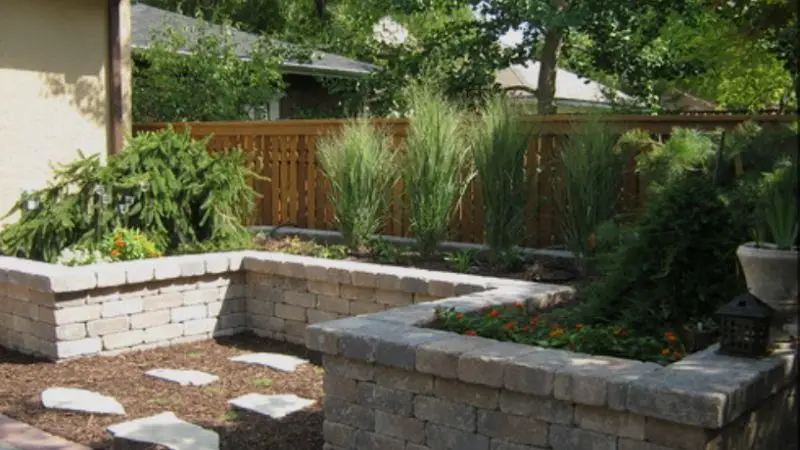
Even if your outdoor space is limited, you can still grow a lot of vegetables, herbs, and flowers with a little creativity. Small-space gardening requires smart planning and the right materials, but it can be just as productive as a large garden. These cheap raised garden bed ideas are perfect for balconies, patios, or apartments, helping you maximize your space while staying on a budget.
Balcony and Patio Raised Garden Bed Ideas
Just because you don’t have a backyard doesn’t mean you can’t have a garden. Small raised garden beds can be designed to fit into cramped spaces and along the edges of balconies or patios. There are also do-it-yourself raised garden beds made from storage bins, crates, or other upcycled containers, which are more economical. For a more thorough planting initative, many garden kits can be purchased, which have compartments that are meant to be filled with soil and seeds. These planting containers are lightweight and allow you to efficiently reposition your plants to maximize sunlight exposure. Keeping your planter bed close to a water source will also make your planting activities more convenient and improve your plants’ growing conditions.
Vertical Raised Garden Beds on a Budget
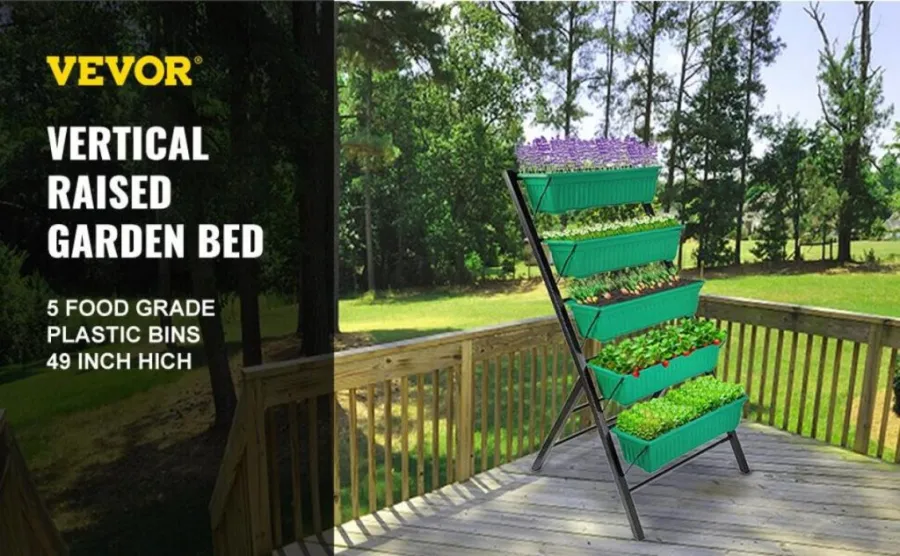
When floor space is limited, growing vertically is the key. Tiered vertical garden beds allow you to grow more plants without taking up extra room. You can stack wooden crates, repurpose an old bookshelf, or use hanging shoe organizers to create a tiered garden. Vertical beds are ideal for herbs, leafy greens, and small vegetables. These designs are budget-friendly and versatile, showing youVG how to make a raised garden bed on a budget while using every inch of your space efficiently. With vertical gardening, even the smallest balcony can become a productive green space.
Cheap Raised Beds for Apartment Gardening
Just because you live in an apartment doesn’t mean you can’t enjoy the benefits of gardening. Modular go-anywhere raised garden beds allow for the growing of veggies like lettuce and herbs, or even tomatoes, on a windowsill. These easy garden kits are great for beginner gardeners, while lightweight DIY beds on wheels allow for a flexible layout of your space. Compact beds can be held on tables, counters, or ledges, while stacked vertical gardens provide additional growing space. Your garden aspirations can be fulfilled even when starting with small, budget-friendly materials.
How to Build Cheap Raised Garden Beds Step-by-Step
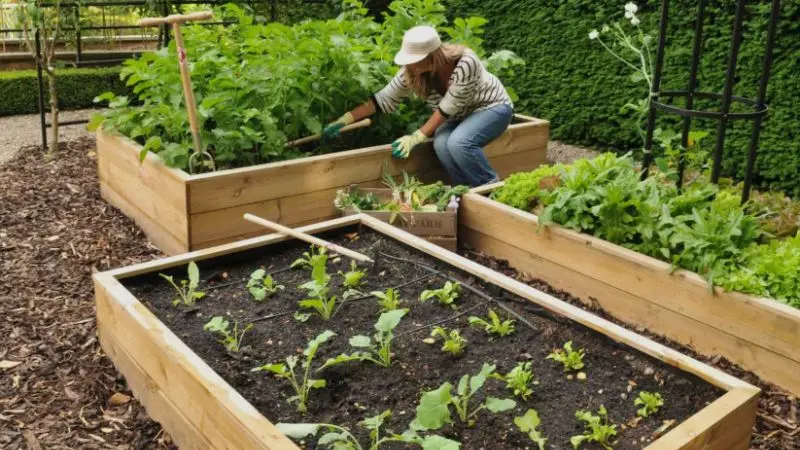
Building your own raised garden bed is easier than it sounds. With a little planning and some basic materials, you can create cheap raised garden bed plans that are both functional and budget-friendly. These steps will guide you through tools, construction, and costs, helping you start your garden quickly and affordably.
Tools You Probably Already Have at Home
Don’t worry if you don’t have the money to spend on expensive tools. The tools needed to build a raised garden bed can be found in your home, garage, or shed. Here is a list of the tools you will need:
- A hammer and screwdriver to put together your wood frames
- A tape measure to help get the correct and accurate measurements
- A saw to cut the wood to the sizes needed
- A shovel to mix the soil and compost
- A drill to make the holes needed for drainage
- A bucket to carry the soil and water
If you need to borrow tools, ask your friends and neighbors. You are free to use any of the tools you find, and you can use your own tools to keep the project budget-friendly.
Simple DIY Raised Garden Bed Plans
A raised garden bed can be built in just a few steps.
- Pick a location in your yard, patio, or balcony that gets plenty of sunshine.
- Organize your materials. Using wooden boards, either nail or screw them together so that they form a rectangle.
- Put the frame on the ground or use attached legs if it’s for elevated planter boxes.
- Fill with compost and raised bed soil.
- For cinder blocks, stack them in a square or a rectangle.
In addition, for inexpensive sides, you can use bricks, stones, or straw bales.
Quick plan for a basic wood bed:
- Measure and cut four boards with the sides being 4 feet long, and the ends 2 feet long.
- Nail or screw the four boards together.
- Position the frame in the spot you want your bed.
- Fill it with raised bed soil, and you can start planting.
This is how to make a raised garden bed on a budget, while also making a productive growing space.
How Much Does It Really Cost to Build a Raised Bed
Building a raised garden bed doesn’t have to break the bank. Using recycled materials can save a lot of money. Here’s a rough estimate:
- Cinder blocks: $2.00 – $3.00 each
- Raised bed soil: $10 – $30
- Elevated wood planter boxes: $30 – $60
- Recycled wood or pallets: Free – $20
Combining store-bought soil with compost, chopped leaves, and yard waste can be a cost-effective soil option. Generally, a small garden bed can be built for $20 – $50. Creativity and resourcefulness can keep the cost down while building elevated garden beds.
With these tools, materials, and steps, you can start a raised garden bed project that fits your budget, space, and gardening goals.
Wrap-Up
Building a raised garden bed doesn’t have to be expensive. With cheap raised garden bed ideas, simple DIY plans, and smart use of materials like pallets, cinder blocks, or recycled containers, anyone can grow vegetables and herbs on a budget. Even small spaces like balconies or patios can become productive gardens with vertical or movable beds. By planning size, drainage, and soil carefully, you can create inexpensive raised garden beds for vegetables that last for years. Start small, get creative, and enjoy fresh homegrown produce without breaking the bank. Gardening on a budget has never been easier!
FAQ
What is the best material for a cheap raised planter?
Many people use recycled wood that is safe for plants, cinder blocks, and even plastic to keep the planters lightweight. Alternatively, wooden planters can be used to avoid the use of plastic and keep the weight down.
Can I use old planters for vegetables?
Definitely, just make sure to clean the planters thoroughly and that they have drainage holes to avoid the collection of stagnant water at the bottom.
How do I keep my planters from drying out too fast?
Your planters will dry out less quickly if you do the following. Try putting mulch on top of the soil in your planters. Water your planters in the morning, and try putting planters in groups, as this will help them retain moisture. Self-watering planters help with less frequent watering.
Are fabric planters good for small spaces?
You can keep and move fabric planters anywhere on your patio or balcony. These planters allow the soil to breathe and for the roots to drain. Lots of people use these planters for growing herbs, flowers, and lettuce.
How many planters do I need for a small garden?
To start, try to have a minimum of three or four planters. For each type of plant you intend to grow, choose a separate planter. To increase your growing capacity, many gardeners use a combination of large and small planters.