Food storage is essential for maintaining food freshness, safety, and long-term quality. One of the hottest techniques currently in use is vacuum sealing, and most people are left confused when deciding which machines to use. Chamber sealer vs vacuum sealer is the main comparison, as they operate differently and are designed to serve different needs. A chamber sealer is commonly used for bulk storage and liquids, while a vacuum sealer is more common in domestic kitchens for simple applications. Knowledge of chamber sealer vs. vacuum sealer, and which is better for food storage, helps you make the right decision about what is required.
- What Is a Chamber Sealer and How Does It Work in Food Storage?
- What Is an Vacuum Sealer and How Does It Work for Everyday Food Storage?
- Chamber Sealer vs Vacuum Sealer: Key Differences You Should Know Before Choosing
- Which Vacuum Sealer Is Best for Food Storage for Different Users and Needs?
- Pros and Cons of Chamber Sealer vs Vacuum Sealer: You Should Know Before Buying
What Is a Chamber Sealer and How Does It Work in Food Storage?
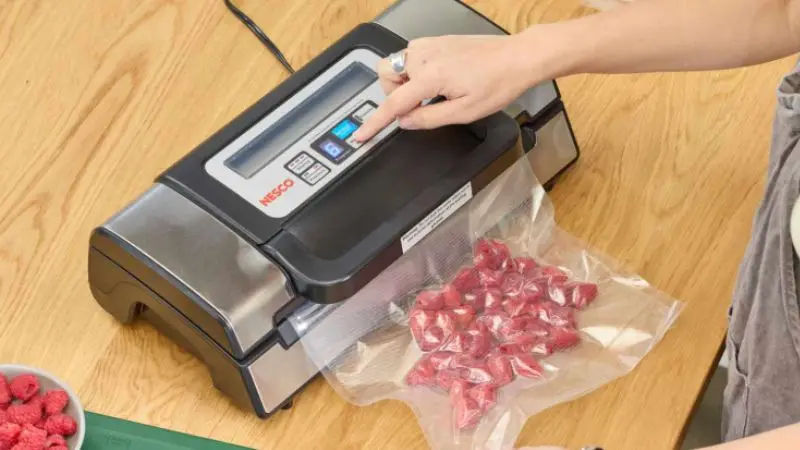
A chamber sealer is a powerful vacuum sealing machine used to preserve food safely for longer periods. It does not pull the air out of the bag; rather, it pulls the air out of a closed chamber. This renders it more practical with liquids, soft foods, and bulk storage. It is also popular in professional kitchens and food businesses because it provides powerful, consistent, and dependable sealing results.
The chamber sealer vs. vacuum sealer comparison helps explain why the two machines are used for different storage needs and types of food.
What a Chamber Vacuum Sealer Is and Its Simple Working Idea
A chamber vacuum sealer is a machine in which the whole bag is put in a closed chamber. When the lid is closed, the machine not only suck air in the bag hole but also removes all the air present in the entire chamber. When all the air has come out, the bag is heat-sealed accordingly, and then the normal air is pumped back into the bag.
The distinction between a chamber sealer and a vacuum sealer is that exterior sealers simply enclose the opening of the bag, whereas interior-chamber sealers apply the same pressure to both the interior and exterior. This makes the chamber sealers more efficient with liquids, sauces, and soft foods that do not leak and can be sealed effectively.
How Chamber Sealer Machines Remove Air and Create Strong Food Seals
A chamber sealer operates by sealing the food bag in an enclosed area and removing all the air from the space. This even pressure keeps the liquids and moisture in the bag rather than drawing them out. Once the air has been pumped out, the bag is sealed by the machine’s heat, making it airtight.
That is why most individuals compare a chamber vacuum sealer and a regular vacuum sealer to decide which storage equipment to use. Chamber sealers are particularly effective with wet foods, marinades, and bulk storage since they produce a tight and consistent vacuum seal.
Where Chamber Sealers Are Commonly Used in Food Storage and Packaging
In restaurants, catering, and food production facilities, chamber sealers can be found. They contribute to the safe storage of large amounts of food with preservation of its freshness, flavor, and texture. Chefs use them in meats, sauces, soups, and pre-prepared meals as they do not leak and have a long shelf life.
Comparing the pros and cons of chamber sealer and vacuum sealer machines, it is possible to consider certain benefits of the chamber models, which should be evaluated in comparison with the uses of the vacuum sealer machines. The question of which is better, a chamber sealer or a vacuum sealer, will depend on how the sealers will be utilized. The chamber sealers are better than the vacuum sealers.
@meatfreakz Replying to @Richard Rhoades #vevor #vacuumseal #kitchengadgets #kitchenequipment @Vevor_US @Anginen_Vevor #steak #sousvide #cooking
♬ Offroading – ROKKA
What Is an Vacuum Sealer and How Does It Work for Everyday Food Storage?
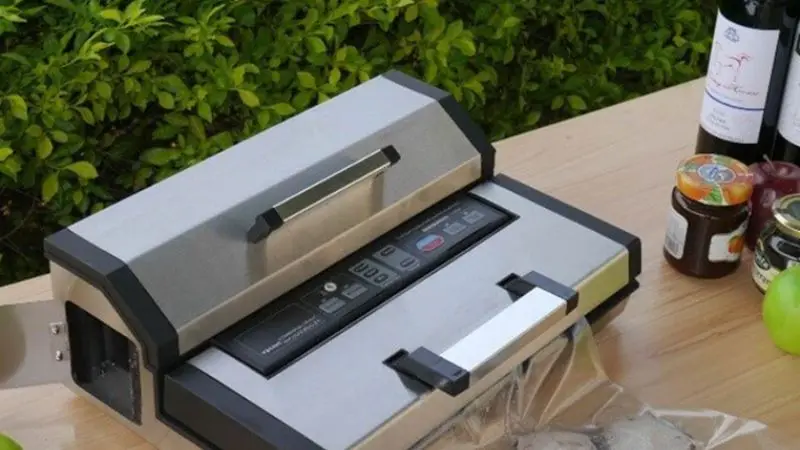
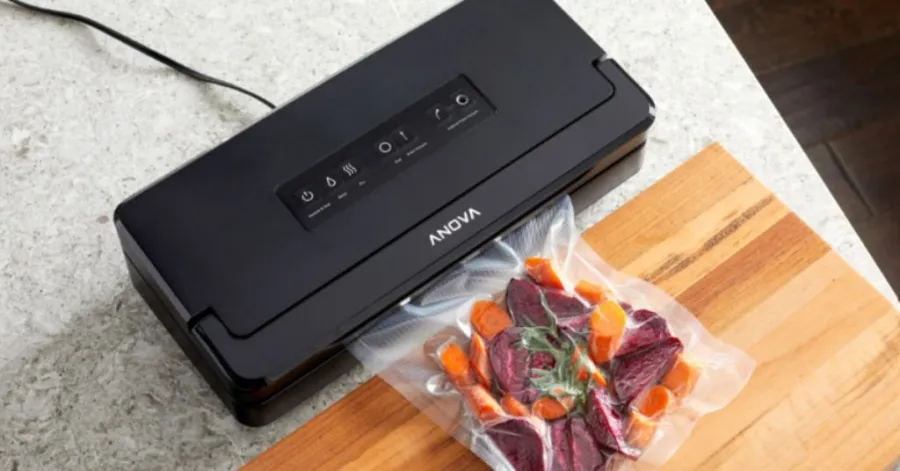
A vacuum sealer is a non-chef machine commonly found in kitchens that seals food bags without air. Primarily used at home as it is not a complex process, and it is fairly low-cost and can be easily operated. Both sides of the bag are not put through it, as is the case with the chamber machines. It is mostly used to refrigerate food on a routine basis, especially dry or less wet food.
Comparing chamber sealers and vacuum sealers, external sealers can be found more at home kitchens, whereas chamber sealers can be applied to heavy-duty or professional food storage.
What a Vacuum Sealer Is and Its Basic Function
An external vacuum sealer is a machine that draws air out of a vacuum bag through its open end. The food is placed in a special textured bag, and the open side is inserted into the machine. The same device then draws out the air and seals the bag tightly to prevent food spoilage.
The distinction between a chamber sealer and a vacuum sealer is primarily in air removal. External sealers are effective only at the opening of the bag, which means they are not the most suitable for liquids; however, they are ideal for simple home food storage needs.
How a Vacuum Sealer Removes Air and Seals Bags Step by Step
An external vacuum sealer operates by clamping the open part of the bag and sucking the air out of the bag. After most of the air is removed, the machine seals the bag with heat to ensure a tight seal. Once sealed, the bag is completely sealed and air-, moisture-, and bacteria-free.
Most individuals debate whether a chamber vacuum sealer or a regular vacuum sealer is superior when deciding which to use at home or professionally. External sealers are easy and quick, but they might not handle liquid foods, since suction can pull moisture out during sealing.
Where Vacuum Sealers Are Commonly Used in Daily Food Storage
Vacuum sealers are also used in the home kitchen to store leftovers, snacks, and fresh groceries. They best suit small families wishing to minimize food waste and extend the storage time of foods. Dry foods such as rice, nuts, and coffee beans are also processed using these machines.
Comparing the pros and cons of chamber sealer and vacuum sealer machines, external sealers are relatively inexpensive, compact, but less powerful. The choice between chamber sealer vs vacuum sealer, which is better to use in food storage, is dependent on the usage, but external sealers are most suitable for simple and everyday household food storage needs.
Chamber Sealer vs Vacuum Sealer: Key Differences You Should Know Before Choosing
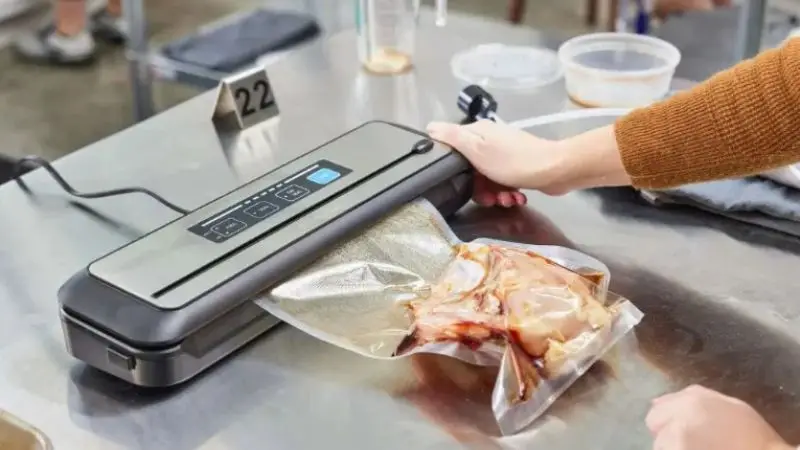
Both chamber sealers and external vacuum sealers serve to preserve food, but they do so in very different ways. The choice between them would be based on the type of food, budget, and usage. Some are built for heavy-duty commercial use, while others are better suited for simple home storage.
It is easy to see that a chamber sealer or vacuum sealer is better for storing food when we compare its operating method, food compatibility, sealing strength, and price.
How Chamber Sealers and Vacuum Sealers Work Differently
The largest variation is the manner in which the air is removed during sealing.
- Chamber sealer: Removes air from the entire chamber.
- Vacuum sealer: Will only remove air through the bag opening.
In a chamber sealer, the entire area is evacuated so that there is equal pressure inside and outside the bag. This enables easy sealing even for those foods with lots of fluid. Conversely, external sealers draw air only at the bag edge, which may, in some cases, affect liquid foods or soft items.
This is the primary distinction between chamber sealer and vacuum sealer, and it is the primary reason why the performance and use of these two types of sealer differ so much.
Food Types Each Machine Works Best With
The various types of foods that are processed by different sealers are better suited.
Chamber sealers:
- Soups and sauces, among other liquids.
- Marinated meats
- Soft or wet foods
- External vacuum sealers:
- Dry foods such as rice, pasta, and nuts.
- Snacks and coffee beans.
- Solid packaged items
Chamber machines are best suited to messy or liquid-heavy foods, as they eliminate spillage when sealing. External sealers are usable in simple and dry food storage at home.
Considering the pros and cons of chamber sealer vs. vacuum sealer machines, it is worth noting the so-called food compatibility.
Sealing Strength and Food Storage Duration
Both machines produce a vacuum; however, the strength and consistency vary.
- Chamber sealers give a more even and powerful vacuum
- Vacuum sealers rely on the type of bag and on the texture of the food.
Since chamber sealers remove air from the entire chamber, they provide a stronger, more stable seal. It aids in food preservation, particularly for bulk storage or long-term storage.
External vacuum sealers continue to perform well, but are better suited to short-term storage. Moist or wet food could reduce sealing efficiency.
This is why most users debate whether a chamber vacuum sealer or a regular vacuum sealer is better for storage life and durability.
Price Difference and Best Use for Home vs Commercial Needs
The two differ significantly in cost and usage, which are key determinants of the differences.
Chamber sealers:
- Higher price
- Heavy-duty performance
- Most suitable for restaurants and food companies.
Vacuum sealers:
- Affordable and compact
- Simple to home kitchens.
- Appropriate for everyday use.
Chamber sealers are a professional investment when a larger amount of food is stored or a higher level of sealing is required. External sealers are convenient to families because they prefer to preserve their food at home with their own sealers.
In the question of chamber sealer vs vacuum sealer, which is better when using it to store food, the answer is whether you need the power of a commercial sealer or the convenience of a household sealer.
Which Vacuum Sealer Is Best for Food Storage for Different Users and Needs?
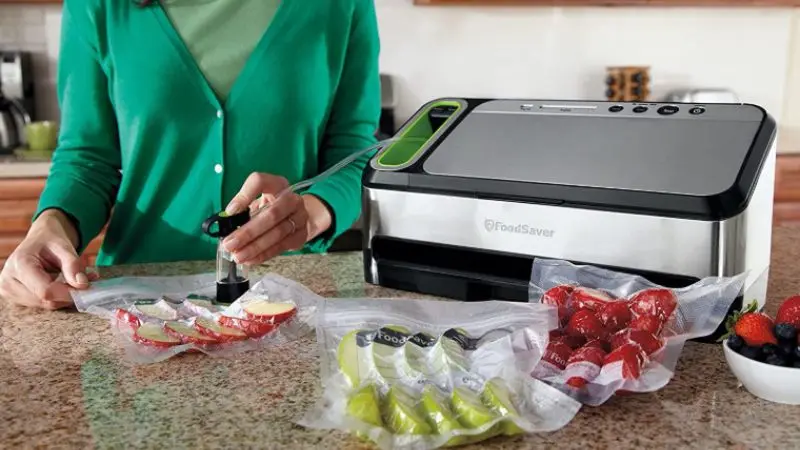
When making a decision on the machine to purchase, you need to consider how you are going to use the machine. The benefits of both chamber sealers and external vacuum sealers are substantial, but target different users. There are those who will only need basic homekeeping storage, and there are those who will need professional-level food preservation. This section will guide you to clearly understand what best fits in each situation.
The response to the question, Chamber sealer vs vacuum sealer, which is better to store food, can only be answered correctly when we consider home use, business requirements, and meal preparation routines individually.
Best Vacuum Sealer Choice for Home Users and Everyday Kitchen Use
Most home users are usually more comfortable using vacuum sealers. They are simple and inexpensive and do not occupy a lot of space in the kitchen. They can be used for storing daily food like snacks, dry goods, and leftover food.
- Easy to use for a novice.
- Cheap and easy to obtain.
- Small in size with family storage requirements.
However, a home user who often needs to store liquids or large quantities of food is not yet ready to do without the use of chamber sealers. On the whole, external sealers have been more popular in the everyday kitchen of houses.
Comparing the chamber sealer with the vacuum sealer, the home users will prefer the easier external one since it satisfies the minimum storage needs.
Why Businesses Prefer Chamber Sealers for Professional Food Storage
Mostly, chamber sealers are popular among businesses such as restaurants, catering services, and food production units. This is mainly because they can contain large quantities of food and also liquids without any leakage.
- Perfect for packaging large quantities of food.
- Compliments sauces, soups, and marinated foods well.
- Provides strong and long-lasting seals
Efficiency is also enhanced by the use of chamber machines, as they can seal various types of food uniformly. It is significant to commercial kitchens where speed and quality are important.
When considering the pros and cons of chamber sealers and vacuum sealer machines, it is evident that chamber sealers are better suited to professional, heavy-duty use.
Best Vacuum Sealer for Meal Prep and Weekly Food Storage
Users of meal prep have to balance between convenience and the freshness of food. The two machines can work, but it would depend on the kind of food that is being stored.
Vacuum sealers:
- Best when making dry meal prep foods.
- Easy to prepare weekly doses.
- It can be easily arranged at home.
Chamber sealers:
- Even more suitable for mixed meals with sauces.
- Best to prepare and freeze.
- Stronger long-term preservation
A chamber sealer is more reliable when it comes to liquids or marinating of your meal preparation. When you primarily store dry and simple food, then all you require is an outer sealer.
In deciding on whether to use a chamber vacuum sealer or a regular vacuum sealer, one should take into account issues such as the type of food and the time of storage.
Pros and Cons of Chamber Sealer vs Vacuum Sealer: You Should Know Before Buying
Chamber sealers and vacuum sealers can be used to store food, but each has its distinct advantages and disadvantages. Knowledge of their advantages and disadvantages helps you select the appropriate machine based on your cooking habits, finances, and storage needs. Some are more suitable for heavy-duty sealing, whereas others are meant for simple use in homes.
In the comparative analysis of the advantages and disadvantages of chamber sealer and vacuum sealer machines, it is evident that no one can claim to be perfect with either of these machines.
Chamber Sealer Pros and Cons for Strong and Professional Food Storage
Chamber sealers are heavy, work-related devices that are designed to be used in food storage. They come in especially handy when working with liquids, sauces, or bulk foodstuffs.
Pros:
- Powerful and complete vacuum shutting.
- Easy to use with liquids and wet foods.
- Best suited for large volume and long-term storage.
- Reliable and can be used in business.
Cons:
- It is more expensive than home sealers.
- A larger size requires more space.
- Not very handy with little jobs.
Chamber sealers are commonly used in restaurants and food businesses since they provide similar outcomes. However, they could be expensive and too large to suit the home user.
Vacuum Sealer Pros and Cons for Simple Home Food Storage
Vacuum sealers are commonly found in home kitchens; these are sometimes simple, small, and inexpensive. They can be used to preserve food on a daily basis.
Pros:
- Inexpensive and simple to operate.
- Small, can fit in a small kitchen.
- Loves dry foods and snacks.
- Fast-drying seal to be used on a daily basis.
Cons:
- Unsuitable for most liquids.
- Weak distempore to the seal of chamber machines.
- Lack of bulk storage ability.
These sealers are also to be offered to families who are wary of minimizing food waste and storing simple products. Nevertheless, they might have problems with wet or liquid food.
This is the reason why the majority of users compare chamber sealers and vacuum sealers to determine which one is superior in preserving food, and then establish the adherence to the machine that can meet their needs best of all.
Wrap Up
Vacuum sealers and chamber sealers are both great tools to keep food fresh, but they are used differently. A vacuum sealer is convenient and inexpensive if you just need a simple, daily storage solution for the kitchen. If you are dealing with liquids, bulk food, or professional food storage, a chamber sealer would provide higher-quality performance and better sealing.
Learning about chamber sealer vs vacuum sealer will help you not only to purchase the wrong machine but also to ensure your food will stay fresh longer, depending on your actual needs.
FAQ
What is the distinction between a chamber sealer and an external vacuum sealer?
The greatest difference lies in the extraction of air. The difference between a chamber sealer and an external vacuum sealer is that the former would remove all the air out of the entire chamber, and the latter would remove all the air out of the bag opening. This influences the power and food compatibility seal.
Which of the two, that is, the chamber sealer vs a vacuum sealer, is more acceptable in regard to preserving food at home?
External vacuum sealers tend to be more popularly utilized at home, since they are cheaper, smaller, and easier to run. The chamber sealers are superior in the presence of liquids or where there is a lot of food.
Can the external vacuum sealer package liquids like fast foods, soups, or sauces?
External vacuum sealers cannot be applied to a liquid, as the liquid could be sucked, and moisture could be left behind. Chamber sealers can be used on soups, sauces, and marinated food.
Which is better between a chamber vacuum sealer and a regular vacuum sealer to be used as a long-term storage method?
Long-term storage better suits a chamber vacuum sealer because it offers a better, more powerful, and uniform seal that maintains the freshness of food, making it last longer.
What are the advantages and disadvantages of a chamber sealer or vacuum sealer machine?
Chamber sealers are efficient at sealing; liquids can be sealed with them, and they can be applied in the workplace, yet they are very costly and bulky. External vacuum sealers are inexpensive and simple to operate, but not as effective with damp foods and have a shorter shelf life.