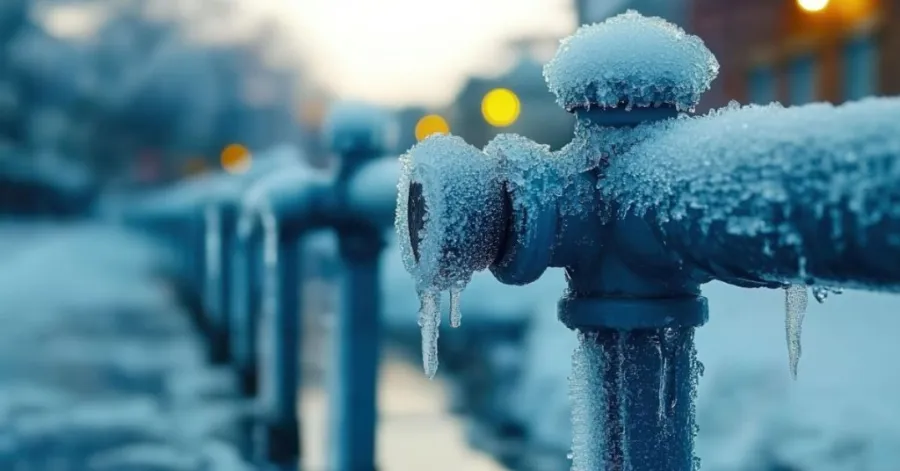
You may wonder, “Can PEX pipe freeze during winter?” The short answer is yes. PEX pipes are more flexible than copper or PVC, which helps them handle cold temperatures better. However, they are not completely immune to freezing. When water inside a PEX pipe freezes, it can expand and cause blockages or even bursts in extreme cases. This is especially a concern in very cold climates or areas where pipes are exposed to the elements. To protect your plumbing, it’s important to insulate pipes, keep water flowing during freezing weather, and monitor temperatures carefully to avoid costly damage.
Understanding PEX Pipe Freezing
PEX pipes are extremely flexible and durable, yet the frequently asked question by homeowners is, “Do PEX pipes break under the impact of freezing weather?” It is, yes, under some conditions. Although PEX is less rigid than metal and plastic pipes, water inside the pipes can freeze with a drop in temperature below 32°F (0°C). Frozen water causes pressure that may destroy the pipe. Unheated areas prone to leaks are pipes in basements, attics, and crawl spaces. The first thing to do during winter to protect your plumbing is to be aware of these dangers.
Why PEX Pipes Freeze and How It Happens
While PEX handles cold better than copper or PVC, freezing temperatures for PEX pipes can still cause problems. Ice forms inside the pipe, expands, and stresses the pipe walls. PEX can stretch and recover, but repeated or prolonged freezes may lead to leaks or splits. Homes with pipes running through cold areas should monitor them closely. Checking pipes during severe cold and taking preventive measures can significantly reduce the risk of damage. Knowing what happens if a PEX pipe freezes helps you act before a small problem turns into costly repairs.
PEX Compared to Copper and PVC Pipes
PEX stands out because it bends and flexes, which helps resist bursting more effectively than other types. Copper pipes are rigid and prone to cracking when water freezes, while PVC pipes may shatter under ice pressure. PEX often swells with the ice and returns to its original shape after thawing. However, it’s not completely immune to damage. If it freezes for too long or occurs frequently, even PEX can split. Understanding how to prevent PEX pipes from freezing is essential for any homeowner.
Freezing Temperatures for PEX Pipes
Understanding freezing temperatures for PEX pipes is key to protecting your plumbing. PEX is flexible, but water inside can still freeze in extreme cold. When temperatures drop to around 20°F (-7°C), PEX pipes may begin to freeze. In some cases, exposed or uninsulated pipes can freeze even at 25°F (-4°C). Water inside the pipe turns to ice at 32°F (0°C), but the pipe itself may take longer to freeze. How quickly PEX freezes depends on both the temperature and how long the cold persists.
When Does PEX Freeze
PEX tubes should be installed in unheated locations, such as basements, crawl spaces, or attics, and freeze quickly. To illustrate, a pipe without a coating and sitting close to a window in the cold snap may be frozen within a few hours. Wind blowing directly at the pipe or excessive exposure to low temperatures are the risk factors. Being aware of what will happen when PEX pipe sinks in water will also enable you to do something to prevent this before it occurs. Keeping track of predictions and taking preventive measures will help save time on expensive fixes and keep the plumbing systems in your house operational.
Factors That Affect PEX Pipe Freezing
There are many things that will help you prevent freezing of PEX pipes. Insulation is one of the most important—pipes with foam or fibreglass insulation stay warmer longer. Pipes that run through heated areas, like walls or floors, are less likely to freeze. Other factors include.
Water pipes that are located in the attic, crawl space, or outside walls freeze more quickly.
- Exposure: Pipes in attics, crawl spaces, or exterior walls freeze faster.
- Wind: Cold air moving over a pipe speeds up freezing.
- Water Flow: Moving water resists freezing longer than stagnant water.
- Pipe Size: Smaller diameter pipes freeze more quickly than larger ones.
By understanding these factors and taking preventive measures, you can reduce the risk that PEX pipes burst in freezing weather and keep your plumbing safe through winter.
PEX Pipe Burst Risk in Freezing Weather
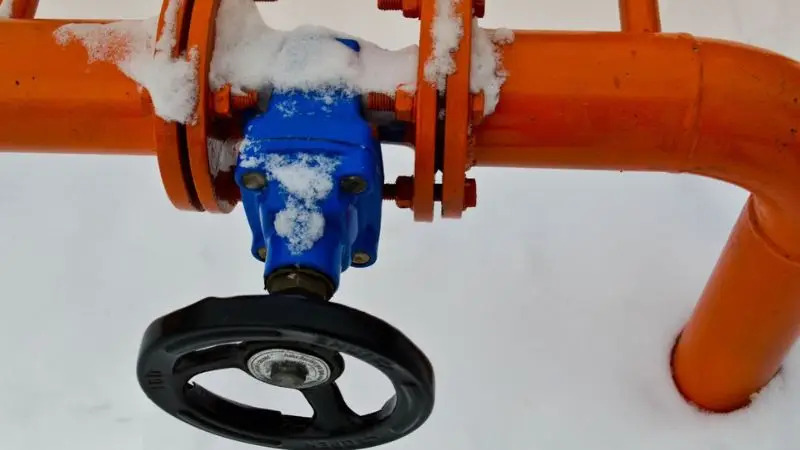
Many homeowners worry: can PEX pipes burst in freezing weather? PEX is more flexible than copper or PVC, which helps it handle ice expansion inside the pipe. When water freezes, it expands, creating pressure on the pipe walls. PEX often stretches slightly with the ice and returns to its normal shape once thawed. This flexibility gives it a higher burst resistance compared to rigid pipes.
How PEX Flexibility Helps Prevent Bursting
It’s the main benefit of PEX that it can bend and stretch in cold weather. Although it can withstand ice pressure, it is not unbreakable. Constant freezing or freezing temporarily and thawing may particularly damage the pipe and may cause small leaks or cracks. If a PEX pipe freezes, what would happen? Protecting your pipes when the cold weather rolls in can be quite beneficial. By insulating pipes or controlling water flow, you can minimize the chances of pipe overflow and extend their lifespan.
PEX Compared to Copper and PVC Pipes
These two have different reactions upon the freezing of water inside them: copper and PVC. Copper pipes are hard and may crack, whereas PVC pipes may be broken by the pressure of ice. PEX, however, is able to stretch a little bit and reduce the force of the ice, which provides greater protection. Even PEX pipes are not immune, though. Being aware of how to stop PEX pipes from freezing can help you take the necessary precautions to avoid damage, which makes your plumbing safe in the winter.
How to Identify Frozen PEX Pipes
If you can spot frozen PEX pipes early enough, you can avoid damage. Common signs are that water flows very slowly or not at all from certain faucets. You may also hear banging or clanking noises because the ice blocks water, and pressure builds up in the pipe.
Another warning is frost or ice on the outside of the pipe. If you touch the pipe and feel that it is very cold, this is also a sign. When PEX pipe freezes, it can crack, leak, or burst. If that happens, you can take action to stop those issues.
Common Areas Where PEX Pipes Freeze
Some sections of your house are more susceptible to frozen pipes. The risk is increased in unexhausted spaces like crawl spaces, attic, and garage since cold air can easily get into the pipes. Pipes that run along exterior walls or windows, or those that run under sinks and behind cabinets, are also prone.
Keep your cabinet doors open to allow warm air to enter and insulate these areas, as this prevents damage to your pipes. Being aware of how to prevent the PEX pipes from freezing in such places can help you to make sure that your plumbing will not head in the wrong direction and that the PEX pipes will not explode in the freezing seasons, keeping your home safe in winter.
Thawing and Prevention for PEX Pipes
Winter can be harsh on plumbing, and even flexible PEX pipes are not completely immune to freezing. Knowing how to thaw frozen PEX safely and learning effective prevention methods helps protect your pipes and avoid costly repairs.
How to Thaw Frozen PEX Pipes Safely
If you encounter a frozen PEX pipe, handle it carefully to prevent damage. To start, find the cold area or frost. After that, open the faucet connected to it so water can flow as the ice melts. Use a hair dryer, heat lamp, or warm towels to gradually warm the pipe and keep the moving source of heat.
Avoid using open flames as they may cause melting or rupture of the pipe. For areas that are hard to reach, one of those portable space heaters can help out. Just make sure to keep an eye on it. PEX pipes won’t burst in freezing weather if thawing is done more slowly and carefully.
How to Prevent PEX Pipes from Freezing
Preventing frozen pipes is easier than repairing them. Insulate pipes in cold areas using foam sleeves or fibreglass wrap. Heat tape is useful for pipes in attics or crawl spaces, keeping them warm even during extreme cold.
Allow faucets to drip slightly on very cold nights to keep water moving, which slows ice formation. Seal gaps near exterior walls or windows to block cold air. Winterize outdoor faucets by shutting off the water supply and draining the lines. Following these steps shows how to prevent PEX pipes from freezing, keeping your plumbing safe and functional throughout winter.
Wrap Up
In conclusion, PEX pipes are durable and flexible, but many homeowners still wonder: can PEX pipes freeze? While they are more resistant to freezing and bursting than traditional materials, they are not completely immune. If a PEX pipe freezes, it is important to know what damage will occur and to act quickly in order to prevent leaks or bursting.
Using heat tape, insulating pipes, letting faucets drip, and monitoring temperatures can help you prevent pipes from freezing. If a pipe does freeze, thaw it out slowly with towels from the dryer or a hair dryer. Conducting these preventive and reactionary actions will guarantee that you do not suffer costly repairs or outages of the water supply by ensuring your PEX pipes are safe during winter.
FAQ
Is it okay to freeze PEX pipes when the house is heated?
If your house does not overcool, then PEX pipes in the house do not freeze often. Pipes that are left in cold areas may freeze anyway. For example, garages and crawl spaces. These are the areas that should be checked in cold weather.
What is the freezing time of PEX pipes?
Once the temperature reaches below 20°C, uninsulated PEX pipes can freeze in 2 to 6 hours. Insulated pipes take longer. To prevent damage to pipes, it is important to insulate them in cold areas.
What to do in case of finding a frozen PEX?
Open the faucet. Use a hair dryer or warm towels to let the pipe cool off gradually. Do not use a torch or open flame. In case of cracks or leakages, you should call a plumber.
Which is more suitable in cold climates, the copper or the PEX pipe?
PEX pipe bends and stretches. It will not burst as easily as copper will. Copper pipes can easily burst from the expansion of freezing water.