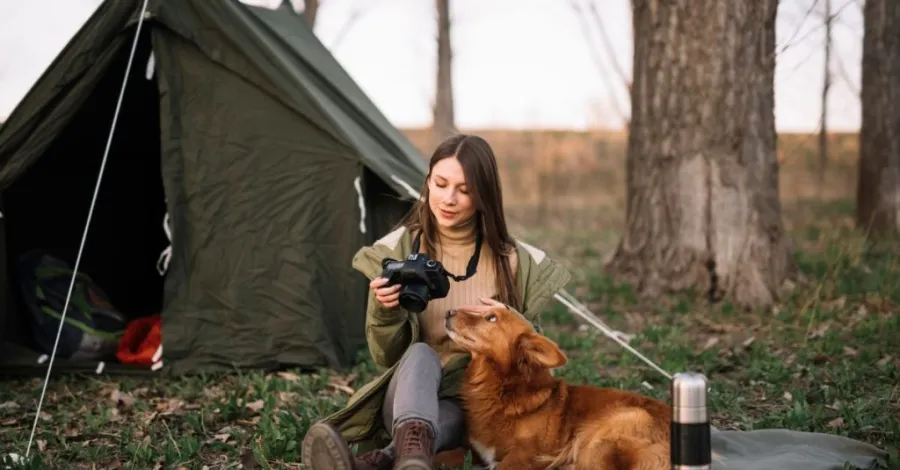
Ever wondered if camping with pets is possible or even safe? With the proper preparation, you can create unforgettable memories outdoors. Many pet owners say that a camping trip brings them closer to their furry friends. You get to enjoy fresh air, open spaces, and new adventures together. Traveling with pets often feels easier when you choose pet-friendly camping spots.
If you’re looking for tips for camping with pets, you’re in the right place. One simple way to make your trip smoother is by bringing a pet playpen. It gives your pet a secure space to rest and play at the campsite. A little planning goes a long way, turning your outdoor getaway into an unforgettable experience with your best friend by your side.
Camping with Pets: Is It Safe?
Common Concerns
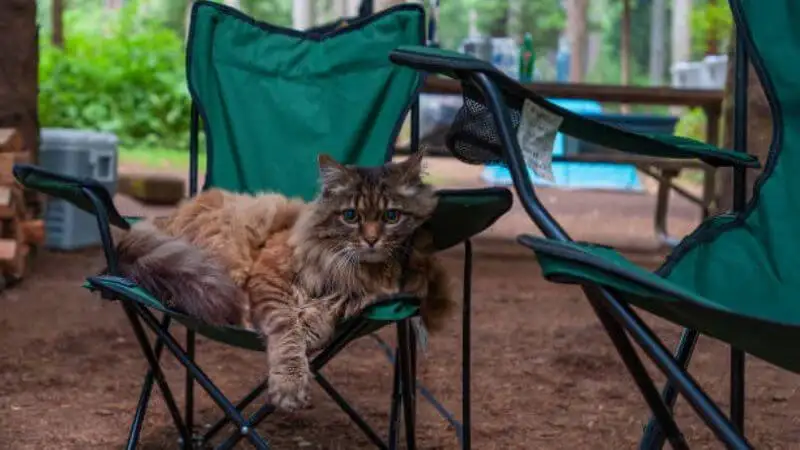
You might feel a little nervous about bringing your pet on a camping trip. Some people also worry about their pet getting too hot or too cold. Others think about how their pet will react to new sounds and smells in the wild. Here are some common concerns for camping with cats and dogs you might have:
- Will my pet cat be safe around the campsite?
- What if my dog barks at every noise?
- Can my pet handle the weather?
- How do I keep my pet from wandering off?
- What if my pet gets sick or injured?
Benefits
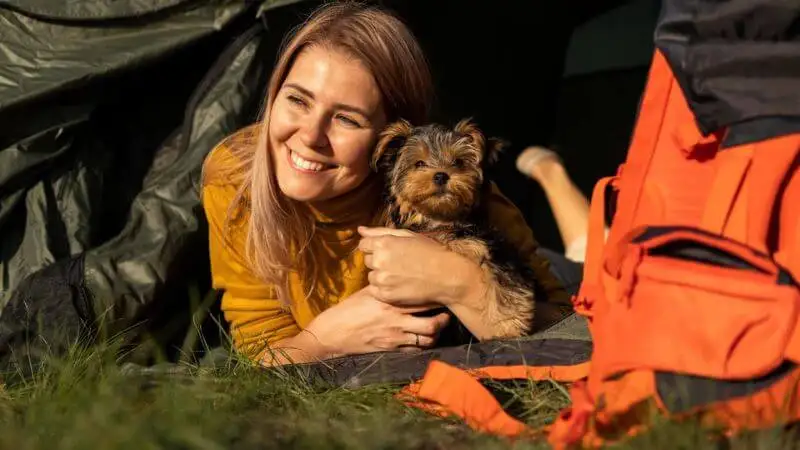
Camping with pets can be a wonderful experience. You get to spend quality time together away from screens and busy schedules. Your dog will love exploring new trails, sniffing fresh air, and playing outside. Many pets feel happier and more relaxed when they are with you in nature. Some benefits of camping with pets include:
- A stronger bond between you and your pet
- More exercise for both of you
- Less stress for your pet since they stay by your side
- Fun memories you will cherish
Prepare Pets for Camping
Health and Temperament
Before you pack your bags, take a good look at your pet’s health and personality. Not every dog loves the outdoors or feels comfortable in new places. Some dogs get nervous around strangers or loud noises. Ask yourself these questions:
- Does your dog enjoy going for walks and exploring new scents?
- Can your dog handle car rides without getting sick?
- Has your dog had a recent veterinary check-up?
- Is your dog up to date on vaccines and flea or tick prevention?
Some dogs require extra care when traveling with their owners. Your veterinarian can provide guidance on medications or techniques to help keep your dog calm.
Training Basics
Good manners help everyone enjoy the trip. Your dog should know a few basic commands before you head out on a camping trip. These commands help keep your dog safe and allow you to control them around other campers and wildlife. Here are some essential commands:
- Sit
- Stay
- Come
- Leave it
Practice these commands at home and in your yard. Use treats and praise to reward your dog. If your dog listens well, you will feel more relaxed during your adventure. Remember, traveling with pets means you need to keep a close eye on your dog. A leash and harness are must-haves for every trip.
Packing Essentials for Camping with Pets
Pet Camping Checklist
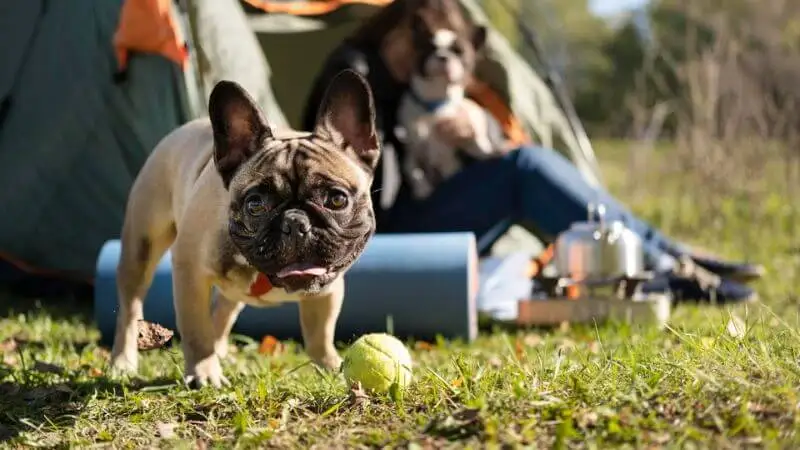
When planning a camping trip with your pet, ensure you have everything your furry friend needs. A good pet camping checklist helps you stay organized and ready for anything. Here are some must-have camping gear items for pets that you should always bring:
- Leash and harness
- GPS collar or tracker
- Updated ID tags
- Food and water bowls
- Enough food for the whole trip
- Medications and supplements
- Waste bags for clean-up
- Pet first aid kit
- Favorite toys
- Bed or blanket
- Crate or portable kennel
- Towels for drying off
- Flea and tick control
- Cleaning supplies
- Copies of pet records and vaccination info
Food and Water
You want your pet to stay healthy and happy during your trip. Always bring enough food for each day, plus a little extra in case you stay longer. Use airtight containers to keep food fresh and safe from wildlife. Bring collapsible or sturdy bowls for both food and water.
Clean water is essential. Do not let your pet drink from lakes or streams, as they can contain harmful germs. Pack bottled water or use a filter if you need to get water from nature. Offer water frequently, especially in hot weather or when hiking.
First Aid and ID
Accidents can happen, even on the best trips. You should always carry a pet first aid kit. This kit should include bandages, tweezers, antiseptic wipes, and any necessary medication for your pet. You can buy a kit or make your own. Check it before each trip to make sure nothing is missing.
Your pet’s safety depends on proper identification. Ensure your pet’s ID tags display your current phone number. If your pet has a microchip, update your contact info before you leave. A GPS collar adds extra peace of mind, especially if your dog likes to explore.
Camping Safety for Pets
Supervision
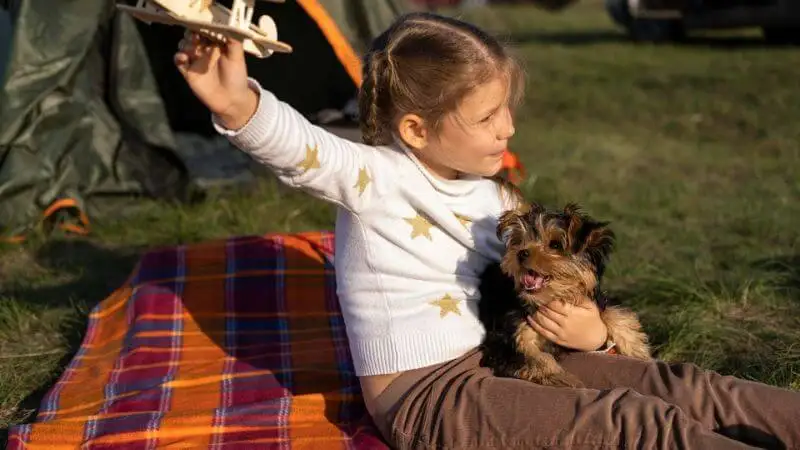
You play a crucial role in keeping your pet safe at the campsite. Always keep your pet within sight. Even the most well-behaved dog can get curious and wander off. A leash or a secure tie-out helps you control where your pet goes.
Never leave your pet alone at the campsite, even for a short time. Wild animals, other campers, or even sudden weather changes can put your pet at risk. If you want to relax, set up a comfy spot for your pet near you. Bring their favorite bed or blanket. Give them a chew toy or something to keep them busy..
Hydration and Shade
Your pet needs to stay calm and hydrated during your camping trip. Always bring plenty of water for your pet. Do not let your pet drink from streams or lakes. These can have germs that make your pet sick. Use a clean bowl and offer water often, especially after walks or playtime.
Shade is just as important as water. Find a spot under a tree or bring a pop-up tent for your pet to enjoy. Hot sun can cause heatstroke in dogs and cats. If your pet starts panting excessively, drooling, or appears weak, move them to the shade immediately and offer them water.
Wildlife and Weather
Nature is full of surprises. You might see squirrels, raccoons, or even snakes near your campsite. Keep your pet on a leash to prevent it from chasing or getting too close to wild animals. Some animals carry diseases or can hurt your pet if they feel threatened.
The weather can change fast when you camp. Check the forecast before you leave. Pack extra blankets for cold nights and a raincoat for wet weather. If you hear thunder or see lightning, bring your pet inside your tent or car until the storm passes.
| Hazard | What to Do |
| Wild Animals | Keep your pet leashed, stay alert |
| Cold Weather | Bring blankets, keep your pet warm |
| Hot Weather | Provide shade, offer water often |
| Rain/Storms | Shelter pet, stay dry |
Camping with a Dog: Comfort Tips
Sleeping Arrangements
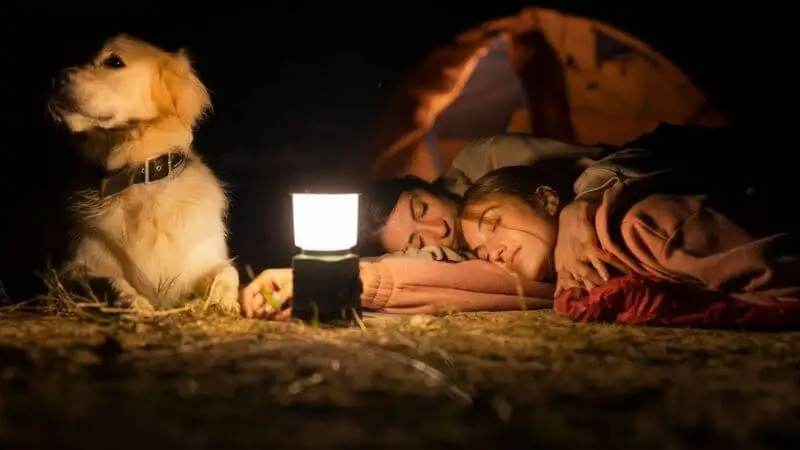
You want your dog to feel safe and cozy at night. When camping with dogs, a comfortable sleeping area makes a big difference. Bring your dog’s favorite bed or a soft blanket from home. Many campers allow their dogs to sleep inside the tent. This keeps your dog close and protects them from bugs or cold weather.
If your dog is new to camping, try a practice night in your backyard first. You can observe how your dog reacts and adjust your setup accordingly. Some people use a special dog sleeping bag or pad for extra comfort. Here’s a quick checklist for a comfortable sleeping area:
- Dog bed or blanket
- Crate (if your dog uses one)
- A dog sleeping bag or pad
- Favorite toy

Managing Noise
Nature can be noisy at night. You might hear owls, wind, or other campers. Some dogs bark or get anxious when they hear new sounds. When camping with your dog, help them stay calm by keeping them close to you. Talk to your dog in a gentle voice if they seem nervous.
Pack a favorite toy or chew to distract your dog. If your dog barks, try to redirect their attention. Practice quiet time at home before your trip. This helps your dog learn to settle down even when things get loud.
Camping Etiquette
Leash Laws
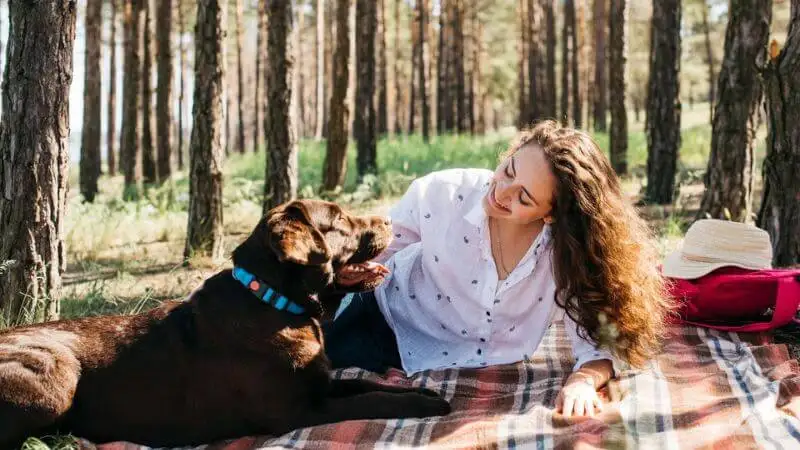
When you visit a pet-friendly campground, you need to follow leash rules. Most places ask you to keep your dog on a leash at all times. This keeps your dog safe and helps other campers feel comfortable. Some campgrounds have signs indicating where you can let your dog run off-leash.
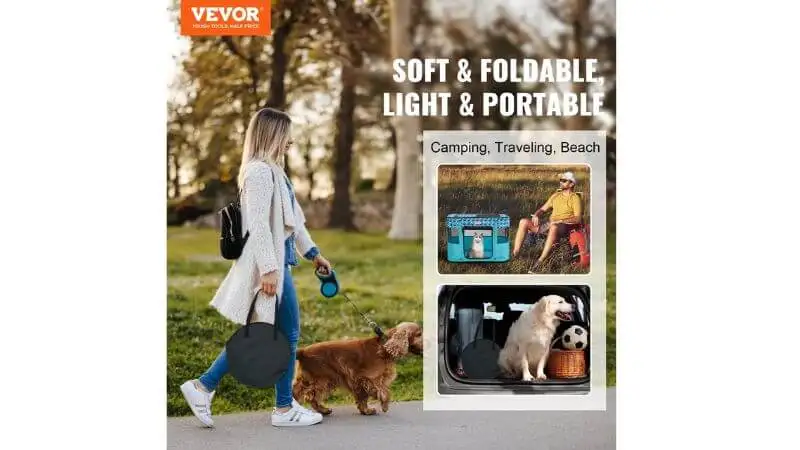
If you stay at a dog-friendly campground, you might install a playpen for your dog to play in. Even in these areas, you should keep a close eye on your dog. Not every dog likes to meet new friends. You want everyone to have a good time.
Waste Disposal
No one likes to step into a mess. You need to pick up after your dog every time. Bring plenty of waste bags and use them right away. Most dog-friendly campsites have designated trash cans for disposing of pet waste. If you do not see one, pack out the bag and dispose of it at home. Here is a quick checklist for waste disposal:
- Carry waste bags on every walk
- Use the bags as soon as your dog goes
- Toss bags in the proper trash bin
Respecting Wildlife
Wild animals live in the same places where you camp. You help protect them when you keep your dog close and quiet. Do not let your dog chase birds, squirrels, or other animals.
This keeps wildlife safe and stops your dog from getting hurt. If you see animals near your campsite, give them space. Watch your dog and use a leash if necessary.
| Do’s | Don’ts |
| Watch your dog | Let your dog chase |
| Use a leash | Feed wild animals |
| Stay on trails | Disturb nests or dens |
Activities for Camping with Dogs
Outdoor Fun
You have numerous ways to enjoy the outdoors when you go camping with your dogs. Your dog loves to explore new places and sniff out new scents. Try hiking on pet-friendly trails. Let your dog walk beside you and sniff around. You can play fetch in an open field or near your campsite. Bring a favorite ball or Frisbee.
If you want to keep things simple, just take a stroll around the campground. Your dog will enjoy every step. You can also set up a miniature obstacle course using sticks or logs. This provides your dog with a fun challenge and helps burn off excess energy.
Keeping Pets Engaged
Camping with dogs means keeping your dog busy and happy. Bring a few toys from home. Chew toys and puzzle toys are effective options. These keep your dog entertained while you relax at the campsite. You can also hide treats around your site and let your dog sniff them out.
Try teaching your dog a new trick while you camp. Use treats and praise. Your dog will love the attention and the challenge. If you camp with other pet owners, set up a playdate. Dogs enjoy making new friends, too.
Emergencies and Health Care
Signs of Stress
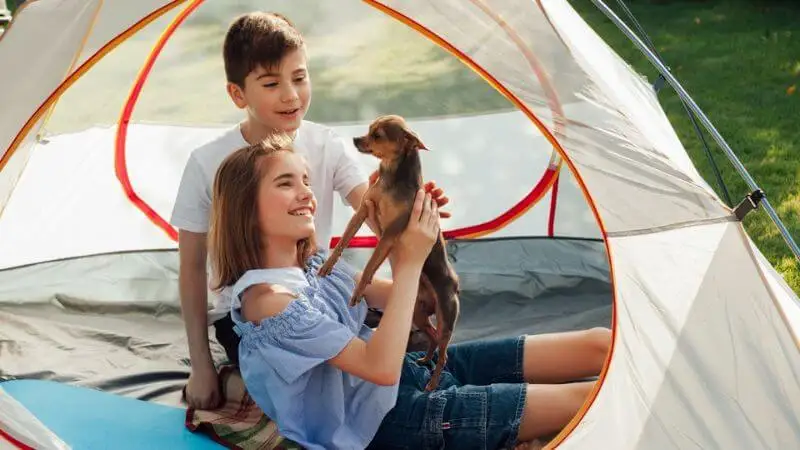
You know your dog better than anyone. When you go camping, your dog might act differently. New places, unfamiliar sounds, and a lot of activity can make your dog feel nervous. Watch for these signs that show your dog feels stressed:
- Panting more than usual
- Whining or barking a lot
- Hiding or trying to run away
- Shaking or trembling
- Not eating or drinking
If you see any of these signs, help your dog calm down. Sit with your dog in a quiet spot. Speak softly and offer a favorite toy or treat. Sometimes, just being close to you helps your dog feel safe again.
Emergency Prep
You want to be ready for anything when you camp with your pet. Bring a pet first aid kit with you. This kit should include bandages, tweezers, antiseptic wipes, and any necessary medication for your dog. Keep your vet’s phone number handy. Save the number for the nearest animal hospital, too.

Here’s a quick table to help you remember what to do in an emergency:
| Situation | What You Should Do |
| Lost dog | Call your dog, check ID tags |
| Injury | Use a first aid kit, call the vet |
| Heatstroke | Move to shade, give water, cool off |
| Bug bite or sting | Remove the stinger, and watch for swelling |
Stay calm if something goes wrong. Your dog looks to you for comfort and safety. Quick action and a clear plan help you handle emergencies and keep your camping trip fun.
To Conclude
You can make camping with pets safe and fun when you plan. Here are some quick camping tips for pet owners:
- Pack all the essentials for your pet-friendly adventure.
- Keep your pet close and watch for signs of stress.
- Choose pet-friendly camping spots for a smooth trip.
With a bit of preparation, you and your furry friend can enjoy every moment of camping with pets. Try pet-friendly camping and create memories together!
FAQ
1. Can I take my cat camping?
Yes, you can! Many cats enjoy camping if you keep them safe and secure. Use a secure harness and leash. Bring a crate for sleeping. Watch your cat closely. Some cats enjoy exploring, while others prefer to stay in the tent.
2. What if my dog barks at other campers?
Try to distract your dog with a toy or treat. Keep your dog close to you. Practice quiet time before your trip. If barking continues, move to a more peaceful spot. Most campers understand, but you help everyone relax when your dog stays calm.
3. How do I keep my pet warm at night?
Pack a cozy bed or blanket from home. Let your pet sleep inside the tent with you. Use a dog sleeping bag for extra warmth. If it gets cold, add a layer. Always check your pet for signs of shivering.
4. What should I do if my pet gets lost?
Stay calm. Call your pet’s name and search nearby. Check their ID tags and use your phone number. Ask other campers for help. If your pet has a GPS collar, use it to track their location. Report to the campground staff if you require additional assistance.
5. Are there any pet-friendly campgrounds?
Yes! Many campgrounds welcome pets. Look for “pet-friendly” or “dog-friendly” signs online. Always check the rules before you book. Some places have special dog parks or trails. You and your pet can find the perfect spot for adventure.