Camping trips are some of the most memorable family activities you can plan. But going out in the wild to bond needs some preparation on its own. After all, you never want to be in the middle of nowhere, realizing you’re missing bug spray, your portable stove, or basic toiletries!
So in this blog, we’re crafting the best camping essentials checklist, counting down 30 essential items to pack before you leave for your campsite. We’re breaking down these 30 items into 4 categories, so let’s kick off this list with:
Shelter
1. Tent
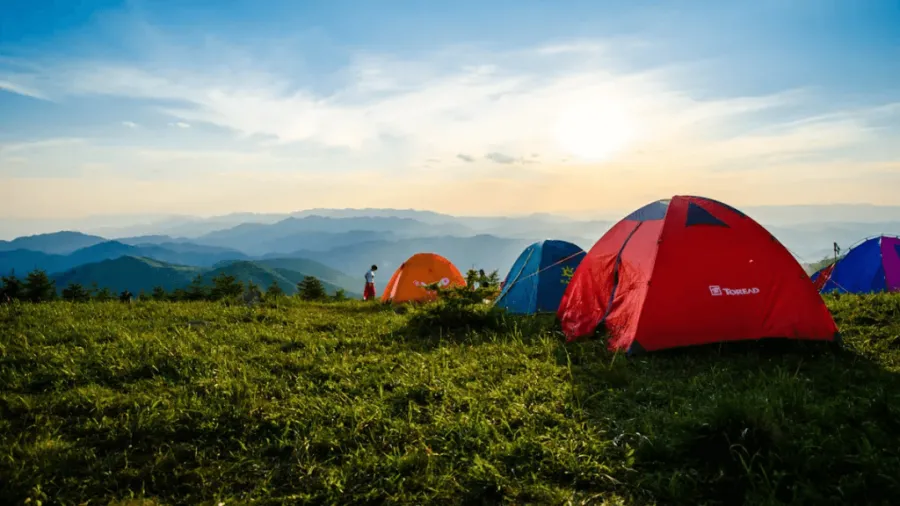
A camping tent protects you from weather elements like rain and wind. It also gives you a comfy place to sleep. Pick a tent based on your group size and the weather. Strong tents often use titanium dioxide-coated fabric. These stay tough even after long use!
But what type of tent do you need? Here’s a simple breakdown of different fabrics, their durability, and strength according to a recent research:
| Fabric Type | Strength Loss After 1 Month | Strength Loss After 100 Days |
| All Fabrics | 5% to 47% | Below 70% of original |
| Fabrics < 40D | Over 50% | Below 70% of original |
| Titanium Dioxide Coated | Very little loss | Above 70% of original |
2. Sleeping Bag
Sleeping on the ground can be a humbling experience as you connect with Mother Nature. But you need something to comfort you.
A sleeping bag is a camping must-have for warmth and comfort. You should always choose one with a temperature rating for your trip so that you can sleep through different weather!
Tip: The EN rating system is the best guide for sleeping bags. Always check the label before adding it to your camping packing list.
3. Sleeping Pad
Sleeping on the ground can be cold and hard. A sleeping pad adds warmth and softness, letting you drift into blissful sleep within minutes. Now, when you’re picking your sleeping pad, you’ll need to look at its R-value and overall comfort.
The R-value of a sleeping pad tells you if it can keep you warm in extreme cold. Here’s a quick chart:
| Conditions | Pad: R-Value Range |
| Warm | Under 2 |
| Cool | 2 – 3.9 |
| Cold | 4 – 5.4 |
| Extreme | 5.5+ |
Adding a sleeping pad to your camping essentials checklist helps you sleep better and keeps your company warm.
4. Tarp
A tarp is a handy campsite essential. Use it under your tent to keep it clean and dry. It can also provide shade or protect from rain. A tarp keeps your gear safe from dirt and water, making it a must for any camping trip.
5. Camping Pillow
A camping pillow helps you sleep better and stay healthy. Many have special designs like raised edges or curved shapes for neck support. Bad sleep can harm your health, so include this in your camping packing list.
| Ergonomic Feature | Benefit |
| Raised Edges | Keeps your neck straight while sleeping |
| Contoured Shapes | Improves sleep posture |
| Health Impact | Poor sleep can hurt your overall health |
6. Tent Stakes
Tent stakes hold your tent steady, even in strong winds. Steel V-stakes are sturdy, while aluminum Y-stakes are light and rust-proof. Spiral stakes work well in sandy or loose soil. Picking the right stake keeps your tent secure in any weather, making it one of the basic essentials for camping.
Cooking
1. Portable Stove
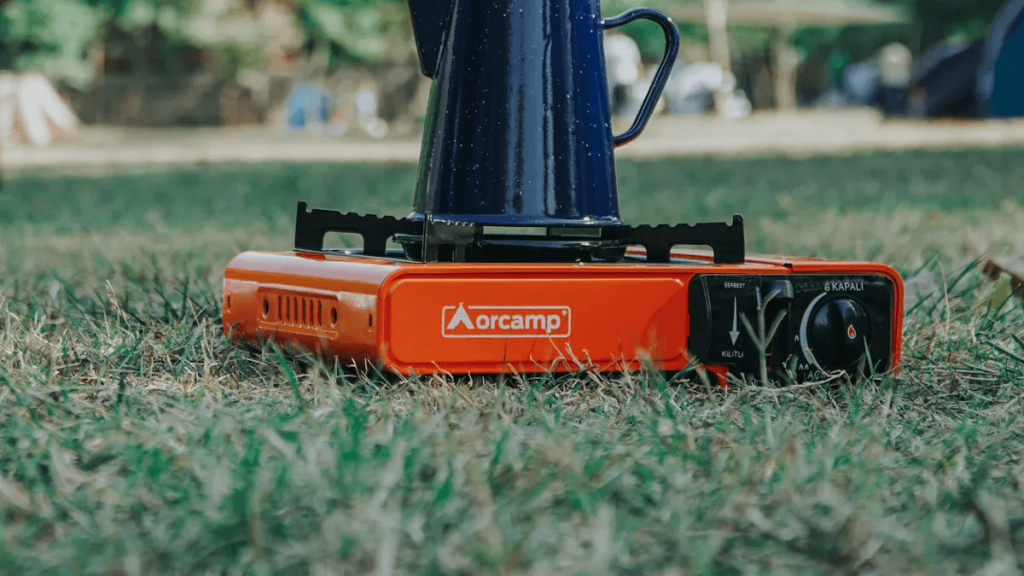
Camping trips are incomplete unless you can make your own food out in the wild. That’s why a portable stove is one of the top items on our camping essentials checklist. Portable stoves and ovens can help you make food on the go, whether it is fish you catch or any other type of food.
2. Fuel
Running out of fuel during your camping trip means no hot meals or coffee! That’s why you should always pack enough fuel for your stove. Make sure the fuel matches your stove type. Windy weather can make stoves use more fuel, so plan ahead.
3. Cookware
You need things to cook in. But obviously you can’t bring everything from your kitchen. So instead, focus on packing lightweight but reusable cookware items from your kitchen, including:
- Cast iron skillet or nonstick frying pan (depending on weight)
- Small pot with lid (for boiling water, soups, pasta)
- Grill grate (if you plan to cook over a fire)
- Cutting board (small and lightweight)
- Sharp knife (in a sheath or safe wrap)
- Cooking utensils (like a spatula, tongs, and a big spoon)
4. Cooler
A cooler keeps your camping food and drink fresh. Of course, nobody wants to drink warm water when they’re sweating or have cold food when they want a nice warm meal. Now, you come down to two options: you can either get a cooler bag or a cooler box.
What’s the difference between cooler bags and cooler boxes? Here’s a quick breakdown:
| Cooler Type | Keeps Cool | Safe Temp Time |
| Cooler Bag | Up to 24 hours | 14.5h (37.6-45.1°F) |
| Cooler Box | 5-7 days | 36-45h (<40°F) |
5. Food Storage Containers
Airtight containers are great for storing food. They keep pests and moisture out and prevent spills. These containers help organize your family camping checklist and keep food fresh.
6. Reusable Utensils
It’s not responsible camping if you’re littering everywhere you go. That’s why you should pack reusable utensils from home. Reusable utensils are eco-friendly and useful for your trip. They also cut trash and save thousands of gallons of water every year!
7. Biodegradable Soap
Cleaning after meals is simple with biodegradable soap. Here are some reasons why you should get biodegradable soaps instead of chemically-formulated soaps:
- Biodegradable soaps break down quickly.
- They use natural cleaners, unlike regular soaps that harm water life.
- Proper disposal stops water contamination.
Tip: Dispose of soapy water at least 200 feet from water sources to avoid pollution.
8. Firestarter
Mentioning a camping essential checklist and forgetting firestarters? No chance!
A firestarter is important for cooking and warmth. Use matches, a lighter, or a firestarter kit that works in wind or rain. Some kits are waterproof and easy to light, so you’re ready for any weather.
Personal
1. Weather-Appropriate Clothing
Wearing the right clothes makes your camping trip better. Dress in layers! Start with shirts that keep sweat away. Add warm layers like fleece, and finish with a waterproof jacket. Sweaters, socks, and beanies help during cold nights.
Tip: Wool and polyester are great for warmth and staying dry.
2. Sturdy Footwear
Strong hiking boots protect your feet on rough trails. They give support, comfort, and grip. Choose boots that resist water and support your ankles. Lightweight boots are great for long walks and reduce tiredness.
Safety Tip: Never walk on rocky paths, wet grounds, or unkept terrain without wearing proper hiking boots.
3. Rain Gear
Rain can surprise you, so pack rain gear. A light poncho or waterproof jacket that keeps you dry is a great start. Small rain gear fits easily in your camping essentials checklist, so you’re ready for bad weather.
4. Hat and Gloves
Hats and gloves are useful in all seasons. But when you’re out camping in the wild, it’ll protect your face, neck, ears, and hands from severe sunburn! A wide hat blocks UV rays, and gloves keep hands warm at night. Beanies help hold body heat when it’s cold, so make sure you pack them in your bags before leaving!
5. Toiletries
Stay clean with travel-sized toiletries. Bring a toothbrush, toothpaste, and biodegradable soap. These small items are eco-friendly and fit well in your family camping checklist.
Pro Tip: Biodegradable soap helps you clean without harming nature.
6. Sunscreen
Use sunscreen to protect your skin from UV rays. High-SPF sunscreen works best, especially in strong sunlight. Apply it often to stay safe outdoors.
7. Bug Spray
Many camping sites are full of bugs. Even if they don’t bite, they can be pretty annoying to deal with. To stop your camping trip from going awry, keep a bug spray in your bag. Bug spray keeps nasty bugs away so you can relax.
Tip: Pick one with DEET or natural oils like citronella for long-lasting protection.
8. First Aid Kit
You can never be done with your camping essentials checklist unless you’re ready for medical emergencies. Camping trips can mean slight slipups, but being ready for them makes all the difference. That’s why you should keep a first aid kit with you, no matter what!
Include bandages, wipes, pain medicine, and personal meds. Check your kit often to replace missing or expired items.
Your first aid kit should have:
- Bandages
- Antiseptic wipes
- Tweezers and scissors
- Pain relievers and allergy meds
- Medication (if you are on any)
Hand Tools
1. Multi-Tool
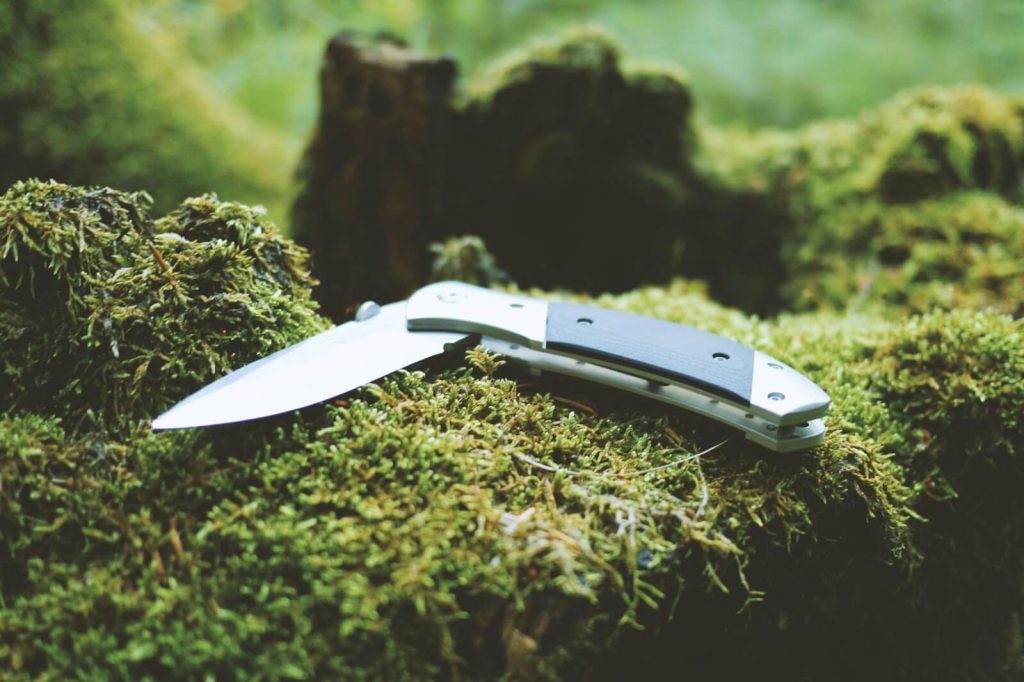
A multi-tool is like a small toolbox you can carry. It’s great for camping because it helps with many tasks. You can cut rope, tighten screws, or open cans. Use it to set up camp, cook meals, or fix gear. Some even help with first aid, like cutting bandages or removing splinters.
Why You Need It:
- Remove stakes or cut rope to set up your tent.
- Chop vegetables or open cans for cooking.
- Fix broken straps or tighten screws on gear.
2. Flashlight
A flashlight helps you see in the dark. Use it for walking trails or moving around camp safely. Pick one with enough brightness for your needs. For regular camping, 100-200 lumens is fine. For emergencies, choose 500+ lumens. Always pack extra batteries!
| Activity Type | Recommended Lumens |
| Casual Camping | 100-200 lumens |
| Night Hikes & Off-Trail Adventures | 300-500 lumens |
| Emergency Situations | 500+ lumens |
3. Rope
A rope or paracord is super useful for camping. You can use it to tie tarps, hang gear, or make a clothesline. Our collection of ropes at VEVOR is built with camping needs in mind. It is lightweight but tough, so it’s perfect for outdoor tasks.
4. Duct Tape
Duct tape is great for quick repairs. Fix torn tents, seal seams, or hold straps together. It’s small and easy to pack, so it’s perfect for emergencies. Always keep a roll in your camping gear.
WIth a duct tape by your side, you can:
- Patch a torn tent to keep water out.
- Fix broken backpack straps during your trip.
- Reinforce worn-out hiking boots to survive the trail.
- Make an emergency bandage by wrapping duct tape over a gauze pad.
- Repair a cracked water bottle to stop leaks temporarily.
5. Compass
Sometimes, your camping site won’t have signals for internet or mobile service to work. A compass helps you find your way when GPS doesn’t work. Use it with a map to locate trails, campsites, or landmarks. It’s a simple tool that keeps you from getting lost.
6. Map
A map is important for finding your way at camp. Choose one with clear labels, colors, and details like trails or restrooms. Some maps have extra features to make exploring easier. Add it to your camping checklist for a smooth trip.
7. Folding Saw
A folding saw is on our camping gear essential checklist because it makes gathering firewood quick and easy, especially when you need to cut thicker branches that a knife can’t handle. It’s compact, lightweight, and much safer to carry than a regular saw. Plus, it can help clear trails or set up shelters in a pinch.
8. Whistle
A whistle is a simple tool for emergencies. It makes loud sounds, between 90-120 decibels, that can be heard far away. Use it to call for help or warn others of danger. It’s small, light, and easy to carry.
Fun Fact: Emergency whistles are much louder than talking, so they grab attention fast.
FAQ
What are the most important items to pack for camping?
You’ll need shelter, food supplies, clothing, and safety tools. A camping checklist ensures you don’t forget essentials like a tent, sleeping bag, and first aid kit.
How do I choose the right camping gear?
Consider your destination, weather, and trip length. Lightweight, durable, and weather-resistant gear works best. Always test your equipment before heading out.
Can I camp without a stove?
Yes, but it’s less convenient. You can cook over a campfire if your campsite allows that. However, a portable stove makes meal prep faster and safer.
Conclusion
A fun camping trip begins with good preparation. This list includes all the basics, from tents to tools. You can easily adjust it based on your location and group size, making sure you don’t forget anything important before your big camping trip!
With reliable gear from VEVOR, you can relax and enjoy nature. Our camping essentials are made from durable materials and can last you years, making your camping trips comfortable and enjoyable! Follow this family camping essentials checklist to make lasting outdoor memories.