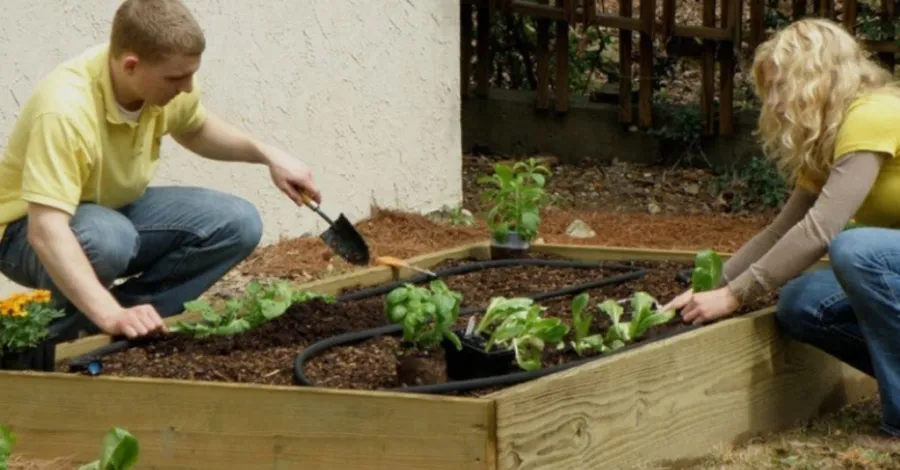
Ready to start building raised garden beds and transform your garden? Raised beds let you grow vegetables, herbs, and flowers in a small, organized space while making gardening easier and more enjoyable. Choosing the right spot is key—pick a sunny area with good drainage. Use durable materials for a long-lasting frame and the right soil mix to help plants thrive. Whether you’re a beginner learning how to build raised garden beds for vegetables or upgrading an existing garden, this guide gives simple step-by-step instructions. From planning to planting, you’ll create a productive, beautiful garden space you’ll love.
Benefits of Building Raised Garden Beds
Building your own raised garden beds can significantly improve the quality of your garden. They provide improved comfort, better control, and an overall healthier garden. You can make growing more organized and productive with a raised garden bed, even if you have limited space or poor soil. Once you understand all the benefits of raised garden beds, it’s easy to see why it’s a staple for any home garden, regardless of skill level.
Improved Soil Quality and Drainage
Being able to determine your own soil quality is one of the greatest benefits of having a raised garden bed. Instead of having to deal with rocky soil or clay-heavy soil, which is bad for growing plants, you can construct your own soil mixture, which is a crucial part of the process of learning how to build raised garden beds for vegetables. Veggies, for example, require soil that is not only loose but also rich in nutrients.
Raised beds also improve the water drainage. Because pesky, soil-saturating water isn’t able to sit in the soil, plants are able to develop a stronger root system and grow at a better and healthier rate. During the gardening season, plants will be healthy, and the raised bed will be perfect for soil mixtures.
Better Weed and Pest Control
Managing weeds and pests is easier with raised garden beds, especially at the beginning. Weeds start to grow from their surrounding soil, but with added soil, there’s only your soil in the bed.
Higher raised garden beds offer even more protection against pests. They naturally discourage small creatures like rabbits from hopping in, while mesh or fabric layers keep them, and even insects, from getting in. For gardening beginners, this design simplifies their raised garden beds and facilitates plant care.
Easier Access and Reduced Back Strain
Gardening is more pleasurable and involves less back pain because there’s less bending, squatting, and kneeling to complete gardening tasks. Because soil rests at a higher level, users can garden from a standing position, which makes the activity more comfortable, especially for seniors or those with mobility issues.
Gardening tasks like planting, watering, and harvesting become easier because the height of the bed can be adjusted to cater to the user’s preference. With a more comfortable design, gardeners are motivated to invest time in their garden. This is why building raised garden beds on a budget offers a worthwhile solution for long-term use.
Higher Yields and Longer Growing Season
Raised garden beds often produce higher yields compared to traditional gardens. The soil warms faster in spring, allowing you to plant earlier and extend your growing season. Plants grow closer together without competing for nutrients, leading to stronger growth and better harvests.
These beds also allow easy use of covers or hoops to protect plants from cold weather and pests. Choosing the best materials for raised garden beds helps retain warmth and durability, giving plants a stable environment. With proper planning, raised beds help maximize space and provide fresh produce for a longer time each year.
Materials Needed for Building Raised Garden Beds
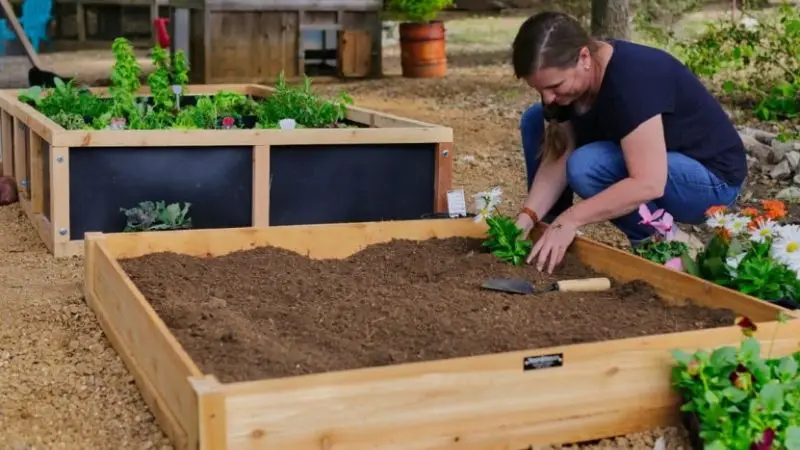
Before starting your garden project, it is important to choose the right materials. Good materials improve strength, appearance, and lifespan. When building raised garden beds, selecting suitable options helps your plants grow better and makes maintenance easier over time.
Best Wood Options for Long-Lasting Raised Garden Beds
Many gardeners love the use of wood for their raised garden beds, particularly pine for its economic value. It is inexpensive and very readily available. The life of pine wood is extended with good sealing. The options for customizing your garden bed are limitless, making wooden beds an excellent choice.
The following are examples of wood materials that can be used to build garden beds:
- Cedar tends to be long-lasting and requires little maintenance.
- Redwood naturally resists decay, and so can be used.
- Pine is cheaper, so it is good for those on a budget.
Non-Wood Materials for Strong and Modern Raised Garden Beds
Some gardeners prefer materials other than wood for a different look or longer lifespan. Metal panels offer a sleek design and require very little upkeep. Concrete blocks are sturdy and affordable, making them suitable for permanent garden beds.
Composite boards blend wood fibers and plastic, creating a weather-resistant option that lasts longer with minimal care. These materials are often used in kits, which is helpful when learning how to build raised garden beds for vegetables and wanting a faster setup.
Popular non-wood materials include:
- Metal panels for durability and style
- Concrete blocks for strength and affordability
- Composite boards for low maintenance
Essential Tools and Hardware for Building Raised Garden Beds
The right tools are also required to make the construction process a lot simpler, as well as to make sure a good and strong frame is built. Most raised garden beds require only simple, beginner-friendly tools. The frame also needs to be sturdy so it can support the weight of the soil. This will later keep the raised bed garden intact for the entire growing season.
Prior to filling the frame with soil, verify that all corners and connections are secure. A solid frame constructed now saves time and eliminates the need to make repairs later on
Here are the basic tools and hardware you will need to complete the project.
- A measuring tape for planning the layout.
- A saw to cut the materials.
- A drill and screws to hold the pieces together.
- A level to ensure the frame is even.
- Work gloves for personal safety
How to Build Raised Garden Beds Step by Step
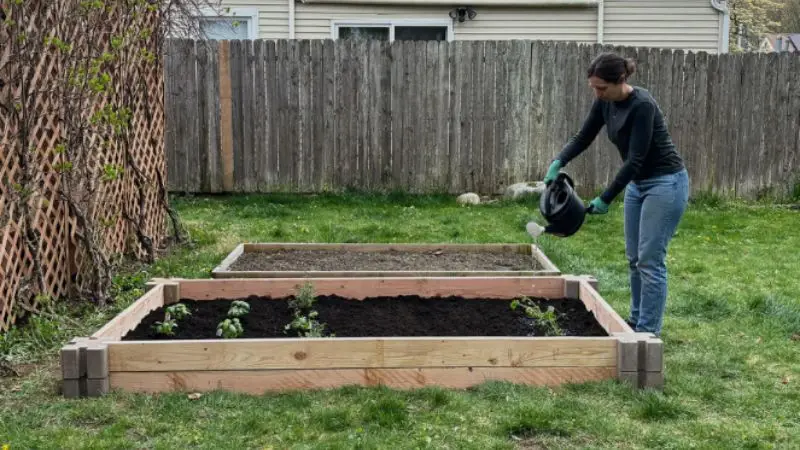
When all the stages are well planned and organized, building raised garden beds is a smooth and easy process. This guide shows you how to build raised garden beds for vegetables in a straightforward manner. This guide is perfect for both beginners and more experienced gardeners.
Prepare the Ground and Create a Strong Base for Raised Garden Beds
Start by selecting a sunny and open area for your garden bed. Clear away grass, weeds, rocks, and any debris from the surface. Level the ground carefully so the frame sits evenly and does not shift over time.
Laying cardboard or newspaper directly on the soil helps block weeds while allowing moisture to pass through. This preparation step supports long-term success when building raised garden beds and keeps unwanted growth from interfering with your plants.
Assemble the Raised Garden Bed Frame Step by Step
After laying the base, position your blocks/boards in the shape of the frame. Rectangular beds are standard, but you can customize the dimensions to fit the space you have available. Before you secure the frame, measure the sides to make sure they are even.
This step is important for those making simple raised beds for novice gardeners, as a frame that is aligned properly makes the rest of the build easier and more stable from the get-go.
Secure the Corners and Add Structural Support
After positioning the frame, secure each corner using screws or brackets. Tight connections prevent the bed from shifting once it is filled with soil. For longer beds, add support stakes along the inside to stop the sides from bowing outward.
This extra reinforcement is useful when building raised garden beds on a budget, as it strengthens the structure and extends the life of your materials without adding much cost.
Line Raised Garden Beds to Increase Durability and Control Weeds
Filling the frame’s interior with soil can exert pressure that can warp and damage the frame, which is why frame liners are important. They keep soil in and protect the frame. Staples, nails, or glue can be used to attach the liner.
Healthy soil and proper drainage are vital to the health of your vegetables, so include small holes toward the bottom of your liner so that water can easily flow.
Fill Raised Garden Beds With Healthy Soil for Plant Growth
The final step is adding soil to your raised bed. Use a mix of compost, topsoil, and organic matter to create a nutrient-rich growing environment. Fill the bed slightly below the top edge to leave room for watering.
Once filled, your bed is ready for planting. At this stage, you have successfully completed building raised garden beds, and your garden space is prepared for strong growth and productive harvests.
Best Soil Mix for Raised Garden Beds
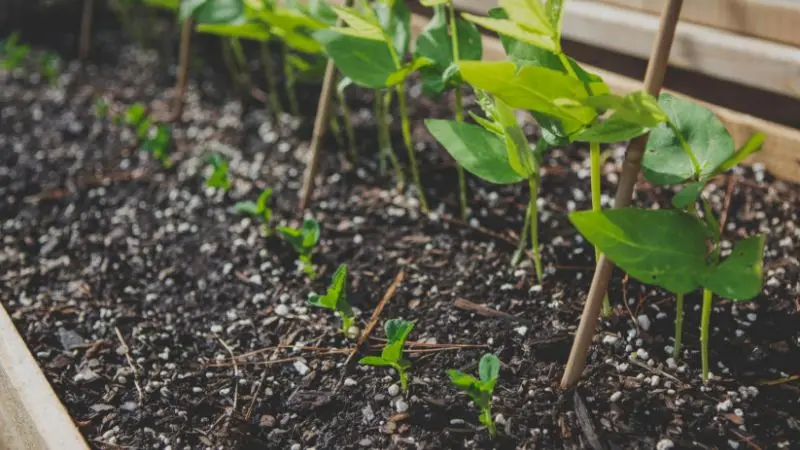
Soil quality plays a major role in how well your plants grow. Even if your frame is strong, poor soil can limit results. When building raised garden beds, choosing the right soil mix helps roots develop properly and supports healthy vegetables and flowers throughout the season.
Ideal Soil Composition for Growing Vegetables and Flowers
Soil that holds water is as critical as soil that is able drain to support the plants’ moisture needs. Adequate soil mixes provide roots with air, nutrients, and room to grow, and are critical to successfully growing vegetables in your beds. Quality soil is especially vital in raised beds for vegetable growing.
Most gardeners mix topsoil, compost, and a light material like peat moss or coconut coir. This mixture offers a balance of structure, nutrients, and moisture retention, and facilitates drainage. This blend produces soil of a desirable consistency for raised beds.
Most gardeners mix topsoil, compost, and a light material like peat moss or coconut coir. This mixture offers a balance of structure, nutrients, and moisture retention, and facilitates drainage. This blend produces soil of a desirable consistency for raised beds.
Simple DIY Soil Mix for Raised Garden Beds
Making your own soil mix is easy and affordable. It also allows you to control what goes into your garden, which is helpful when building raised garden beds on a budget. A basic mix works for both vegetables and flowers and can be adjusted based on plant needs.
A simple homemade soil blend includes:
- One part topsoil for structure
- One part compost for nutrients
- One part peat moss or coconut coir for drainage and moisture balance
Mix everything directly inside the bed until it is evenly blended. For extra nutrition, small amounts of organic fertilizer or worm castings can be added. This approach supports healthy growth and pairs well with easy raised garden beds for beginners.
Common Soil Mistakes to Avoid in Raised Garden Beds
Even well-built beds can struggle if the soil is not prepared correctly. Your plants should be able to establish strong roots. This makes the importance of soil preparation complement the construction of your raised garden beds.
Common mistakes include:
- Using just garden soil can make it too compacted.
- Leaving out compost will make the soil nutrient-poor.
- Ignoring drainage can lead to water build-up.
- Putting in soil that has weeds or pests.
Paying attention to these issues helps maintain healthy soil and supports long-term success. With the right mix, your raised garden bed will provide a productive and enjoyable growing space season after season.
What to Plant in Raised Garden Beds
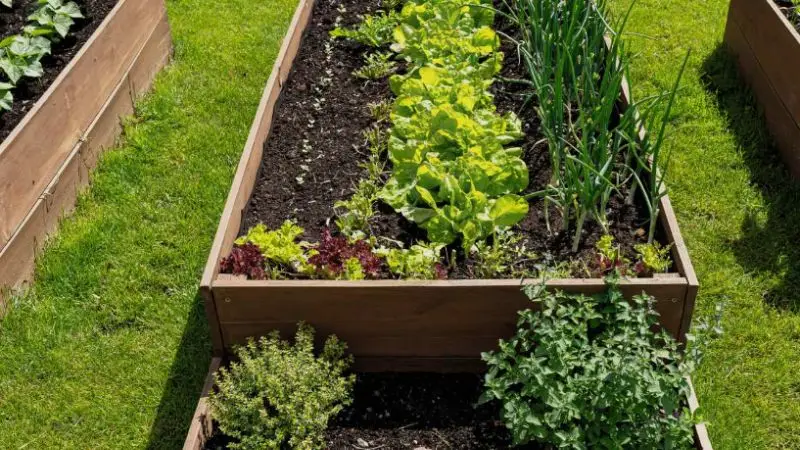
One of the best things about raised garden beds is how flexible they are. You can grow vegetables, herbs, and flowers together in one space. When building raised garden beds, choosing the right plants helps you get better harvests and makes the most of your soil and layout.
Best Vegetables to Grow Successfully in Raised Garden Beds
The majority of vegetables, if not all, thrive in raised beds because the soil is not only loose, but it is also able to drain properly, and root systems can spread freely. This is also beneficial when learning how to build raised garden beds for vegetables, since vegetables respond very quickly and positively to good soil conditions.
Here is a list of vegetables that do especially well in raised beds:
- Strong-rooted deep-growers include tomatoes and peppers.
- Quick-harvesters include lettuce, kale, and spinach.
- Straight deep-rooters include radishes, carrots, and beets.
All of these crops do well in raised beds when properly spaced. To maximize your gardening season, these crops can be planted in small raised beds and will yield a full, dependable harvest of fresh vegetables.
Herbs and Flowers That Grow Well in Raised Garden Beds
Herbs are a perfect match for raised beds because they enjoy well-drained soil and easy access. Many herbs grow compactly, making them ideal for smaller spaces. Flowers can also be added to improve appearance and support garden health.
Great options to plant include:
- Herbs like basil, parsley, thyme, oregano, and cilantro
- Flowers such as marigold, nasturtium, calendula, and zinnia
These plants add color, attract pollinators, and help balance the garden ecosystem. Mixing herbs and flowers with vegetables works well for easy raised garden beds for beginners who want a simple but productive setup.
Companion Planting Ideas for Raised Garden Bed Gardening
Companion planting is growing different types of plants together for mutual benefit. Raised garden beds make this easier as it allows for the management of plants as they grow closer together. While constructing your garden bed, some companion planting combinations can be added to enhance the productivity of your garden.
Some examples of successful companion pairings are:
- Basil and marigold plants with tomatoes
- Carrots with onions or lettuce
- Cucumbers with dill or nasturtium plants
Combining vegetables, herbs, and flowers in a single bed is essential for a good growing environment. It will improve your soil health and help to keep your harvest up over the seasons, especially when you use quality materials to construct your raised garden beds.
How to Maintain Your Raised Garden Beds for Optimal Plant Growth
Hydroponic garden beds dry out much quicker than typical in-ground beds, meaning regular watering is vital! Checking the soil will tell you how dry plants are, as roots typically will go dry, as will the moisture at the bottom of the soil. Pat dry soil is an indicator for watering. Deep watering helps roots grow stronger and deeper, fortifying the plants.
How to Water Raised Garden Beds Efficiently
Raised garden beds dry out faster than in-ground gardens, so consistent watering is important. Checking the soil often helps you understand when plants need moisture. If the soil feels dry a couple of inches below the surface, it is time to water. Deep watering encourages roots to grow downward, making plants stronger and more resilient.
Watering in the morning works best because plants absorb moisture before the heat of the day. Gentle watering methods protect soil structure and prevent damage to young plants. Many gardeners choose drip irrigation because it saves water and delivers moisture directly to the roots, which works well for easy raised garden beds for beginners.
Using Mulch to Control Weeds and Protect Soil
Planting and maintaining raised beds is easier with a thin layer of mulch. A layer of mulch on the soil helps the soil retain moisture. Mulch also helps regulate soil temperature, protecting roots on hot days.
Options for mulch include:
- Straw: easy to spread and light coverage
- Shredded leaves: enrich the soil when they break down
- Wood chips: look nice and last longer
If you remove weeds early, they do not have the chance to compete with your plants for nutrients and water. When paired with the best materials for raised garden beds, regular care and maintenance keep raised beds clean and productive.
Wrap-Up
Raised garden beds are a smart and practical way to grow healthier plants with less effort. From choosing the right materials to preparing soil and ongoing care, every step matters when building raised garden beds. They improve drainage, reduce weeds, and make gardening more comfortable for all ages. Whether you are learning how to build raised garden beds for vegetables or creating easy raised garden beds for beginners, this method offers flexibility and better results. With the best materials for raised garden beds and simple maintenance, even gardeners building raised garden beds on a budget can enjoy strong plants, higher yields, and a more enjoyable gardening experience season after season.
FAQ
How deep do I need to build my raised garden bed?
To grow most vegetables, you need at least 12 inches of depth. Beds of greater depth allow roots to grow better. If you intend to cultivate carrots or potatoes, then your raised garden bed needs to be 18 inches deep.
Is it ok to put my raised garden bed on concrete?
You can put your raised bed on concrete. Just be sure that your raised garden bed has good drainage. Fill your bed with a thick layer of soil and compost. You may want to use a liner to keep soil from coming out.
What is the best time to build a raised bed garden?
You can build your raised bed at any time when there is no frost on the ground. Most gardeners build their beds at the start of spring, so they can grow and harvest vegetables during the gardening season.
Do I need to line my raised garden bed?
Lining your raised garden bed can keep the weeds out and can protect the wood from getting damaged. You can use landscape fabric or plastic with drainage holes.
How often should I water my raised garden bed?
You should check the soil every day. Raised garden beds lose moisture faster than ground beds, and during hot weather, you want to be careful not let the soil get dry. You should water when the upper 2 inches of the soil dry out.