Have you ever stood in the paint aisle, staring at a shelf full of high-end sprayers and a wall of brushes, wondering which one would really save your weekend? When weighing the pros and cons of brush vs spray paint, it’s necessary to adjust the method to suit your specific goal, not just the tool.
A good high-pressure sprayer can turn a tough ten-hour day into a two-hour piece of cake if you’re looking to get the job done efficiently. But is speed always better than the classic bristle brush’s accuracy? Let’s find out which method is best for your home.
What is brush painting?
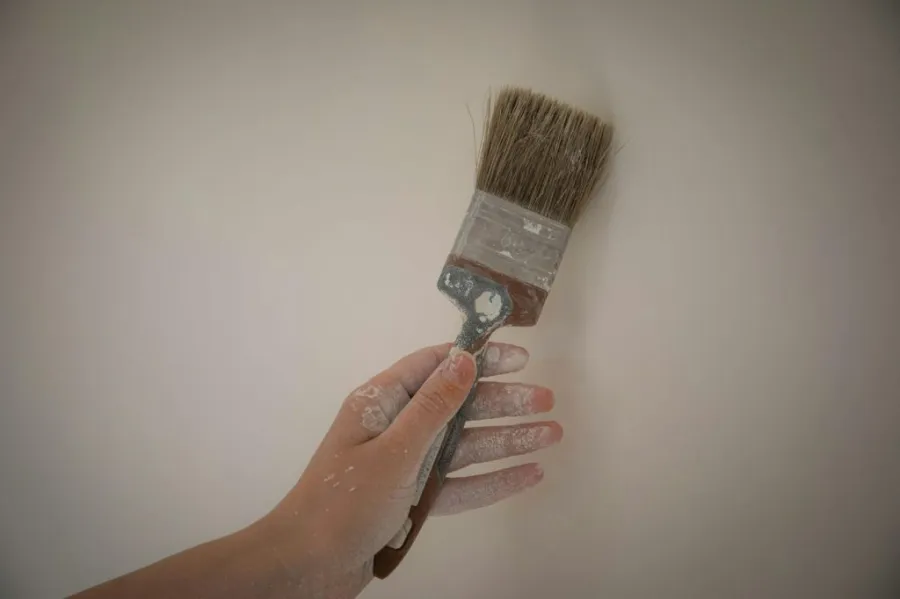
The traditional way of painting is brush painting. This involves applying paint to a surface by hand using either real or fake bristles. You have full control over each drop with this hands-on approach.
- The Bristle’s Beauty: Brushes create a thick, long-lasting coat. This is especially good for those who enjoy the craft of do-it-yourself projects, as you can feel the texture of the material as you’re applying it. It’s also good at pushing the paint into the surface’s pores.
- Accuracy in Your Hand: You can access confined spaces with a brush without overspray landing on the ground. All you need is a steady hand, the can, and yourself. You don’t have to worry about a machine clogging up because you can stop and start whenever you want.
What is spray painting?
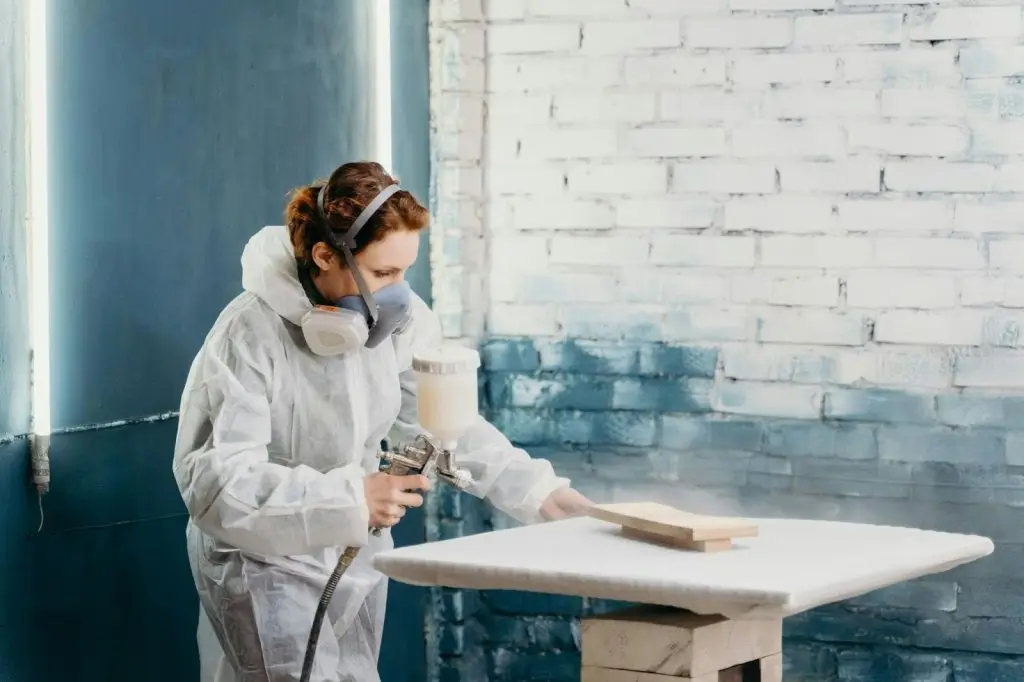
Compressed air or high pressure is used in spray painting to create a fine mist from liquid paint. Compared to conventional procedures, this mist dries considerably more quickly after landing on your object in a thin, uniform layer.
- Contemporary Efficiency: When comparing airbrush vs spray paint, the size of the task is frequently the determining factor. A basic airless sprayer is the fastest option for do-it-yourself jobs. It fills in spaces and textures that a brush could completely overlook.
- That Factory Appearance: Spraying is the solution if you detest seeing brush marks. It produces a smooth, showroom-like surface that resembles glass. It is the benchmark for elegant, contemporary house remodeling.
Factors to consider when choosing your painting method
The needs of your project will determine whether the brush vs spray paint option is best. To help you quickly compare the two, here is a brief breakdown:
| Feature | Brush Painting | Spray Painting |
| Speed | 1x (Slow & Steady) | 4x to 10x (Blazing Fast) |
| Finish Quality | Textured / Shows strokes | Glass-smooth / Factory look |
| Prep Time | 10% Prep / 90% Painting | 70% Prep / 30% Painting |
| Paint Usage | Highly Efficient | Uses 20-30% more (Overspray) |
| Equipment Cost | $5 – $30 | $100 – $500+ |
| Best For | Trim, Touch-ups, Small rooms | Fences, Cabinets, Exterior walls |
Finish quality and surface smoothness.
- Brush Paint: Brushes inherently produce faint tracks or ridges. This gives rustic furniture a homemade appeal, but if you want a modern style, it might be annoying.
- Spray Paint: Because it atomizes the paint into tiny droplets, spraying wins for smoothness. But there is a trade-off between brush vs spray paint for wood; brushes aid in pushing paint into porous grains for improved initial adhesion.
Speed and efficiency
- Brush Paint: This is a systematic, slow process. It’s a nice way to spend a leisurely afternoon, but if you’re trying to cover a long fence line or a large garage door, it can get very taxing.
- Spray Paint: Set down the brush if you need to paint a whole room. In just a few seconds, a sprayer may cover an enormous area. The actual application saves your arms and back and is a delightful breeze.
Control and precision
- Brush Paint: The masters of control are brushes. A window frame can be painted without covering every square inch of glass with tape. You have complete control over the placement of each paint drop.
- Spray Paint: To protect everything within ten feet, sprayers need a kill zone of plastic sheeting. The tiny mist has the potential to drift onto surrounding cars, windows, and floors if it is not carefully masked.
Spray paint vs brush paint cost.
- Brush Paint: This is the most affordable starting point. There is virtually no paint waste, and a tray and a few high-quality brushes will only cost a few dollars.
- Spray Paint: Purchasing a sprayer is an investment. You are paying for the gift of time, even though the machine is more expensive initially. Remember that overspray will result in a 20–30% increase in paint usage.
Set up, clean up, and mess.
- Brush Paint: Just open the can and get started right away. Cleanup is likewise simple; all you need to do is wash your bristles in the sink with some soapy water to end the day.
- Spray Paint: To avoid obstructions, sprayers need to have their hoses flushed and their nozzles cleaned. But for the typical homeowner, this cleanup is far less of a hassle when they employ an easy-to-use spray system with removable pieces.
Skill level and learning curve
- Brush Paint: Almost anyone can use a brush to get respectable results right away. Errors can be easily fixed before they dry, and it is incredibly forgiving.
- Spray Paint: Mastering the sweep technique requires some practice. The paint may drip or sag if you move too slowly, but once you get your rhythm, the results are polished.
Safety and ventilation requirements
- Brush Paint: Using brush paint is a low-fume technique. It is safer for small, enclosed indoor settings because there are no airborne particles to be concerned about, even though you still want a window open.
- Spray Paint: Here, safety is crucial. You need to wear eye protection and a respirator because the paint is misted. To keep your lungs clear, it works best in spacious, open spaces or well-ventilated garages.
Use brush painting when…
For little, intricate work where dexterity is more crucial than speed, reach for the brush. When you have a limited amount of time and don’t want to bother with the setup of heavy equipment, it’s the ideal option for cutting in around ceilings.
Project: Baseboards and Interior Trim
A brush is by far the safest option when working on baseboards near to flooring or carpet. It provides you with the surgical accuracy required to apply a precise line without running the risk of paint mist spilling onto your flooring. Hours of taping or large plastic tarps are not necessary to create a neat, sharp border.
Project: Minor Touch-ups for Furniture
A brush is the fastest technique to blend a minor chip on a table leg or a scratch on a hardwood chair. It would be excessive to set up a whole machine for a two-inch scrape. Brushing makes the restoration almost undetectable by allowing you to feather the paint into the existing surface.
Project: Doors with Deep Decorative Panels
A brush is frequently preferable for doors with deep, complicated grooves, even though sprayers may swiftly cover flat surfaces. It ensures that the wood is completely coated and protected from moisture by enabling you to physically massage the paint into those small ornamental nooks. For brush vs spray paint for wood projects where long-term durability is the aim, this is particularly important.
Use Spray Painting When…
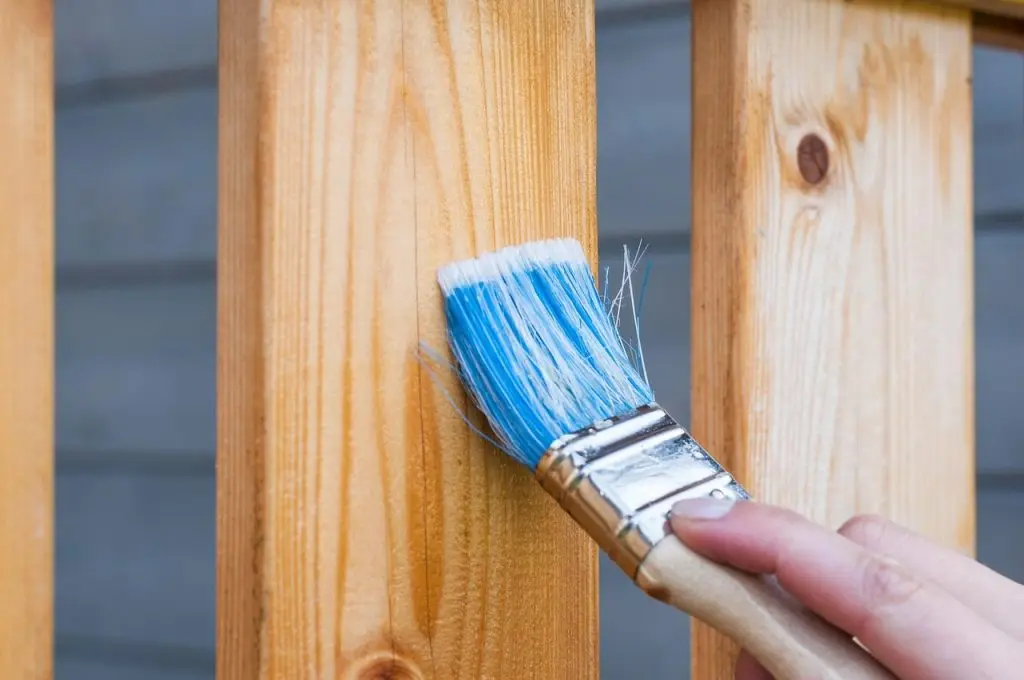
When it comes to large surfaces or objects with intricate, non-flat features, spraying is without a doubt the best option. A sprayer is a true lifesaver for your wrists and your schedule if you are discussing brush vs spray paint for furniture like cribs, dining chairs, or anything with lots of spindles.
Project: Huge Decks and Fences
Using a hand brush to paint a 50-foot privacy fence is a multi-day nightmare. With a sprayer, the process is completed in a fraction of the time, and paint is forced into every wood grain and thirsty crevice. It avoids the patchy effect that results from a brush drying too quickly between portions, giving large lengths a far more consistent appearance.
Project: Cabinets for the kitchen
A sprayer is definitely necessary for kitchen cabinets to have that upscale, factory gloss. It removes the peaks and valleys left by brushes in do-it-yourself hand-painted lines. Your old cabinets will appear as though they were just delivered from a professional showroom if you use a high-quality sprayer to give them a mirror-smooth surface.
Project: Textured or Wicker Furniture
Wicker and rattan have deep gaps and overlapping weaves that brushes just cannot reach. A high-efficiency sprayer rapidly coats every concealed angle and wraps around every fiber with a fine, pressured mist. It is the only dependable method for completely covering woven textiles without leaving untidy paint globs in the cracks.
FAQs
What are the disadvantages of spray painting?
Prep time and paint waste are the biggest drawbacks. Also, taping off sections takes a lot of time. Additionally, you typically use more paint than brush. When spraying outside, wind can also be a big hindrance.
Is it better to spray paint or brush paint furniture?
Spraying is preferable for a polished, factory appearance. It stops brushstrokes. However, a brush is frequently chosen for a rustic style to display character and hand-painted charm.
How long will spray paint last?
A sprayed finish can last five to ten years if the surface is prepped properly. Compared to thick, heavy brush coats that could eventually break, it is less likely to peel because it applies thin, even layers.
Do professional painters use a spray?
Yes, the majority of professionals utilize sprayers for new homes and huge exteriors. It enables them to provide a better finish in a much shorter amount of time. Brushes are usually reserved for precise detail work or cutting in.
Conclusion
Now, returning to our first query, is the sprayer a worthwhile purchase? If you value your time and want a perfect finish, the answer is definitely yes. Use the sprayer for heavy lifting and the brush for little details in the dispute between brush vs spray paint.
You’re not just painting when you select a tool that strikes a balance between power and use; you’re renovating your house like an expert. The brush refines the details, and the sprayer saves your weekend.