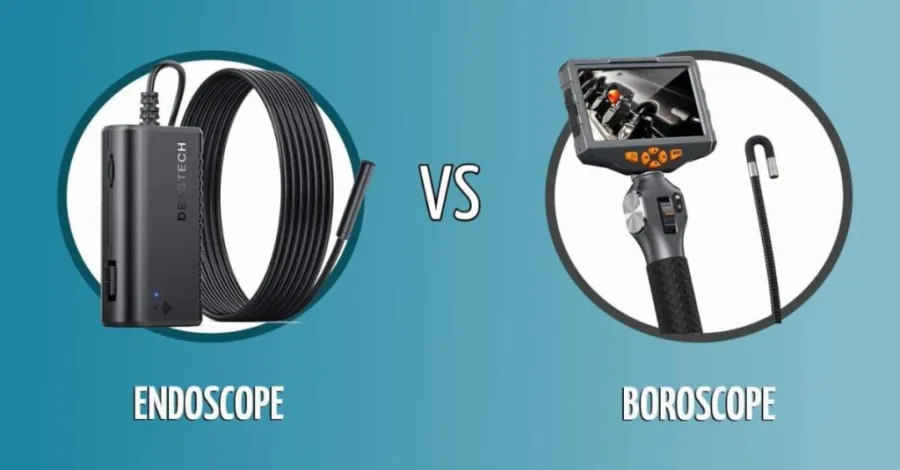
When checking sewers or plumbing, you need to be able to see clearly inside drains, pipes, and underground systems so you can quickly figure out what’s wrong and fix it. The way plumbers and testers find problems has changed since borescopes and endoscopes became more common. But it can be tough to pick the right tool for the job since many of them look and work the same. In this guide, we will explore borescopes vs endoscopes. Let’s look at how they can be used to check sewers and pipes.
What Are Borescopes vs. Endoscopes?
What is a Borescope
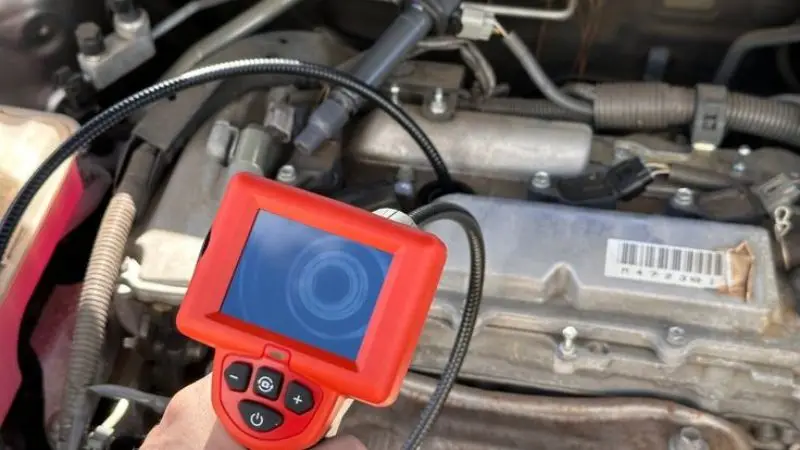
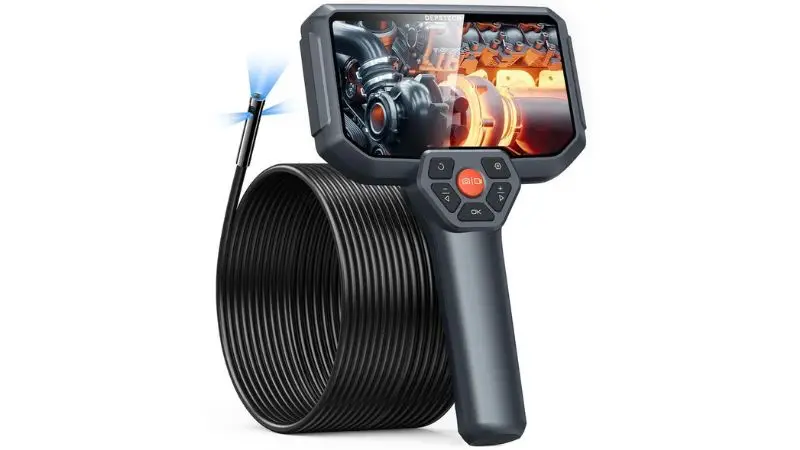
A borescope is a tool for looking inside things. It features a camera at the end of a flexible or rigid tube, along with LED lights to aid visibility. The camera sends pictures or videos to a screen or phone, which lets people see places that are hard to get to. People who work in aviation, automotive repair, manufacturing, and plumbing often use borescopes.
What is an Endoscope
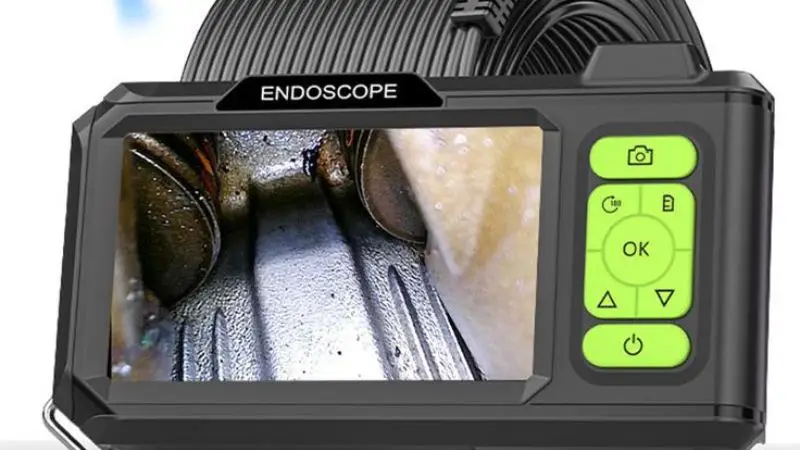
The first use of an endoscope was in medicine. It is a flexible tube with a camera and a light source. Over time, the word has come to mean a wide range of fields, and it is now used to refer to small, lightweight inspection tools that are easy to use. So there are also non-medical endoscopes for sewer and plumbing inspection. These are mostly similar to a borescope. The only difference is that it is not suitable for heavy tasks. You can use it to fix small plumbing problems at home or maintain the flow of sewer.
Borescope vs. Endoscope: A Comparison of Key Features
It’s important to know what each tool does best when choosing between a borescope and an endoscope. This is a comparison that shows how they are made, how they work, and what they are best for.
| Feature | Borescope | Endoscope |
| Primary Use | Plumbing and industrial inspection | Light-duty inspection, household |
| Cable Type | Rigid or semi-rigid/flexible | Mostly able to bend |
| Length of the cable | As long as 30 meters or more | Usually less than 10 meters |
| Durability | Tough, waterproof, and resistant to dirt | Not as strong, might not be fully waterproof |
| Quality of Camera | High-definition and zoom features | It changes, but the resolution is usually lower. |
| Lighting | High-intensity LED, adjustable | Basic LED lighting |
| Display | Dedicated monitor or phone app | Mostly mobile-based |
| Cost | Higher due to industrial build | More affordable for basic needs |
| Portability | A little heavier, with more gear | Not heavy and small |
Which tool is best for checking plumbing and sewers?
Let’s look at how each tool works in different areas of plumbing and sewer inspections. So, you can pick the best one for your home job. First, you need to know why you want it:
1. Depth and Reach
For sewer inspections, the length and flexibility of the cable are important. As it is common that sewers can be long underground or in large buildings. You need an easily accessible cable that can inspect any clog in all corners. You have a good solution in the form of a borescope. Borescopes usually come with longer, stronger cables that can reach up to 30 meters or more.
This makes them great for getting deep into sewer lines without losing picture quality or flexibility. Endoscopes, on the other hand, don’t go as far. Most models can only go about 10 meters, so they may not be good for full-scale plumbing inspections. However, they can help check inside sink drains or shorter pipes.
2. Quality of images and videos
Some modern borescopes have cameras that can record in 1080p or even 4K resolution. They might also have features like zoom, pan, and rotation that make it easier to see. Professionals need high-quality images to find small cracks, corrosion, or blockages.
Endoscopes are good for basic checks, but they don’t always have enough resolution and clarity. This makes it harder to find specific problems, especially in dark or dirty places like sewer pipes.
3. Durability and Waterproofing
Plumbing and sewer systems deal with water, trash, and sometimes even corrosive environments. Borescopes for industrial use are made of tough materials like stainless steel and have an IP67 or higher rating for being waterproof. This ensures the device can withstand being submerged and exposure to dirt or waste.
Many consumer-grade endoscopes are somewhat waterproof, but they shouldn’t be used in wet or harsh conditions for long periods of time. A splash might not hurt them, but going underwater in a sewer line could easily break them.
4. Simple to use and carry around
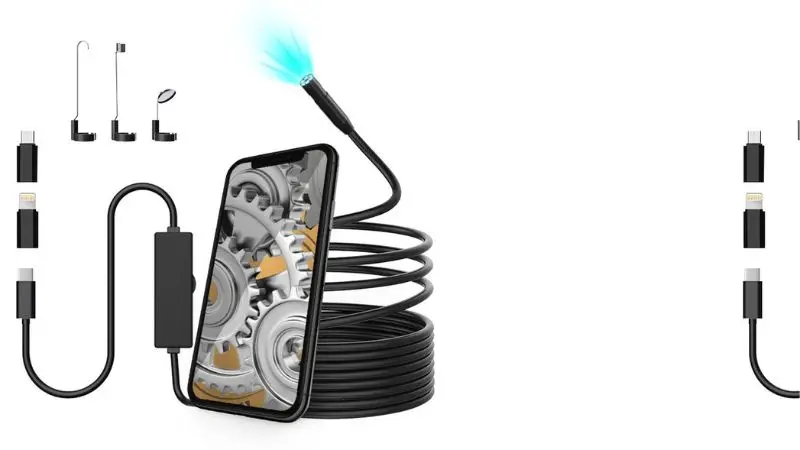
Most of the time, endoscopes connect to a smartphone or tablet through USB or Wi-Fi. They are light, easy to carry, and require minimal setup. They are very useful for quick checks and home use. Borescopes are bigger, especially those with separate monitors or longer cables. But newer models are easier to use because they work with mobile devices and have batteries that can be recharged.
5. Keeping and sharing data
Many professional borescopes have built-in memory or SD card slots that let you take pictures and videos. You can use these to keep records or give them to clients. Some high-end models even let you record voice notes or watch live video. Endoscopes can record through devices that are connected to them, but they often depend on the software and storage space of the phone. This can make things less helpful, especially at work.
6. Price and Availability
Most of the time, endoscopes are cheaper, and you can find good ones for less than $50. This makes them easy for homeowners and do-it-yourselfers to get to when they need to check on pipes. Depending on the brand, features, and durability, borescopes can cost anywhere from $100 to more than $1000. Plumbing professionals who use these tools every day should spend the extra money on them.
Use Case Scenarios: When to Use Each Tool
When to Use a Borescope
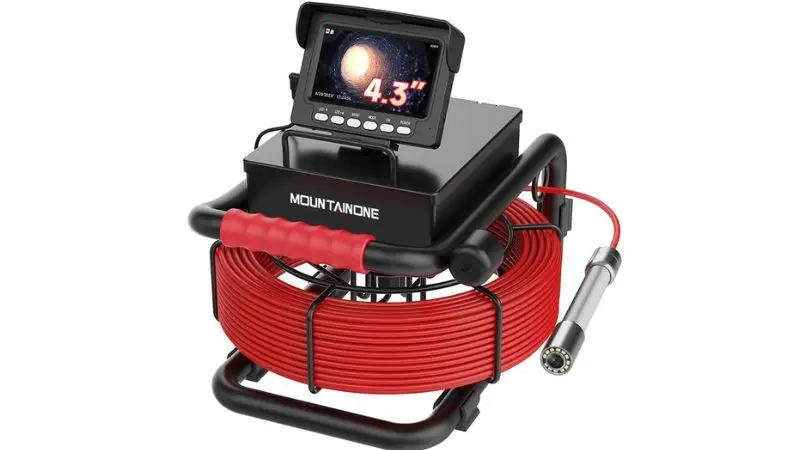
When you need to look at deep or long sewer lines, borescopes are very helpful. They allow you to inspect pipes without breaking anything or digging. This makes it easy for plumbers to find problems like clogs, cracks, or damage. Borescopes can also be used in wet or rusty places because they are built to last.
Borescopes are also great because they provide clear images and videos. This makes it easier to identify the issue inside the pipe. Plumbers can save these pictures to show to clients or put them in reports. This helps explain the problem, track relevant information, or use them for legal or insurance purposes.
When to Use an Endoscope
Endoscopes are great for small plumbing jobs around the house. They are good for checking sink and bathtub drains for clogs or other minor problems. Many people use endoscopes to perform simple plumbing tasks around the house without hiring a professional. They are also helpful for checking out things like dishwashers and washing machines.
If you’re on a tight budget or just starting, endoscopes are a good choice. They are small, simple to use, and easy to carry around. These are great for quick checks when you don’t need expensive tools. An endoscope is a good choice if you need something simple and easy to use for basic inspections.
Real-World Application: How Plumbers Use Borescopes
Professional plumbers and sewer inspectors often use borescopes for things like:
- Finding root intrusion or blocked pipes
- Finding cracks or leaks in pipes that are buried
- Checking the integrity of the repair
- Looking at septic tanks
- Finding out why the water is draining slowly or making gurgling noises
These checks reduce the need for exploratory digging, thereby saving time and money. Plumbers can also build trust and clearly explain the repairs that need to be made by showing clients a live video.
Choosing the Right Tool for Your Needs
Think about what you need to do before you choose between a borescope and an endoscope. Think about this:
- How far do I need to look?
- Will I have to work in wet or dirty places?
- Do I need images that are clear and of good quality?
- Am I using this tool for work or just occasionally?
- And how much money can I spend?
A borescope is the better choice if you need something big, with a long reach, and clear pictures. But if you just want to do quick checks at home and don’t want to spend a lot of money, an endoscope should work just fine. The right tool for you depends on what you need it for and how often you’ll use it.
Practical Tips
When you buy a borescope or endoscope, check some important features. These things help you get the best tool for your needs:
- Resolution: Pick a camera with high resolution. This allows you to notice small details when you check or examine.
- Length and Diameter: Measure the space you need to reach. A longer tool can go deeper.
- Light Source: Make sure the tool has a bright, adjustable light.
- Durability: If you use the tool in tough places, pick a borescope that is strong and waterproof.
- Image and Video Recording: Some borescopes and endoscopes let you save pictures or videos.
- Ease of Use: Pick a tool with easy controls. You want to move the camera easily and capture clear pictures without any issues.
Final Thoughts
When it comes to plumbing and sewer inspections, the winner of the borescope vs. endoscope debate depends on how big and serious the job is. Both tools are used for remote visual inspection. Moreover, their construction, features, and performance are better suited for different levels of skill and use.
- A borescope gives professional plumbers and contractors the best depth, clarity, and durability.
- An endoscope is a cheap and straightforward way for do-it-yourselfers or homeowners to start checking their pipes.
You can make a smart investment that saves you time, money, and a lot of digging if you know what each one can and can’t do.
FAQ
Is it possible to connect a borescope or endoscope to my phone?
Yes! You can connect a lot of modern borescopes and endoscopes to your phone through USB or Wi-Fi. You can watch live video and record videos right on your phone with this.
Which one has better picture quality: an endoscope or a borescope?
Borescopes usually have better cameras that can shoot high-definition video and zoom in. Endoscopes might be fine for basic pictures, but the quality of the pictures is often lower.
Do borescopes work in water?
Yes, most plumbing-grade borescopes are waterproof and can work in wet, dirty, or even underwater conditions. Always check the IP rating to make sure it’s right for the job.
Can I use an endoscope to check my sewer pipes at home?
Yes, but only for quick and easy checks, like looking inside a drain in the bathroom or kitchen. Endoscopes aren’t long enough or strong enough to work in deeper or dirtier sewer lines.
How long should the cable used for sewer inspections be?
A cable that is at least 15 to 30 meters (50 to 100 feet) long is best for sewer inspections. This lets you get deep into sewer lines without having to dig or disconnect anything. Most of the time, borescopes come with these longer cables.