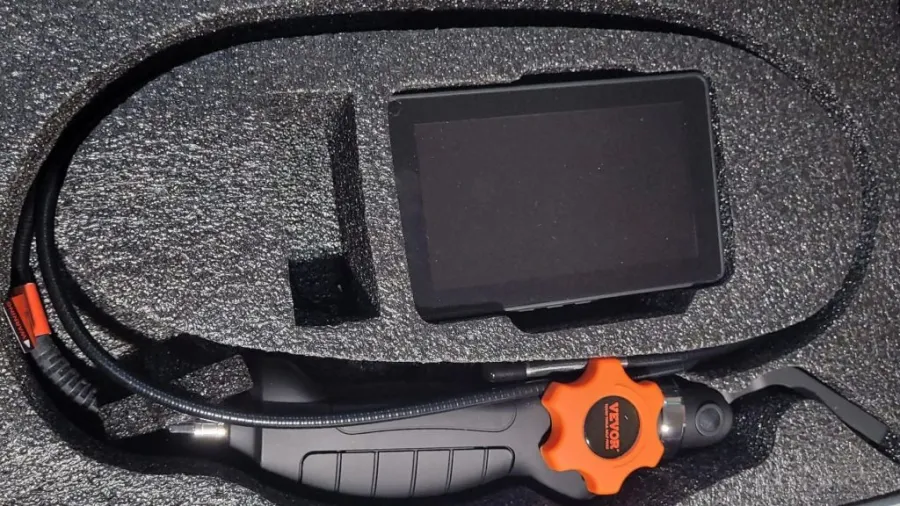
A rough idle, low compression on one cylinder, a rattle you can’t place tearing an engine down to find the cause costs hours and risks leaks. A borescope for engine inspection skips most of that: slide a thin camera through the spark-plug hole and read the cylinder wall, valves, and piston top on a screen. As an engine diagnostic camera, it turns guesswork into a picture. New to the tool? The borescope basics explain how it works. This guide covers the specs, the picks, and the jobs an engine inspection camera handles best.
What A Borescope For Engine Inspection Is
An engine inspection borescope is a slim camera on a flexible or rigid cable that reaches into tight engine spaces a wrench can’t. One end carries the lens and an LED; the other shows the view on a screen or a phone, the same idea behind the wider inspection camera family. As an engine inspection camera, it turns a blind diagnosis into something you can actually see.
How The Probe Reaches Inside A Cylinder
The probe on an engine borescope is thin enough (3.9 to 8 mm) to pass through a spark plug or injector hole straight onto the cylinder wall and piston crown. Gently push it in, rotate to scan the bore, and the LED lights the chamber while the camera sends live video back. A good cylinder inspection camera holds the cable steady so the picture doesn’t wobble as you feed it past the valves. That steadiness separates a real engine inspection tool from a toy, which is why a car engine camera built for the job stays clear where a cheap engine viewing camera blurs. A short articulating borescope guide shows the motion.
What are the main uses of a borescope in auto repair?
In auto repair, an engine borescope handles checks that used to require a teardown. The main uses:
● Inspecting cylinder walls, valves, and piston crowns for scoring, carbon, or cracks
● Spotting coolant or raw fuel in a cylinder before deeper diagnosis
● Checking intake and exhaust ports without pulling the head
● Locating dropped bolts, broken clips, or debris in the block
● Verifying a repair inside the engine before you button it up
An automotive borescope does all this through one small opening, which is why a shop reaches for this engine diagnostic camera before a general pipe-inspection camera tool. Used for engine inspection, it saves hours on every diagnosis.
3 Specs That Make A Good Engine Borescope
Three specs determine whether an engine borescope earns its keep: probe diameter, image quality, and flexibility.
Three specs determine whether an engine borescope earns its keep: probe diameter, image quality, and flexibility. Get these right for your engines and the rest is comfort, like any tool in your tool lineup. These turn an engine inspection borescope from a gadget into a real inspection tool, so here is what each one changes.
Probe Diameter For Spark-Plug Holes
Diameter decides what the probe can enter. Most car spark-plug holes take a 5.5 to 8 mm head, while direct-injection or motorcycle plug wells may need a 3.9 mm tip. A thinner cylinder inspection camera reaches more engines but carries a smaller lens, so you trade a little image size for access. A compact 3.9 mm car engine camera clears the tightest wells, while a 6 mm engine endoscope suits most sedans. Measure your tightest plug well first, then pick a diameter that clears it with room to turn; the basics of borescope sizing cover that.
Resolution And Lighting For Dark Cylinders
A cylinder is dark and oily, so resolution and light matter as much as reach. A true 1080p engine diagnostic camera shows scoring, pitting, and carbon the eye would miss, and adjustable LEDs keep a shiny bore from washing out. For reading fine valve seats, a car engine camera with 8X zoom and dimmable lighting beats a brighter fixed light. Pair high resolution with even light and a zoom inspection camera reveals the real condition instead of glare, the mark of a proper engine inspection camera.
Articulation And Cable Reach
Cable type sets how you steer the engine viewing camera. A semi-rigid cable holds its shape for straight pushes into a cylinder, while an articulating tip bends to aim at a valve or port. For deep or angled runs, a longer flexible cable lets an engine viewing camera reach turbo housings and exhaust manifolds. Match the cable to your typical job: short and stiff for cylinders, longer and bendable for everything around the block, much like the rest of your pipe inspection tools.
Choosing And Comparing Engine Borescopes
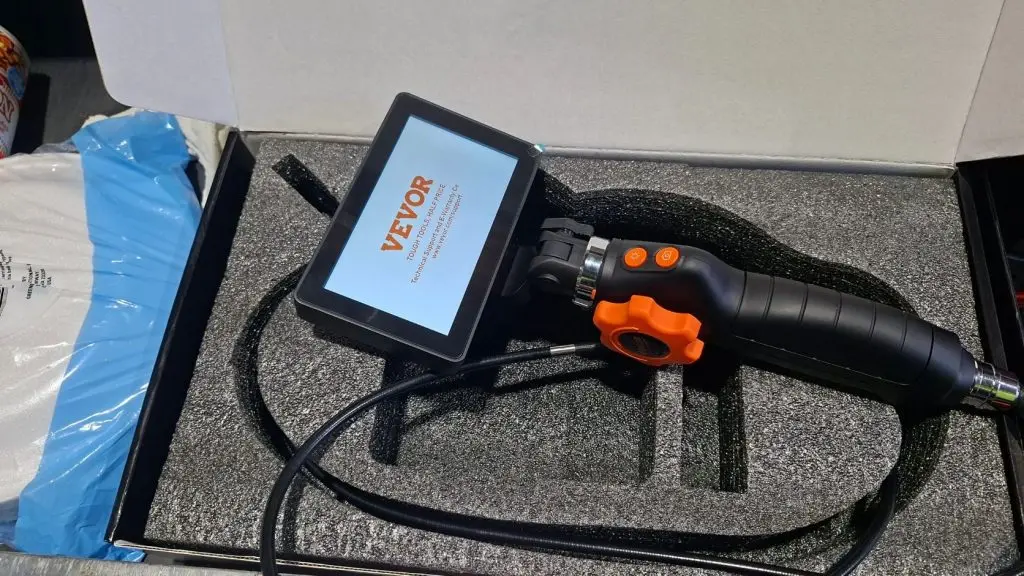
With the specs clear, choosing an engine borescope for inspection comes down to matching it to your budget and your engines. The questions below come up most, so here are direct answers and side-by-side tables. Whether you want a simple automotive inspection camera or a shop-grade engine inspection plumbing tool, start by choosing the right one.
How do I choose the right borescope for engine inspection?
Work through four things in order: probe diameter, resolution, cable type, and screen. Measure your smallest plug well and pick a diameter that fits; choose a true 1080p lens for a sharp cylinder-inspection camera; add a semi-rigid cable for straight bores or an articulating one for valves; and pick a screen you can read on the engine-viewing camera at the fender. For a daily-driver engine endoscope, those four get you a reliable engine inspection tool. If you service many vehicles, a four-way articulating engine borescope pays off; for one car, a simpler engine diagnostic camera is fine.
Which borescopes are best for engine cylinder inspection based on camera diameter and resolution?
For cylinder inspection, the best pick is the slimmest 1080p head that still fits your plug well — a 3.9 to 6 mm probe with a true 1080p lens reads bore scoring and valve carbon clearly. That makes a cylinder inspection camera the heart of any engine borescope. A slim 1080p borescope pairs that diameter with sharp imaging. The table compares diameter and resolution for cylinder work.
| Diameter | Resolution | Fits | Best For |
| 3.9 mm | 1080p | Motorcycle, DI plug wells | Tightest cylinders |
| 5.5 – 6 mm | 1080p | Most car spark-plug holes | General cylinder reads |
| 8 mm | 1080p – 1440p | Larger bores, diesels | Bright, detailed scans |
| VEVOR ultra-slim cylinder borescope | 1080p | Tight plug wells | 0.15-inch (3.9 mm) lens |
What are the best borescope options for automotive inspection when comparing price and image quality?
For automotive inspection, match the price class to how much image quality you need. A budget single-lens automotive inspection camera covers occasional checks; a mid-range articulating unit adds bend and sharper 1080p; a pro-grade dual or triple-lens automotive borescope gives the clearest view for daily shop use. A budget automotive borescope handles light duty, while a step up buys real clarity for a serious car engine camera. The table lines up the classes.
| Class | Image Quality | Lens Setup | Best For |
| Budget | Good 1080p | Single fixed lens | Occasional DIY checks |
| Mid-range | Sharp 1080p | Articulating single | Regular home mechanics |
| Pro-grade | Sharpest, multi-view | Dual or triple lens | Daily shop diagnostics |
| VEVOR articulating auto borescope | Sharp 1080p | Two-way articulating | Regular auto work |
Recommended For Your Project
Engine Types, Limits, And Recommendations
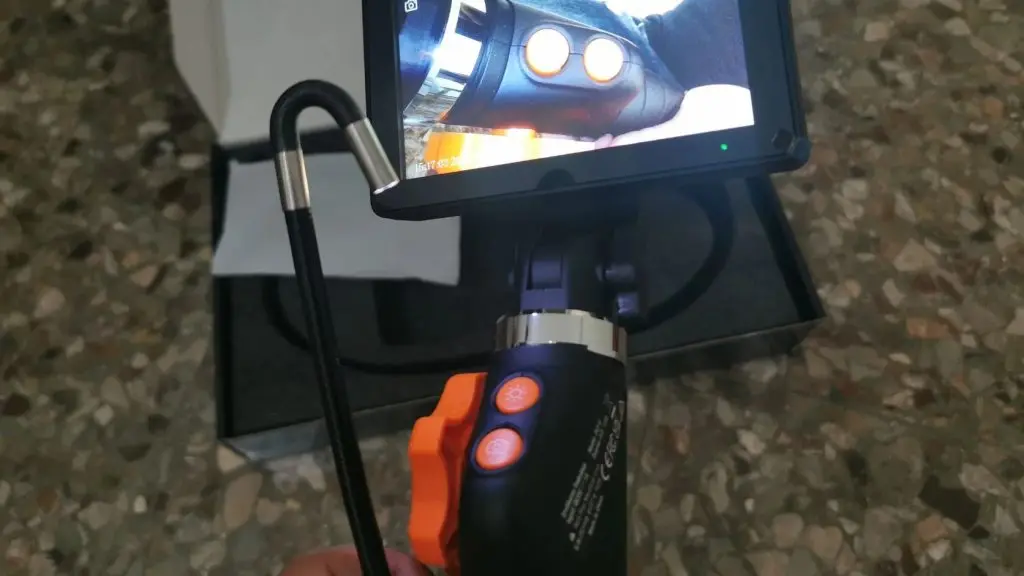
Not every engine is a car engine, and not every borescope suits every job. A common question is: can borescopes be used for both car and aircraft engine diagnostics? Yes, the viewing method is the same, though aircraft work needs certified, higher-spec scopes for safety-critical parts. The borescope range covers everyday engine use, but a consumer engine inspection camera isn’t rated for airframe work; below are the differences, the bike-and-moto picks, and where a cheap engine endoscope falls short.
What are the main differences between automotive and aviation borescopes?
The core difference is certification and tolerance, not the basic optics. Automotive borescopes focus on affordability, 1080p clarity, and easy spark-plug access for cylinder inspection; aviation scopes add calibrated measurement, longer certified probes, and documentation for airworthiness records. For a home or shop automotive inspection camera, the extra aviation features aren’t needed, as a plain look at borescope features makes clear. An everyday engine-viewing camera isn’t built for certified airframe work. The table sets the two side by side.
| Factor | Automotive Borescope | Aviation Borescope |
| Probe and lens | 3.9 – 8 mm, 1080p | Calibrated, often measuring |
| Certification | None required | Airworthiness certified |
| Cable | Semi-rigid or articulating | Long, certified, rugged |
| Cost class | Affordable | Professional-grade |
| VEVOR example | 2-way articulating 1080p auto scope | Not for certified aviation |
What borescopes are recommended for bicycle and motorcycle maintenance inspections?
For bicycle and motorcycle work, go small and portable: a 3.9 to 5.5 mm probe fits moto plug wells, fork lowers, and frame tubes, and a phone-connected or compact engine inspection camera with light works well in the home garage. A phone-connected borescope with a 3.9 mm lens suits tight moto and bike checks and doubles as a small-engine automotive inspection camera. The table matches builds to these smaller jobs.
| Job | Probe Size | Handy Feature | Note |
| Motorcycle cylinder | 3.9 – 5.5 mm | Semi-rigid cable | Fits plug wells |
| Bike frame or forks | 5.5 mm | Flexible cable | Spots internal rust |
| Quick garage check | 3.9 mm | Phone or Wi-Fi link | Light and portable |
| VEVOR compact Wi-Fi borescope | 3.9 mm | Android and iOS link | Portable bike and moto use |
Which types of borescopes fall short for professional engine diagnostics?
A few types fall short for professional engine diagnostics. Cheap sub-720p phone scopes blur the fine scoring a pro’s read depends on. Fixed-focus toys with weak LEDs can’t light a dark bore or focus close on a valve seat, so they fail as a serious engine diagnostic camera. Overly thick probes won’t fit into modern plug wells, and flimsy cables wander off target. For a dependable engine endoscope, hold out for a true 1080p lens, adjustable light, and a cable that stays where you aim it the makings of a trustworthy borescope for engine inspection. A quick step-by-step setup gets a new scope running.
Conclusion
The right borescope for engine inspection fits your plug wells and shows the bore clearly on the screen. Measure your tightest opening, pick a true 1080p lens with adjustable light, and choose a cable that matches your engine’s stiffness for the cylinders and is bendable for the valves and ports. A budget engine endoscope camera handles occasional checks, while a sharper articulating automotive borescope earns its place in daily shop work for any automotive inspection camera. Browse the full borescope collection, weigh the specs for your vehicles, and the right car engine camera makes the diagnosis a five-minute job.
FAQs
How often should I inspect my engine with a borescope?
Any time compression drops, the engine burns oil, or a cylinder misfires. Many owners also scope a used engine before buying and after a major repair, since a two-minute look catches scoring or valve damage before it spreads.
Do I need to remove the spark plug to use an engine borescope?
Yes, for cylinder-wall and piston checks, the plug comes out so the probe can enter the chamber. For ports, intake, or external areas, you can inspect without pulling plugs by using the nearest access opening.
Will a borescope scratch the cylinder wall?
Not if you feed it gently and avoid forcing it. The tip is small and smooth, but keep the engine cool and don’t jam the cable past resistance, since a hard push can mark soft aluminum bores.
What screen size works best for engine work?
A 4.3-to 5-inch screen reads clearly at the fender without being bulky. Larger 6- to 7-inch screens help in a shop, while a phone-linked model keeps things light for quick home or roadside checks.
Can one borescope cover cars, trucks, and small engines?
Usually yes, if the probe is thin enough for your smallest plug well, around 3.9 to 5.5 mm. A slim probe fits motorcycles and cars, while diesels and larger bores can handle a wider head.