Looking for the best way to clean floors? You can start by sweeping or vacuuming to remove dust and crumbs. Choose tools and products that fit your floor. You may need a mop, a gentle cleaner, or hot water. Regularly cleaning your floors keeps them fresh and safe. Try different methods to clean every type of floor with confidence. Get ready to see how easy and rewarding cleaning can feel!
No-Shoes Rule
Keep Dirt Out
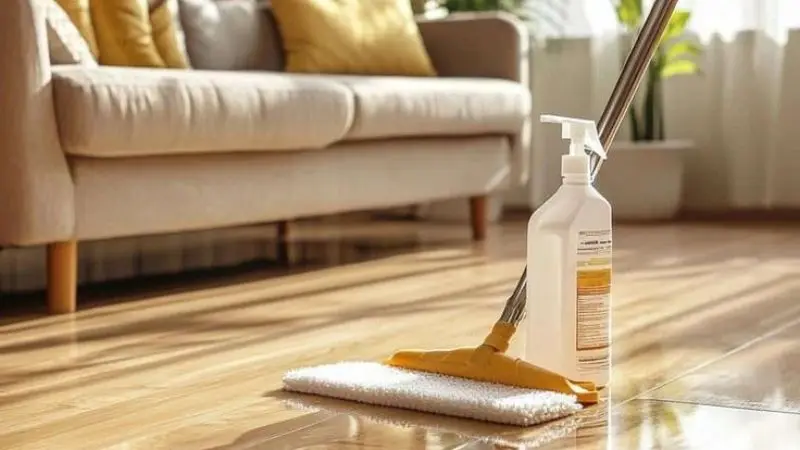
You want to keep your floors clean, right? Try the no-shoes rule at home. Shoes carry dirt, mud, and germs from outside. When you walk inside with shoes, you spread all that mess on your floors. You can stop most of the dirt before it gets in. Ask family and guests to leave their shoes at the door. You might feel strange at first, but it gets easier.
Your floors will look better, and you will spend less time cleaning. You can use a basket or a shoe rack to organize shoes. This keeps your entry neat and stops shoes from piling up. If you have pets, wipe their paws before they come inside. You will notice less dust and fewer stains on your floors.
Set Up Entry Area
Your entry area matters a lot. You can make it work for you. Put a sturdy doormat outside your door. It catches dirt before anyone steps inside. Use another mat inside for extra protection. Choose mats that are easy to wash. Shake them out or vacuum them often. Here’s a simple checklist for your entry area:
- Place a doormat outside.
- Add a mat inside.
- Set up a shoe rack or basket.
- Keep a chair or bench nearby.
- Clean mats every week.
You can decorate your entry with hooks for coats or bags. This keeps clutter away from your floors. When you set up your entry area, you make cleaning easier. You also help everyone remember the no-shoes rule.
Doormats and Rugs
Trap Dust
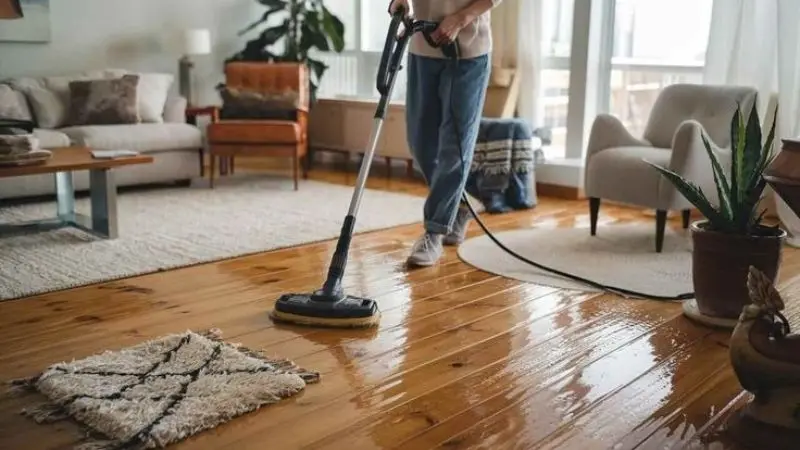
You want to keep your floors looking fresh, right? Doormats and rugs help you trap dust before it spreads. When you step inside, a good doormat grabs dirt from your shoes. You shake out the mat or vacuum it often. This simple step stops dust from reaching your living room or kitchen. Rugs work the same way.
Place them in areas where people walk frequently. You notice less dust on your floors and spend less time cleaning. You can wash most rugs in your washing machine. If you have pets, pick rugs that hide fur and clean up easily. You see a big difference when you use mats and rugs correctly. Your home feels cleaner, and you breathe easier.
High-Traffic Zones
High-traffic zones need extra care. Think about your hallway, entryway, or kitchen. People walk here all day. Dirt builds up fast. You place rugs in these busy spots. The rugs catch crumbs, mud, and dust. You shake out the rugs every week. Sometimes you vacuum them to keep them fresh. Here’s a quick list for high-traffic areas:
- Put a rug near every door.
- Use runners in hallways.
- Pick washable rugs for busy rooms.
- Clean mats and rugs often.
You make cleaning easier by covering high-traffic areas. Your floors stay nice, and you save time. You also protect your floors from scratches and stains. Rugs and mats add a cozy touch to your home. You enjoy walking barefoot without worrying about dirt.
Sweep and Vacuum First
Remove Debris
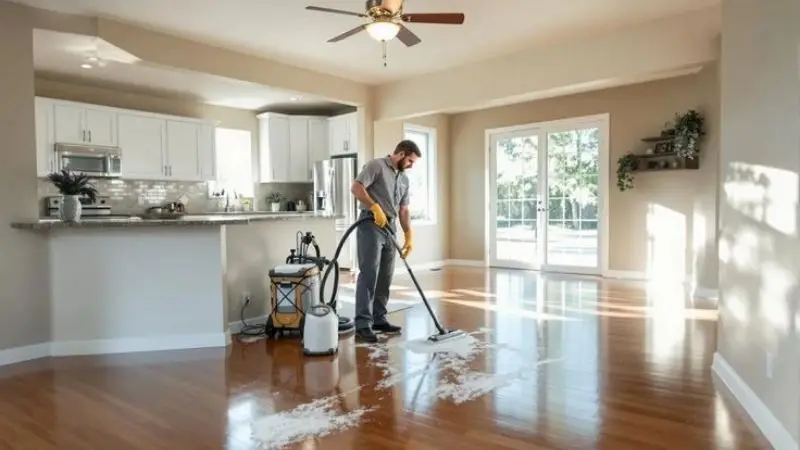
You want spotless floors, right? Start with sweeping or vacuuming. Dust, crumbs, and pet hair collect fast. If you skip this step, you push dirt around when you mop. Grab a broom or a vacuum and tackle every corner. Move chairs and small tables so you can reach hidden spots.
Want the best way to clean wooden floors? You might notice how much debris hides under furniture. Use a dustpan for piles or a handheld vacuum for tight spaces. You can use a soft-bristle broom for hardwood or tile. For carpets, a vacuum works best. If you have kids or pets, sweep or vacuum every day. You keep floors looking fresh and avoid sticky messes later.
Prep for Mopping
After you remove the debris, you’re ready to mop. This is the best way to clean tile floors. You want a clean surface so your mop does not spread dirt. Fill your bucket with warm water. Pick the right mop for your floor. String mops work well for tile and vinyl. Flat mops suit wood and laminate. Check your mop head before you start. If it looks dirty, rinse it out or swap for a clean one. Here’s a quick checklist to prep for mopping:
- Sweep or vacuum every room.
- Move small furniture out of the way.
- Shake out rugs or mats.
- Fill your bucket with fresh water.
- Choose the right mop.
Best Way to Clean Floors
Mop with Vinegar Solution
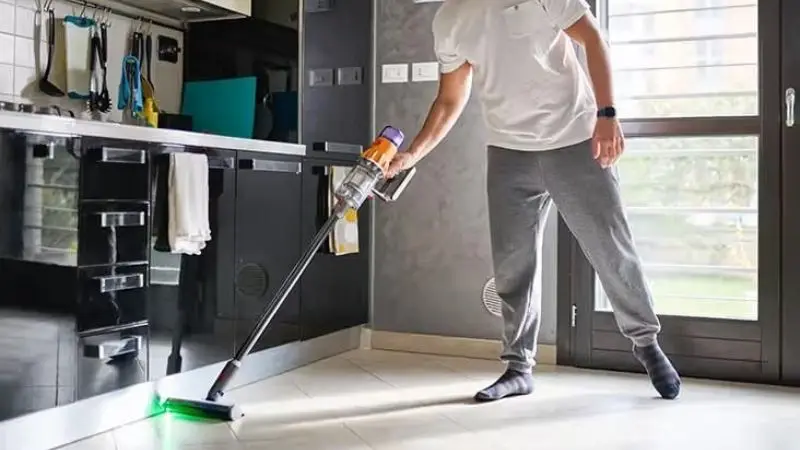
You want the best way to clean floors, right? Start with a simple vinegar solution. Fill your bucket with hot water. Add a cup of white vinegar. This mix helps break down dirt and leaves your floors shiny. You do not need fancy products. Vinegar works well for tile, vinyl, and even laminate. If you use a string mop or a fabric mop, dip it in the bucket and wring it out. You want the mop damp, not soaking wet. This helps you avoid puddles and streaks.
You can use this method every week. If you see sticky spots or need to clean up spills, grab your mop and use the vinegar solution. You will notice your floors look fresh and smell clean. The best way to clean floors does not have to be complicated.
Rinse and Dry
After you mop with vinegar, rinse your floors with plain hot water. Fill your bucket again and use a clean mop. This step removes any leftover vinegar and keeps your floors from feeling tacky. You want to dry your floors quickly. Use a dry towel or a clean mop head. Wipe up any wet spots. If you let water sit, you might see streaks or water marks. Here’s a quick checklist for the best way to clean floors:
- Sweep or vacuum first.
- Mop with hot water and vinegar.
- Rinse with plain water.
- Dry with a towel or clean mop.
Floor Cleaners
Match Cleaner to Floor
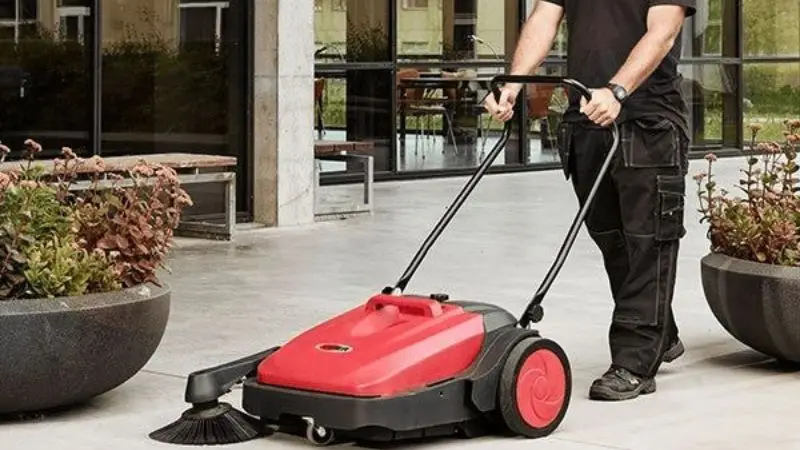
You want your floors to look their best, right? Picking the right cleaning products for each floor type makes a big difference. You might see shelves full of bottles at the store, but not every cleaner works for every surface. Tile floors need a product that cuts through grime. Wood floors need something gentle that protects the finish. Vinyl floors do well with simple solutions. You can check the label before you buy. Most cleaning products list the surfaces they clean. If you use the wrong cleaner, you might damage your floor or leave streaks. Here’s a quick table to help you choose:
| Floor Type | Best Cleaning Products | Why It Works |
| Tile | pH-neutral cleaner | Removes dirt, safe for grout |
| Wood | Wood floor cleaner | Protects finish, no residue |
| Vinyl | Mild all-purpose | Cleans without dulling shine |
Avoid Harsh Chemicals
You want a safe home for your family and pets. Some of the best cleaning products contain strong chemicals. These can cause headaches or skin irritation. You can look for labels that say “non-toxic” or “eco-friendly.” Many people use natural cleaners like vinegar or baking soda. These work well for everyday cleaning and keep your air fresh.
You can read reviews online before you buy. People share which cleaning products work and which ones to skip. You keep your home clean and healthy by avoiding harsh chemicals. Cleaning feels easier when you trust your products.
Deep Cleaning Tips
Tile: Vinegar Mix
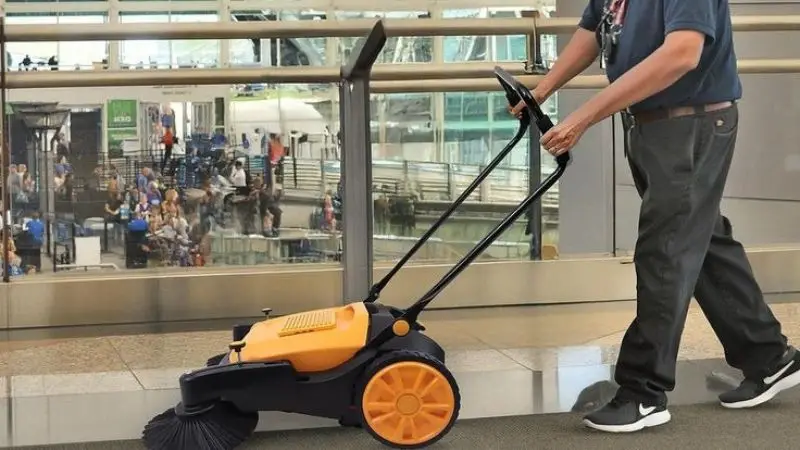
You want to clean tile floors and see them shine, right? Try a vinegar mix for a deep clean. Fill a bucket with hot water. Add half a cup of white vinegar. Dip your mop in the solution and wring it out. Mop the floor in small sections. Vinegar helps break down grime and leaves your tiles looking fresh. If you see tough stains, use a soft brush and scrub gently. You can use this method for clean stone floors, too. Always rinse with plain water after cleaning. Dry the surface with a towel to avoid streaks.
Wood: Salt and Lemon
You want to clean hardwood floors and keep them beautiful. For a deep clean hardwood floors routine, grab salt and lemon. Sprinkle a little salt on sticky spots. Cut a lemon in half and rub it over the salt. The mix lifts stains and adds a fresh scent. Wipe the area with a damp cloth. Dry the spot right away. Never soak wood floors. Too much water can damage them. You can use this trick for small areas. For regular cleaning, use a mop made for cleaning hardwood floors. Always sweep before you mop.
Vinyl: Baking Soda or Vinegar
You want to clean laminate floors and vinyl floors without harsh chemicals. Baking soda works well for sticky messes. Sprinkle it on the spot. Use a damp sponge and scrub gently. For a complete clean, mix a cup of vinegar with hot water. Mop the floor and rinse with plain water. Dry the surface with a towel. You can use this method for clean laminate floors, too. If you need to clean the carpet nearby, vacuum first to keep dust from settling on your vinyl. Regular cleaning keeps your floors looking new.
| Floor Type | Deep Cleaning Method |
| Tile/Stone | Vinegar mix |
| Hardwood | Salt and lemon |
| Vinyl/Laminate | Baking soda or vinegar |
Safe Tools
Use Right Mop
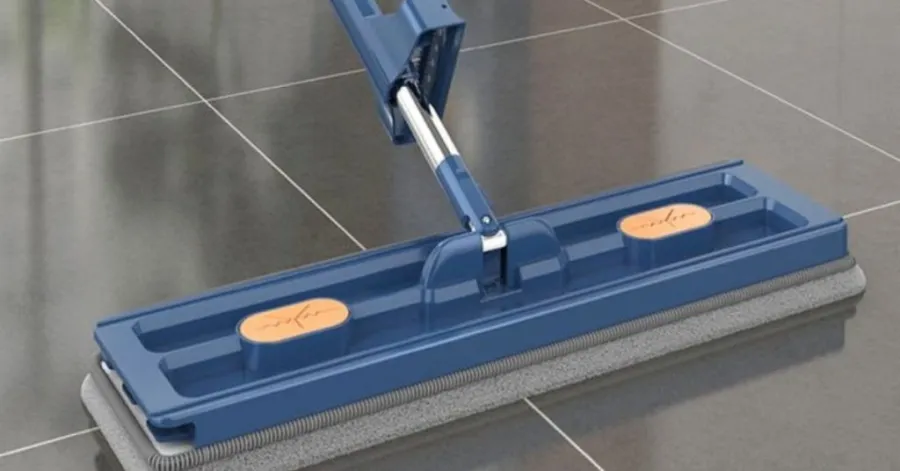
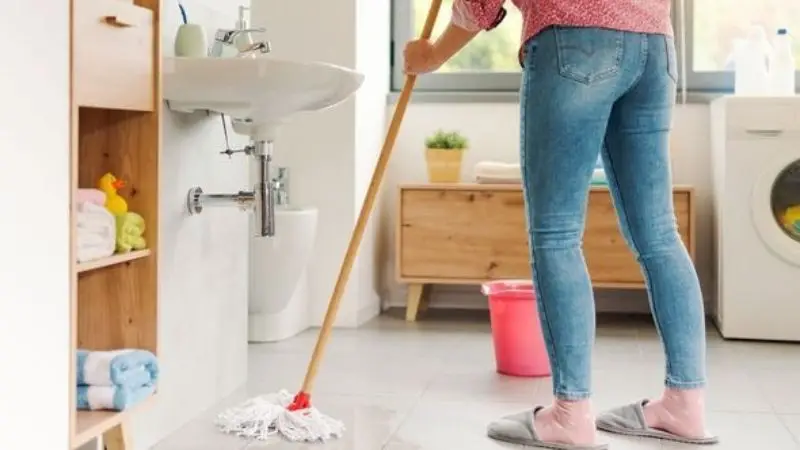
You want your floors to look their best, so picking the right mop matters. Not every mop works for every floor. If you have tile or vinyl, a string mop or a sponge mop works well. These mops soak up water and scrub away dirt. For wood or laminate, a flat microfiber mop works better. It glides over the surface and picks up dust without leaving scratches.
You can keep a few mop heads on hand. Swap them out when one gets too dirty. If you use a wringer bucket, squeeze out extra water before you start. Too much water can damage wood or leave streaks on shiny floors. You make cleaning easier when you use the right tool for the job. Here’s a quick guide:
| Floor Type | Best Mop Type |
| Tile | String or Sponge |
| Vinyl | String or Sponge |
| Wood | Microfiber Flat |
| Laminate | Microfiber Flat |
Avoid Abrasives
You want to protect your floors from scratches and dull spots. Stay away from abrasive tools, such as steel wool or stiff brushes. These can leave marks that never come out. Soft cloths, gentle sponges, and microfiber pads work best for most floors. If you find a tough spot, try soaking it with a damp cloth first. Let it sit for a few minutes, then wipe it away. You keep your floors looking new by treating them gently. Safe tools help you get great results every time you clean.
Conclusion
You’ve learned seven smart tips for cleaning floors that really work. Try these strategies and watch your home stay fresh every day.
- Keep shoes off inside.
- Use doormats and rugs.
- Sweep and vacuum first
- Mop with the right solution
- Pick safe cleaners
- Deep clean each floor type
- Choose gentle tools
A clean home feels great and makes cleaning easier. You’ll enjoy simple routines and a healthier space.
FAQ
How often should you clean your floors?
You want clean floors, right? Try cleaning high-traffic areas every few days. For bedrooms or less-used spaces, once a week works well. If you have pets or kids, you should clean more often.
What is the best mop for different floor types?
| Floor Type | Mop Type |
| Tile | String or Sponge |
| Wood | Microfiber Flat |
| Vinyl | Sponge |
Pick a mop that matches your floor. You get better results and make cleaning easier.
Can you use vinegar on all floors?
Vinegar works great for tile and vinyl. Avoid using it on wood floors. Vinegar can damage the finish. Always check your floor’s care instructions before you start cleaning.
How do you remove tough stains from floors?
Try baking soda for sticky spots on vinyl. For wood, use a little salt and lemon. On tile, scrub gently with a vinegar mix. Always test your method on a small area first.
What should you avoid when cleaning floors?
Stay away from harsh chemicals and abrasive tools. These can scratch or dull your floors. Use gentle products and soft cloths. You keep your floors looking new and safe for everyone.