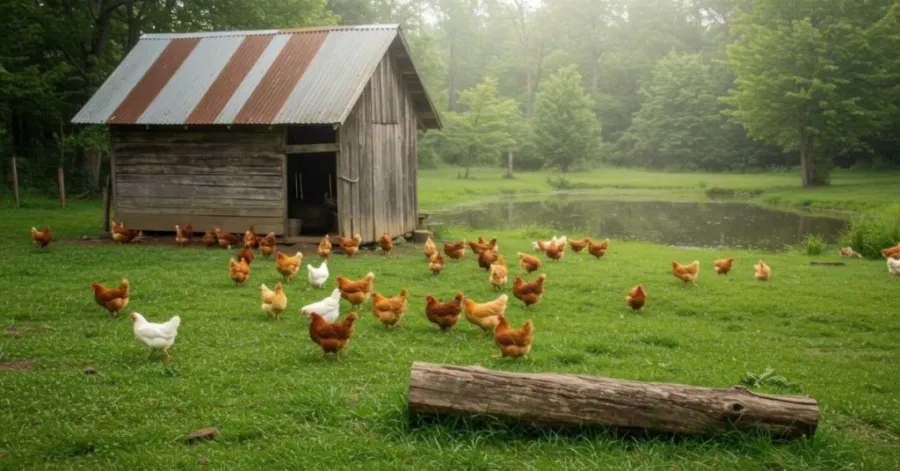
Raising chickens in your backyard starts with the right chicken house plans. A good design keeps your flock safe, comfortable, and easy to care for. Backyard chicken house plans should match your climate, yard space, and flock size, making daily care simple. The right chicken coop design also helps prevent common problems like overcrowding, drafts, and predator attacks. Using quality plans, you can have a long-lasting coop, a healthy state for your chickens, and bring enjoyment to their upbringing. With smart planning, the backyard can transform into a magical home for happy and productive chickens.
Key Factors for Choosing Backyard Chicken House Plans
A chicken house is not just a building made of walls and the roof that shields one, but it also grants security, comfort and well-being. Follow instructions regarding flock size, climate, and regulations to have happy hens, choose easy DIY plans of the work of the hen coop and build it regardless of level to meet your expectations.
Flock Size and Space Needs
Planning your coop will require the first thing to decide on the number of chickens to raise first. The number of birds in your flock will determine how much space you will require. A minimum of three or four square feet of inside room is the recommendation of most experts with regard to housing hens.
By way of illustration, the inside area of the coop of a small flock of half a dozen hens must be 18 to 24 square feet. In case you intend to expand the number of flocks later on, provide them with more space initially. Chickens enjoy space to scratch, room, and perch. They are also happier in a larger coop, which stops situations of stress and also minimises pecking or fighting.
Climate and Weather Considerations
Your local weather has a big influence on how to design your coop. If you live in a hot region, good airflow is essential. Windows, vents, and shaded areas keep the air moving and protect your flock from heat stress. In colder places, solid walls and some insulation make a big difference, helping your hens stay warm when temperatures drop.
Wet conditions also require strong roofing and drainage so the bedding stays dry. Many cheap backyard chicken house plans with materials lists are designed for mild climates, but if your area faces harsh winters or heavy rain, choose sturdier options that match your local conditions.
Checking Local Rules and Laws
Before building your chicken coop, it’s important to learn what your city or neighb our hood allows. Some towns limit the number of hens you can keep, while others may require a permit before construction begins. If you live in a community with an HOA, check their guidelines to make sure backyard chickens are permitted.
Following these rules saves you the headache of fines or moving your coop after it’s built. By choosing predator-proof chicken house designs that also meet legal requirements, you set up a safe and stress-free home for your flock without running into problems later.
Types of Chicken Coops
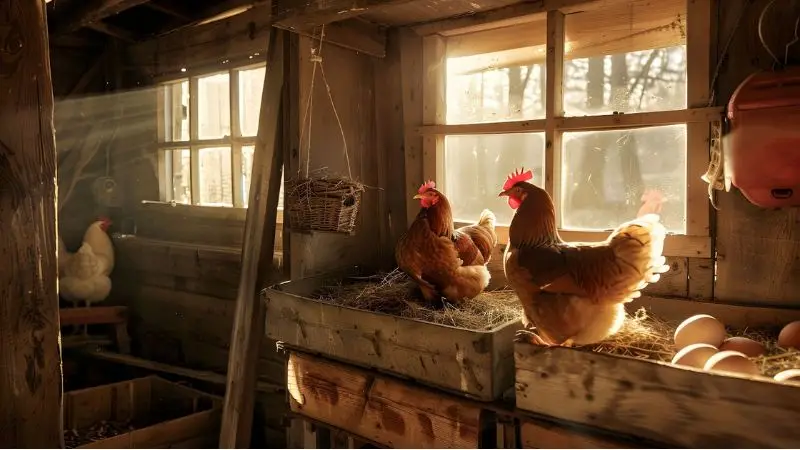
When planning your backyard, explore different chicken coop types. Each has unique benefits based on budget, space, and effort. From DIY builds to pre-made options, all aim to create a safe home, guided by how to build a backyard chicken coop step by step.
DIY Chicken Coop Plans
And when you like practical projects, constructing your own coop can be a satisfying choice. To build your own chicken coop that suits your size and flock, there is now an easy DIY coop that is well-suited to a first-time chicken keeper. Numerous plans exist on the Internet, starting with very simple ones and ending with advanced ones.
A DIY coop will enable you to select tough materials, personalise it, and save. New skills will also be taught during the building. In the case of first-time builders, it is prudent to start with a simple plan. When you become experienced, then you can extend or enlarge the coop to suit the increasing flock.
Pre-Made Chicken Coops
For those who want a faster solution, pre-made chicken coops are a convenient choice. These coops are sold in many sizes and styles at farm supply stores or online. Some come fully assembled, while others need only basic setup. They are perfect if you want your chickens to move in quickly without worrying about tools or construction skills.
Pre-made coops often include built-in features like nesting boxes and roosts. While they can cost more than building your own, they save time and effort. They’re ideal for busy families or anyone who wants a ready-to-use chicken at home.
Remodel Options
Remodelling an old, established structure in your backyard is another clever idea. A former shed, a playhouse, or even a small storage building can be changed into a comfortable chicken home by making only a few adjustments. With the inclusion of nesting boxes, perches, and safe fencing, the area is flock-ready. This alternative is cost-effective and time-friendly since there is no wastage.
It is pleasing, as many families put a new use to a building that has never been used before. Remodelled coops are equally as strong and comfortable as brand-new ones, with the appropriate adjustments, plus they bring an extra form of charm and character to your backyard.
Designing the Perfect Chicken Coop
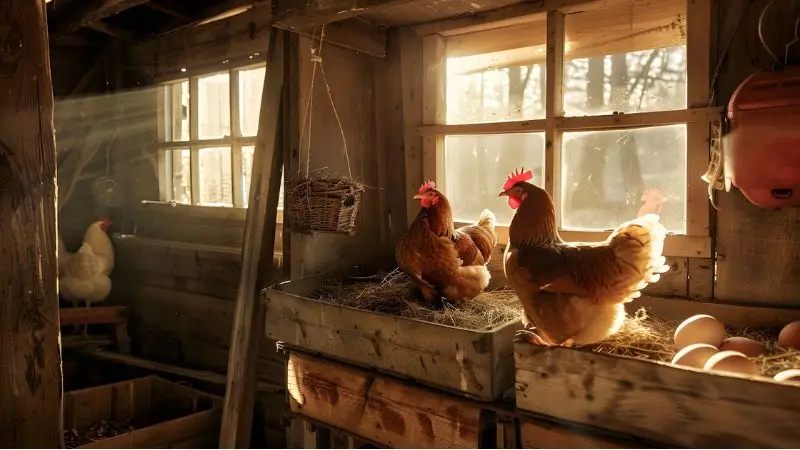
Designing a chicken coop means balancing comfort, safety, and durability. From airflow to predator protection, details matter. With cheap backyard chicken house plans with materials lists or custom designs, the goal remains the same—a secure, functional, and lasting home for your flock.
Ventilation and Airflow
Fresh air is one of the most important features of any coop. Chickens produce a lot of moisture, which can make bedding damp and lead to illness. Good ventilation helps remove moisture and keeps the air smelling clean. Adding windows or vents on opposite walls allows cross-ventilation, which works especially well in summer.
When you design your coop, think about the climate you live in. In hot regions, more airflow prevents overheating, while in cold regions, careful vent placement avoids drafts. Building with proper airflow ensures your chickens stay comfortable year-round in a healthy living environment.
Predator Protection
Predators are one of the biggest threats to backyard flocks, so security must be a top priority. Choosing predator-proof chicken house designs means using hardware cloth instead of standard chicken wire, as it’s stronger and harder to break. Burying wire around the base of the coop keeps out digging animals like raccoons or foxes.
Secure doors with strong locks and cover windows with mesh for added safety. Even small gaps can allow predators inside, so every detail counts. By carefully planning for protection, you’ll create a fortress that keeps your hens safe day and night.
Nesting Boxes and Roosts
Happy hens need cozy nesting boxes and solid roosts. Nesting boxes should be placed off the ground to keep eggs clean and free from damage. A good rule is one box for every three to four hens. Roosts should be sturdy, comfortable, and high enough for chickens to perch safely at night.
Using removable trays under roosts makes cleaning easier and keeps the coop tidy. Properly designed nesting and roosting areas reduce stress, prevent egg breakage, and help keep your flock calm. This part of your design is simple but makes a big difference in daily care.
Run Space
Every chicken coop should include a secure outdoor run. Chickens love to scratch, peck, and explore, and a safe run gives them the freedom to do so. Covering the top with mesh prevents hawks or other predators from swooping in, while fencing around the sides keeps ground predators away.
Allowing each hen enough room to move reduces stress and improves egg production. Runs can be simple or more elaborate, depending on your space, but they must always be secure. When included in your plans, a run ensures your flock enjoys fresh air and exercise safely.
Materials and Durability
The materials you choose directly affect how long your chicken coop lasts. Sturdy wood, weather-resistant metal, or heavy-duty plastic are all popular choices. Strong construction not only extends durability but also keeps predators out. A coop with wide doors makes it easier for you to clean, change bedding, and collect eggs.
If you’re building from how to build a backyard chicken coop step by step guides, pay close attention to the recommended materials. Durable designs save time and money in the long run and give your chickens a safe, secure, and low-maintenance home.
Site Selection and Setup Tips

Where you place and set up your chicken coop can make a huge difference in how easy it is to manage and how comfortable your flock feels. A good location, smart budgeting, and thoughtful planning help you avoid common problems. By combining the right spot with a clear plan, you’ll have a setup that works well now and in the future. Whether you’re working with cheap backyard chicken house plans with a materials list or building from scratch, these factors will guide you toward success.
Location in the Yard
Your chickens need a safe and balanced environment, so choosing the right location is key. Place the coop where there’s both sun and shade—sunlight helps hens lay more eggs, while shade keeps them cool in summer. High ground is best, since it prevents flooding. Keep the run close to your house so you can easily check on your flock. Also:
- Pick a spot away from tall trees where predators may hide.
- Face the coop door away from strong winds to keep it warm and dry.
- Make sure the ground drains well to avoid standing water.
This setup keeps your chickens safe and comfortable.
Budget Planning
You should always have a clear budget before you build. Make a list of all the things needed, including wood, hard cloth, roofing and tools. The stores may offer different prices, and it is necessary to check both local and online shops. It can be a magnificent method of saving money and obtaining a good coop at the same time by using recycled/leftover materials. When you are making purchases of ready-made products, consider style, size, and features to compare to ensure that you are making the right purchases at fair values. Don’t forget to include:
- The prices of the chicken run and fencing.
- Additional parts such as screws, hinges or locks
- Special tools required on your part.
Only smart planning helps in keeping your project affordable and with ease.
Cleaning and Maintenance
A clean coop is a healthy coop; therefore, it is wise to plan easy maintenance. Huge doors and removable trays of the design make the cleaning process quicker and more effective. It would be good to keep the coop close to a water source when possible so that you can easily refill drinkers as well as wash feeders. Examples of good maintenance routines are:
- Cleaning of old bedding regularly.
- Cleaning waterers and feeders once a week.
- Inspecting for pests, parts that are open, weak ones, etc.
When everything stays clean and orderly, you keep your flock healthy and make it significantly less job-intensive. Absence of pollution also constitutes clean eggs and good chickens.
Room to Expand
Think ahead about your future flock. Many chicken keepers start small but add more hens over time. Planning for expansion now saves effort later. Leave extra yard space for enlarging the coop or adding a bigger run. Expansion makes sense because:
- Chickens thrive with more room to explore.
- A larger flock means more eggs for your family.
- Building once with future growth in mind saves money.
By designing with flexibility, you create a long-term home that adapts to your needs. This approach ensures your setup remains useful and practical as your flock grows.
Decision Guide for Choosing Chicken House Plans
Choosing the right chicken house plan can feel overwhelming, but comparing options, reading feedback, and using a checklist make it easier. From easy DIY chicken coop plans for beginners to cheap backyard chicken house plans with materials lists, the best choice fits your needs.
Compare Different Plans
Every chicken house plan comes with its own strengths. Some are designed for larger flocks, while others focus on compact spaces. Features like removable trays, larger runs, or extra windows can make daily care easier. Predator safety and ventilation are also key things to compare. When reviewing your options:
- Look at the size and how many chickens each plan supports
- Check if the design includes safety features like locks or mesh.
- Think about cleaning and how much effort it will take
By comparing details side by side, you’ll see which plan best fits your needs.
Reviews and Feedback
Learning from others saves you from costly mistakes. Many backyard chicken keepers share their experiences online through reviews, forums, or social media groups. Reading about their successes—and frustrations—gives you valuable insight. Look for positive feedback about durability, easy cleaning, and comfort for chickens. Be cautious if many people complain about weak materials or poor layouts. You can also:
- Ask friends or neighbours who raise chickens.
- Post questions in chicken-keeping groups online.
- Rely on feedback from experienced keepers.
Taking advice from others helps you choose the most practical and reliable plan.
Create a Personal Checklist
At the end of the day, your choice depends on what matters most to you. A personal checklist keeps you focused and avoids distractions from fancy features you may not need. Your list should include:
- Enough space for your flock to stay active
- Easy cleaning and low-maintenance design
- Strong predator protection
- A setup that works for your local weather
- Costs that fit your budget
By checking these points, you’ll feel confident in your choice. Using how-to build a backyard chicken coop step-by-step guides alongside your checklist ensures the coop meets your priorities while keeping your flock safe and happy.
Wrap Up
The construction of the chicken coop does not need to be very difficult. Having the appropriate plan, you will be able to build a safe, powerful, and comfortable house for the flock. It may be simple DIY plans of chicken coop construction with a few children, or finding low-cost backyard chicken house plans with a material list; it is always an objective of ensuring one has happy and healthy backyard hens. When you pay attention to space, climatic conditions, and chicken house designs that are immune to predators, you will have fresh chicken eggs. An effective coop can turn the keeping of chickens into something easy, fulfilling, and entertaining.
FAQ
At what rate will my chickens produce fresh eggs?
You should anticipate having fresh chicken almost on a daily basis. The average time when hens begin to lay is six months. You will have a constant supply of fresh eggs.
How do I go about making my fresh eggs clean?
Collect fresh eggs daily. Batration housing, fresh nesting boxes. Clean up the dirt using a piece of cloth. Keep your fresh eggs at room temperature.
Is it possible to consume fresh eggs immediately after they are laid?
Yes! You may take fresh eggs as soon as you pick them. Simply rinse them with water and cook. Fresh eggs are said to be better than those bought at the store.