Getting the most out of your spraying work depends on smart habits and proper setup. When you practice the correct backpack sprayer tips, every job is a little smoother, safer, and more efficient. Whether you’re dealing with weeds, lawn care, or garden treatments, minor changes will make a big difference.
If you’re using a VEVOR backpack sprayer, you already have an easy-to-use tool made to perform with comfort and consistency. Still, how you use it is as important. The tips below will help you spray more accurately and reduce waste, plus protect you with each task.
- Practical Backpack Sprayer Tips for Improved Results
- How to Identify Your Backpack Sprayer Needs Before Starting
- How to Choose the Best Nozzle for Your Backpack Sprayer Job
- Key Nozzle Selection Tips for Better Backpack Sprayer Performance
- Backpack Sprayer Efficiency Tips to Save Time and Chemicals
- How to Ensure Ultimate Backpack Sprayer Safety?
Practical Backpack Sprayer Tips for Improved Results
Before you begin spraying, it’s important to understand that small adjustments in technique can lead to much better results. The following practical tips will help you improve control, reduce waste, and make every spraying task smoother and safer.
Identify your needs first: Decide what you are spraying, what kind of chemical you are using, and how large an area you are spraying. This assists you in proper planning and preventing any unnecessary refills or spots missing.
Choose the right nozzle: Match your task to the spray pattern you are using. Different nozzles are more effective for weeds, large areas, or spot spraying, and help to reduce chemical waste.
Check droplet size: Larger droplets should be used, when possible, to reduce drift. This helps to keep the spray on target and prevents any unintended spreading of chemicals.
Calibrate the sprayer on a regular basis: Always test the flow rate prior to commencing. Calibration avoids both over- and under-application, saving chemicals and making it more effective.
Maintain the equipment: Clean the tank, nozzle, and seals after use. Proper maintenance ensures that the sprayer lasts longer and provides good and consistent spray output.
Control pressure and walking speed: Maintain a constant movement when spraying. Consistent pressure and movement improve poor streaking and poor coverage.
Plan your coverage route: Spray in logical rows with slight overlap. This helps to ensure even application, and it prevents missed areas.
Take safety and protective steps: Always wear gloves, eye protection, and skin cover. These steps help to reduce exposure and keep spraying safe.
Watch weather conditions: Avoid spraying on windy days. Calm conditions result in improved accuracy and reduced drift.
Store the sprayer correctly: Clean and dry the sprayer before storing. Proper storage helps to protect seals, hoses, and internal parts over time.
These practical tips work best when followed together as part of your regular spraying routine.
How to Identify Your Backpack Sprayer Needs Before Starting

First of all, you need to clearly define what the backpack sprayer will be used for and why the task matters. Once the purpose, chemicals, and coverage area are understood, spraying becomes safer, more accurate, and far more efficient from the very beginning.
You’ll see how this forms the basis for practical backpack sprayer tips for beginners and experienced users alike.
Know Which Spraying Tasks You Handle Most Often
Okay, start by getting clear on what the spraying job actually is. Fighting weeds in the garden? Feeding the lawn? Or maybe dealing with pests around the property? Each task needs a slightly different approach, so the goal matters first.
For example, if you need to do weed control, a wider spray pattern usually works better. In fact, for spot treatments, a narrow stream gives more precision. So, make a simple list of the main spraying tasks handled most often. Notably, this type of planning also supports backpack sprayers for weed control tips, since the setup can match the job more accurately.
Write down spraying goals in advance. Choosing the right nozzle and settings becomes much simpler afterward.
Select the Right Chemicals for Your Backpack Sprayer
It is also important to take a close look at the chemicals you plan to use. Some products need a certain droplet size or spray pattern to work well. You should always read the label on your chemical container. The label often tells you which nozzle works best.
In fact, if you use herbicides, you might need a nozzle that creates larger droplets to reduce drift.
Smaller droplets can help cover leaves and stems with insecticides. However, next mix chemicals without checking if they are safe together.
- Check the label for nozzle recommendations.
- Make sure your sprayer and nozzle can handle the chemicals you use.
Measure Your Coverage Area to Avoid Missed or Overlapping Spots
How much ground do you need to cover? If you have a small garden, you can use a sprayer with a simple nozzle. On the other hand, for large lawns or fields, you need a nozzle that covers more area with each pass.
You should measure your space before you start. Because it helps you avoid running out of product or wasting chemicals. You should consider obstacles such as trees, fences, or flower beds, as they can affect how you spray and which nozzle you need.
How to Choose the Best Nozzle for Your Backpack Sprayer Job

You must choose the right nozzle type that can make your spraying job much easier. Each nozzle gives you a different spray pattern and helps you get the results you want.
Let’s look at the most common options you’ll find for your backpack sprayer.
Use a Flat Fan Nozzle for Large and Open Areas
A flat fan nozzle sprays in a thin, even sheet. You get a wide, flat pattern that works great for covering large areas like lawns or driveways. If you want to apply weed killer or fertilizer evenly, this is a good choice. The fan nozzle also helps you avoid missing spots.
You must pick the right nozzle size to match your sprayer and the job. There are many people who use a flat fan nozzle for broad coverage because it saves time.
Use a Cone Nozzle for Spot Spraying and Tight Spaces
Okay, you need to understand that a cone nozzle sprays in a circular or cone-shaped pattern. You can use this nozzle type to get more control for spot treatments or when you need to reach tricky areas.
Or you can choose between a hollow cone and a full cone. The hollow cone works well for insecticides on plants, while the full cone covers more surface.
It is best to adjust the nozzle size as it lets you control how much liquid comes out. If you want to avoid drift, pick a larger nozzle size.
Choose an Adjustable Nozzle for Multiple Spraying Tasks
An adjustable nozzle lets you switch between spray patterns. You can go from a fine mist to a strong stream with a simple twist. Notably, this nozzle type is perfect if you need to do different jobs with one sprayer.
You can use it for both wide coverage and precise spraying. Just remember to check the nozzle size before you start. The right setting helps you use less product and get better results.
When to Use Specialty Nozzles for Specific Applications
Well, some jobs need a special nozzle. For example, a twin tip nozzle sprays two fans at once. This helps you cover more ground in less time. An ULV nozzle (ultra-low volume) makes very small droplets.
You might use an ULV nozzle for fine misting or to save on chemicals. Specialty nozzles can help with unique tasks, but always check if your sprayer can handle them.
Always match your nozzle to your sprayer and the job. The right nozzle type and nozzle size help you work faster and safer.
Key Nozzle Selection Tips for Better Backpack Sprayer Performance
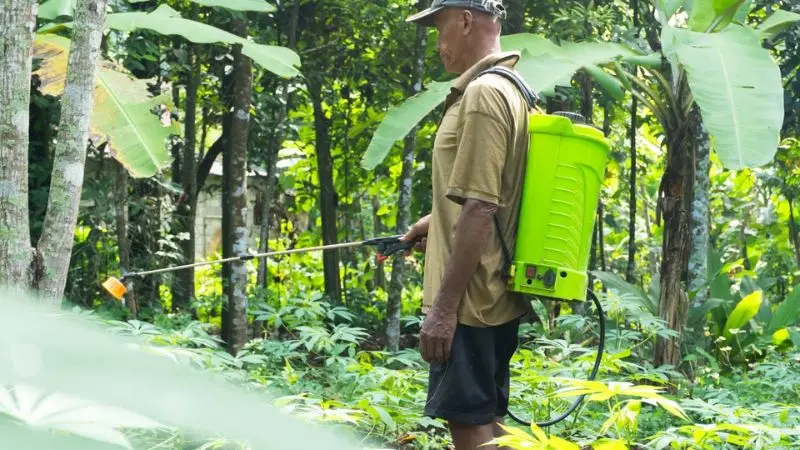
It is important to choose the right nozzle for your backpack sprayer, which can feel tricky. Only then can you get the best results and stay safe. Let’s break down some of the most important backpack sprayer tips for nozzle selection.
Match the Spray Pattern to Your Specific Spraying Task
Spray pattern means the shape the liquid makes when it leaves your sprayer. You might see a flat fan, a cone, or even a stream. Each pattern works best for different jobs. If you want to cover a big area, a wide fan pattern helps you finish faster. For spot spraying, a narrow stream or a focused cone lets you hit only the weeds you want. This keeps your garden healthy and saves you money.
Always match your spray pattern to your task. Wide patterns for lawns, narrow ones for spot spraying.
Select the Right Droplet Size to Control Drift and Accuracy
Droplet size matters a lot. Big droplets land right where you aim. Small droplets can float away in the wind. If you want to avoid drift, use a nozzle that makes larger droplets. For spot spraying, you need control. Medium-sized droplets work well because they stick to the target and don’t waste product. Always check your chemical label. It will tell you the best droplet size for your job.
- Large droplets: Less drift, good for soil and large weeds.
- Small droplets: More coverage, but can drift.
- Medium droplets: Great for spot spraying and most garden tasks.
Adjust Flow Rate and Pressure for Even Coverage
Flow rate means how much liquid comes out each minute. PSI stands for pounds per square inch. That’s the pressure inside your sprayer. You want your nozzle to match your sprayer’s PSI. Too much pressure can make tiny droplets that drift away. Too little pressure means you don’t get enough coverage.
It is suggested to use a lower flow rate and lower PSI for spot spraying, as this gives you more control and helps you use less chemicals. Always test your sprayer before you start. Adjust the pressure and flow rate until you get the spray you want.
Choose Nozzle Materials That Match Your Chemicals
Not all nozzles work with every chemical. Some chemicals can damage plastic. Others might corrode metal. Check what your nozzle is made of. If you use strong weed killers or fertilizers, pick a nozzle made from brass or stainless steel. For most garden jobs, plastic works fine. However, you should always rinse your sprayer after each use.
Pick Easy-to-Clean Nozzles for Consistent Spray Output
You want a nozzle that’s easy to clean. Chemicals can clog small openings. If you spray often, pick a nozzle you can take apart. Some nozzles have removable tips. Others let you flush them with water. For spot spraying, you need a clean nozzle every time. This keeps your spray even and stops blockages. After each use, run clean water through your sprayer. Check the nozzle for clogs or buildup.
Backpack Sprayer Efficiency Tips to Save Time and Chemicals
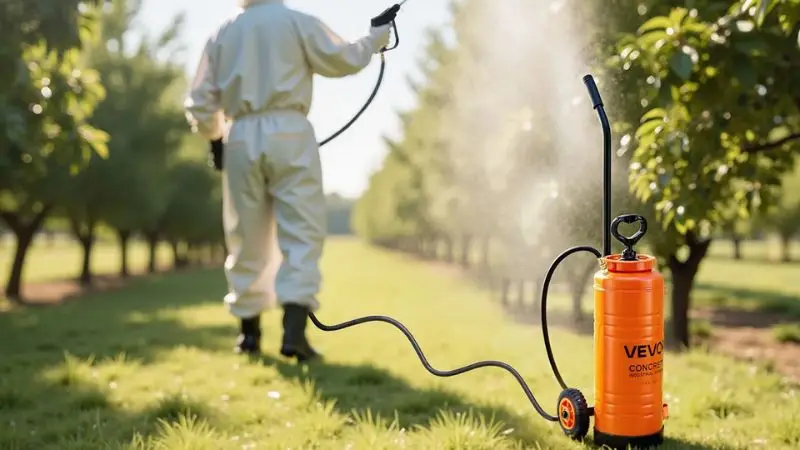
Now, let us give you essential backpack sprayer tips to maximize efficiency.
Calibrate Your Backpack Sprayer for Correct Application Rates
It is important for you to follow backpack sprayer calibration tips. When you use proper calibration, it makes sure your sprayer puts out the right amount of liquid. Yes, it helps you avoid wasting chemicals and keeps your spraying safe. If you skip calibration, you might miss weeds or insects. You could also use too much product, which costs more and can harm your plants.
Try this calibration method: Fill your sprayer with water. Spray a test area for one minute. Measure how much water you used. Repeat this step until you get a steady result. Write down your numbers. This tip helps you adjust your nozzle and pressure for each spraying job. You need calibration for every pest control application, whether you treat a spot or a whole lawn.
Check your calibration before every spraying session. You get better coverage and more effective pest control.
Maintain Your Backpack Sprayer for Long-Term Reliability
You should also be aware of and follow eco-friendly backpack sprayer tips. First of all, clean your nozzle after each spraying job. You should rinse the tank and hose with water. Look for clogs or damage. Replace worn parts right away. If you spray for spot treatments, you need a clean nozzle for every use.
You’ll see how the mentioned backpack sprayer tips keep your sprayer working longer and help you avoid problems during pest control application.
- Remove and rinse the nozzle after each use.
- Check seals and gaskets for leaks.
- Store your sprayer in a dry place.
Reduce Chemical Waste With Smart Spraying Techniques
You need to use just enough product for your spraying job. Right? Too much chemical means more drift and less safety.
You should use calibration to control your flow rate. Spray only the spots that need treatment. If you see weeds or insects, target those areas. Notably, this tip helps you protect your garden and the environment. Always plan your spraying route. You cover every spot without overlap or missed areas.
How to Ensure Ultimate Backpack Sprayer Safety?
Now, let us give you more tips for using a backpack sprayer effectively and safely.
Prevent Spray Drift With Better Timing and Technique
Drift happens when spray droplets move away from your target. Wind, small droplets, and high pressure can all cause drift.
Since you need your spray to hit only the weeds or pests you aim for, you need to stop drifting. Therefore, pick a nozzle that makes bigger droplets. It is important to lower the pressure on your sprayer. Spray when the air is calm. Early morning or late afternoon works best. Stand close to your target. Move slowly and keep the nozzle steady. Always check the weather before you spray. Windy days make the drift worse.
Wear Proper Protective Gear When Using a Backpack Sprayer
Personal protective equipment (PPE) keeps you safe from chemicals. You need to protect your skin, eyes, and lungs. Wear long sleeves, pants, and closed shoes. Use chemical-resistant gloves. Put on safety goggles or a face shield. If you spray strong chemicals, wear a mask or respirator. Wash your hands and clothes after spraying.
- Long sleeves and pants
- Chemical-resistant gloves
- Goggles or a face shield
- Mask or respirator (for strong chemicals)
- Closed shoes
Never spray without PPE. Even small amounts of chemicals can harm you.
Follow Safe Handling and Storage Practices After Spraying
Handle your battery-powered backpack sprayer with care. Read the label on every chemical. Mix chemicals outside or in a well-ventilated area. Use only the amount you need. Keep children and pets away when you spray. Clean your sprayer after each use. Store chemicals in their original containers. Lock them away when you finish.
Nozzle choice and calibration help you stay safe. Well, a backpack sprayer with the right nozzle gives you the right droplet size. Calibration makes sure you use the right amount. You lower your risk of exposure and protect your health.
Stay alert and follow these steps every time you spray. You keep yourself, your family, and your garden safe.
Final Words
Now you know how to choose the best nozzle for your backpack sprayer, as this is one of the major backpack sprayer tips for beginners. First, think about how much area you need to spray and what job you want to do. Always check how much product you will use before spraying. The right nozzle helps you cover everything evenly and get better results. Calibrate your sprayer so you use the right amount each time. Look at your setup often to make sure it works well. If you want to be safer and do a better job, get a new nozzle. Focus on coverage, how much you spray, and safety every time you use your sprayer.
FAQ
How do you calculate the application rate for your backpack sprayer?
You measure the area you want to spray. Fill your backpack sprayer with water. Spray a test area and record the time. Check the discharge in gallons. Divide gallons by acres to get your GPA. Use gpm for smaller spots. This helps you control your rate.
What does gpm mean for a backpack sprayer?
Gpm stands for gallons per minute. It tells you how much liquid your sprayer discharges every minute. You use gpm to set your rate for spot treatments. If you want even coverage, check your gpm before you start spraying with your backpack.
Why does discharge rate matter when using a backpack sprayer?
Discharge rate affects how much product you apply. If your rate is too high, you waste chemicals. If your rate is too low, you miss spots. Always check your sprayer’s discharge before you spray. This keeps your application rate accurate and helps you use your backpack safely.
How do you keep your backpack sprayer working well?
Clean your sprayer after every use. Rinse the nozzle and tank. Check the discharge for clogs. Test your rate before each job. Store your backpack in a dry place. Regular care helps your sprayer last longer and keeps your rate steady.
How do you avoid streaks with a backpack sprayer?
Streaks usually happen when the spray pattern or walking speed keeps changing. Keep the nozzle height steady, overlap each spray pass slightly, and maintain the same walking pace from start to finish. Calibrate the sprayer first so the flow stays even. Clean the nozzle regularly to prevent blockages that break the spray pattern.